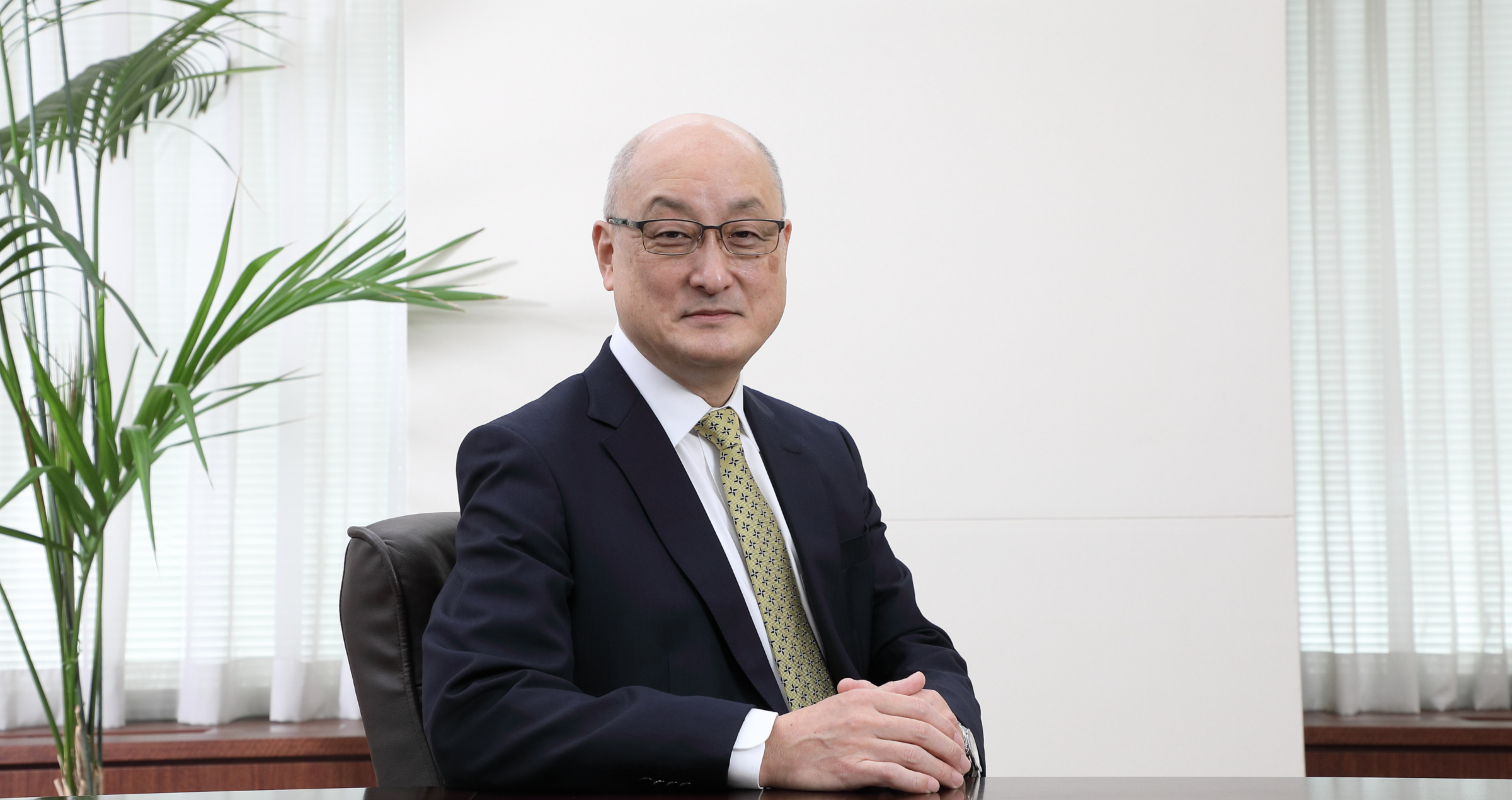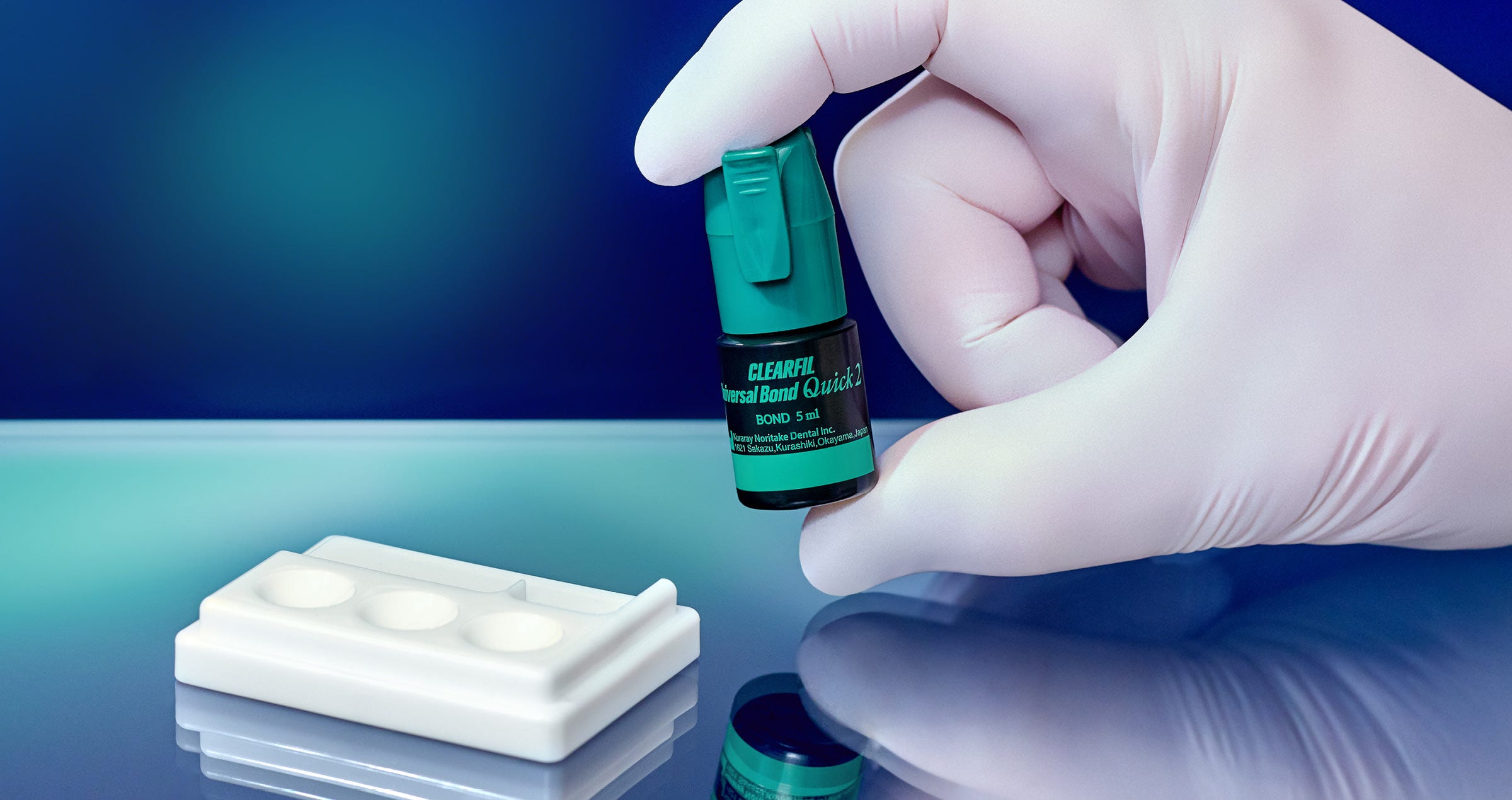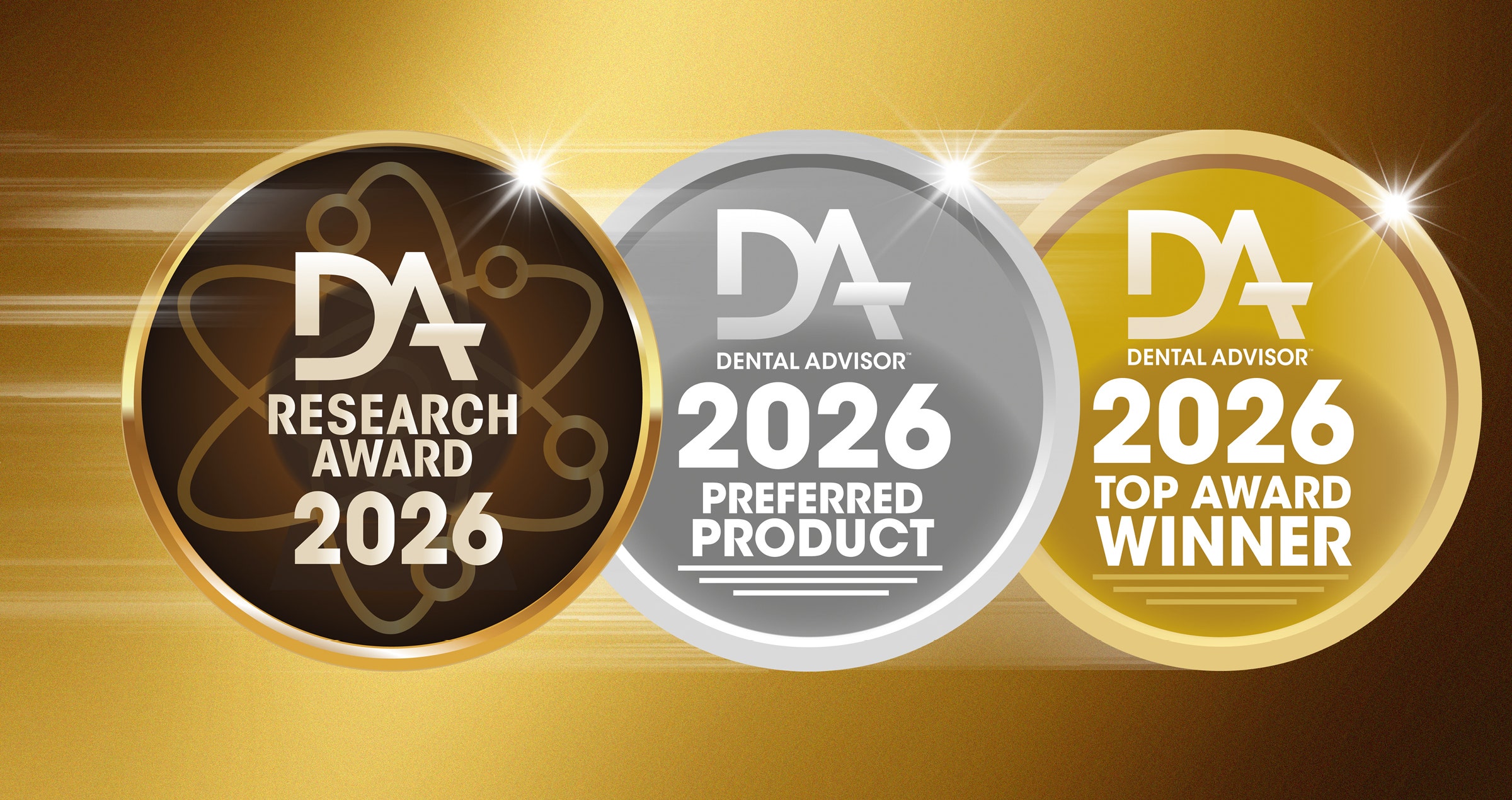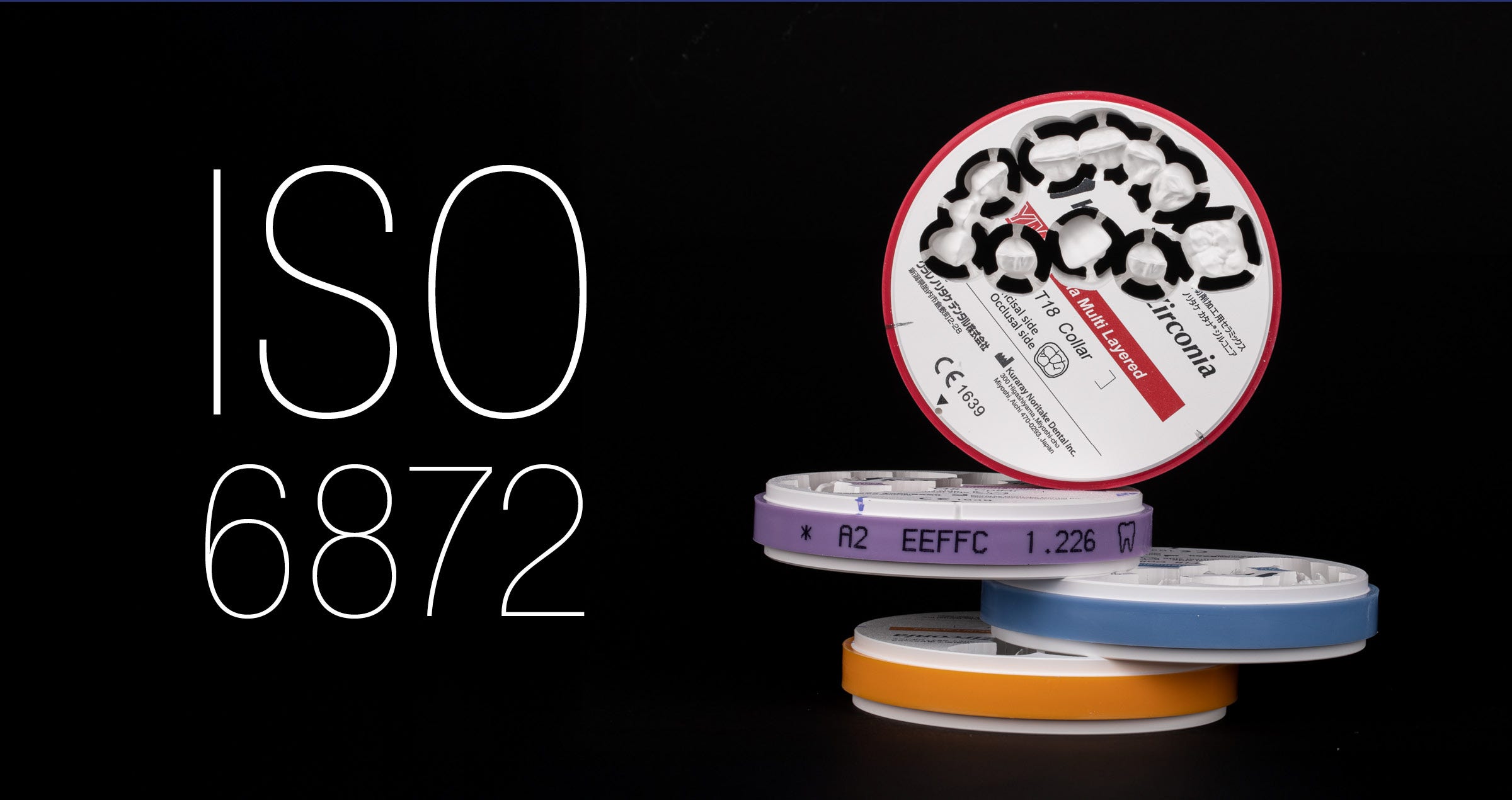

News Feature Kuraray turns 100 8 mai 2026 “Adding new value to dental care” Few manufacturers can claim one century of innovation. However, as Kuraray celebrates its 100th anniversary, its subsidiary, Kuraray Noritake Dental—shaped by this legacy—remains humble and focused on its holistic vision for improving the delivery of oral care. Reflecting on this centenary, Satoshi Yamaguchi, president of Kuraray Noritake Dental, shares his perspective on how the company’s long-standing ethos continues to shape its direction. In this exclusive interview, he discusses Kuraray Noritake Dental’s latest solutions and the way the company combines scientific expertise with consistent quality, clear and evidence-based information, support grounded in everyday clinical needs, and a stable supply chain. The ultimate aim, Yamaguchi says, is to bring new value to dental care and contribute to more reliable and efficient clinical practice. Mr Yamaguchi, could you tell us about your professional background and how you first joined Kuraray? My Kuraray journey began with a strong aspiration to contribute to public health. I was drawn to the company’s extensive expertise in chemical manufacturing and the potential to apply its technologies in the medical field. I started in the medical development division, where I was involved in research and development activities. Later, I transitioned to a marketing role at Kuraray America and, upon returning to Japan, resumed my position in development. This allowed me to engage with the dental healthcare business from both a technical and a commercial perspective. Subsequently, I served as head of the dental business at Kuraray Europe in Germany, where I oversaw sales operations across the European region. These international experiences have profoundly shaped my professional approach, enabling me to lead with a global mindset and remain attuned to the specific needs of local markets. How has this international experience shaped your approach as president of Kuraray Noritake Dental? Through my international assignments, I came to recognise the importance of addressing the diverse values held across different countries and regions. In the field of dental materials, preferences often differ. In many parts of Europe and Asia, natural aesthetics are widely valued; in the US, treatment efficiency is often prioritised; and in South America, there is often an emphasis on balancing aesthetics with cost-effectiveness. Although these are general tendencies and can vary, they provide a useful guide in meeting the specific needs of each market. Satoshi Yamaguchi, president of Kuraray Noritake Dental, previously served as head of Kuraray Europe’s dental business, based in Germany. My goal is to establish a robust framework for delivering reliable, evidence-based information to dental professionals. We are striving to strengthen the foundation of trust by facilitating the collection of credible data and case studies from both internal and external sources, ensuring that the information we provide contributes to greater confidence in clinical practice. In addition, we place strong emphasis on how this information is communicated. By leveraging multiple channels—presentations at academic conferences and seminars, contributions to journals and communication through digital platforms, for example—we are creating an integrated system that ensures our messages reach dental professionals effectively. How does Japan’s role as a dental innovation hub influence the company’s global operations? In Japan, there is a focus on creating scientifically proven technologies and transforming them into trusted dental solutions. At Kuraray, a prime example is our original adhesive monomer, MDP. This solution exhibits exceptional bond strength, even when using traditionally difficult substrates such as metals and zirconia. Today, MDP is recognised as a proven global standard in adhesive monomers and is widely used by dental material manufacturers around the world. Scientifically valid technologies developed in Japan are being utilised in clinical settings worldwide, supported by reliable, evidence-based information. This tradition is a driving force behind Kuraray Noritake Dental. We honour it by prioritising materials that can function like natural tooth substances over the long term in the oral environment—ensuring clinical reliability through durability, defined as the preservation of strength and aesthetics. Building on this foundation, we continuously enhance the value of our products by expanding indications and improving usability. How important is the European market in your overall strategy? The European market plays a vital role in advancing our efforts in quality assurance and information dissemination. Given the strictly enforced medical device regulations and environmental laws, we proactively work to enhance quality and reliability in our operations in the region, including in the areas of product design, packaging and product information. In turn, these initiatives help to improve the accuracy of product development and information dissemination for all markets. At the same time, we are strategically expanding our global business operations, focusing on the US, Asia and South America. To ensure the consistent delivery of high-quality products and services, we are working in close collaboration with local dental professionals, educational institutions and partner companies. By leveraging the expertise gained through our operations in Europe and adapting this to the unique needs and cultures of other regions, we continue to provide reliable solutions for dental professionals worldwide. Kuraray Noritake Dental introduced several new materials last year. What can you tell us about these materials and the clinical needs they were designed to meet? At the 2025 International Dental Show, we introduced CLEARFIL MAJESTY ES Flow Universal, CLEARFIL Universal Bond Quick 2 and CERABIEN MiLai. These products are based on our concept of Universal Excellence, a philosophy that emphasises scientifically grounded performance and outcomes. Dental practitioners in clinical settings seek materials that they can use with confidence. To meet these needs, we ensured that these materials embody the principles of Universal Excellence. This means versatile, high-performance solutions that streamline clinical workflows by minimising the number of required components and procedural steps. In this way, the products support decision-making in daily dental practice and laboratory work. KATANA Zirconia is recognised for aesthetics and strength. What sets your proprietary zirconia powder and multilayer technology apart in today’s competitive CAD/CAM market? We consistently develop and manage raw material powders in-house. By focusing on proprietary material development, we have created high-quality dental zirconia that combines aesthetics and mechanical strength. In addition, our advanced manufacturing technologies and strict quality control standards ensure stable and reliable product quality. Furthermore, by utilising our proprietary zirconia powder and working closely with manufacturers of milling machines and sintering furnaces, we have significantly reduced both processing and sintering times in the fabrication of zirconia restorations. One notable example is KATANA Zirconia ONE SPEED CROWN, which supports a streamlined chairside workflow. We have developed a new zirconia powder that can reach a highly activated state with little energy. This accelerates the sintering process, thereby achieving an ultra-short sintering time of just 9 minutes. Furthermore, our zirconia and multilayer technology enable natural gradation by varying both shade and translucency across the layers of the zirconia disc—closely replicating the appearance of natural teeth. In KATANA Zirconia YML, each layer contains a different concentration of yttria: the upper layers offer natural colouration and high translucency, and the lower layers deliver superior strength. Owing to this advanced material design and multilayer technology, the KATANA Zirconia series combines outstanding aesthetics and mechanical performance and contributes to greater efficiency in clinical workflows. Kuraray has regional offices in China and Brazil. How do you adapt product development and clinical education to the diverse needs of these fast-growing markets? China and Brazil are two of the world’s fastest-growing dental care markets, characterised not only by their large populations but also by a growing interest in quality dental care, rapidly advancing adoption of CAD/CAM technologies and ongoing development of clinical dental education. We address these evolving needs by delivering products and clinical support tailored to the specific dental requirements and educational styles of each country. For example, we continue to meet the demand for our adhesive dental materials—such as the CLEARFIL and PANAVIA series—by offering hands-on seminars and webinars in local languages. By sharing clinically relevant information backed by scientific evidence, we contribute to improving the quality of local dental care. In addition, user feedback gathered through our local offices serves as a valuable source of insight for product development. By incorporating market-specific trends, preferences in product handling and differences in clinical education styles into the development of new products, we can deliver locally optimised quality solutions. Kuraray Noritake Dental is expanding production at its new plant in Miyoshi in Japan. How will this affect supply chain resilience and product innovation? Leading up to this year, we significantly strengthened our global supply system for dental materials. At the heart of this initiative was the strategic expansion of production capacity at our Miyoshi plant, where we ultimately aim to roughly double production capacity. This facility specialises in the manufacturing of inorganic dental materials such as zirconia and porcelain and plays a critical role in our business strategy through technological expertise, rigorous quality control and product development capabilities. Additionally, by strengthening collaboration between our manufacturing site and our research and development, we are working to establish a system that enables rapid incorporation of feedback from clinical settings into product improvements. These efforts also contribute to enhancing our product development capabilities, allowing us to deliver dental material products that meet market needs in a timely manner. We view this as a vital step towards better meeting the expectations of dental professionals worldwide and elevating our market presence. As the Kuraray Group marks its 100th anniversary, what vision is Kuraray Noritake Dental pursuing for the future of dental care? Our anniversary presents an opportunity to reflect on the spirit that has shaped the company over the last 100 years. At the heart of our company lies a philosophy of embracing challenges: “For people and the planet—to achieve what no one else can”. Long before the term “corporate social responsibility” became widespread, we were addressing social issues through the power of technology and developing materials that improve lives. That ethos continues to underpin our business today. Since entering the dental industry as a chemical products manufacturer, we have remained committed to craftsmanship and quality. As noted earlier, because dental materials are used inside patients’ mouths over extended periods, we consider durability to be a particularly critical factor. This durability encompasses strength and aesthetics, which together form the foundation of reliable clinical performance. However, even products backed by advanced technology may not fully convey their intrinsic value to users. That is why we strive to provide reliable, evidence-based information and deliver trusted products to clinical settings. What can you tell us about future initiatives at the company? Through collaborative product development with dental clinicians, we aim to incorporate more insights from the front lines of dental care. By actively listening to dental professionals and technicians, we aim to further address the real-world challenges that they face and deliver products that more effectively meet daily clinical demands. We also aim to build greater trust with dental clinicians by sharing reliable, evidence-based information and clearly communicating the scientific evidence and development background behind our products. Additionally, in support of our commitment to sustainability, we aim to offer responsible choices to users through designing products with environmental considerations in mind and reducing our overall environmental impact. Through these initiatives, we will continue adding new value to dental care by leveraging our material design expertise, which is rooted in the founding spirit of our company. We aspire to remain a trusted partner for dental professionals around the world—one that they can rely on with confidence. Originally published on Dental Tribune website on March 4th, 2026.
News Feature Advancements in adhesive technology: CLEARFIL Universal Bond Quick 2 well-equipped for success 1 avr. 2026 INTRODUCTION Adhesive dentistry has seen significant advancements over the past decades. Initially, dental adhesives evolved from no-etch systems to etch-and-rinse systems, which consisted of multiple components. From then on, manufacturers shifted focus toward simplifying the procedure. Different generations of self-etch adhesives and, finally multi-mode or universal adhesives were the result. The latter category, introduced in the early 2010s, nowadays comprises numerous products offered by many different manufacturers. In general, universal adhesives offer more procedural freedom and simplicity than multi-step, multi-bottle systems as well as good adhesion. According to a recent review1, adhesive properties have improved and manufacturers have also succeeded in reducing the technique sensitivity of the adhesive systems. However, hybrid layer degradation still seems to be a relevant issue for many modern products available on the market. Moreover, feedback from clinicians reveals that there are several areas of concern where bonding systems in general can be improved. These include the risk of contamination due to a lengthy procedure or the need for rubbing, pooling of the adhesive in corners and accumulation along margins. Moreover, some adhesives are challenging to introduce into narrow cavities, while their curability may be limited. That is why Kuraray Noritake Dental Inc. decided to develop a new-generation universal adhesive that addresses these areas of concern: CLEARFIL™ Universal Bond Quick 2. This latest evolution in dental bonding technology is based on decades of knowledge in the development of clinically successful dental adhesives at Kuraray Noritake Dental Inc. It retains all the benefits of its predecessor – the current extensively tested and clinically proven CLEARFIL™ Universal Bond Quick – adding higher strength and improved handling.2-5 THE ESSENTIAL BENEFITS OF CLEARFIL Universal Bond Quick 2 CLEARFIL Universal Bond Quick 2 offers the following essential benefits: Quick and straightforward application procedure High-strength bonding layer Consistently durable bond Ease of application Minimised risk of pooling Procedural freedom Immediate availability for clinical use For all those who wonder how the improvements were implemented, which technologies are responsible for them and whether there is scientific proof, the following paragraphs are worth reading. They summarize essential general knowledge about adhesive formulations, explain potential issues and their causes, and address every benefit featured by CLEARFIL Universal Bond Quick 2, explaining all the important details around it. KEY COMPONENTS OF UNIVERSAL ADHESIVES Universal adhesives are based on highly complex formulations with many different constituents and technologies combined in a single bottle. The most essential parts found in virtually every universal adhesive are: RESIN COMPONENTS Just like composite restorative materials, dental adhesives are resin-based materials. This means that different kinds of cross-linking and functional monomers are the beating heart of the formulation. Functional monomers are initially hydrophilic and form linear polymers upon curing, while cross linking polymers are hydrophobic and form stronger, highly cross-linked polymer networks.6 They are added to adhesive formulations to fulfil different tasks: some monomers are used to promote adhesion to tooth structure or composite resin, while others are used as etching or demineralizing agents, wetting enablers, and agents promoting penetration into the tooth structure. Hence, they have an impact on application properties, bond strength to various substrates including enamel and dentin, strength, hydrolytic stability and overall durability of the bonding layer, and more. Would you like to continue reading as a PDF? Please leave your email address below. References 1. Breschi L, Maravic T, Mazzitelli C, Josic U, Mancuso E, Cadenaro M, Pfeifer CS, Mazzoni A. The evolution of adhesive dentistry: From etch-and-rinse to universal bonding systems. Dent Mater. 2025 Feb;41(2):141-158.2. Jaggi M, Karlin S, Zitzmann NU, Rohr N. Shear bond strength of universal adhesives to human enamel and dentin. J Esthet Restor Dent. 2024 May;36(5):804-812.3. Peumans M, Vandormael S, De Coster I, De Munck J, Van Meerbeek B. Three-year Clinical Performance of a Universal Adhesive in Non Carious Cervical Lesions. J Adhes Dent. 2023 Jun 8;25(1):133-146. doi: 10.3290/j.jad.b4186751. PMID: 37387551.4. de Almeida RAM, Lima SNL, Nassif MV, Mattos NHR, de Matos TP, de Jesus Tavarez RR, Cardenas AFM, Bandeca MC, Loguercio AD. Eighteen-month clinical evaluation of a new universal adhesive applied in the “no-waiting” technique: a randomized clinical trial. Clin Oral Investig. 2023 Jan;27(1):151-163. doi: 10.1007/s00784-022-04703-7. Epub 2022 Sep 6. PMID: 36068369; PMCID: PMC9447982.5. De Almeida R, Siqueira F, Verde T, Naupari-Villasante R, Reis A, Loguercio AD, Cardenas A. Prolonged application time effects on universal adhesives in non-carious cervical lesions: An 18-month split mouth randomized clinical trial. J Dent. 2024 Jan;140:104800. doi: 10.1016/j.jdent.2023.104800. Epub 2023 Dec 4. PMID: 38056759.6. Van Landuyt KL, Snauwaert J, De Munck J, Peumans M, Yoshida Y, Poitevin A, Coutinho E, Suzuki K, Lambrechts P, Van Meerbeek B. Systematic review of the chemical composition of contemporary dental adhesives. Biomaterials 2007; 28(26):3757-85.
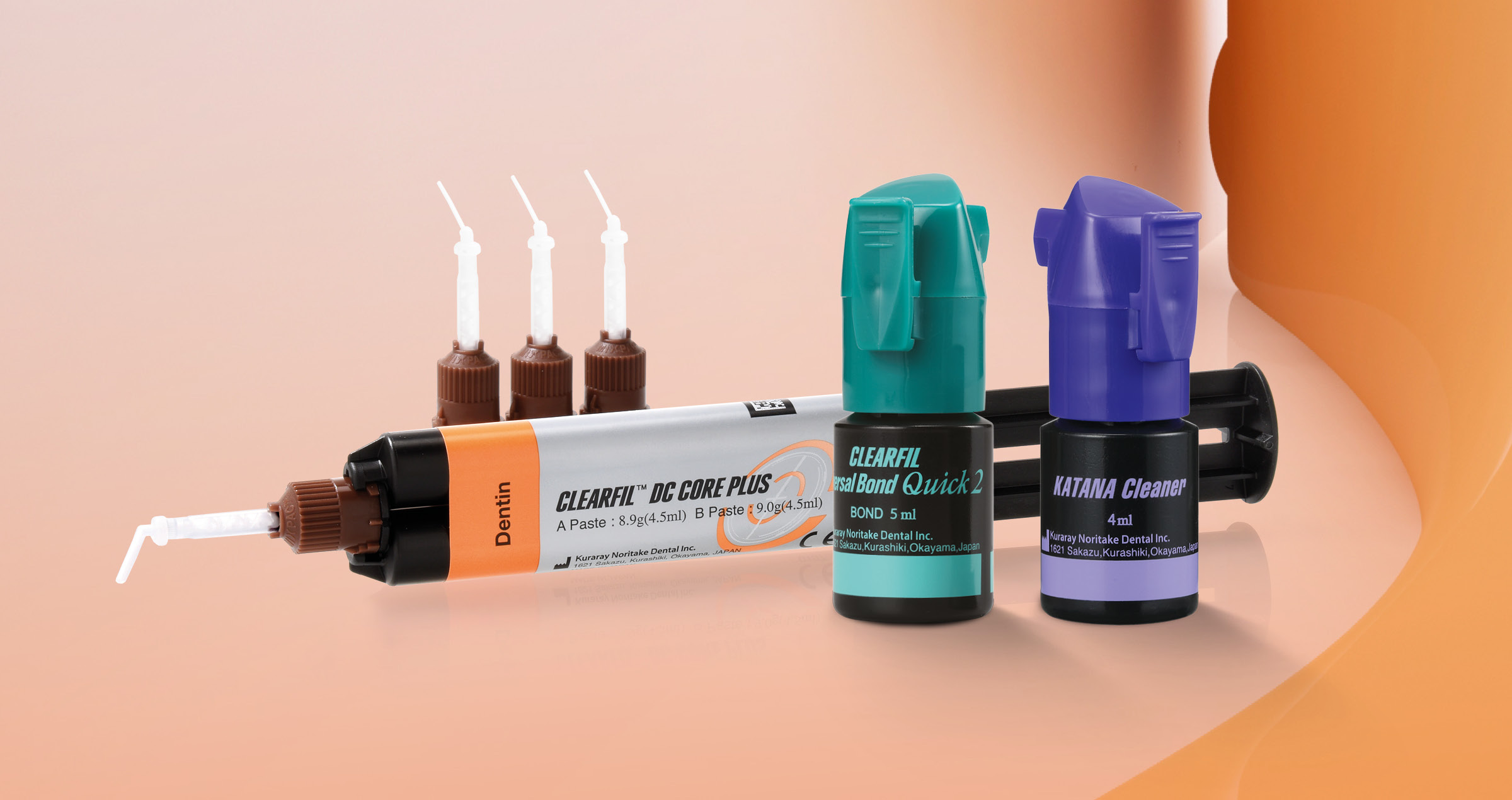
News Feature No limits: A truly universal adhesive 25 févr. 2026 REDEFINING WHAT “UNIVERSAL” MEANS When discussing the universal properties of a dental adhesive, most of us probably think of its compatibility with various etching techniques (from self-etch to total-etch) and a wide indication range. After all, universal adhesives are typically used as bonding agents for direct restorations made of light-curing composite, for immediate dentin sealing, for repair procedures and also in the context of indirect restoration placement. However, in our opinion, there is more to it: This means it should be compatible with any resin-based composite and self-adhesive resin cement, regardless of the manufacturer. BREAKING FREE FROM SYSTEM BOUNDARIES This is not self-evident: For a long time, “staying within the manufacturer’s own system ” has been a key prerequisite for the successful use of dual-cure core build-up materials and self-adhesive resin cements. Manufacturers worldwide have strongly recommended combining components from the same manufacturer and system to provide for chemical compatibility, optimal alignment, and the best possible outcomes. CLEARFIL™ Universal Bond Quick 2: FREEDOM AND FLEXIBILITY With the new CLEARFIL™ Universal Bond Quick 2, this is no longer necessary: The R&D team of Kuraray Noritake Dental Inc. in Japan has developed an adhesive that works well not only with the company’s self-adhesive resin cement PANAVIA™ SA Cement Universal, but also with other manufacturers’ products. The same applies to core build-up materials: Compatibility is no longer limited to CLEARFIL™ DC CORE PLUS, but extends to solutions offered by other companies. Thorough testing has confirmed that it works well – provided each product’s official instructions for use are followed. ONE ADHESIVE FOR EVERY CHALLENGE This makes CLEARFIL Universal Bond Quick 2 a truly universal adhesive and, in fact, the only one needed in your dental practice. Interested? Learn more about the product and its innovative features, including its effortless application with no waiting time. SMART. STREAMLINED. UNIVERSAL. At Kuraray Noritake Dental Inc., we understand the demands of modern dental practices. Balancing complex procedures, tight schedules, and patient needs is no easy task. That is why we have been on a relentless journey to streamline, enhance, and refine every step of your work for decades. Our vision is clear: a world where your materials and tools work seamlessly in your hands, where complexity is minimized, and where you are given enough time to focus on what matters most: the individual desires and needs of every single patient. This is the future of dentistry, and together, we’re making it happen. We invite you to explore our comprehensive Universal Excellence portfolio — from bonding agent to composites and resin cement. For Smart Streamlined Solutions in your practice.
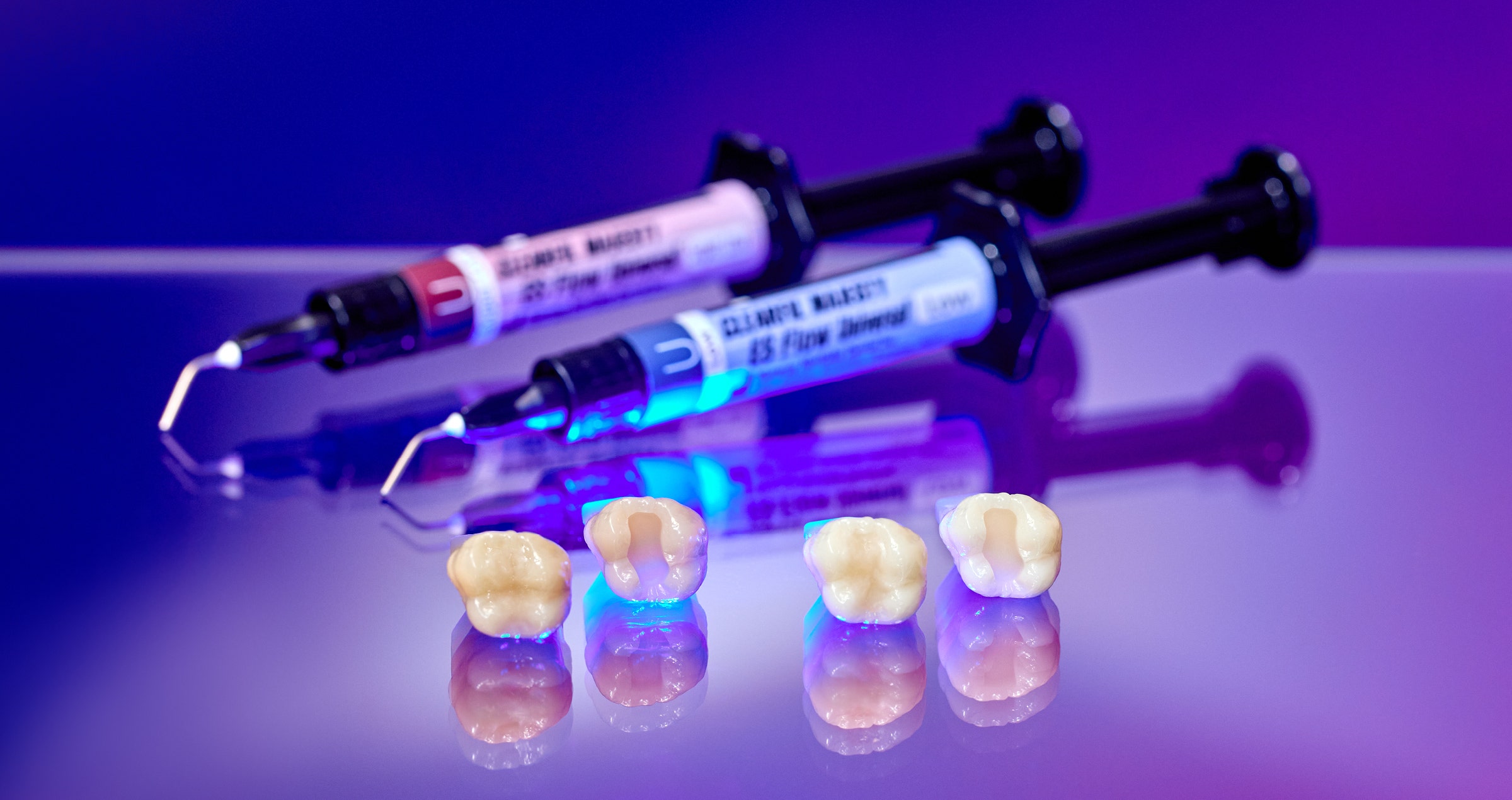
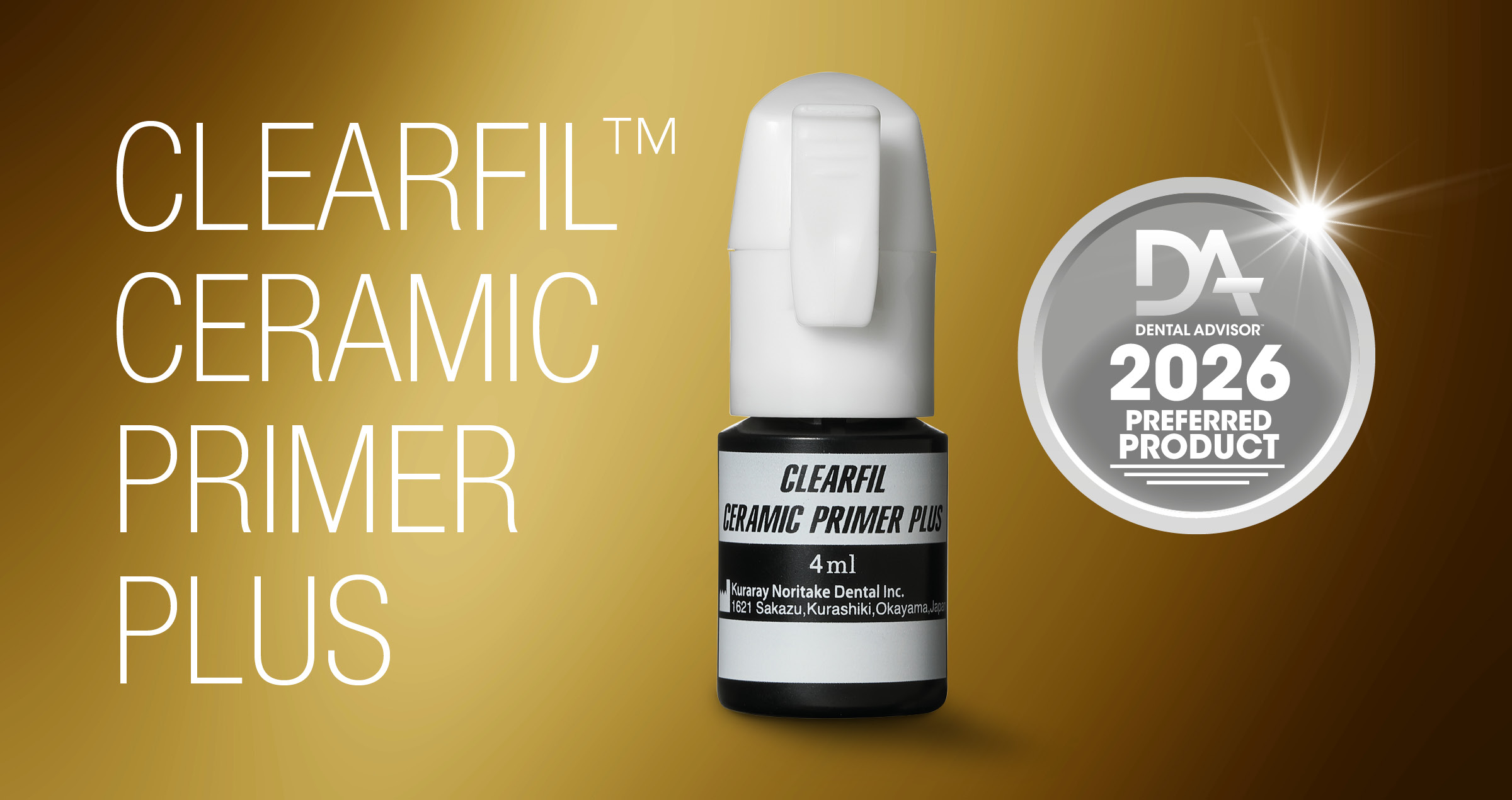
News Feature Which Solutions Truly Deliver in Daily Dental Practice? 20 févr. 2026 DENTAL ADVISOR 2026 AWARDS RECOGNISING KURARAY NORITAKE PRODUCTS FOR EXCELLENCE AND RELIABILITY As clinical demands continue to rise and chairside time becomes increasingly precious, dental professionals are nowadays looking for materials and devices that truly deliver in daily practice – while demanding less of themselves. In this context, efficiency, ease of use and long-term performance have become decisive factors in product selection. In a market characterized by frequent product introductions and bold claims, however, identifying the most suitable solutions can be challenging. A useful guide to well-founded decisions: Independent evaluations that combine rigorous laboratory testing with real-practice clinical assessments. One of the most trusted institutions offering this kind of evaluations in the Dental Advisor. Once per year, this respected authority in dental product testing publishes its Top & Preferred Product and Research Awards – highlighting those products that stand out not only for innovation, but for proven, consistent performance. In 2026, several solutions from Kuraray Noritake Dental Inc. were recognized – ranging from a new universal flowable composite to long-established materials that continue to define modern restorative and adhesive dentistry. A PROMISING BLEND OF CHARACTERISTICS: RESEARCH AWARD WINNERS According to Dental Advisor, “Companies that receive Research Awards demonstrate a commitment to advancing dental technology and enhancing patient care.” Product properties are tested in the Dental Advisor Biomaterials Research Center to evaluate the scientific performance and identify those materials with the most promising blend of characteristics. 1. CLEARFIL™ Universal Bond Quick 2 (Research Award and Preferred Product) Launched in 2025, CLEARFIL™ Universal Bond Quick 2 is an enhanced version of the popular multi-mode adhesive CLEARFIL™ Universal Bond Quick. Both stand out due to their minimal application time. Research conducted at the Dental Advisor Biomaterials Research Center demonstrated excellent bond strength to enamel and dentin, even after artificial aging and saliva contamination. The latter indicates a consistent performance even in wet environments like the oral cavity. The in-vitro tests also confirmed a thin film thickness (3-5μm), supporting accurate seating of indirect restorations. 2. CLEARFIL MAJESTY™ ES Flow Universal (Research and Top Product Award) CLEARFIL MAJESTY™ ES Flow Universal is a highly filled flowable composite launched in 2025. It features submicron fillers (78% by weight) and a simplified universal shade system enabled by light diffusion technology. Independent testing in the Biomaterials Research Center of the Dental Advisor confirmed that it delivers some of the highest strength values in its class, along with excellent radiopacity and great shade matching compared with other universal-shade composites. Designed for efficient placement, its syringes and application tips help minimize voids, a benefit confirmed by radiographic analysis of filled syringes and attached tips after dispensing of material. Viscosity testing reveals that the material offers a low-flow, no-slump consistency that allows precise cusp build-up and detailed anatomical sculpting. While the material is available in two flowabilities (Low and Super Low) in Europe, Super Low is the variant offered in the United States and tested in the Dental Advisor Biomaterials Research Center. 3. KATANA™ Cleaner KATANA™ Cleaner became a 2026 Research Award winner without prior clinical evaluation. The universal cleaning agent contains MDP salt, designed to effectively remove contaminants from both restorative materials and tooth structure. Laboratory testing by the Dental Advisor demonstrated that it restores bond strength on saliva-contaminated zirconia and lithium disilicate to optimal levels, with SEM analysis confirming nearly complete surface cleanliness. In its summary of research highlights, the Dental Advisor team stressed that KATANA™ Cleaner is one of the few commercially available cleaners approved for intraoral use. 4. PANAVIA™ Veneer LC (Research Award and Preferred Product) PANAVIA™ Veneer LC is widely recognised for delivering strong, durable bonding and highly aesthetic outcomes in veneer procedures. Laboratory testing revealed that, when used with the US-recommended components – PANAVIA Veneer LC Paste, CLEARFIL™ Universal Bond Quick and CLEARFIL™ Ceramic Primer Plus – the system maintains a high bond strength even after artificial aging. This performance was consistent across multiple substrates, including enamel, dentin, silica-based ceramics (lithium disilicate) and zirconia. Furthermore, the system outperformed two other leading veneer cements in gloss retention and wear resistance. TOP PRODUCT AWARD WINNERS Top Products are “exceptional products [that] have consistently demonstrated their excellence and reliability, earning a lasting place in our publication“. The winners are selected based on laboratory testing and clinical evaluations conducted under real-life conditions: “Our dedicated volunteer evaluators provide unbiased insights from their real-world experiences, ensuring that only the very best receive this prestigious accolade”, as stated on www.dentaladvisor.com. 1. CLEARFIL MAJESTY™ ES Flow A proven favourite, CLEARFIL MAJESTY™ ES Flow earned a Top Award for the 10th time(!), reaffirming its position as a leading product in the direct restoratives category (Composite: Highly Filled Flowable). Recognized for its excellent handling, ease of use, and true-to-life aesthetics, it remains a trusted choice for clinicians seeking versatility and consistently high-quality results. Aesthetic properties were highlighted by one of the evaluators as follows: "The material blended so well with the tooth structure that you had to look hard to find the interface." 2. CLEARFIL MAJESTY™ ES Flow Universal (Research and Top Product Award) This product not only excels in the laboratory setting, but also in the practice environment. Among the top features highlighted clinically are its ideal, non-slumping consistency, optimised translucency and great blend-in ability supported by light-diffusion technology. The blend-in ability, along with the benefits resulting form the delivery system, are reflected in a comment: “Excellent shade matching and no air bubbles.” 3. CLEARFIL™ SE Protect CLEARFIL™ SE Protect continues to set the standard among self-etch adhesives, combining antibacterial properties with fluoride release. Backed by a strong history of clinical success, it received a Top Award this year for its outstanding bonding performance and long-term reliability, making it a key component in modern restorative dentistry. An evaluator commented: "The gold standard in bonding to reduce post operative sensitivity." 4. PANAVIA™ SA Cement Universal Designed for straightforward and dependable self-adhesive cementation, PANAVIA™ SA Cement Universal earned a Top Award for its high-quality bonding to a wide variety of substrates – without the need for additional primers. Its user-friendly handling and predictable outcomes make it a popular choice for clinicians who value both efficiency and performance. Evaluators highlighted its moisture tolerance as well as its "Amazing viscosity, tack cure-ability and very easy cleanup." 5. TEETHMATE™ DESENSITIZER Awarded a Top Award for the nineth consecutive year, TEETHMATE™ DESENSITIZER continues to stand out for its exceptional effectiveness in managing hypersensitivity. This non-invasive solution remains highly regarded for delivering durable, long-lasting relief from sensitivity. Its long-lasting effect was confirmed in a comment: “At six months, the majority of patients continue to experience marked improvement from their pre-operative sensitivity or no sensitivity at all." PREFERRED PRODUCT AWARD WINNERS According to www.dentaladvisor.com, “The Preferred Product Awards highlight those items that not only excel in performance but also resonate with the needs of dental practitioners.“ Products are selected for this award based on clinical evaluations and in-vitro test results, and a preferred feature is always highlighted. 1. CLEARFIL™ Universal Bond Quick 2 (Research Award and Preferred Product) Apart from winning a Research Award, CLEARFIL™ Universal Bond Quick 2 became a Preferred Product mainly for its rapid working time, enabled by a formulation with a unique blend of proven and new monomers. It allows clinicians to apply the adhesive and begin working instantly – a feature that is very well received by the consultants: "Extremely quick application time that allowed me to get right to work. Every time saving ability is ideal." Film thickness is low and application extraordinarily easy. 2. CLEARFIL™ CERAMIC PRIMER PLUS The fact that it is a versatile, one-step solution made CLEARFIL™ CERAMIC PRIMER PLUS become a Preferred Product in the category Indirect Restoratives – Universal Primer once again. An evaluator was particularly happy that it is “Easy to use on a variety of materials”. While highly versatile in application, the product also stands out for delivering exceptional bond strength – especially when applied to silica-based ceramics, zirconia, and composites. Its proven performance has made it a trusted choice among clinicians around the world. 3. PANAVIA™ Veneer LC (Research Award and Preferred Product) PANAVIA™ Veneer LC’s preferred feature is its excellent handling, as stated by the evaluators. They liked to apply and model it, as it offered the desired combination of flowability, stability, viscosity and non-stickiness. While matching try-in pastes were well-received, one evaluator particularly highlighted the opacity of the white shade: "The white shade of the cement was opaque enough for efficient masking of discoloredtooth structure." A SHARED FOCUS ON IMPROVING PATIENT CARE At Kuraray Noritake Dental Inc., innovation is guided by a clear understanding of clinical realities. The awards received in 2026 reflect an ongoing commitment to developing materials that balance scientific excellence with practical usability – supporting predictable outcomes, efficient workflows and improved patient care. As dentistry continues to evolve, the recognition from the Dental Advisor underscores the importance of solutions that stand the test of time. By listening closely to clinicians and investing continuously in research and development, Kuraray Noritake Dental Inc. remains focused on advancing dental science in ways that matter most – supporting dental professionals in their striving for success and for enhancing their patients’ quality of life, every day.
News Feature Zirconia classifications: How KATANA Zirconia aligns with ISO 6872 10 févr. 2026 Dentistry is evolving fast, and so are the expectations of patients and dentists. Nowadays, most dental practitioners know that different zirconia variants are available and that there are certain quality standards the selected material should meet to provide for aesthetic, functional and durable outcomes. Consequently, they often demand the use of a specific zirconia variant for their planned restorations. Due to the widespread use of Tosoh zirconia in the market, however, many of these dentists are only familiar with the Tosoh 3Y / 4Y / 5Y zirconia terminology. This means that when prescribing a specific type of zirconia, they mention the desired yttria concentration. Unfortunately, this can create confusion in communication between dentists and dental laboratories: Not every zirconia brand and variant on the market fits into this Tosoh classification system. KATANA™ Zirconia discs of Kuraray Noritake Dental Inc. are made of proprietary powders and advanced multi-layered technology developed in-house. The unique performance these blanks deliver cannot be simply described with the aid of the Tosoh system. Instead, we rely on the internationally recognized ISO 6872 classification — a standard that reflects clinical indications and material performance with precision. WHY THE ISO 6872 CLASSIFICATION MATTERS Unlike brand-specific powder classifications, ISO 6872 provides a clear, scientific, and globally accepted framework. It ensures that when a dentist prescribes a solution, or a technician selects a material, everyone speaks the same language – based on strength, translucency, and indication range. CONCLUSION KATANA Zirconia is an advanced dental zirconia family that does not fit into standard boxes like 3Y, 4Y, or 5Y. It redefines what zirconia can do – blending beauty and strength with a scientifically validated ISO classification system. By embracing globally defined and accepted ISO 6872, we can contribute to peace of mind and eliminate confusion in the market. Always follow Information for Use provided with the product and any other relevant local regulations.
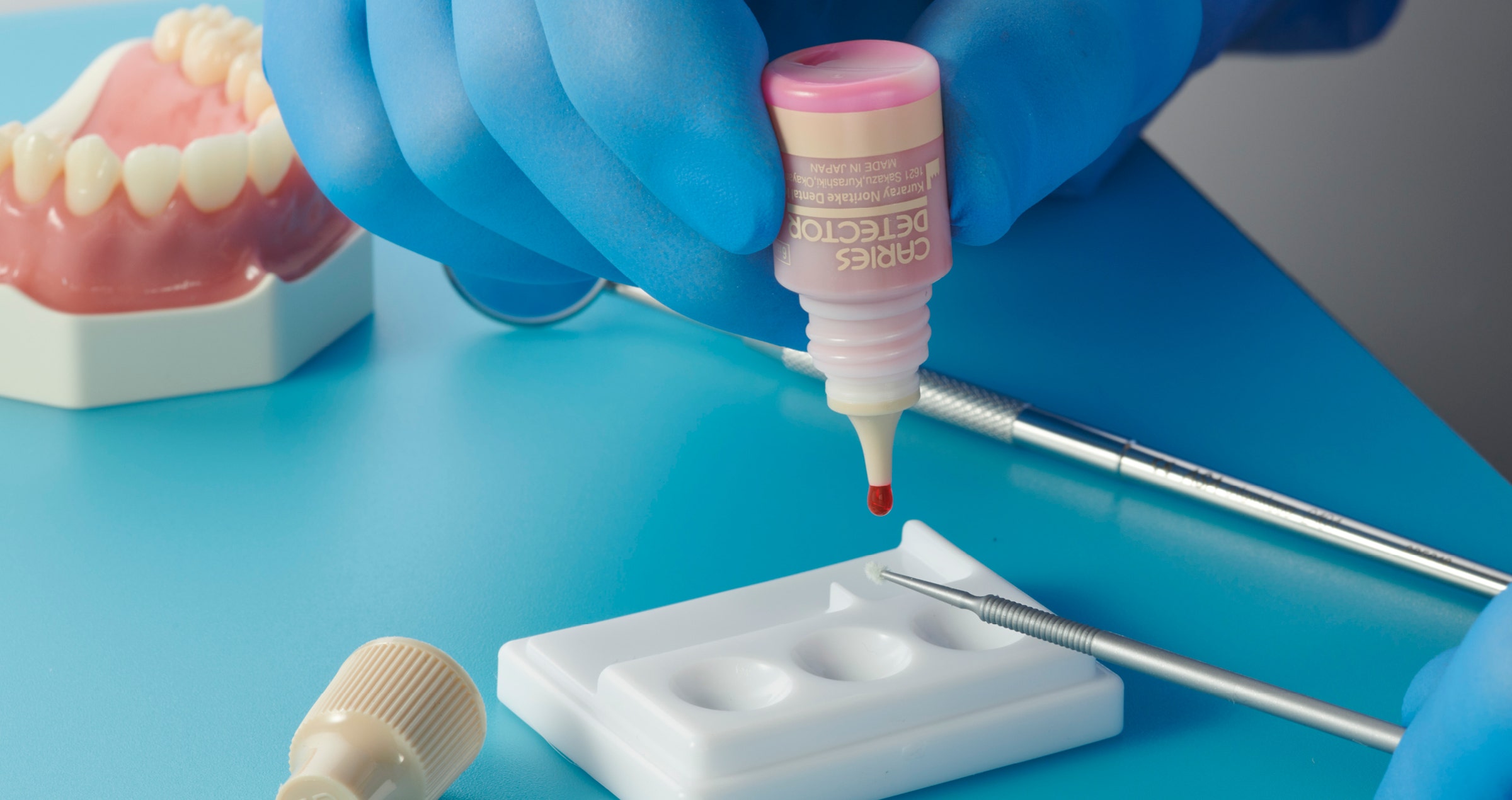
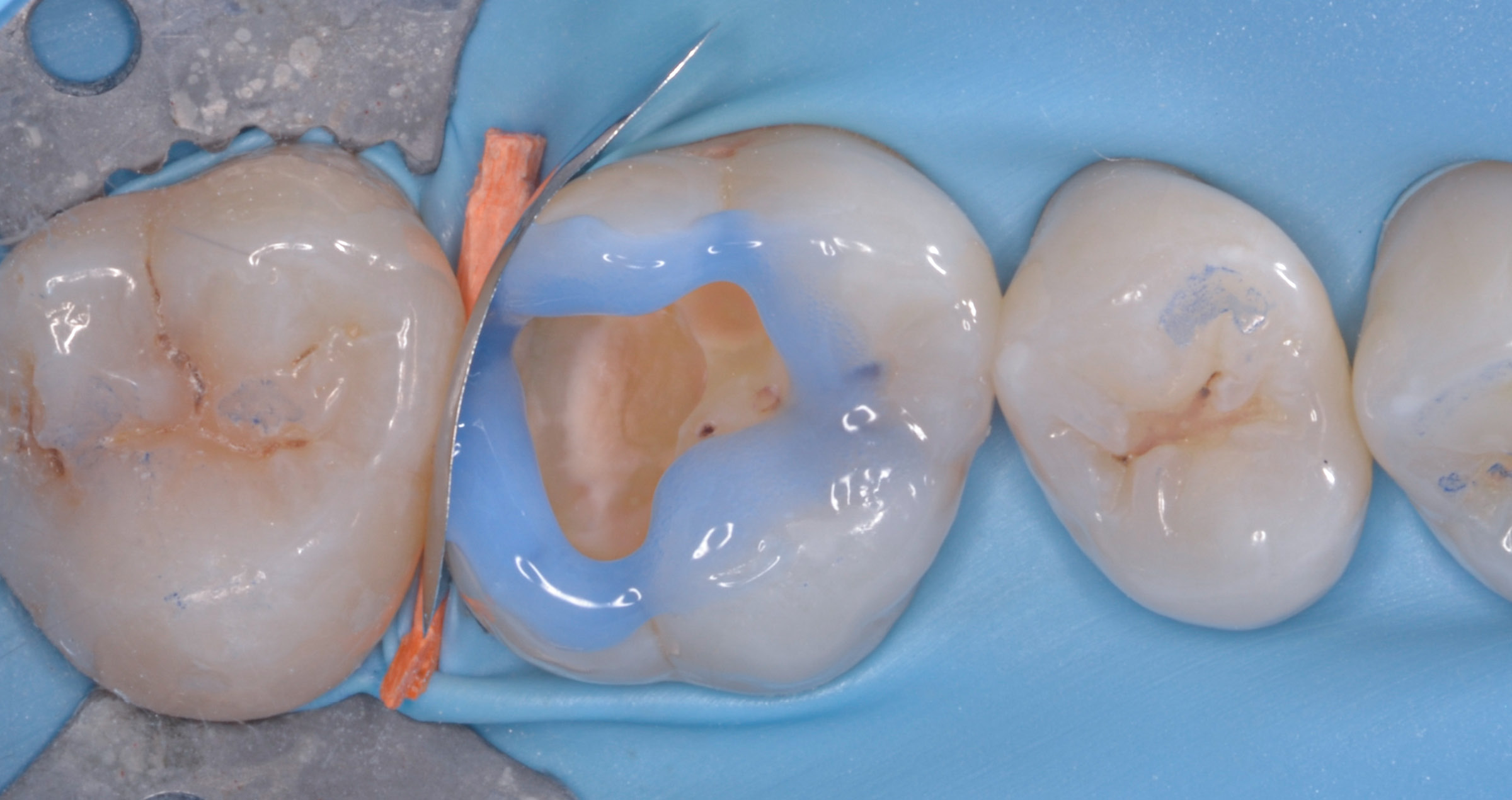
News Feature Caries Detector: Enhancing Precision in Conservative Caries Removal 28 janv. 2026 A SMARTER GUIDE TO SELECTIVE DENTIN EXCAVATION The modern approach to restorative dentistry emphasizes tissue preservation and clinical precision. Instead of extensive removal, today’s clinicians aim to conserve as much sound and remineralizable dentin as possible. Caries Detector provides a simple yet effective way to achieve this precision by visually differentiating infected from affected dentin during caries excavation. UNDERSTANDING THE DENTIN LAYERS Dentin carious lesion is not homogeneous. It can be divided into two distinct zones: Infected dentin — irreversibly demineralized and heavily contaminated with bacteria; must be completely removed. Affected dentin — partially demineralized but capable of remineralization; should be preserved to maintain tooth vitality and strength. The difficulty lies in identifying the exact transition between these two layers. Caries Detector facilitates this decision by providing a visual endpoint for excavation. MECHANISM OF ACTION Caries Detector selectively stains the infected outer dentin a vivid scarlet red while leaving the affected and sound dentin unstained. This clear chromatic differentiation allows clinicians to identify residual infected tissue and avoid unnecessary removal of reparative dentin. Depending on the clinical situation, the material can be used: In shallow cavities, prior to cavity opening for assessment. In deep lesions, following initial excavation to guide further selective removal while preventing pulpal exposure. CLINICAL PROTOCOL Preparation – After rubber dam placement, wash and dry the carious tooth. Application – Place one drop of Caries Detector on a disposable brush and apply to the cavity. Reaction time – Allow ten seconds for staining to occur. Rinsing – Rinse thoroughly with water to remove excess dye and reveal the stained areas. Selective removal – Excavate the red-stained infected dentin with a low-speed rotary instrument, avoiding the unstained tissue. Verification – Repeat application if necessary to ensure complete removal of infected dentin. The procedure yields a clean, sound dentin surface ready for adhesive bonding and restoration. INTEGRATING WITH MINIMALLY INVASIVE RESTORATIVE WORKFLOWS Caries Detector represents the first step in a conservative restorative protocol, aligning with the philosophy of minimum intervention dentistry (MID). When combined with Kuraray Noritake Dental’s range of adhesive and restorative materials, clinicians can achieve: Controlled removal of infected dentin Enhanced bonding to sound, remineralizable dentin Optimized aesthetic and long-term restorative outcomes CONCLUSION By translating histological principles into a practical chairside tool, Caries Detector allows clinicians to perform caries excavation with greater accuracy and confidence. It supports minimally invasive principles, preserves tooth vitality, and lays the groundwork for durable, esthetic restorations. Caries Detector — precision you can see.
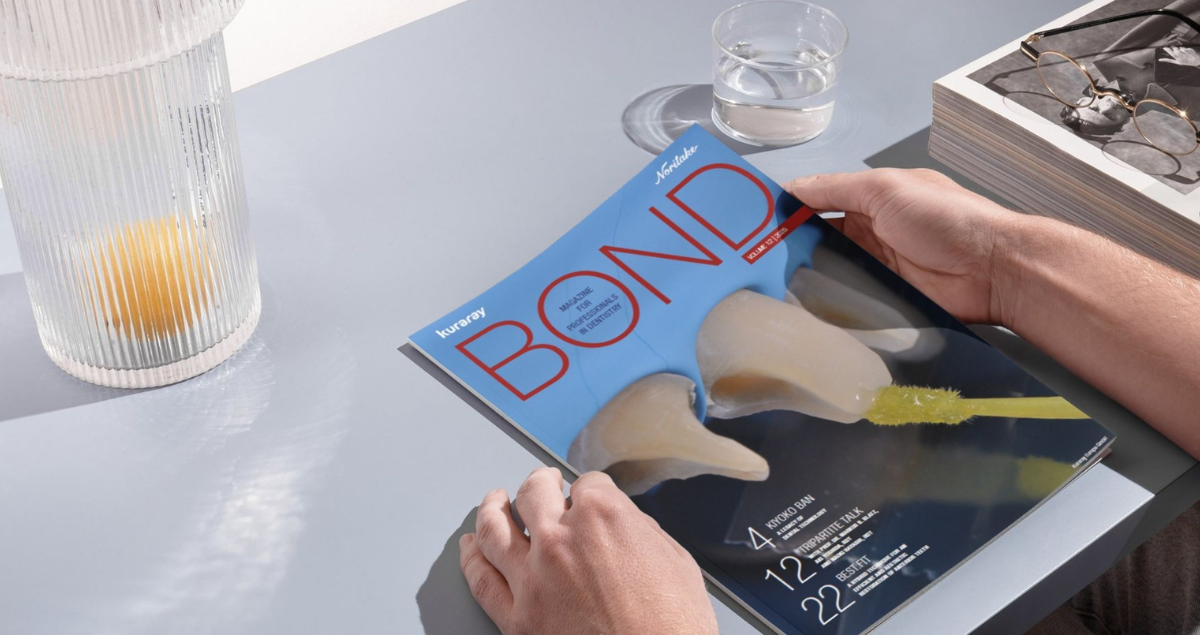
News Feature Read now! BOND Magazine vol. 12 23 janv. 2026 Restorative dentistry continues to evolve — driven by smarter materials, refined techniques and a growing demand for streamlined solutions that do not compromise the outcomes. In BOND 12 Magazine, we explore how modern ceramics, composites and adhesive technologies are shaping more efficient, predictable and aesthetic restorative workflows. This latest issue brings together clinical expertise and material science, featuring inspiring case reports, expert insights and innovative techniques for both dental practitioners and dental technicians. Highlights include a tribute to Kiyoko Ban, a pioneer in dental technology, in-depth perspectives on the evolution of zirconia, and practical approaches to anterior and posterior restorations — from simplified composite layering to flowable injection and hybrid techniques. Check out BOND Magazine Vol. 12 to discover the stories, techniques, clinical cases and ideas shaping contemporary restorative dentistry. Start Reading: BOND | VOLUME 12 | 12/2025 Previous versions: BOND | SPECIAL LAB SIDE EDITION | 07/2025 BOND | VOLUME 11 | 07/2024 BOND | VOLUME 10 | 10/2023 BOND | VOLUME 9 | 08/2022 BOND | VOLUME 8 | 12/2021
News Feature How does Nondas Vlachopoulos baking schedule optimize aesthetic quality and mechanical performance? 7 janv. 2026 HOW TO OPTIMIZE ALL-CERAMIC RESTORATION BOTH AESTHETIC AND MECHANICAL? A homogeneous porcelain structure, a strong bond between framework and veneering layer and a natural play of colours: All those characteristics of a high-quality all-ceramic restoration are not only strongly dependent on manual skills of the dental technician, but also on ideal firing conditions. Only with a well maintained and properly functioning furnace and the right protocols, it is possible to obtain consistently great results in terms of aesthetics and function. This is true for all kinds of all-ceramic restorations consisting of a framework and a veneering layer: It applies to full layering with a classical anatomical framework design and a relatively thick layer of porcelain, as well as to various cut-back designs finished using the modern micro-layering technique. A material that belongs to the latter category of porcelains and is becoming increasingly popular among dental technicians worldwide is CERABIEN™ MiLai (Kuraray Noritake Dental Inc.). The set of low-fusing porcelains and internal stains has been specifically developed for micro-layering, and works well with different variants of lithium disilicate and zirconia. While the firing parameters provided by manufacturers like Kuraray Noritake Dental serve as reliable and thoroughly tested guidelines, experienced technicians often explore beyond these standards to achieve the highest possible aesthetic and functional outcomes. This is precisely what MDT Nondas Vlachopoulos has done with CERABIEN MiLai. Would you like to continue reading as a PDF? Please leave your email address below.
News Feature Dental Zirconia: And why dentists should get involved in prosthetic material decisions 30 déc. 2025 High-quality treatment is probably the most important element on the road to patient satisfaction. During every single appointment, the patient wants to feel well cared for by a skilled professional, while chair time and the number of appointments should be reduced to the necessary minimum. This implies that, in the context of prosthodontic treatment, a restoration needs to fit perfectly straight away and be stable over time to avoid remakes and extra appointments. As explained in the first part of this series of articles, the quality of the selected prosthetic material – e.g. zirconia – has a decisive impact on the design, overall quality and long-term performance of definitive restoration. That is why you as a dental practitioner should order restorations that are produced domestically or in a region with the same standards as your own, know about the source of the zirconia your laboratory partner uses, and avoid deals that are too good to be true. WHY ASK YOUR LABORATORY TO USE KATANA™ Zirconia When quality matters, and you want to be sure that the zirconia restorations from your dental laboratory partner offer the desired mechanical and optical properties, requesting KATANA™ Zirconia can be a wise choice. This family of high-quality dental materials provides laboratories with everything they need to deliver restorations that you and your patients will appreciate, regardless of indication and no matter how unique the requirement. This is largely thanks to two factors: sophisticated multi-layered technology and a meticulous blank production process. THE KEYS TO BRILLIANT AESTHETICS Early zirconia materials often had a whitish, opaque appearance and were used mainly as framework materials. On the other hand, the dental zirconia used by dental laboratories today is typically pre-shaded and available in various levels of translucency. Some blanks even offer multi-layered technology: Recognising the importance of varying chroma and translucency in different areas of a natural tooth, Kuraray Noritake Dental Inc. has pioneered this trend. In 2013, the company became the first to introduce a blank with a polychromatic structure (KATANA™ Zirconia ML), featuring a natural gradient in chroma and a seamless transition between layers for a tooth-like appearance. Initially developed for monolithic restorations, which are just polished or characterized with external stains and glazed, this new type of zirconia also inspired the micro-layering technique. Here, restorations are designed in full contour with only a slight cutback in the vestibular area, allowing for subtle porcelain effects that replicate the optical properties of enamel. Continuous improvements of this first multi-layered zirconia generation ultimately resulted in the current zirconia portfolio offered by Kuraray Noritake Dental Inc. It consists of a multi-layered block for chairside milling machines, a classical framework material, and the KATANA™ Zirconia Multi-Layered discs series – even including a blank with flexural strength gradation: Fig. 1. Four-layer colour structure of the KATANA™ Zirconia Multi-Layered series KATANA™ Zirconia Block – Multi-layered block for chairside milling (available for CEREC and other chairside milling machines), with an 18-minute speed-sintering option* for natural tooth-coloured single restorations and short-span bridges. *Speed-sintering option available only with compatible furnaces. KATANA™ Zirconia HT – High-strength zirconia for single-unit copings and long-span bridge frameworks, available in five different disc thicknesses. KATANA™ Zirconia UTML – Ultra-translucent zirconia with a multilayered colour structure, ideal for monolithic anterior restorations including veneers. KATANA™ Zirconia STML – Balanced translucency and strength for beautiful monolithic restorations, with natural colour gradation. This variant is ideal for crowns and up to three-unit bridges. KATANA™ Zirconia HTML PLUS – High-translucency option with the strength needed for long-span bridges, offering vivid, natural colour. KATANA™ Zirconia YML – Advanced zirconia with colour, translucency and strength gradation, featuring a strong body and highly translucent enamel layer for a virtually unlimited indication range. THE KEYS TO HIGH-QUALITY RESTORATIONS Zirconia quality depends on factors such as raw material purity, chemical composition, grain size and particle distribution. Every stage of production – from powder preparation to pressing and pre-sintering – affects the final mechanical and optical properties. Kuraray Noritake Dental Inc. optimises each of these steps to achieve consistently high quality. 1. RAW MATERIALS Unlike most manufacturers who purchase pre-fabricated powders (from partners like Tosoh Corporation), Kuraray Noritake Dental Inc. produces all components in-house, including zirconium oxide, yttrium oxide, aluminium oxide, and those elements forming the company’s proprietary multilayer technology. This innovative technology is used to form a polychromatic blank structure and – in the case of KATANA™ Zirconia YML – additional translucency and flexural strength gradation. Fig. 2. Powder for KATANA™ Zirconia BENEFITS Natural translucency Shades matching VITA classical A1-D4™ shade guide concept Well-balanced flexural strength Precise millability for outstanding fit High ageing resistance Predictable sintering performance 2. PRESSING A uniform density distribution throughout the blank and homogeneous material structure are essential for predictable processing outcomes and accurate fit. Kuraray Noritake Dental Inc. uses a unique pressing process that is designed to create even pressure distribution, minimise airborne particle contamination and reduce gravitation forces. This results in the desired purity and density of the zirconia blanks. BENEFITS Uniform mechanical and optical properties Outstanding edge stability High surface quality Controlled sintering deformation 3. PRE-SINTERING Pre-sintering gives pressed blanks the stability needed for milling. The selected temperature profile and duration of the pre-sintering cycle determine the material’s strength and hardness and processing properties, and have an impact on the final sintering process. The procedure used by Kuraray Noritake Dental Inc. results in blanks that are stable yet easily machinable with standard diamond-coated tools, without increased breakage risk or excessive tool wear. Fig. 3. Restoration margins have been milled to a very thin profile, and yet they still show smooth margins without any chipping BENEFITS High surface quality after milling Shorter sintering times possible (54 minutes for single tooth restorations and bridges with up to three units made of KATANA™ Zirconia UTML, STML, HTML PLUS or YML; 18 minutes in the case of KATANA™ Zirconia Block) EVERYTHING YOUR LABORATORY PARTNERS NEED Whether your partners in the laboratory prefer to work with different zirconia variants tailored to specific needs or a single material for all indications, whether they prefer full porcelain layering or simplified finishing techniques: KATANA™ Zirconia delivers the versatility needed – with a consistently high quality aimed at exceeding expectations. Knowing this – and knowing how to distinguish high from poor quality zirconia materials – allows you to contribute significantly to the high quality of the prosthetic work produced in the dental laboratory. If you then also establish a well-structured, standardized and bidirectional flow of information maintaining records between practice and laboratory (e.g. by using checklists or a digital platform), all members of the restorative team are able to perform at their best for predictable treatment outcomes and long-term success. COMPLEMENTARY PRODUCTS FOR THE DENTAL PRACTICE Regarding the remaining clinical steps like the successful cementation of the delivered zirconia restorations, Kuraray Noritake Dental Inc. is a trustworthy partner, too: As well as offering complementary products for polishing, staining, glazing and veneering of zirconia restorations, the company is also a leading provider of clinical products such as resin cements, adhesives and cleaning agents. KATANA™ Cleaner, for example, can be applied both intra-orally and extra-orally, removing contamination from the bonding surfaces (tooth and restoration) after try-in. Applied to the pre-treated surface directly after cleaning, high-performance resin cement systems like PANAVIA™ V5 establish a strong bond to tooth structure and zirconia (as well as other restorative materials), so that high success rates are achieved even with partial restorations that offer minimal macro-mechanical retention1,2. Finally, if modifications are needed, TWIST™ DIA for Zirconia is a great option. It is suitable for polishing intra-orally and delivers a natural surface gloss. The products are well aligned and designed to complement each other for smooth workflows and outstanding results. Literature 1. Blatz MB, Alvarez M, Sawyer K, Brindis M. How to Bond Zirconia: The APC Concept. Compend Contin Educ Dent. 2016 Oct;37(9):611-617; quiz 618. PMID: 27700128.2. Alqutaibi AY, Alghauli MA, Almuzaini SA, Alharbi AF, Alsani AA, Mubarak AM, Alhajj MN. Failure and complication rates of different materials, designs, and bonding techniques of ceramic cantilever resin-bonded fixed dental prostheses for restoring missing anterior teeth: A systematic review and meta-analysis. J Esthet Restor Dent. 2024 Oct;36(10):1396-1411.
News Feature Optimizing design and shade: Replacement of a resin-bonded bridge for aesthetic reasons 16 déc. 2025 Article by doctors Tom Boujenah and Olivier Boujenah. KEEP IT SIMPLE WHILE MEETING THE PATIENT’S INDIVIDUAL DEMANDS Every day in our practices, we are faced with a choice between different treatment options. Experience, scientific literature, and patient preferences all help guide us toward one direction or another. The case presented below could have been managed using a different approach, but the chosen solution aligned with our philosophy: keep it simple while meeting the patient’s individual demands. A PATIENT WITH HIGH AESTHETIC DEMANDS A young patient, in his early twenties, presented for consultation with a purely aesthetic concern. He had been wearing a double-retainer resin-bonded fixed dental prosthesis (Maryland bridge) (Figure 1) for several years, placed due to the congenital absence of the mandibular central incisors. Although the bridge had served him well functionally, the patient now wished to replace it with a more aesthetic solution, better matching the current shade of his natural teeth. After clinical and radiographic assessment, several treatment options were considered, taking into account the patient’s age, bone volume, and aesthetic expectations. The final decision was to fabricate a new resin-bonded bridge, optimized in terms of both design and shade, using a multilayered zirconia to achieve a natural-looking result. Fig. 1. Initial situation Fig. 2. iTero 5D+ optical scan PRELIMINARY STEPS IN THE DENTAL OFFICE A pre-treatment impression of the bridge was taken before removal, using the iTero 5D+ scanner (Align Technology; Figure 2). These pre-treatment scans, which are performed almost systematically for our prosthetic reconstructions, allow the laboratory to capture the volume of the existing prosthesis, replicate the previous shape (if suitable), and often visualize wear facets. This helps minimize or even eliminate the need for subsequent adjustments. Then, the existing resin-bonded bridge was removed, and the abutment teeth were prepared as minimally invasive as possible. Once again, the intraoral scanner was used to take an impression of the situation (Figure 3). Fig. 3. Impression after bridge removal and minimal preparation of the lingual surfaces PRODUCTION OF THE RESIN-BONDED BRIDGE The scan was sent directly from the intraoral scanner to the Design4me platform (a 3D design platform) to carry out the digital design of the planned bridge (Figures 4 and 5). A repositioning key was also designed by the dental technicians to provide for accurate seating of the bridge during cementation (Figure 6). The material of choice was KATANA™ Zirconia YML, a multi-layered zirconia from Kuraray Noritake Dental Inc., shade B1. It seemed most appropriate due to its outstanding physical and aesthetic properties—specifically its gradient in shade translucency and flexural strength (Figure 7). Fig. 4. Design of the new bridge using exocad software (Design4me platform) Fig. 5. View of the soft tissue underneath the bridge showing slight gingival compression Fig. 6. Repositioning key designed using exocad software (Design4me platform) Fig. 7. KATANA™ Zirconia YML disc (shade shown not representative of the case presented) The production centre, DIGISMILE, subsequently received the STL files of the bridge and the positioning key, modeled by the dental technicians on the Design4me platform, ready for milling and printing. We also provided the laboratory with intraoral photos to replicate the surface texture, possible characterizations, and shades. The laboratory performed the milling of the bridge using a DWX-52D milling machine (Roland DG). Polishing, surface finishing, and staining were carried out using Komet burs and Miyo liquid porcelain (Jensen). The repositioning key, meanwhile, was 3D printed with a NextDent 5100 3D Printer (3D Systems) using surgical guide resin (Figure 8). Fig. 8. Milled bridge and 3D-printed key after polishing and staining DEFINITIVE PLACEMENT IN THE DENTAL OFFICE The adhesive cementation procedure is one of the most critical steps of the whole workflow. Once the bridge had arrived in the dental office and try-in was successfully completed, the focus was on moisture control and the establishment of ideal bonding conditions. In this context, strict working field isolation with saliva ejectors, cotton rolls, and ideally a rubber dam is essential, followed by the pre-treatment of the abutment teeth and the retainer wings of the zirconia bridge. PRE-TREATMENT OF THE TOOTH STRUCTURE Since the tooth preparations are strictly limited to enamel, the following conservative bonding protocol was adopted: Etching with phosphoric acid for 30 seconds on the enamel surfaces. Thorough rinsing with water, followed by gentle drying without desiccating the enamel. Application of PANAVIA™ V5 Tooth Primer (Kuraray Noritake Dental Inc.), followed by thorough drying with mild air after a 20-second waiting time. This primer contains MDP, which is essential for reliable enamel/zirconia adhesion. PRE-TREATMENT OF THE ZIRCONIA WINGS OF THE BRIDGE Even though the intaglio surface was sandblasted in the laboratory, it is crucial to repeat this step in the clinic: Cleaning with KATANA™ Cleaner (Kuraray Noritake Dental Inc.) for 10 seconds or ultrasonic cleaning for 5 minutes, followed by rinsing with water. Sandblasting with 50 μm aluminum oxide (Al2O3) at 2 bar. Application of CLEARFIL™ Ceramic Primer Plus (Kuraray Noritake Dental Inc.) to the intaglio surface without rinsing, followed by gentle drying. This primer also contains MDP, providing for a proper chemical bond to zirconia. ADHESIVE CEMENTATION With all surfaces pre-treated appropriately, adhesive cementation proceeded as follows: Application of PANAVIA™ V5 Paste (universal shade A2) to the intaglio of the bridge. Insertion of the bridge using the repositioning key. Light curing (“tack” cure) for 3 to 5 seconds to stabilize the restoration. Removal of excess resin cement with a dental explorer. Alternatively, excess may be removed immediately with a soft brush before applying to light cure for the margins. Final complete light curing according to the manufacturer’s instructions (Figures 9 and 10). Fig. 9. Clinical situation captured immediately after cementation Fig. 10. Lateral view of the restoration immediately after cementation TREATMENT OUTCOME Thanks to the pre-treatment scan and the overlay of the old bridge with the new one, no adjustments were necessary, although occlusion control remained essential. At a recall after 18 months, gingival integration was satisfactory: The patient was able to use interdental brushes and maintain the prosthesis properly (Figures 11 and 12). Fig. 11. Clinical situation 18 months after definitive placement Fig. 12. Lateral view at 18 months CONCLUSION In this clinical case, the choice to produce a double retainer resin-bonded bridge, almost identical in design to the previous one, may seem conservative. However, this decision is supported by several factors: The patient’s good tolerance of the previous prosthesis, the tissue integrity of the abutment teeth, and, most importantly, the opportunity to significantly improve aesthetics thanks to advances in materials and bonding techniques, which allowed us to keep preparations minimal and minimally invasive. This new bridge, designed with highly aesthetic multilayer zirconia and bonded using a strict protocol, achieved a perfectly integrated and natural result without resorting to more invasive options (therapeutic gradient). Furthermore, this approach invites the restorative team to consider emerging trends in resin-bonded bridge design, notably the option of two single-retainer cantilever bridges, which might be considered in similar cases in the future. This case highlights the importance of individualized treatment planning, which does not rely solely on innovation, but on precise clinical assessment, attentive listening to patient needs and expectations, careful implementation of available tools, and the use of high-quality materials and protocols. Dentists: OLIVIER BOUJENAH Dr. Olivier Boujenah earned his Doctorate in Dental Surgery from Paris V in 1994 and a University Diploma in Maxillofacial Surgical Rehabilitation from Paris VII in 2008. A pioneer in digital dentistry, he founded DIGISMILE, a training center and fully digital laboratory, and DIGISMILE LAB, dedicated to prostheses and surgical guides. He teaches in the Master’s program in Digital Dentistry at the University of Geneva and has pursued advanced training at Harvard University in digital workflows and guided surgery. TOM BOUJENAH Dr. Tom Boujenah graduated from the European University of Madrid in 2023 and completed a University Diploma in Oral Implant Rehabilitation at the Pitié-Salpêtrière Hospital in Paris. Based in private practice in the 16th district of Paris, he focuses on aesthetic and functional oral rehabilitation with a particular interest in implant dentistry and digital workflows. Passionate about innovation, he integrates the latest advances in implantology, prosthodontics, and digital dentistry to deliver personalized and long-lasting treatments.