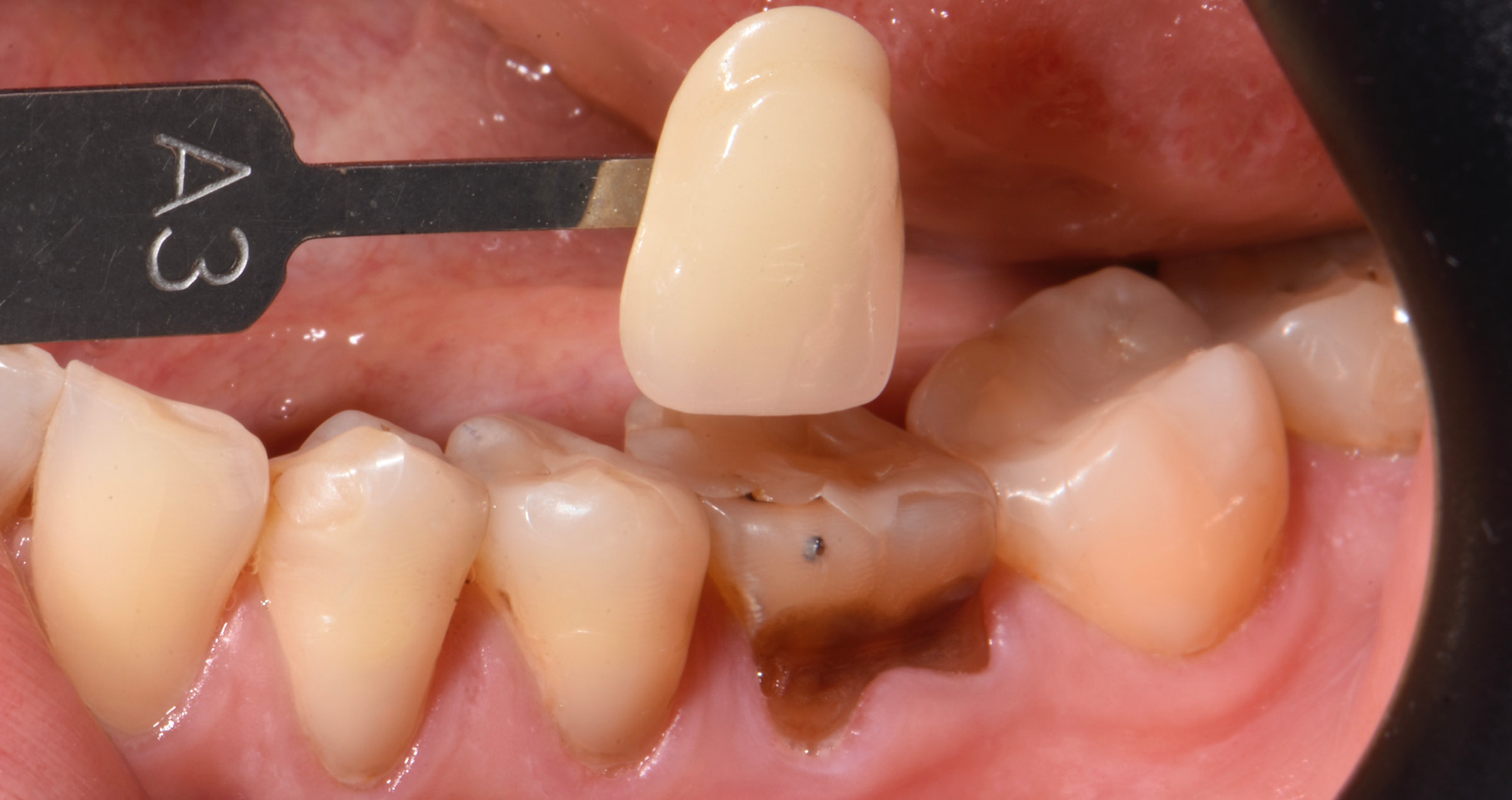
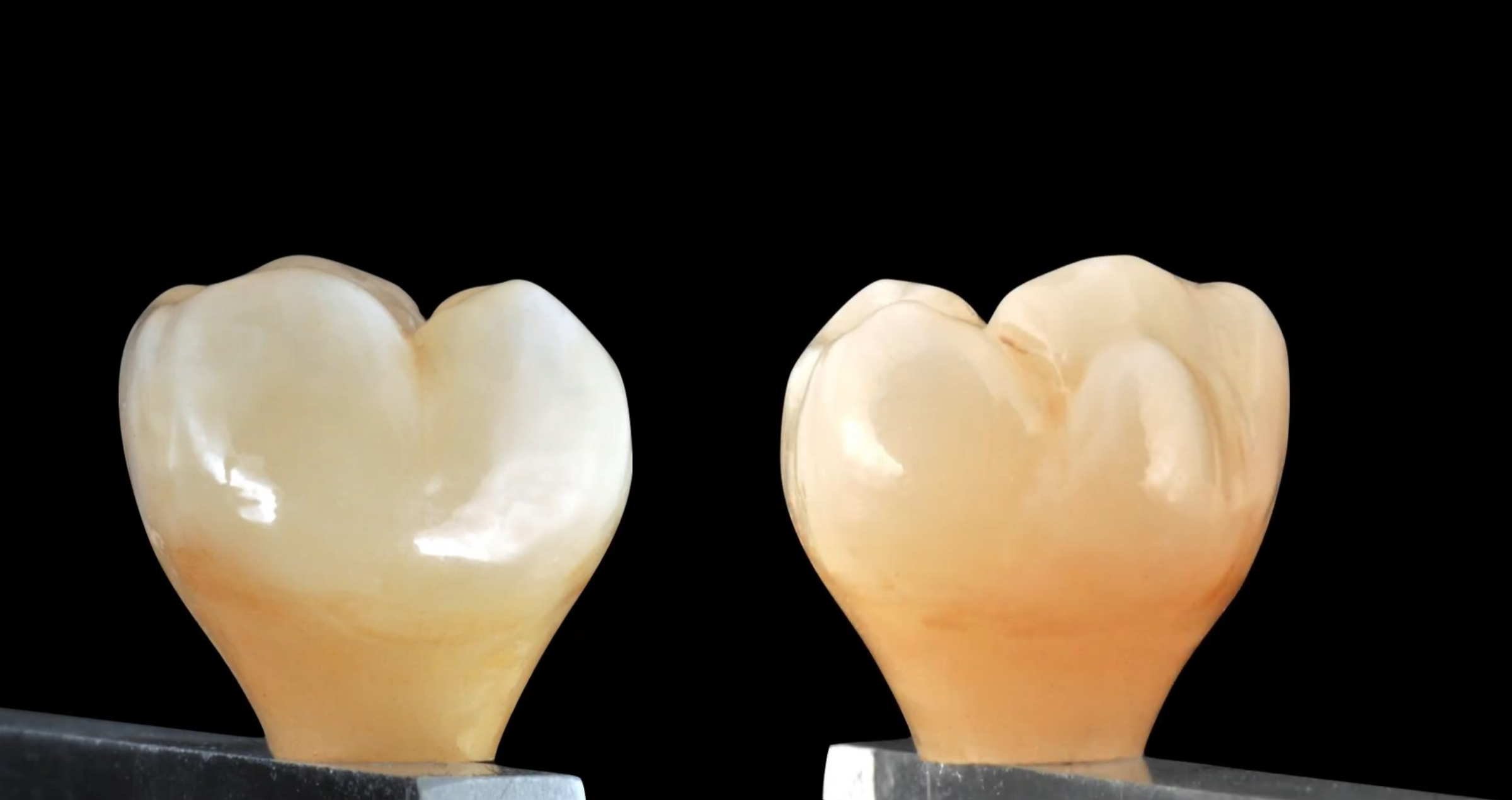
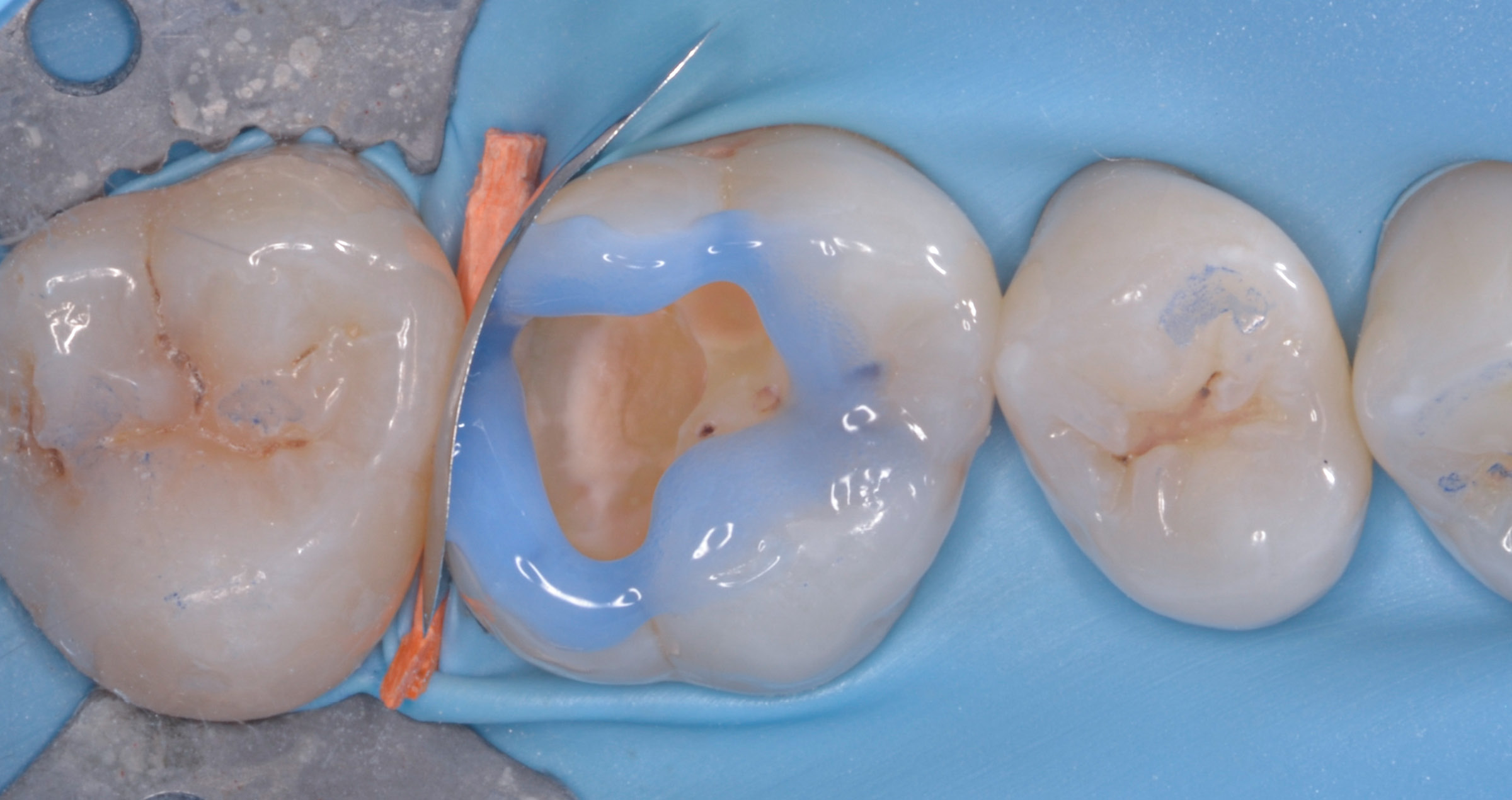
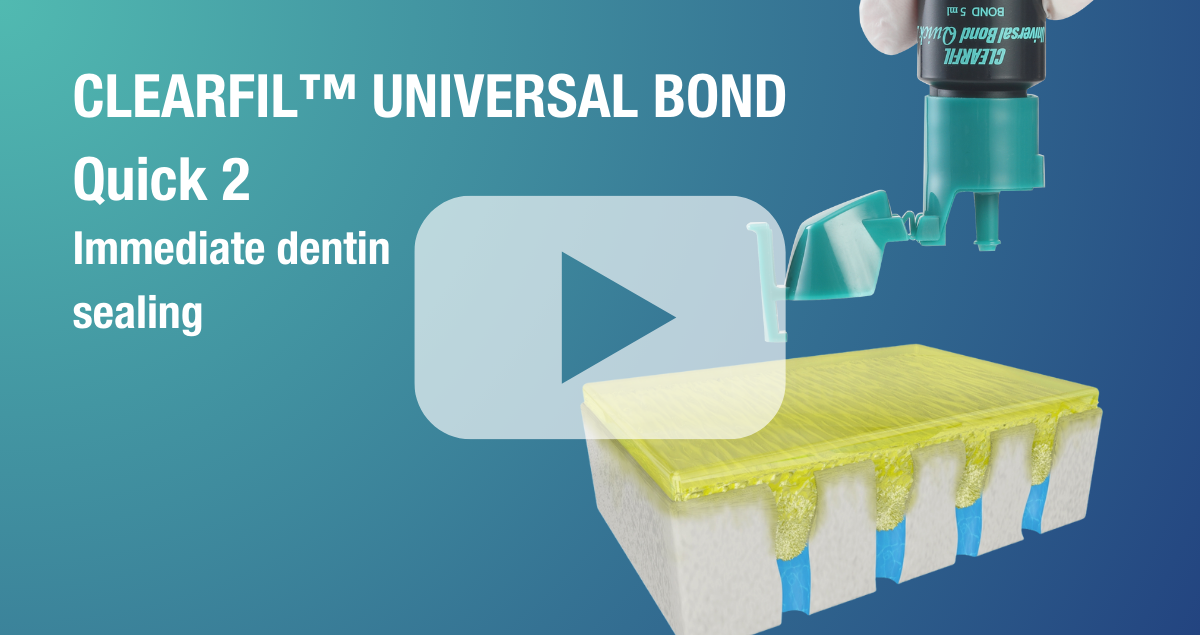
Vidéo du flux de travail d'une restauration directe avec le composite CLEARFIL MAJESTY ES-2 Universal et CLEARFIL Universal Bond Quick 2

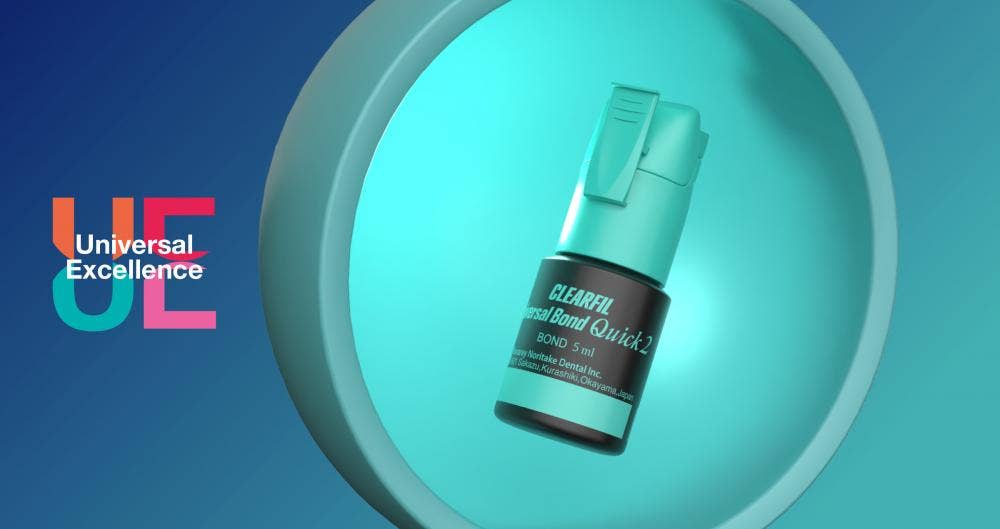
CLEARFIL™ Universal Bond Quick 2 est notre dernière avancée technologique en adhésion dentaire. Basé sur la performance fiable de son prédécesseur, cet adhésif de la prochaine génération incorpore une technologie novatrice qui apporte une multitude d'avantages remarquables. En combinant trois monomères clés dans notre propre technologie Advanced Rapid Bond, nous avons augmenté la fluidité et la force, mais aussi la résistance à la rétraction - tout en rendant le produit adapté à une conservation à température ambiante.


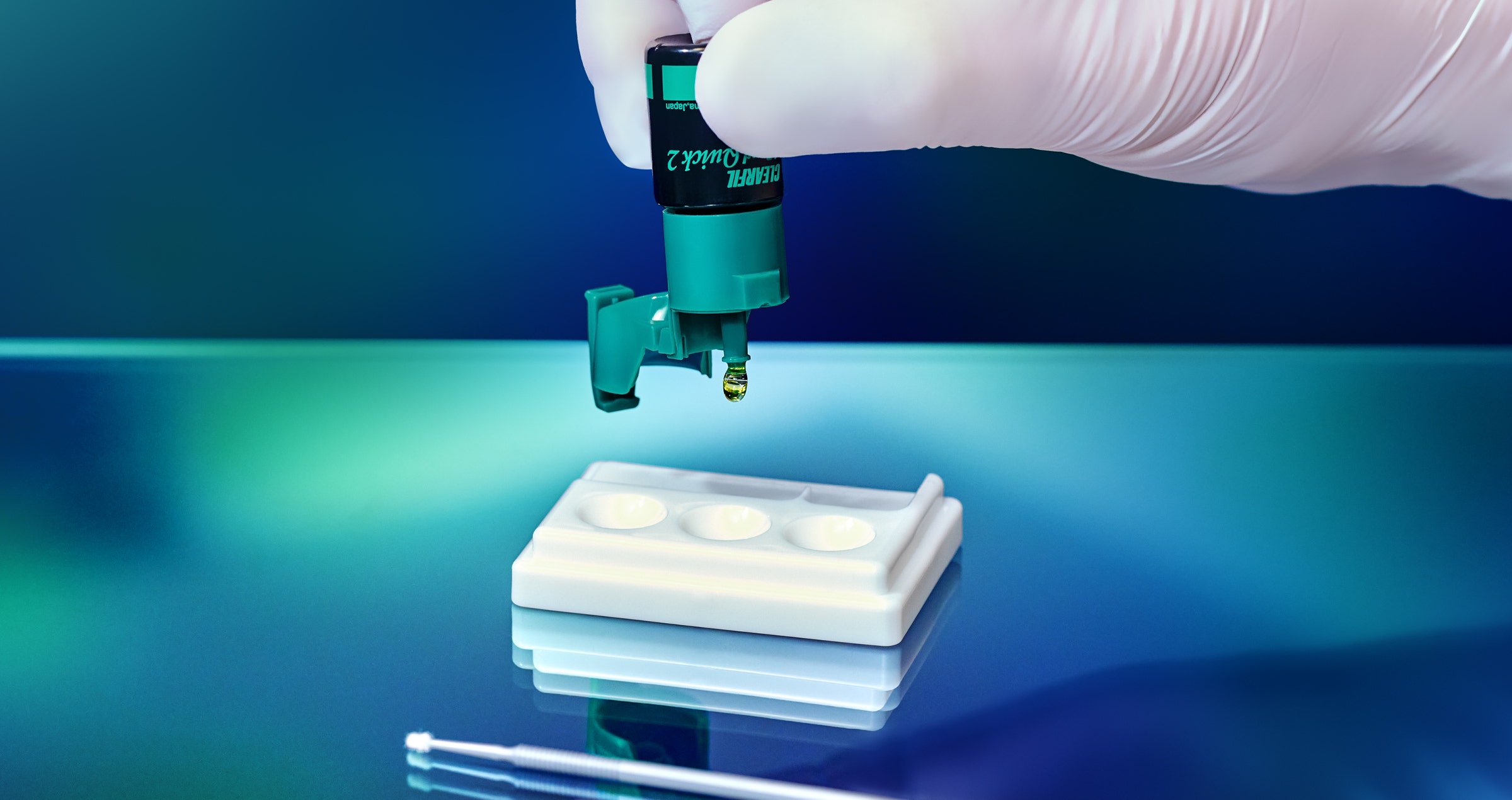
Un temps de travail idéal. Inutile de secouer le flacon, de frotter, d'attendre ni d'appliquer plusieurs couches. Il faut seulement appliquer, sécher et polymériser.


Ces améliorations s'inscrivent parfaitement dans la vision de Kuraray Noritake, celle d'un monde où vos matériaux et outils sont efficaces, faciles à utiliser et parfaitement coordonnés, où la complexité est réduite à un minimum et où vous disposez de suffisamment de temps pour vous concentrer sur ce qui compte le plus, à savoir les souhaits et besoins individuels de chacun de vos patients.


Pour y parvenir, nous nous attelons sans cesse depuis des décennies à rationaliser, améliorer et parfaire nos produits. Par une conception aboutie et la création de synergies entre différentes technologies, nous avons fait en sorte qu'ils se complètent et fonctionnent à l'unisson. Nous développons des solutions qui soutiennent les traitements doux, ciblés sur les défauts - gardant toujours à l'esprit que le bien-être de chaque patient est central dans les soins prodigués.


CLEARFIL™ Universal Bond Quick 2 est au cœur de la gamme Universal Excellence. En combinaison avec des produits Universal Excellence ou d'autres voire avec des ciments de résine des concurrents, il fournit d'excellents résultats.


Cette vidéo présente le flux de travail pour la restauration directe avec CLEARFIL MAJESTY ES-2 Universal et CLEARFIL Universal Bond Quick 2.


CLEARFIL MAJESTY ES-2 Universal a été développé pour s'affranchir de la sélection de teinte et améliorer l'efficacité clinique sans compromis en termes de résultats esthétiques. La gamme consiste en seulement trois teintes. La technologie de diffusion de la lumière améliorée permet au composite de se fondre naturellement dans la structure dentaire, ce qui réduit vos choix et augmente l'assurance d'un résultat réussi.


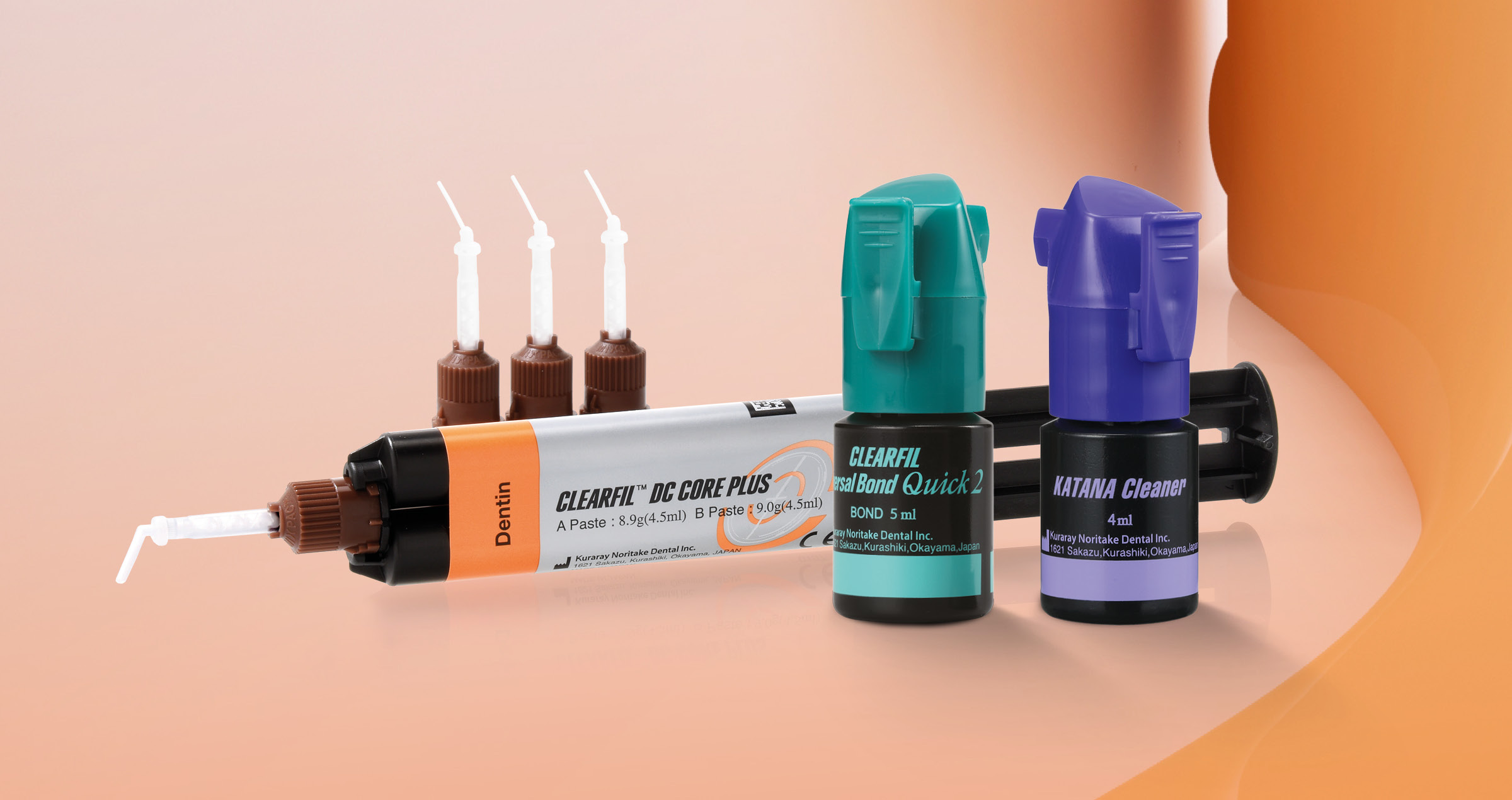
Vidéo du flux de travail Post-collage et faux-moignon avec CLEARFIL DC CORE PLUS et CLEARFIL™ Universal Bond Quick 2

CLEARFIL™ Universal Bond Quick 2 est notre dernière avancée technologique en adhésion dentaire. Basé sur la performance fiable de son prédécesseur, cet adhésif de la prochaine génération incorpore une technologie novatrice qui apporte une multitude d'avantages remarquables. En combinant trois monomères clés dans notre propre technologie Advanced Rapid Bond, nous avons augmenté la fluidité et la force, mais aussi la résistance à la rétraction - tout en rendant le produit adapté à une conservation à température ambiante.
 
Un temps de travail idéal. Inutile de secouer le flacon, de frotter, d'attendre ni d'appliquer plusieurs couches. Il faut seulement appliquer, sécher et polymériser.
 
Pour la reconstitution de moignons, il est essentiel de réduire le risque de contamination à l'aide d'une procédure brève et facile pour l'application. CLEARFIL™ DC CORE PLUS a été conçu pour des restaurations sans contraintes grâce à une procédure simplifiée et à une manipulation de la pâte optimale. À toutes les étapes d'application, du canal radiculaire au faux-moignon, vous pouvez facilement utiliser un seul embout de mélange - et ce grâce au temps de travail de 3 minutes.
 
Lorsque ces deux produits sont associés, CLEARFIL™ DC CORE PLUS polymérise même sans lumière grâce à l'accélérateur spécifique d'auto-polymérisation. Dans les zones où la photopolymérisation est impossible, la propriété d'autopolymérisation supplémentaire fournit des résultats supérieurs et fiables. Dans cette vidéo du flux de travail, nous parcourons avec vous les étapes du post-collage à toute la procédure pour faux-moignon.
 
Post cementation and core build-up workflow with CLEARFIL DC CORE PLUS and CLEARFIL Universal Bond Quick 2.

A new universal adhesive born in Japan

Interview with the team at Kuraray Noritake Dental Inc., who developed and brought to life this new universal adhesive.


Streamlining, enhancing and refining adhesive procedures – these are the aims of an 5-person team at Kuraray Noritake Dental Inc. in Japan. Recently, the team has developed a next-generation universal adhesive CLEARFIL™ Universal Bond Quick 2 that offers quick and easy application combined with an optimised bonding performance. To learn more about the goals and achievements of the development project, and the benefits of the product, we had a conversation with them.


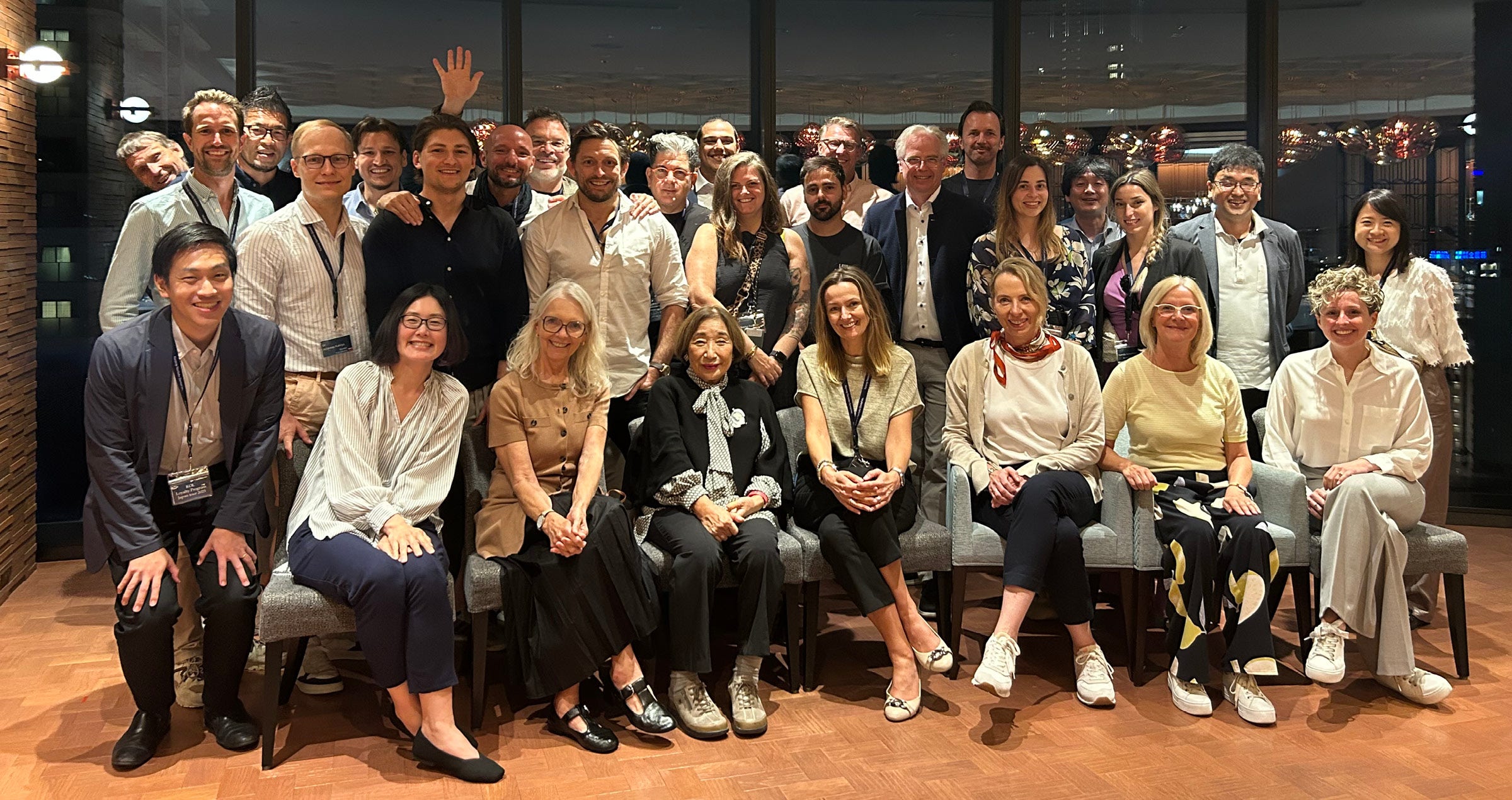
From left to right: Ryo Matsuura and Ryota Murayama (R&D Department), Kazutoshi Ikeda (Production Department), Marina Okada and Yamato Nojiri (Planning & Development Department).


Why did you decide to improve CLEARFIL™ Universal Bond Quick?

Universal adhesives like CLEARFIL™ Universal Bond Quick are very well received by dental practitioners all over the world mainly due to their versatility and procedural simplicity. In the clinical setting, however, we have identified room for improvement. For example, it can be difficult to establish thin, uniform and strong bonding layers with the currently available products. Water and solvents in universal adhesives often limit the formation of a strong bond layer. A thin bonding layer and the relatively thick oxygen inhibition layer make this type of bonding agent susceptible to degradation by water sorption from dentinal moisture. Highly viscous bonding agents also complicate the ease of application in small cavities and can easily lead to pooling of the adhesive in critical parts of the cavity. Adhesives with a relatively high viscosity may pool or accumulate along margins, and may form a layer that is too thick and may change the morphology of the abutment tooth, a critical factor potentially affecting the fit of an indirect restoration. Generally, bonding agents with a low film thickness and/or are low-filled or unfilled, in turn have a potentially negative effect on the strength of the bonding layer. At Kuraray Noritake Dental Inc., we wanted to address the aforementioned issues and have developed a universal adhesive that is easy to apply and facilitates the establishing of thin, uniform bonding layers exhibiting high strength.


What are the indications of CLEARFIL™ Universal Bond Quick 2?

The new universal adhesive is indicated for bonding procedures in the context of creating direct restorations with light-cured composite, sealing of a prepared cavity or abutment tooth as a pretreatment for indirect restorations, treatment of exposed root surfaces and hypersensitive teeth, and also the intraoral repair of fractured restorations. Furthermore, the product is a suitable adhesive in post-cementation and core build-up procedures as well as in adhesive cementing of indirect restorations. When used in the context of the cementing of indirect restorations, the bonding to tooth structure of PANAVIA™ SA Cement Universal and of other manufacturers’ self-adhesive resin cements improves, leading to higher bond strengths.


What are the corresponding general benefits of CLEARFIL™ Universal Bond Quick AND CLEARFIL™ Universal Bond Quick 2?

The general benefits of both products are that they may be used with any etching procedure, plus the fact that there is no need to wait for the adhesive to penetrate the tooth structure after application. In addition, both products contain the original MDP monomer and the amide monomer, responsible for the formation of a thin and strong surface coating. Both products exhibit low technique sensitivity and are suitable for a wide range of indications. Finally, the adhesive monomers and fluoride offer extra protection to the underlying dentin.


Monomer image from the brochure


You mentioned the original MDP monomer as one of the essential components of the new adhesive and its predecessor. Is there a difference between this original MDP monomer and other MDP monomers available on the market?

Our MDP monomer is the only MDP monomer that is manufactured using the originally developed synthesis and purification process. Research has shown that the way MDP is manufactured has indeed an impact on the performance of the monomer itself1. While impurities and dimers detected in MDP monomers synthesized elsewhere negatively affected the immediate and aged micro-tensile bond strength in the in-vitro study, our MDP monomer shows high purity and more favourable test results.


Most universal adhesives need to be rubbed into the tooth structure extensively for 10 to 20 seconds. What did you do to eliminate the waiting time independent of the etching procedure, which led to an ultra-quick application procedure?

It is the amide monomer which is mainly responsible for an improved penetration speed into the tooth structure. The hydrophilicity of this monomer is much higher than the hydrophilicity of the HEMA monomer that is typically used. This provides for a better penetration into the moist dentin. The amide monomer’s polymerisation characteristics are better, and, following polymerisation, leads to higher stability in a wet environment due to the formation of a highly cross-linked polymer network. In combination with MDP, an efficient long-term performance will likely be achieved. For optimal outcomes, the adhesive is simply rubbed into the tooth structure as described in the IFU: “Apply BOND with a rubbing motion to the entire cavity wall with the applicator brush. No waiting time is required.”


What are the additional benefits that CLEARFIL™ Universal Bond Quick 2 has to offer?

First of all, we improved the viscosity and film thickness by optimizing the manufacturing method. The thin adhesive layer prevents pooling in the cavity, around abutments and along margins, creating a uniform bonding layer. Simply put, the new adhesive is applied thinly and spreads evenly. At the same time, the product offers high mechanical strength and excellent resistance to water sorption. Its bond strength is high in all etching modes and the new formulation allows for the product to be stored at room temperature.


Please explain the clinical benefit of an improved mechanical strength.

The risk of decreasing the film thickness lies in a possible decrease in the strength of the bonding layer which can lead to reduced bond durability. By introducing a new multifunctional urethane methacrylate monomer, we have been able to increase the strength. The effective advantage of the new bonding agent is that it can easily be used in small, difficult-to-access cavities or in cavities with complex morphology. The result is a thin yet strong adhesive layer that also allows for easy placement of any type of restoration.


How did you manage to improve the storage conditions?

Component stability was not an issue with CLEARFIL™ Universal Bond Quick. However, for a stable viscosity, it needed low-temperature storage. By optimizing the manufacturing method and decreasing the viscosity of CLEARFIL™ Universal Bond Quick 2, storage at room temperature became possible.


Was it difficult to integrate the new components and keep the existing benefits? How did you manage?

Integrating new components and removing others always means that the whole formulation needs to be rebalanced properly. This was particularly challenging for the multifunctional urethane methacrylate monomer we wanted to add. It improves the strength and hardness of the universal adhesive, but may affect adhesion depending on the amount of the compound in the formulation. Consequently, we needed to carefully find optimal balance, which took some time and required thorough testing, but in the end, we succeeded.


At the moment, the immediate dentin sealing technique is popular in indirect restoration procedures. What makes CLEARFIL™ Universal Bond Quick 2 suited for this technique?

Immediate dentin sealing is indeed a popular and useful technique that can result in significantly increased retention, reduced marginal leakage, improved bond strength, and less postoperative sensitivity. Using CLEARFIL™ Universal Bond Quick 2 in this context is beneficial as the procedure is quick, the resulting bonding layer is thin and strong, and the dentin is effectively protected.


Why should a dental practitioner switch to CLEARFIL™ Universal Bond Quick 2?

For users of CLEARFIL™ Universal Bond Quick, switching to CLEARFIL™ Universal Bond Quick 2 is worthwhile, as it offers additional advantages and improved performance while retaining the benefits of its predecessor. For users of other universal adhesives, the major benefit lies in the shortened application time: CLEARFIL™ Universal Bond Quick 2 is the only universal adhesive that can achieve a high bond strength and a high-strength bonding layer without any waiting time. In addition, it is suitable for a wide range of indications including core build-up procedures and cementation.


Thank you very much for these insights!


References
1. Yoshihara K, Nagaoka N, Okihara T, Kuroboshi M, Hayakawa S, Maruo Y, Nishigawa G, De Munck J, Yoshida Y, Van Meerbeek B. Functional monomer impurity affects adhesive performance. Dent Mater. 2015 Dec;31(12):1493-501.


Practical chroma maps for anterior case

CERABIEN™ MiLai in Daily Use

A tooth with crack lines, a characteristic round shape, age-related changes, or medication-induced discoloration — there’s no one-size-fits-all solution when it comes to all-ceramic anterior restorations, even when the porcelain system and production technique are defined.


To support technicians who wish to simplify their layering workflow using the micro-layering technique and CERABIEN™ MiLai — whether just getting started or looking to refine their process — we’ve collaborated with DT Dumitru Leahu to create a Chroma Map Catalogue featuring seven typical anterior restoration scenarios.


Each case example includes a detailed screenshot of the framework design, chroma maps outlining the planned steps, images of internal staining and micro-layering procedures, and the final restoration on the model. You’ll also find essential information about the selected framework material, target shade, and other relevant details.


We invite you to use the CERABIEN™ MiLai Catalogue as a step-by-step guide to success or simply as inspiration for individual cases. It offers a fast track to understanding the material’s optical properties and will make planning your next micro-layering case more intuitive. No need to start from scratch — instead, adapt what’s already there and gradually develop your own maps and techniques.


Interested in the CERABIEN™ MiLai Chroma Map Catalogue?


Download it here!


Comment simplifier votre processus d’adhésion sans compromis à la qualité?

CLEARFIL™ Universal Bond Quick 2

En dentisterie moderne, l’efficacité et la fiabilité sont des éléments clés pour de nombreux cabinets. CLEARFIL™ Universal Bond Quick 2 offre une solution d’adhésion haute performance à faible effort qui donne des résultats exceptionnels. Grâce à sa technologie Advanced Rapid Bond, cet adhésif permet une application rapide et facile, supprime des étapes superflues et réduit la sensibilité technique.

Qu‘est-ce que CLEARFIL™ Universal Bond Quick 2?

CLEARFIL™ Universal Bond Quick 2 est un adhésif dentaire avancé, conçu pour rationnaliser les procédures restauratives. Compatible avec les techniques de mordançage de votre choix, il fournit une adhésion forte à l‘émail et la dentine, assurant une couche d‘adhésion solide et uniforme. Par sa polyvalence, il est adapté aux restaurations tant directes qu‘indirectes, ainsi qu‘aux procédures pour faux-moignons et réparations intra-orales.


Quand utiliser cette solution d‘adhésion?

CLEARFIL™ Universal Bond Quick 2 est idéal pour tout cabinet dentaire à la recherche d‘un adhésif fiable et facile à utiliser. Tant pour des restaurations directes de routine ou plusieurs procédures indirectes, cet adhésif apporte une performance constante et un flux de travail simplifié.

Quelles sont les indications de CLEARFIL™ Universal Bond Quick 2? 

Cet agent d‘adhésion est conçu pour une variété d‘applications cliniques: 

  • Restaurations directes avec une résine composite photopolymérisée
  • Scellement d‘une cavité ou dent pilier préparée en pré-traitement pour des restaurations indirectes 
  • Traitement de surfaces radiculaires exposées
  • Traitement de dents hypersensibles 
  • Réparations intraorales de restaurations fracturées
  • Post-collage et faux-moignons
  • Collage de restaurations indirectes


Pourquoi CLEARFIL™ Universal Bond Quick 2 est-il si performant? 

La clé de sa performance exceptionnelle réside dans sa technologie avancée d‘adhésion rapide (Advanced Rapid Bond Technology) qui consiste en trois ingrédients haute performance: 

  • Monomère MDP original: Inventé par KURARAY CO., LTD., ce monomère fournit une force d‘adhésion inégalée à l‘hydroxyapatite et une vaste gamme d‘autres matériaux, dont l‘oxyde de zirconium.  Il assure une excellente adhésion qui est stable dans le temps. 
  • Monomère d‘acide: Un monomère hautement hydrophile qui permet une pénétration rapide dans la structure dentaire, éliminant la nécessité d‘attente après l‘application. Pendant la polymérisation, il constitue un réseau hydrophobe réticulé stable pour une adhésion solide et durable.
  • Monomère uréthane tétra méthacrylate (utma): Ce monomère multifonctionnel améliore la solidité de la couche d‘adhésion elle-même pour une meilleure résistance aux forces de rétraction tout en maintenant une couche adhésive fine et uniforme. 


Ces monomères forment conjointement la base de CLEARFIL™ Universal Bond Quick 2, vous offrant un adhésif polyvalent, rapide et fiable pour tous vos besoins en restauration.


Pourquoi choisir CLEARFIL™ Universal Bond Quick 2? 

CLEARFIL™ Universal Bond Quick 2 améliore l‘efficacité sans sacrifier la qualité. Sa technologie « Advanced Rapid Bond Technology » combine les monomères MDP, d‘amide et UTMA (uréthane tétra méthacrylate) pour créer une couche d‘adhésion solide et uniforme. Cela permet un étalement égal et une force d‘adhésion supérieure tant à l‘émail qu‘à la dentine. La formule de faible viscosité constitue un film fin et régulier pour réduire le risque de regroupement et améliorer la prévisibilité. 


Quelques autres atouts: 

  • Application rapide et directe 
  • Force d‘adhésion toujours durable
  • Polyvalence adaptée à différentes techniques de restauration
  • Risque réduit de regroupement et contamination
  • Compatibilité avec les ciments de résine auto-adhésifs 
  • Conservation pratique à température ambiante


Comment appliquer CLEARFIL™ Universal Bond Quick 2? 

L‘application est simple et efficace, adaptée à divers scénarios cliniques. L‘adhésif peut être utilisé avec ce qui suit: 

  • Auto-mordançage pour une approche plus moderne, rapide et efficace 
  • Mordançage sélectif pour une force d‘adhésion supplémentaire à l‘émail 
  • Mordançage total pour une approche conventionnelle. Il est disponible sous forme de flacon et de doses unitaires, répondant ainsi à différents besoins et assurant une utilisation facile à la demande.

La solution d‘adhésion ultime: CLEARFIL™ Universal Bond Quick 2

En tant que dernière innovation dans l‘adhésion dentaire, CLEARFIL™ Universal Bond Quick 2 offre efficacité, fiabilité et polyvalence. En éliminant les temps d‘attente, le frottage intensif et le besoin d‘appliquer plusieurs couches, cet adhésif simplifie les procédures tout en créant des restaurations solides et durables. Avec son exceptionnelle performance et son f lux de travail simplifié, c‘est vraiment « l‘adhésif pour tout » pour les cabinets dentaires modernes.

Au cœur de la gamme Universal

Chez Kuraray Noritake Dental Inc., nous comprenons les besoins des cabinets dentaires modernes. Jongler entre des procédures complexes, des plannings serrés et les soins aux patients n‘est pas chose aisée. C‘est pourquoi nous avons consacré des années à parfaire nos matériaux, pour que vous puissiez vous concentrer sur ce qui compte le plus : vos patients. Nos produits universels simplifient vos flux de travail, avec des CLEARFIL MAJESTY™ ES-2 Universal matériaux et outils de haute qualité qui complètent parfaitement votre expertise. CLEARFIL™ Universal Bond Quick 2 relie littéralement plusieurs produits universels à base de résine de notre portefeuille. En outre, nul besoin d‘un activateur double-polymérisation séparé lorsqu‘on l‘utilise avec des colles auto-adhésives d‘autres fabricants.


Nature style: Observe. Understand. Copy.

Interview with Ghaith Alousi, DT


He inspires dental technicians with his passion and creativity as a course instructor, and with Nature Style, he has developed a well-conceived concept for the creation of lifelike anterior restorations. We are talking about Ghaith Alousi, a dental technician based in Wiesbaden, Germany. While course participants usually attend his training courses eager to learn from his experience and technical knowledge, they often return to their laboratories bursting with positive energy, truly inspired and deeply motivated to break new ground.


Ghaith Alousi, what is the dental technician’s primary mission?

In my eyes, dental technicians are not artists; rather, their primary mission is to replicate nature – both functionally and aesthetically. Every tooth, like every patient, is as unique as a fingerprint. To recreate a natural tooth as accurately as possible, we must listen, observe, and understand. To truly perceive the details that matter, however, we need to know where to focus our attention. In my opinion, the three golden keys to anterior aesthetics are paramount: balanced translucency and opacity, morphology, and surface texture.


What about colour?

While colour is undoubtedly a crucial aspect, I believe it is often overemphasized. Many dental technicians focused on aesthetic anterior restorations find themselves preoccupied solely with colour. However, natural teeth – the model we aim to replicate – embody far more than just a blend of hues.


First and foremost, we must understand how light interacts with teeth. They diffuse light in a unique manner, with different layers of enamel and dentin each possessing distinct optical properties. Additionally, the individual shape and surface texture of a tooth significantly affect the perceived attractiveness of a patient’s smile and overall facial appearance. Therefore, I have learned to prioritize these elements, observing nature closely and striving to comprehend what I see before embarking on the replication process.


Fig. 1. Light-optical properties of natural teeth imitated with KATANA™ Zirconia YML, Esthetic Colorant and CERABIEN™ ZR porcelain (Kuraray Noritake Dental Inc.).


Let’s take a brief look at each of the three golden keys, starting with the light-optical properties.

To truly grasp how light interacts with natural teeth, we must first examine their structure. Natural teeth consist of various layers, each displaying unique light-optical behaviours, with enamel and dentin being the most significant. Upon closely observing the dentin core of a tooth, we realize it is not only responsible for the tooth’s fundamental colour but also exhibits distinct opacity – it does not transmit light; instead, it reflects and absorbs it. In contrast, enamel presents a different scenario: its thickness varies with factors such as the patient’s age, but it is consistently highly translucent. This translucency allows a portion of light to pass through, with only a minimal amount reflected or absorbed.


Once we have a solid understanding of the natural light dynamics inherent in a patient’s teeth, the next step is to replicate these characteristics using selected materials. Thus, comprehending the light-optical properties of available materials, choosing them wisely, and applying them effectively are crucial milestones on the path to success.


What about morphology?

I firmly believe that mastering morphology – the replication of natural tooth shapes – can significantly impact a dental technician’s work. The growing popularity of carving workshops in Japan and other parts of the world reinforces this idea. Aspiring technicians avoid using standard dental libraries that produce generic smiles for their patients. Rather than traveling long distances to attend workshops and build our own mental library of tooth shapes, we can explore the intricacies of form and shape right in our dental laboratories through careful observation and consistent practice. Some technicians capture images of the teeth they encounter, while others concentrate on their own teeth or those of colleagues and patients. This approach allows for the replication of shapes using materials like wax or ceramics. By honing our observation and replication skills, we expand our personal knowledge base. This commitment to detail fosters true mastery – a continuous journey toward perfection.


Fig. 2. Example of a natural surface texture reproduced with CERABIEN™ MiLai and different diamond burs, stones and rubber polishers.


Is surface texture similarly important?

Absolutely. The surface texture of a restoration, even more than its hue, must precisely match that of surrounding or opposing teeth to achieve a natural appearance. To accomplish this, we must understand and replicate the intricate interplay of micro- and macrotextures that create a tooth’s natural look. Macrotexture encompasses the tooth’s overall surface characteristics, including varying concavities, convexities, line angles, and vertical V-shaped grooves. In contrast, microtexture focuses on finer details, such as growth lines (striae of Retzius), perikymata, small grooves, and the degree of surface gloss. A keen eye is essential to replicate every surface detail harmoniously so that light interacts optimally, creating reflections, shadows, and highlights exactly where they are needed.


Fig. 3. Large tooth created with CERABIEN™ ZR.


How do you practice?

To practice replicating surface texture and morphology, I typically start with enlarged model teeth, first using wax and later transitioning to my preferred dental materials and instruments. The increased size of the working base allows for easier detection, reproduction, and assessment of relevant morphology and surface details compared to original-sized tooth forms. This enlargement also facilitates the evaluation of light-optical properties. For the final assessment, I often apply silver or gold powder to the surface of the model tooth, which highlights even the finest surface nuances. This method makes it easy to identify areas that are well-executed and those that may need improvement.


Fig. 4. Gold powder applied to anterior restorations …


Once I achieve a high level of quality with the enlarged model teeth, I transfer the acquired skills to real-life applications by working with actual-sized teeth. This practice framework allows me to continuously enhance my basic skills. Moreover, each time I start working with a new instrument or material, this approach streamlines the initial learning curve, quickly elevating my performance to a high standard.


Fig. 5. … to evaluate their shape and surface texture.


What are your preferred material combinations for different indications / needs?

For cases with highest aesthetic demands, CERABIEN™ ZR (Kuraray Noritake Dental Inc.) is my favourite porcelain system. I This system can be utilized either as a standalone solution for producing veneers using the refractory die technique or in conjunction with a zirconia framework – typically crafted from KATANA™ Zirconia variants such as KATANA™ Zirconia UTML, STML, HTML Plus, or YML (also from Kuraray Noritake Dental Inc.) – in a full layering approach.


I frequently employ this combination to produce single crowns in the anterior region, selecting the framework material based on the colour of the underlying tooth structure and the appearance of adjacent teeth. An alternative approach is layering with CERABIEN™ MiLai, which consists of internal stains and porcelains compatible with zirconia and lithium disilicate. I prefer to combine this system with the previously mentioned zirconia variants or with lithium disilicate, predominantly using the porcelain to replicate enamel. Sometimes, I employ the system’s internal stains to enhance the result with natural colour effects.


Apart from observing closely, selecting appropriate materials and copying carefully, are there any additional factors decisive for great treatment outcomes from the technician’s point of view?

To my mind, there are two additional essential factors: Proper interaction and communication within the restorative team and personal interaction with the patient. Especially in the highest aesthetic demand cases, meeting a patient in person is very important. They are usually invited to visit the dental laboratory twice, prior to treatment planning and for try-in. Nothing can replace personal interaction with them and a genuine impression of the initial situation. After all, we need to give them a sense of security and build trust, while analysing their character, facial characteristics, skin colour and more allows us to produce perfectly matching restorations.


Fig. 6. Full layering approach with CERABIEN™ ZR on a KATANA™ Zirconia YML framework.


And the restorative team?

We share a common goal: to fulfil the desires of our patients. I firmly believe that achieving this requires a united effort from the entire team. Collaboration hinges on appreciative and open communication at all levels and demands absolute honesty. Furthermore, everyone involved must be committed to continuously developing their skills.


I hold high expectations not only for my own work but also for the contributions of each dentist in our team. After all, their work forms the foundation of what I do. For example, when a dentist invests in an intraoral scanner and starts providing digital records, it is my responsibility to verify whether the quality of those scans meets our high standards. If I notice that the quality could be improved, I approach the situation with respect, offering constructive feedback and guidance to help them deliver quality scans consistently. This is crucial, as high-quality scans are the prerequisite for creating outstanding restorations.


In my experience, most dental practitioners appreciate this kind of honest and supportive communication. It creates an environment where we can all grow and evolve together.


Do you have any additional comments?

Be authentic, strive for excellence, and approach each day as an exhilarating opportunity. Courage plays a vital role, too – the readiness to venture beyond your usual routines, such as experimenting with different shades to discover new possibilities, fosters growth. Even if the outcome does not meet your expectations, there is valuable insight to gain from the experience that can guide you in the future. To reach new horizons, be open to exploring uncharted paths.


Dentist:

GHAITH ALOUSI


Ghaith Alousi, born in 1994, successfully completed his training as a master dental technician in 2013 in Damascus, Syria, where he gained initial experience in a dental laboratory. From 2014 to 2016, he worked independently in Damascus, using his craftsmanship to produce ceramic work such as frameworks, veneers, crowns and bridges, and implant-based restorations. He also engaged in shade determination, photography, and CAD/CAM technology.


He came to Germany in 2016 and quickly felt at home. Through further education, he has continuously expanded his knowledge and skills and is currently working as a dental technician in Wiesbaden. To achieve the best possible results, Ghaith Alousi places great value on collaboration with dentists and personal contact with patients.


 

Join KIZUNA – Dental Symposium on the Symbiosis between Chairside and Labside

Seamless, streamlined cooperation between dentist and dental technician is a recipe for success. The KIZUNA Symposium (Japanese for “bond, connection between people”) explores precisely that. Here are five key reasons you shouldn’t miss it:


1  A UNIQUE EXPERIENCE

KIZUNA is more than an event – it is a philosophy of collaboration. It brings together dentists and dental technicians, creating a shared space for dialogue, learning, and inspiration. Different perspectives converge in one direction: effective and harmonious patient care. The symposium features joint sessions at the beginning and end of the day, with separate sessions for dentists and dental technicians in between.


2  EXCELLENT SPEAKERS

Moderated by the inspiring Dr. Agnieszka Pacyk, the symposium brings together 14 leading professionals from across Europe. Expect scientific excellence, state-of-the-art technologies, the power of AI, new approaches, and plenty of practical tips and tricks. Learn from the very best – for example, MDT Nondas Vlachopoulos and MDT Antonio Corradini, who will conclude the day with a two-hour lecture on excellence in dentistry through outstanding cooperation.


3  NEXT-LEVEL NETWORKING

On the evening before the KIZUNA Symposium, a unique social gathering will set the tone for the day ahead. Guests will enjoy an exclusive dinner featuring authentic Japanese cuisine, blending refined flavours with artistry and elegance. This special evening will not only delight your senses, but also create the perfect atmosphere for networking and informal conversations with colleagues, lecturers, and fellow participants from across Europe. To make the night even more memorable, special attractions inspired by Japanese culture will be offered.


4  SUPERB VENUE AND ACCOMMODATION POSSIBILITIES

The ICE Kraków Congress Centre is a modern and prestigious venue that will become the heart of the KIZUNA symposium. Located in the very center of Kraków, will provide an inspiring setting for dialogue, innovation, and the exchange of expertise, blending Japanese precision with European openness. Near the ICE, you’ll find a wide selection of hotels within walking distance, offering both convenience and comfort throughout your stay. These hotels are not only ideally located for the event, but also nestled close to Kraków’s historic landmarks, allowing you to experience the city’s charm.


5 BEAUTIFUL KRAKÓW

Discover Kraków, a UNESCO World Heritage gem. The city is rich in history and charm – from the iconic Wawel Castle to the vibrant Cloth Hall in the Main Market Square. Stroll through historic districts like Kazimierz and Podgórze, relax in the greenery of Planty Park, and uncover hidden treasures throughout the city. Whether tasting traditional pierogi or admiring Gothic architecture, Kraków offers countless unforgettable experiences.


For more information click here.


See you in Kraków!


Fire it right!

Achieving consistent, high-quality ceramic restorations requires more than just premium materials — it demands a deep understanding of your tools and processes. The CERABIEN™ MiLai Firing Guide is designed to help dental technicians unlock the full potential of this advanced micro-layering porcelain system. With tips on optimal furnace positioning, trial baking, and troubleshooting, this guide supports efficient, aesthetic results every time. Whether you're new to CERABIEN™ MiLai or looking to refine your firing process, this resource lays the groundwork for success.


Great aesthetics, excellent handling

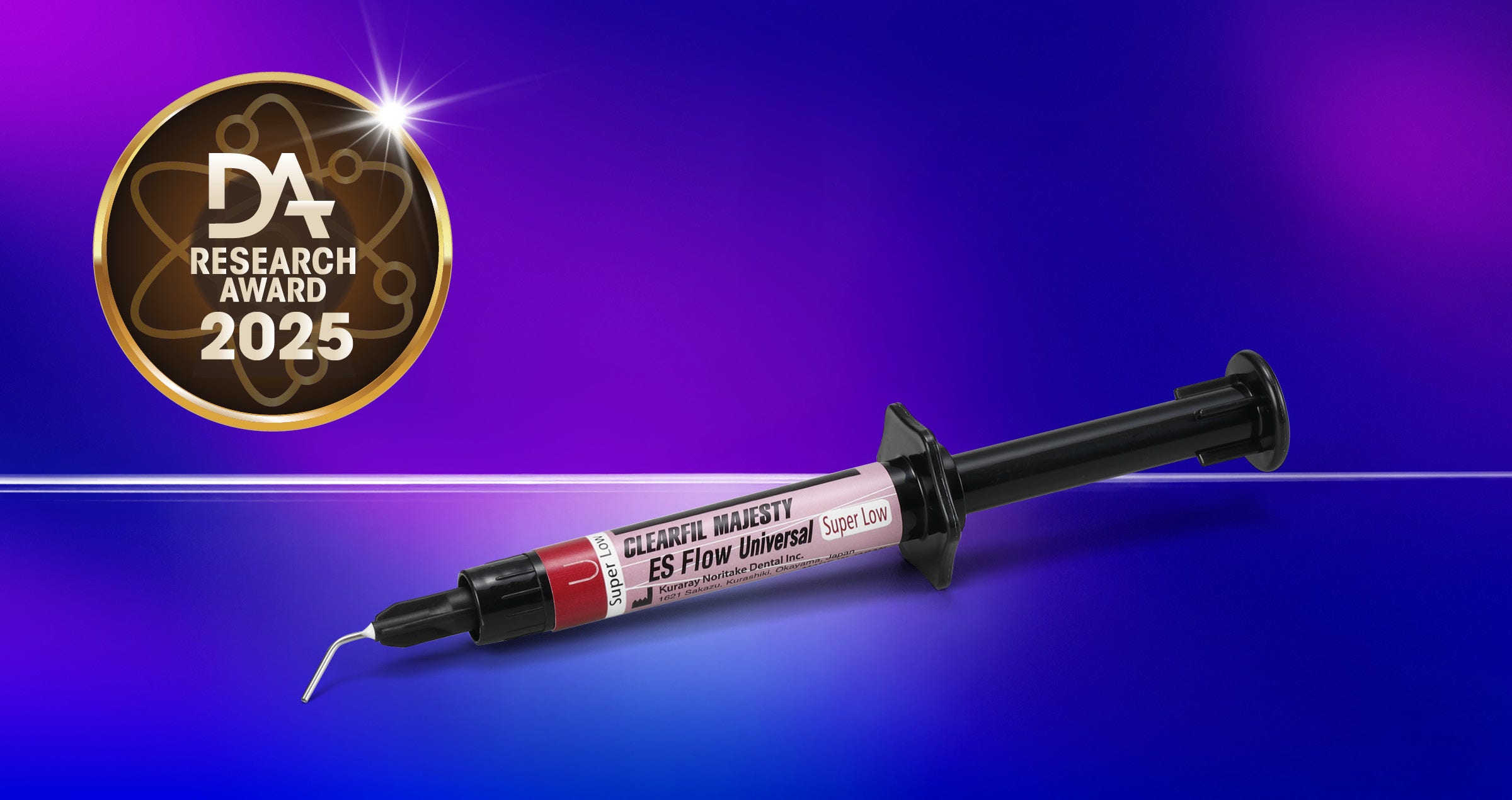
CLEARFIL MAJESTY™ ES Flow (Low) WINS AWARD FOR THE TENTH TIME

Again, CLEARFIL MAJESTY™ ES Flow (Low) has been named a Top Product by Dental Advisor in 2025. This recognition was announced in the January/February 2025 issue of the publication, which highlights dental materials and equipment that deliver top-notch, practice-based performance. The medium viscosity version—Low of CLEARFIL MAJESTY™ ES Flow—was honored as the Top Product in the category Direct Restoratives – Composite: Highly-Filled Flowable. In Europe, the material is available in three distinct flowability levels.


PROPERTIES IN A NUTSHELL

Rather than restricting practitioners to a single viscosity that may not suit all flowable composite needs, CLEARFIL MAJESTY™ ES Flow offers a range of options. The product includes one version firm enough to stay in place when applied, another malleable enough to be shaped, and a third, more fluid, designed to flow into every corner and undercut. This variety allows clinicians to choose the best option for each procedure—opting for the high flowability variant for cavity linings and resin coatings in immediate dentin sealing (IDS), or the super-low flowability version for direct veneers and cusp build-ups.

In addition to its handling advantages, this universal flowable composite incorporates Kuraray Noritake Dental Inc.’s Light Diffusion Technology. It boasts exceptional aesthetic properties, enabling the creation of lifelike restorations that seamlessly blend with the surrounding tooth structure.


100 PERCENT RECOMMENDATION RATE

CLEARFIL MAJESTY™ ES Flow (Low), the medium flowability variant, was tested by 29 Dental Advisor consultants in 909 clinical uses. Evaluations focused on key properties such as placement/handling, aesthetics, viscosity, and polishability, with all features receiving an "excellent" rating. As a result, the product earned a 100 percent recommendation rate and a 98 percent overall clinical rating.


GREAT FEEDBACK

Evaluators shared the following comments:

  • The material blended so well with the tooth structure that you had to really look to find the interface.”
  • “Syringe design prevents oozing from the tip.”
  • “One of the best flowable composites I have used.”
  • “My go-to flowable composite. Looks beautiful in any clinical case, any class, anywhere.”


ABOUT DENTAL ADVISOR

The Top Product and Preferred Product Awards from Dental Advisor, a US-based organization, were initiated to help busy practitioners navigate the variety of new dental solutions available, particularly for less invasive techniques and standardized procedures. These awards aim to identify products that improve outcomes consistently. Dental Advisor conducts clinical evaluations and product performance tests shortly after a product’s launch and publishes annual results online to help practitioners identify high-quality dental materials suited to their specific needs.


For more information, visit Dental Advisor at: www.dentaladvisor.com


A Fresh Look at the Future of Ceramics

Recently we introduced CERABIEN™ MiLai - a brand-new line of porcelains and internal stains specially developed for micro-layering on zirconia and lithium disilicate.


In this special edition of BOND magazine, we're excited to share the very first clinical cases using this innovative system. From beautifully natural veneers to streamlined lab workflows, these real-world examples show just what’s possible with CERABIEN™ MiLai.


If you’re curious about what the future of aesthetic dentistry looks like, this is the place to start!


Start Reading: BOND | VOLUME 12 | 07/2025


Previous versions:

BOND | VOLUME 11 | 07/2024

BOND | VOLUME 10 | 10/2023

BOND | VOLUME 9 | 08/2022

BOND | VOLUME 8 | 12/2021

BOND | VOLUME 7 | 10/2020