
Zirconiu Dentar: de ce contează alegerea zirconiului dentar.

Zirconiul dentar de calitate superioară este crucial în tratamentele protetice pentru a asigura satisfacția pacientului și succesul pe termen lung. Utilizarea zirconiului de calitate superioară ajută la obținerea restaurărilor perfect adaptate, care sunt atât plăcute din punct de vedere estetic, cât și durabile, reducând la minim nevoia de refaceri și de controale suplimentare. Însă, zirconiul de calitate scăzută poate duce la diverse probleme, cum ar fi proprietăți optice slabe, adaptare necorespunzătoare și biocompatibilitate inferioară, care pot trece nedetectate până când cauzează probleme precum recesiunea gingivală sau eșecul timpuriu al restaurării. Prin urmare, selectarea zirconiului de calitate superioară cu compoziția potrivită, urmată de procesarea corectă, este esențială pentru rezultate optime în restaurările dentare.

DEZVOLTAREA ZIRCONIULUI DENTAR
La sfârșitul anilor 1990, prima copie de zirconiu fabricat prin CAD/CAM a fost lansat ca o alternativă la substructura metalică inestetică, oferind o structură puternică și mai estetică pentru restaurările din ceramică. Dezvoltări mai recente în domeniul oxidului de zirconiu au condus la o trecere de la sinterizare la utilizarea monolitică. Acest lucru a depășit în mare măsură complicațiile mecanice, cum ar fi ciobirea și delaminarea, evitând în același timp necesitatea preparării masive a structurii dentare. Ducând la restaurări protetice care păstrează cât mai mult posibil din structură.

Zirconiu dentar a fost fabricat în mod tradițional în principal din cristale tetragonale de zirconiu cu o proporție minoră de aproximativ 3% mol stabilizator de ytriu (3Y-TZP); acest tip este extrem de puternic, dar are o transluciditate scăzută(1). Prin creșterea cantității de ytriu adăugată la zirconiu la aproximativ 5% mol, transluciditatea este îmbunătățită semnificativ datorită prezenței unei cantități mai mari de cristale de zirconiu în formă cubică. Acest material de zirconiu este adesea denumit zirconiu parțial stabilizat-5Y (5Y-PSZ). Totuși, această creștere a translucidității vine cu prețul unei scăderi a rezistenței mecanice(2). Introducerea zirconiei multistrat de către Kuraray Noritake Dental Inc. a marcat un progres semnificativ în tehnologia zirconiului, deschizând calea pentru restaurări monolitice extrem de estetice.


Dezvoltarea unui zirconiu mai estetic a dus la o scădere abruptă a utilizării metalo-ceramicii în favoarea ceramicii. Cu toate acestea, există încă îngrijorări cu privire la calitatea lucrărilor din oxid de zirconiu. Nu numai în ceea ce privește adeziunea, ci și în ceea ce privește adaptarea și procesarea. Mai multe rapoarte clinice arată rezultate cu rate de succes crescute de până la 97% pe o perioadă mai mare de 15 ani(2). Cu toate acestea, există și rapoarte care arată eșecuri catastrofale ale restaurărilor dentare din zirconiu. Să analizăm o cauză principală foarte importantă a acestor eșecuri: procedura de procesare.

Deși toate discurile de zirconiu pot arăta similar, calitatea și proprietățile pot diferi foarte mult, deoarece sunt afectate de:

  • Calitatea materiilor prime,
  • Prelucrarea materiilor prime,
  • Presarea discurilor,
  • Presinterizarea.

Prezentare generală a problemelor potenţiale și a consecințelor clinice pentru pacienți.

Problemă potențială a zirconiului de calitate inferioară

Potenţiale consecinţe clinice pentru pacienţi
Biocompatibilitate limitată Recesiune/inflamație gingivală
Neomogenități în structura materialului Adaptare necorespunzătoare a restaurării
Fisuri la suprafaţă
Probleme estetice (transluciditate, culoare) > refaceri
Calitate inferioară a suprafeței: suprafață poroasă Acumulare crescută de placă > probleme parodontale, carii
Calitate inferioară a suprafeței: textură a suprafeței mai rugoasă Mai greu de finisat și lustruit > uzură ridicată a antagoniștilor
Stabilitate redusă a muchiilor Fisuri și fracturi marginale > reparare sau înlocuire timpurie
Rezistență scăzută la încovoiere Longevitate scăzută > înlocuire timpurie
Rezistență limitată la fractură Fracturi/longevitate limitată > înlocuire timpurie

CAUZE PRINCIPALE ALE DEFECTELOR ZIRCONIULUI

Defectele restaurărilor din zirconiu pot fi adesea atribuite procedurilor de procesare utilizate înainte ca materialele să ajungă în clinicile stomatologice. Majoritatea producătorilor își procură pulberea de zirconiu de la furnizori terți, oferindu-le un control limitat asupra calității materialului pe care îl primesc. Producătorii de discuri de zirconiu pentru frezare presează de obicei pulberile brute în discuri cu diametrul de aproximativ 100 mm, care sunt apoi pre-sinterizate pentru a adăuga stabilitate mecanică. Formulele exacte ale acestor discuri sunt adesea brevetate și nu sunt dezvăluite. Variațiile din timpul procesului de presare a discului pot introduce goluri de aer și impurități, având un impact negativ asupra calității restaurărilor finale(2).


Laboratoarele dentare prelucrează în continuare aceste discuri prin frezarea lor în forme finale pe baza profilelor 3D furnizate și apoi le sinterizează la temperaturi de peste 1.400°C pentru a obține faza finală dorită. Fiecare restaurare este proiectată cu un factor de mărire pentru a ține cont de contracția din timpul sinterizării. Cu toate acestea, procedurile detaliate de procesare, cum ar fi frezarea și finisarea, sunt adesea indisponibile. Drept urmare, compoziția chimică exactă, microstructura și procesarea materialelor din zirconiu pentru aplicații dentare variază semnificativ în funcție de producător și laboratorul implicat. Aceste variații fac ca realizarea restaurărilor din zirconiu să fie un proces complex și adesea imprevizibil.

Kuraray Noritake Dental Inc. este unul dintre puținii producători care gestionează întregul proces de producție al zirconiului dentar, inclusiv procesarea materiilor prime, intern. Acest control complet ne permite să asigurăm o calitate excepțională a produsului pentru toate materialele. Un principiu fundamental al Kuraray Noritake este integrarea perfectă a performanței calității și ușurinței în utilizare, susținută de un angajament puternic de a furniza materialele potrivite și asistența necesară. În calitate de producător de KATANA™ Zirconia, supravegherea meticuloasă a Kuraray Noritake în fiecare etapă a producției garantează o calitate constantă, permițându-ne să susținem cu încredere excelența produselor noastre.

PRODUCȚIA KATANA™

Oate produsele noastre din zirconiu își încep călătoria către laboratorul dentar din fabrica noastră japoneză, unde minereul brut de zirconiu este procesat într-o pulbere brută de calitate superioară. Mai multe tratamente delicate sunt efectuate ca etape ulterioare, inclusiv adăugarea mai multor componente esențiale fin reglate, cum ar fi stabilizatori și lianți. Kuraray Noritake Dental Inc. beneficiază de producția internă a materiilor prime necesare pentru zirconiul dentar. Aceasta oferă baza perfectă pe care se poate utiliza tehnologia noastră multistrat și se pot adăuga orice alte elemente necesare pentru a crea o calitate superioară și puritate a formulării, precum și o aliniere precisă a proprietăților dorite.

De la pulbere la presarea discului, Kuraray Noritake Dental Inc. folosește un proces de presare unic și extrem de meticulos, care asigură distribuții de presare absolut uniforme. Fiecare detaliu este calculat, gestionat și controlat cu atenție. Această fază a procesului durează câteva zile, subliniind obiectivul nostru de a obține cel mai estetic produs. Rezultatele sunt proprietăți optice şi mecanice uniforme, stabilitate remarcabilă a marginilor, calitate ridicată a suprafeței și o deformare foarte controlată la sinterizare. Prin eliminarea variabilelor pentru laboratorul dentar, KATANA™ Zirconia oferă un material fiabil care vă va oferi același rezultat, de fiecare dată.

În etapa finală de producție, pe măsură ce produsele noastre KATANA™ Zirconia sunt pregătite pentru ambalare, fiecare disc este supus unui control manual, meticulos al calității. Această ultimă inspecție asigură că fiecare disc KATANA™ Zirconia îndeplinește cele mai înalte standarde de excelență pe care le promitem. Acordând fiecărui disc această atenție personală, garantăm că performanţa şi calitatea produselor noastre depășesc în mod constant așteptările, reflectând angajamentul nostru față de perfecțiune în fiecare detaliu.

Fabricile de ultimă generație ale Kuraray Noritake Dental Inc. ne permit să creăm produse pre-sinterizate extrem de stabile, cu rigiditatea potrivită pentru a rezista la toate tipurile de frezare. Această stabilitate face din KATANA™ Zirconia un produs care poate fi utilizat complet, fără a se sparge - chiar şi în situațiile în care o mare parte a discului a fost deja frezată. Ceva ce se întâmplă frecvent la produsele de calitate inferioară, care sunt mai puțin rezistente. Această calitate extrem de stabilă face posibilă, de asemenea, scurtarea timpului de sinterizare a discurilor KATANA™ Zirconia până la 54 de minute pentru restaurări unitare și punți cu până la trei elemente.

GRADIENT NATURAL DE CULOARE

Pentru rezultate realiste Kuraray Noritake este conștient de importanța variabilităţii nuanţelor și translucenţei în dinţii naturali. Scopul nostru a fost să imităm acest efect chiar și fără folosirea stratificării ceramicii. În zonele în care este vizibilă dentina, un dinte este foarte cromatic și destul de opac. În schimb, acele părți, ale unui dinte, compuse în principal din smalț - cum ar fi marginea incizală - sunt foarte translucide și au o cromă scăzută. Tehnologia noastră patentată KATANA™ Zirconia multistrat a fost dezvoltată pentru a imita cu precizie acest gradient de nuanţă și transluciditate și prezintă o tranziție practic perfectă între straturi, rezultând un aspect asemănător dintelui, fără a fi nevoie de stratificarea ceramicii. Cele patru tipuri de KATANA™ Zirconia multistrat (UTML, STML, YML* și HTML PLUS) au o structură gradată a culorii în patru straturi. Rezultatul optic este evident imediat după sinterizare.

CEA MAI RECENTĂ INOVAŢIE ÎN ZIRCONIU

Angajamentul nostru față de performanța calităţii și ușurința în utilizare se află în centrul a tot ceea ce facem. În conformitate cu aceste valori fundamentale, am împins limitele tehnologiei zirconiului dentar cu cea mai recentă inovație a noastră: KATANA™ Zirconia YML pentru o estetică impecabilă combinată cu o rezistență crescută. În acest design revoluționar, am dezvoltat un zirconiu multistrat cu rezistență suplimentară la încovoiere și o tranziţie lină a translucidităţii: KATANA™ Zirconia YML.

În plus, toate discurile KATANA™ Zirconia YML sunt proiectate folosind rapoarte mai degrabă decât măsurători fixe ale diferitelor straturi din structura multistrat, ceea ce înseamnă că, indiferent de grosimea discului, există întotdeauna un raport consistent de 35% din materia primă care constituie zona smalțului translucid. Prin urmare, discurile cu o înălțime crescută, care sunt de obicei utilizate pentru a produce restaurări mai mari, vor oferi întotdeauna spațiu suficient în zona smalțului, în timp ce discurile mai mici sunt optimizate pentru restaurări mai mici.

ALEGERILE DE DESIGN FĂCUTE PENTRU KATANA™ ZIRCONIA YML SPORESC CONSIDERABIL AVANTAJELE PENTRU TEHNICIAN

  • Designul raportului oferă flexibilitate de design datorită stratificării strategice.
  • Reflexia precisă a culorii și a translucidității reduce necesitatea unor finisări extinse.
  • CTE stabil pe întregul disc, permițând producerea de restaurări de arcadă completă, cu precizie crescută.
  • Uniform, fără goluri și stabil nesinterizat pentru o flexibilitate mai mare de poziţionare, deci un randament mai mare.
  • Duritate relativ ridicată a zirconiului nesinterizat, pentru modificare ușoară în starea verde și reglare fină, fără riscul de fractură sau ciobire.
  • Duritatea permite, de asemenea, frezarea restaurărilor mai subțiri, inclusiv a marginilor ascuțite, îmbunătățind astfel adaptarea marginală.
  • Partea unei proteze din stratul corpului din KATANA™ Zirconia YML poate fi mai fin ajustată decât cea a altor zirconii cu transluciditate crescută, rezultând o transluciditate mai mare în partea corpului.

STABILITATE MARGINALĂ ȘI PRECIZIE ÎMBUNĂTĂȚITĂ A ADAPTĂRII

KATANA™ Zirconia YML prezintă margini clare și mai puține neregularităţi, ceea ce duce la o adaptare marginală mai bună. Restaurările mai subțiri arată că acest rezultat bun al marginii netede susține utilizarea KATANA™ Zirconia YML.

Chiar dacă marginile restaurării au fost frezate cu un profil foarte subțire, acestea prezintă în continuare margini netede, fără neregularităţi.

TOT CE ARE NEVOIE LABORATORUL

Kuraray Noritake oferă patru tipuri diferite de zirconiu dentar multistrat pentru a acoperi fiecare indicație, precum și o opțiune HT cu un singur strat pentru a produce structuri și punți cu mai multe elemente. În tabelul de mai jos puteți vedea gama de aplicații recomandate pentru toate discurile KATANA™ Zirconiu Multi-layer.

CONCLUZIE

Alegerea zirconiului dentar are un impact semnificativ asupra succesului restaurărilor dentare, transpunându-se direct în practica zilnică pentru tehnicianul de laborator. Zirconiul de înaltă calitate, cum ar fi cel produs de Kuraray Noritake Dental Inc., asigură mai puține crăpături și ciobiri în timpul procesului de fabricație, reducând probabilitatea unor refaceri costisitoare din cauza abaterilor de adaptare sau de culoare. Calitatea superioară a pulberii de zirconiu, precum cea din KATANA™
Zirconia, permite sinterizarea rapidă, accelerând producția fără a compromite integritatea restaurărilor. În plus, modelele avansate de zirconiu multistrat, precum cele ale Kuraray Noritake, reduc necesitatea stratificării extinse a ceramicii pentru a obține rezultate estetice, simplificând procesul și sporind eficiența.


Controlul strict al calității Kuraray Noritake, cu producția sa internă completă, garantează produse din zirconiu consistente și fiabile. KATANA™ Zirconia YML, universală, concepută folosind rapoarte precise în loc de măsurători fixe, oferă o flexibilitate mai mare în design și poziționare, asigurând o calitate consistentă pentru diferite dimensiuni de restaurare. Prin selectarea
zirconiului de calitate superioară cu un control meticulos al calității, laboratoarele dentare pot obține rezultate optime atât în ​​ceea ce privește performanța, cât și estetica, beneficiind în cele din urmă atât tehnicienii și medicii, cât și pacienții.

Doriți să aflați mai multe despre cum vă poate ajuta KATANA™ Zirconia?

Contactați specialistul local.


REFERENCE

1. Yarahmadi M., Roa J.J., Zhang J., Cabezas L., Ortiz-Membrado L., Llanes L., Fargas G.; Micromechanical properties of Yttria-doped zirconia ceramics. Journal of the European Ceramic Society, Volume 43, Issue 7, July 2023, Pages 2884-2893.
2. Liao, Y., PhDa, Gruber, M. BSEa ; Lukic H., BSEa; McLees J., CDTb ; Chen S., PhDc ; Boghosian A., DDSd ; Megremis S., MS, PhDa; Survey of the mechanical and physical behaviors of yttria-stabilized zirconia from multiple dental laboratories. Journal Reprint Line (2023) 2, 100018

Effectiveness of temporary cement removal

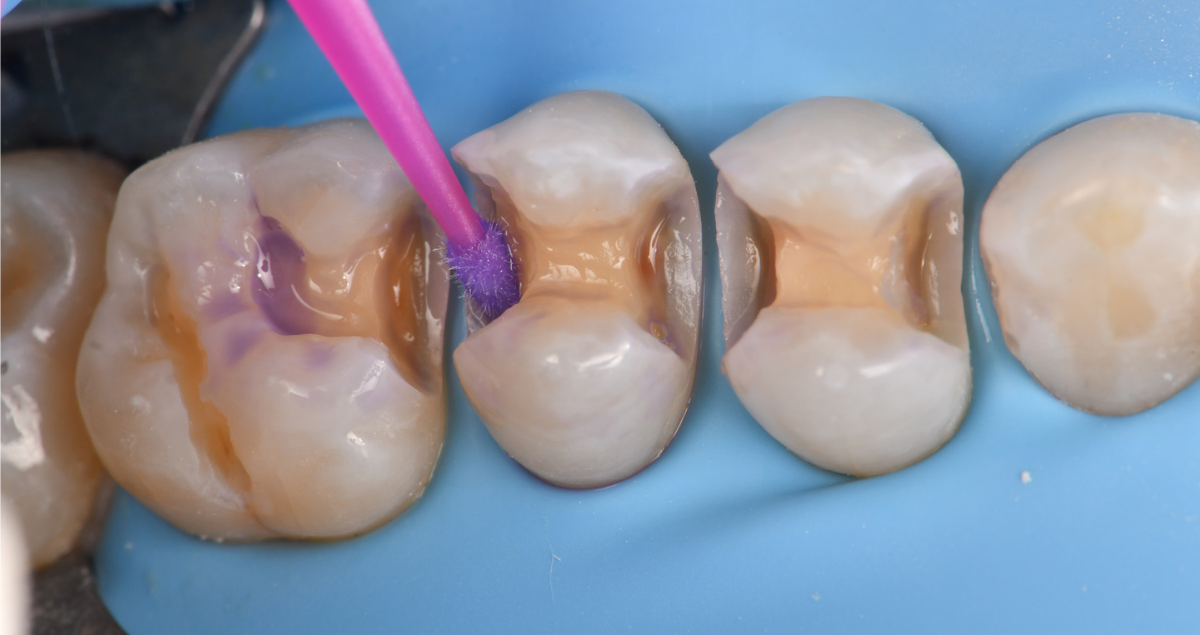
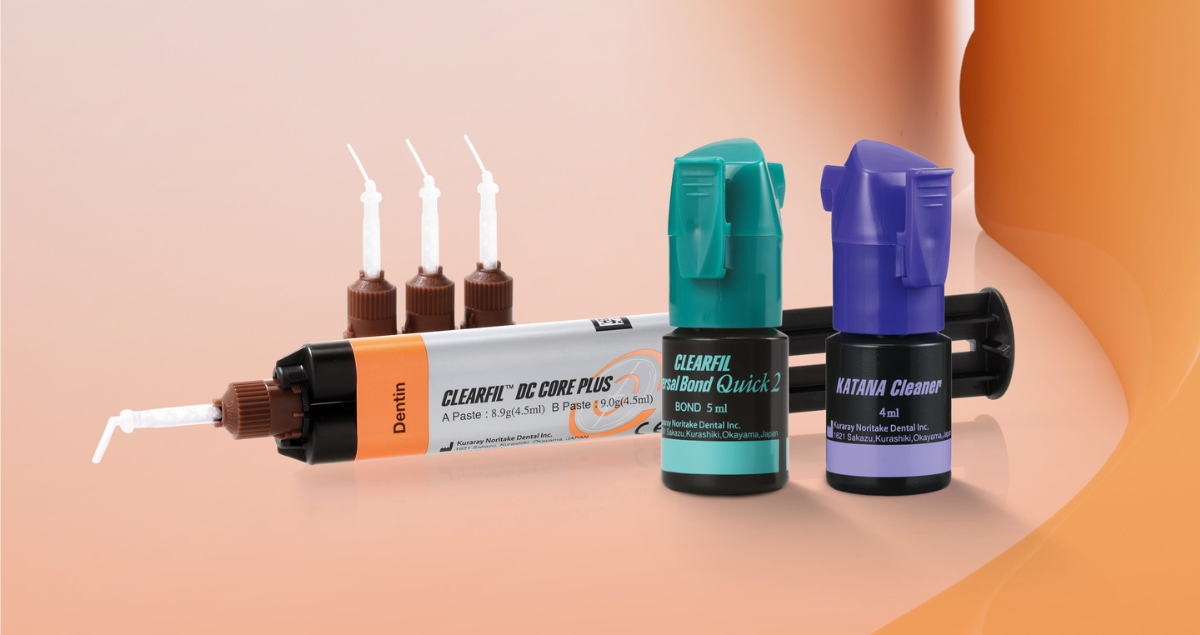
Did you know that a complete removal of temporary cement from the abutment tooth with a rubber cup and pumice paste or an ultrasonic scaler is usually impossible? In most cases, some visibly undetectable residues remain on the surface. They will negatively affect the bonding performance of the permanent cementation system you selected. KATANA™ Cleaner is our answer to this problem! Applied after conventional temporary cement removal, it provides optimal conditions for permanent cementation.


All relevant details are revealed in this scientific report.


Supporting dentists with universal products

Universal applicability of dental materials – this is a feature highly valued by the products’ users. It allows them to slim down the range of materials needed, which leads to reduced stock inventory and facilitates the establishment of universal workflows. With fewer variables and inconsistencies, all members of the practice team will know exactly what to do and how to do it, which mean less errors and consistent outcomes.


As one of the leading developers and providers of bonding agents, cements and composite filling as well as indirect restorative materials, Kuraray Noritake Dental strongly supports the universality trend in dentistry. Popular examples of universal products for direct restoration procedures are CLEARFIL™ Universal Bond Quick, a one-step dental bonding agent that works with or without a separate etching step, and the filling material CLEARFIL MAJESTY™ ES Flow.


Indirect restorative workflows are streamlined e.g. with PANAVIA™ SA Cement Universal, a self-adhesive resin cement indicated for all kinds of restorative materials, which is always used according to the same universal protocol.


Prior to the use of this product, the dental practitioner should consider cleaning the tooth and the restoration with KATANA™ Cleaner indicated for extra- and intra-oral use and providing optimal conditions for a strong and durable bond.


Both products recently received very positive ratings from the evaluators of Clinician’s Report. Click here to see the evaluations!


ZIRCONIA ON ZIRCONIA

By Marco Stoppaccioli


In today´s society, due to higher life expectancy, greater and more responsible attention to one´s body, we have developed a culture more sensitive to personal well-being. Consequently, more patients with total removable prostheses request stabilization of their prostheses through implant treatment which offers the most effective and valid response to this need.


The demand for implant treatments has increased significantly during the last decade, specifically from patients with long-term full prostheses resulting in considerable bone resorption1, but are hesitant to undergo complex bone regeneration interventions (Photo 1).


These rehabilitations require great commitment and professional skills. In addition to restoring a complex series of aesthetic-functional parameters that have been lost. Innovative products were developed, not only the restoration of the dental, but also, the orthopedic aspects of the procedure.


Photo 1: Upper and lower Jaw situation models.


Initially, the dental-skeletal rehabilitations involved the exclusive use of metal posts combined with acrylic materials.


In recent decades, we have witnessed an evolution in the surgical techniques and materials used, among these, zirconia2 has a significant and highly innovative role. The main reason for its success is due to the possibility of being able to use it anatomically through a simple and effective protocol thanks to CAD CAM technology.


Zirconia, created to be covered with ceramic coatings, has undergone a profound evolution: from an exclusively structural material with high strength but low aesthetic appeal, it has become anatomical, constituting an alternative to layered restorations. Thanks to research and innovation, optimizing chemical and physical parameters3 in the dental industry, we now have a wide range of products, including multi-layer zirconia.


In more analytical terms, it offers a very valid response to the translucency, which is inversely proportional to the flexural strength. On the market this material class oscillates between 550Mpa and 1200Mpa of flexural strength. This characteristic identifies its indication range, specifically depending on the yttrium oxide content, which acts as a stabilizer of zirconia.


For dental-skeletal rehabilitations, the protocol involves the use of multi-layer monolithic zirconia with marked characteristics of flexural strength but lower translucency which determines a limit in the aesthetic sense. On the other hand, the use of multi-layered zirconia with high translucency cannot be considered suitable, due to its lack of flexural strength, despite fully meeting the requirement for naturalness.


To date it can be said that there is no zirconia that offers high mechanical properties combined with high translucency, two fundamental aspects for successful restorations.


Considering these factors, the idea was born to generate an innovative and experimental protocol capable of supporting, on the one hand, the ability of CAD/CAM systems to copy exactly a project or even better, a functionalized provisional implant, and on the other, to associate the use of two zirconia with different characteristics: one extremely tough, white colored zirconia with 1125 MPa (KATANA™ HT Kuraray Noritake) and the other super translucent multi-layered zirconia with 750 MPa (KATANA™ STML Kuraray Noritake).


OPERATIONAL PROTOCOL

In dental-skeletal rehabilitations, success depends on a precise diagnosis by the clinician, aimed at the functional and aesthetic restoration of the case. It is a fundamental task of the dental technician to translate this information through the creation of a wax-up, both analog and digital.


Photo 2: Digital wax-up.


Photo 3: Analog wax-up.


Thanks to digitization, with a 3D printer, it is possible to realize the wax-up quickly and economically in a prototype, capable of allowing the clinician to perform an initial test in the oral cavity.


Photo 4: From design to 3D prototype.


Once the adequacy of the prototype under study has been certified, the next phase involves the construction of the provisional implant which, placed in the oral cavity for a specified time, provides the fundamental information from an occlusal point of view, both in static and dynamic conditions.


The first strength of this protocol is to capture all information about the provisional implant and transfer them to the final work through digital systems. In other words, the provisional implant itself becomes the design of the final product.


Photo 5: Temporary result of analog project.


Photo 6: Acquisition of temporary arches refitted on the models.


FINAL PROCEDURE: OPERATING PHASES

Once the scans of the temporary implant have been acquired in the digital platform, the structural frame obtained by reduction of the temporary implant file is generated. The framework will be made by using KATANA™ HT white colored zirconia (Kuraray Noritake Dental Inc.) with a flexural strength of 1125 MPa. This choice is attributable to an adequate toughness of the material and an effective aesthetic chromatic response on the pink ceramic coating.


Photo 7: Structural framework.


Photo 8: White zirconia framework, 1125 MPa (KATANA HT).


Once the structural file is generated, it is called up within the modeling software to create the anatomical components that will be divided into quadrants.


Photo 9: File divided into three seqments.


The selected material is multi-layered KATANA™ Zirconia STML by Kuraray Noritake Dental Inc. with a flexural strength of 750 MPa and high translucency. KATANA™ Zirconia STML shows an optimized balance between mechanical and optical characteristics.


The author's choice to divide the anatomical components into three segments has a dual purpose: the first is to have a better quality of the milling and the second is to reduce the material waste of the zirconia disc as much as possible.


Photo 10: The three segments after sintering.


Once the frameworks are obtained, before they are merged with each other, the anatomical parts are finished and polished; only the areas excluded from the functional part will be sandblasted. Special attention must be paid to the surface texturing of the anterior sectors5, with cutters, discs and rubbers dedicated for this purpose. The surfaces that remain shiny offer a lower abrasion coefficient than the natural tooth6; in fact, the abrasiveness depends on the surface smoothing. Polished zirconia has lower abrasion coefficients than lithium disilicate and layered ceramics7.


The adhesion between the anatomical and structural zirconia components is achieved by fusion with Noritake Cerabien ZR Low Fusion ceramic.


Photo 11: Anatomical components joined to the structural framework.


Once the adhesion between the zirconia components has been obtained, the first analog phase involves the creation of the gum parts, with dedicated pink gingival masses at a high temperature of 940 C° (CZR™ Tissue Kuraray Noritake Dental Inc.). The author selects three gingival masses with which the keratinized and vascularised parts are reproduced8, peculiar to the natural gingival tissue.


Photo 12: Used CZR™ Tissue porcelain.


Photo 13: Application of CZR™ Tissue porcelain.


Once the pink gingival parts are finalized, the coloring of the anatomical components will follow with the use of dedicated low temperature stains (CZR™ FC Paste Stain, Kuraray Noritake Dental Inc.) which, together with the high translucency of the anatomical zirconia, guarantees a high aesthetic result.


With gray, blue and black shades, it is possible to give a high degree of translucency to the incisal edges. With warm shades, like orange and yellow, the transitions of the anatomical crowns are emphasized, while with a few spots of strong color it is possible to give character and uniqueness to the teeth.


Photo 14: Used shades of CZR™ FC Paste Stain.


The low baking temperature of CZR™ FC Paste Stain guarantees the non-alteration of the gingival component. The final step involves glazing the sandblasted parts.


Photo 15: Final situation.


Photo 16: Occlusal view.


CONCLUSION

The strength of dento-skeletal rehabilitations made of monolithic zirconia, which is a stable, reliable and highly biocompatible material is, through the possibility of using CAD/CAM technology to make an exact copy of a case or, even better, a functionalized temporary implant.


Photo 17: Matching with wax-up.


The 1125 MPa zirconia is ideal for this type of prosthesis, however, does not offer an aesthetic quality. Therefore, the combination of two zirconia materials, one extremely strong and the other highly aesthetic, fully satisfies this requirement.


Photo 18, 19: Intra-oral situation.


BIBLIOGRAPHY:


1) Matteo Chiapasco, Eugenio Romeo La riabilitazione implantoprotesica nei casi compless, UTET S.p.A. 2003 Unione Tipografico-Editrice Torinese.

2) Piconi C. ,Rimondini L. ,Cerroni L. , La zirconia in odontoiatria, Masson, 2008.

3) Stawarczyk B., Ozcan M., Hallmann L., Ender A., Mehl A., Hammerle CH., Effect of zirconia sintering temperature on flexural strengh, grain size and contrast ratio. Clin oral investig, 2013.

5) Shigeo Kataoka, Yoshimi Nishimura , Morfologia naturale dei denti, Edizione internazionale Milano 2003
La riabilitazione implantoprotesica nei casi compless.

6) Oh W., Delong R., Anusavice K., Factors affecting enamel and ceramic wear: A literature review. J Prosthet Dent 2002.

7) Preis V., Bher M., Kolbeck C., Hahnel S., Handel G., Rosentritt M., Wear performance of substructure ceramics and veneering porcelains, Dent Mater, 2011.

8) Rutten L. & P., L’estetica su impianti, editrice MEA, 1999.


Thanks: Dr. Fortunato Alfonsi, Odt. Raoul Pietropaolo.


KATANA™ Zirconia - The science behind superior product properties

Users of dental zirconia are really spoilt for choice these days. Countless manufacturers offer zirconia materials that differ in their mechanical and optical properties and indication range. What is not apparent at first sight is that the available products also differ with respect to the quality of the CAD/CAM blanks offered. Blank quality is highly dependent on the quality of the raw materials and is affected by different aspects during raw material processing, pressing and pre-sintering. This has a huge impact on the surface quality, edge stability, fit and processing requirements of milled restorations.


Raw material production

Pre-shaded dental zirconia typically consists of metal oxides, including zirconium oxide, yttrium oxide and aluminium oxide, as well as additives like binders and colour pigments or ions. Most manufacturers of dental zirconia obtain pre-fabricated powder from an external industry partner, the most popular option being Tosoh Corporation. In contrast, Kuraray Noritake Dental relies on an end-to-end in-house process. This includes the production and addition of the components forming the company’s innovative multilayered technology, which makes it possible to match the shades in the polychromatic blanks precisely to the colours of the VITA classical A1-D4 shade guide.


At Kuraray Noritake Dental, the powder is produced in-house.


Since more powder production steps are carried out in-house, this gives the company full control of the quality of the raw materials, their grain size and the purity of the formulation. It also allows for a precise alignment of the mechanical and optical product properties. Properties of zirconia restorations that are affected by the powder quality and composition include translucency and shade appearance, flexural strength, ageing behaviour and sintering performance.


Blank pressing

Zirconia discs and blocks used for CAD/CAM processing are usually produced by uniaxial and isostatic pressing. In the uniaxial compaction process, pressure is applied to the powder from one direction (uniaxial) or two directions (biaxial), whereas the isostatic compaction process involves virtually equal pressure applied from all sides. Hence, isostatic pressing typically results in a more uniform density distribution throughout the blank and a higher material homogeneity. These factors are prerequisites for a predictable processing and sintering behaviour and affect the fit of the final restoration. For optimal mechanical and optical properties of the zirconia material, it is essential to avoid large porosities, air pockets and impurities caused by airborne particles that are trapped during pressing.


At Kuraray Noritake Dental, a unique and extremely meticulous pressing process achieves a uniform pressure distribution and low risk of contamination by airborne particles. This specific procedure reduces gravitation forces and contributes to having as high as possible density of zirconia material. All the high-level preparation processes from raw material production to pressing are responsible for the high edge stability and surface quality of restorations milled from KATANA™ Zirconia.”


Pre-sintering

The pre-sintering procedure is necessary in that it gives the pressed blanks the required stability to be machinable with milling tools. The selected temperature profile and duration of the pre-sintering cycle determine the material’s strength and processing properties and have an impact on the final sintering process.


The unique pre-sintering procedure carried out in the production facilities of Kuraray Noritake Dental results in blanks that are stable in their pre-sintered state. Although more stable, pre-sintered KATANA™ Zirconia is machinable with common diamond-coated milling tools without any increased risk of breakage or higher tool wear.


A KATANAZirconia blank ready for milling.


Fast sintering for the laboratory

The unique procedure has a positive impact on the surface smoothness after milling and can significantly shorten sintering times. In fact, the speed sintering program offered for all variants of KATANA™ Zirconia is the fastest one on the market. In the dental laboratory, the sintering times may be reduced to 90 minutes*for single-tooth restorations and bridges of up to three units.

*The material is removed from the furnace at 800°C.


Overview of the recommended sintering protocols.


Fast sintering for chairside

Using the KATANA™ Zirconia block with Dentsply Sirona’s CEREC system, it is possible to sinter single crowns up to three-unit bridges in 18-30 minutes without compromising the mechanical or optical properties.


The KATANAZirconia block displays superior optical properties after 18 minutes of sintering compared with representatives of major competitors’ raw material after 30-minute and 60-minute sintering programs designed by Kuraray Noritake Dental based on the manufacturer's recommendations.


Unique KATANAZirconia properties

Together, these efforts taken by Kuraray Noritake Dental to produce dental zirconia of exceptionally high quality make all the difference. The KATANA™ Zirconia series - KATANA™ Zirconia Ultra Translucent Multi Layered (UTML), Super Translucent Multi Layered (STML), High Translucent Multi Layered (HTML) and KATANA™ Zirconia High Translucent Mono Layered (HT) - have a homogeneous, high-density structure with low porosity and a high level of purity. This optimises the performance of the blanks during machining.


Surface roughness

SEM image, magnification 33X, of competitor material surface roughness. Image courtesy of Dr Kunkela, Kunkela Research Academy.


SEM image, magnification 33X, of KATANA Zirconia surface roughness. Image courtesy of Dr Kunkela, Kunkela Research Academy.


SEM images of non-polished KATANA™ Zirconia and a competitor’s material at 33x magnification. The four images of each material show the surface structure at different areas of a molar crown. In all areas, the surface of the restoration made of the competitor’s material is rougher and shows more porosity than the surface of the KATANA™ Zirconia crown directly after milling, according to Dr Josef Kunkela’s research results. One of the contributing factors to this result is the more densely pressed blanks with smaller grain sizes of KATANA™ Zirconia.


An optimised processing behaviour leads to regular restoration margins, smooth surfaces and a precise fit of the restorations. The latter is due to the fact that the milling behaviour and volumetric shrinkage during final sintering are highly predictable, so that a user designing a 20 µm cement gap will get what he or she desires. Owing to the great control over optical properties and precise match to the VITA classical A1-D4 shades, KATANA™ Zirconia is considered to be one of the most aesthetic dental zirconia options available on the market.


Excellent marginal fit


SEM images revealing the fit of restorations made of two different materials (lithium disilicate and KATANAZirconia Block STML) on a tooth abutment. The KATANAZirconia restoration shows a more regular margin and more precise fit (with a cement gap of 19-21 µm) than the lithium disilicate crown (cement gap 26-45 µm). Images courtesy of Dr Kunkela, Kunkela Research Academy.


Extremely regular margins of a KATANAZirconia crown after milling, which is also a result of the favourable material structure.


In order to ensure all the desired material properties, including aesthetics and strength, one thing is essential: the machining carried out in the dental laboratory - milling and sintering - needs to adhere to the recommended protocols. This means that the milling machine and furnace should be cleaned and calibrated on a regular basis, which provides the conditions for optimised zirconia processing from the powder to the final, true-to-life dental restoration.


KATANA™ Zirconia Block: Useful tips for processing

KATANA™ Zirconia Block has hardly any common features with the zirconium oxide that captured dental laboratories two decades ago and was used as a framework material. In many cases, the innovative zirconia serves as a functionally and aesthetically sensible alternative to high-strength glass ceramics. Its flexural strength is higher than that of lithium disilicate, its translucency on a level with the LT variant of the ceramic and its surface – if smoothly polished – antagonist-friendly causing low wear. Apart from its natural translucency, the multi-layered structure of KATANA™ Zirconia Block with four gradient shades precisely imitating natural colour gradients found in anterior and posterior teeth leads to highly aesthetic outcomes.


In order to exploit the full potential of the cubic zirconia KATANA™ Zirconia Block, users of the CEREC system need to adopt slightly different automatic and manual processing strategies than for glass ceramic processing. The following answers to frequently asked questions provide information on the most important differences and tips and tricks that help achieve the best possible results.


COMPUTER-AIDED DESIGN


What is the best position of the restoration in the block to leverage all benefits related to the multi-layered structure?

Ideally, a restoration is positioned in the middle of the block. In addition, the selected block should be one shade darker than the determined shade. This will lead to a natural shade appearance of the resulting restoration. If the restoration is placed at the upper margin of the block, parts of the body shade – and with it chroma – are lost, which makes the restoration appear too light.


How are chipping effects in the area of the milling sprues (most often occurring in bridges) effectively prevented?

Marginal chipping in these areas might appear due to an uneven force distribution during milling. The problem is easily overcome by designing two milling sprues per crown or bridge unit.


COMPUTER-MANUFACTURING


Is wet or dry milling the best option to process KATANA™ Zirconia Block?

The best results are obtained with dry milling. This procedure also leads to time-savings, as there is no need for drying after processing.


When opting for wet milling: Are there any particularities that need to be respected for KATANA™ Zirconia Block?

Those users opting for wet milling and utilizing the same machine for the processing of zirconia and glass ceramics should implement a system utilizing three water tanks. One tank is filled with wash water, the tank used for processing of glass-based ceramics is filled with water and additives (such as Dentatec, Dentsply Sirona) and the one used for processing of zirconia contains purified/distilled water without any additives.


Moreover, a prerequisite for a high quality of the manufactured restorations is that the machine is cleaned thoroughly every time before a different material is processed.

The following components need to be cleaned:

  • the milling tools
  • the interior of the machine
  • the water tank(s)
  • all filters

Typically, zirconia reacts to milling additives (Dentatec) in the water with a reduced translucency, so that their use cannot be recommended. Residues of glass ceramic particles found on milling tools, in the water or in the interior of the machine might also have a negative impact on the aesthetic appearance of KATANA™ restorations (typical effect: white spots on the surface).


When is it necessary to replace milling tools used for the processing of KATANA™ Zirconia Block?

It is recommended to replace the tool sets every 10 to 15 units. At this time, the degree of tool wear amounts to approximately 50 percent. Those who continue using the tools accept an increased risk of weakening the oxide ceramic’s microstructure: worn milling tools are likely to produce micro cracks and micro chipping. When these defects occur between the different units of a bridge, they increase the risk for chipping and fractures.


MANUAL POST-PROCESSING


Are there any specific measures to be taken when removing the block from the machine?

When machining is completed, the restoration should be touched only by individuals wearing gloves. Even after thorough washing, bare hands will release fats, which may lead to smear formation and a reduced translucency of the oxide ceramic material.


How are the restorations cleaned after sprue removal?

Powder residues should be removed after processing with a gentle stream of air. Alternatively, a fine (and obviously clean) brush may be used for the removal of the zirconia dust. Powder residues remaining on the restoration surface might lead to the occurrence or white spots or to smear formation. Steam-cleaning of the restoration should be avoided as this measure dramatically increases the pores in the material and alters the material properties.


When is the right time to add fissures and texture to the surface of the restoration and how is this task accomplished?

Ideally, all those details that cannot be incorporated by a milling machine (surface texture, fissures etc.) are added in the restoration’s pre-sintered state, i.e. between milling and final sintering. Diamond milling tools for oxide ceramics should be used at a low speed (7,000 to 10,000 rpm) for this purpose.


TANK MANAGEMENT: CLEANING PROCEDURE AFTER USING GLASS CERAMICS


Be sure the glass ceramic cooling-water tank is installed. Press the Pump button on the touch panel to wash away any glass ceramic powder that is inside the milling chamber. Then, thoroughly flush milling debris from the milling chamber filter and milling powder from beneath the milling chamber filter.


FINAL SINTERING


What are the particularities to be respected during final sintering of restorations made of KATANA™ Zirconia Block material?

Zirconia restorations are subject to volumetric shrinkage (approximately 20 percent) during sintering. Therefore, it is essential to not place the restoration on a rigid carrier during sintering. If the volume of the restoration is reduced while the volume of the carrier is not, the risk of fracture is high. Ideally, the restoration is placed on its largest side.


What measures should be taken to avoid discoloration of a restoration during sintering?

Discoloration (usually leading to a green-yellowish appearance) might be the result of contamination of the sintering furnace with metal oxides. These metal oxides originate from other materials processed in the furnace. They are released during sintering and absorbed by the restoration. Running a decontamination programme on a regular basis is an effective measure that helps prevent discoloration. For this purpose, white zirconium oxide (either collected from odds and ends of non-shaded blanks or purchased) is placed in the furnace chamber and a sintering programme is started. As the furnace CEREC® SpeedFire does not offer a specific decontamination programme, there is no way around working a fiddle: the user simply creates two separate jobs for the sintering of two single crowns, but sinters them together. The second job is used for the decontamination cycle. During this procedure, the white zirconium oxide absorbs the metal oxides, which has a cleaning effect on the furnace.


CHARACTERISATION


Which techniques are best suited for an optical refinement of monolithic restorations made of KATANA™ Zirconia Block?

A material designed for this kind of refinement is CERABIEN™ ZR FC Paste Stain from Kuraray Noritake Dental. The paste-like shading solutions are filled with ceramic particles. Therefore, the optical effects achievable with these pastes are much more durable than those obtained with classical stains. As all pastes are fluorescent, it is possible to produce a natural long-term fluorescence effect without an additional work step. With just four shades of the liquid ceramic – A+, Grayish Blue, Value and Clear Glaze – it is possible to perfectly characterize 85 percent of all restorations made of KATANA™ Zirconia Block material. The firing temperature is 750 °C and the CTE values of CERABIEN™ ZR FC Paste Stain and KATANA™ Zirconia Block are precisely adjusted to each other. The product is also very well suited for glass ceramic characterization.


How is it possible to hold the restoration during characterization?

The easiest option is the use of putty material on a carrier. The crown is simply placed on the unset putty and then positioned on the carrier. The surface of the restoration should be cleaned with a gentle stream of air before applying the pastes. Thanks to the ceramic particles in CERABIEN™ ZR FC Paste Stain, the pastes stay put during processing and do not flow away.


POLISHING


How to ensure a low wear of the antagonist?

Zirconium oxide stands out due to its hardness, which makes careful polishing of the surface a prerequisite for clinical use. After characterization with CERABIEN™ ZR FC Paste Stain, polishing of all occlusal contact areas is mandatory as well. The polishing set Polierset KATANA™ Twist DIA even allows for intraoral use.


PLACEMENT


What kind of resin cement is recommended for the definitive placement of restorations made of KATANA™ Zirconia Block material?

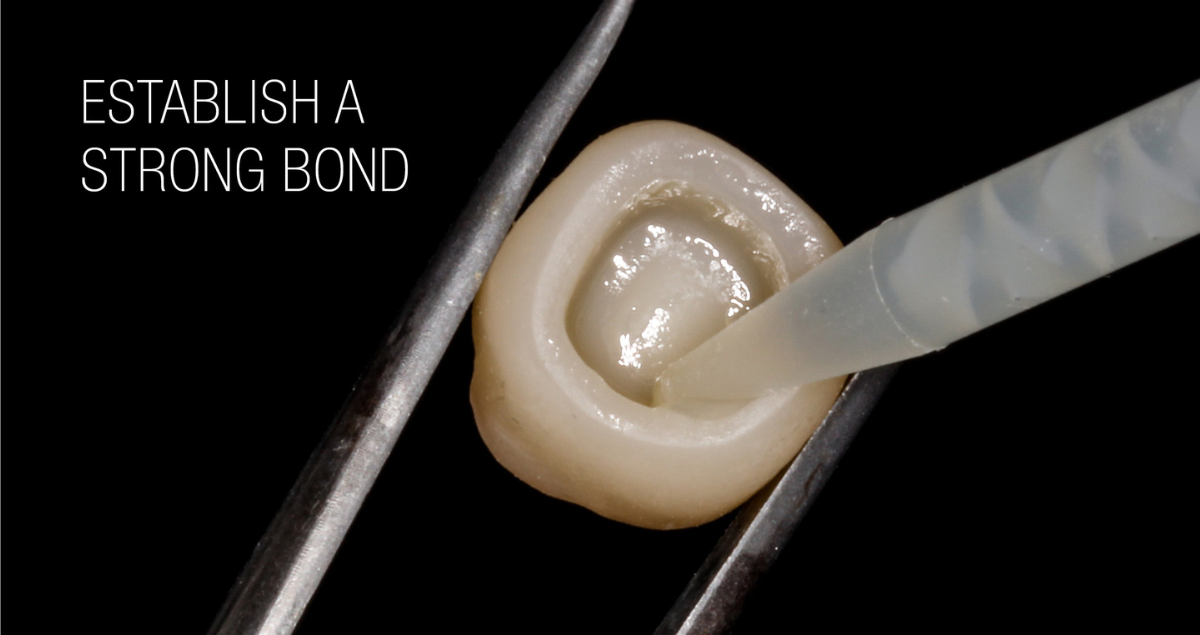
The best possible results are obtained with PANAVIA™ V5. This adhesive resin cement system is responsible for the development of a particularly strong bond between the tooth structure and the restoration, which also has a strengthening effect on the restoration.


Efficient and aesthetic direct restorations with the new CLEARFIL MAJESTY™ ES-2 Universal shades concept

Time has always been limited in dental offices, and COVID-19 sanitisation requirements have constrained this even further. Streamlining procedures is a logical strategy for reducing chair time; however, this optimisation must still ensure a high treatment standard and aesthetic outcome.


The CLEARFIL MAJESTY™ ES-2 Universal shades concept from Kuraray Noritake Dental enables this: fast shade determination and creation of aesthetic, long-lasting direct restorations with a single shade in your regular cases; an opaquer or blocker is no longer needed.


CLEARFIL MAJESTY™ ES-2 Universal shades concept consists of a compact shade range:

  • The universal (U) shade is for all posterior restorations.
  • For the aesthetically more demanding anterior, the user is given two shade options: universal light (UL) and universal dark (UD).
  • The universal white (UW) shade is employed for certain cases, such as the restoration of primary teeth.


This simplified shade concept works so well thanks to the integration of Kuraray Noritake Dental’s light diffusion technology, which makes restoration distort light in a similar way tooth structure does. Consequently, the applied material blends virtually invisibly into the surrounding tooth structure.


Convincing mechanical properties make CLEARFIL MAJESTY™ ES-2 Universal shades very well suited for posterior and anterior restorations alike. Just like other members of the CLEARFIL MAJESTY™ ES-2 family, this innovative product offers high strength, favourable wear and balanced shrinkage stress for reliable performance — even in load-bearing posterior areas. The material is easily polished and retains its gloss, yielding a natural-looking appearance that is particularly beneficial in the anterior region.


The CLEARFIL MAJESTY™ ES-2 Universal shades, available in preloaded-tip capsules and syringes, provide a time-saving and simplified means of realising aesthetic, strong and lasting restorations.


This is streamlining of direct composite procedures in optimum form - in short: intelligent simplification!


Clinical case by Dr Zorzin.


Our latest "BOND" magazine is available now!

Volume 7 of our "BOND" magazine is now published and ready to read!


Content Highlights:

  • Composites versus hybrid ceramics
  • Flowable composites a universal solution?
  • Universal adhesives, is one bottle sufficient?


Start Reading: BOND | VOLUME 7 | 10/2020


Previous versions:

BOND | VOLUME 6 | 03/2020

BOND | VOLUME 5 | 05/2019

BOND | VOLUME 4 | 06/2018

BOND | VOLUME 3 | 10/2017

BOND | VOLUME 2 | 04/2017

BOND | VOLUME 1 | 12/2016

How to maximise the full potential of multi-layered zirconia

The use of highly translucent, gradient pre-shaded zirconia brings more efficiency into the dental laboratory. Due to the advanced properties of the materials, e.g. from the KATANA™ Zirconia Multi-Layered Series, true-to-life restorations may be created without any or with only a small vestibular layer of veneering porcelain. This saves a lot of time usually required for manual work around steps in the veneering of zirconia frameworks. At the same time, this also allows for a reduced wall thickness, beneficial in the context of minimally invasive dentistry.


In order to leverage the high aesthetic potential and balanced mechanical properties of these types of zirconia, however, it is essential that the restorations are processed under ideal conditions. The most advanced materials with the highest translucency are particularly sensitive to contamination during and after wet milling, contamination of the furnace chamber, and temperature variations during sintering. Possible undesirable effects include a grayish appearance of the restorations and low chroma, green, yellow, blue or gray traces in the restorations, white spots on the surface and variations in colour and translucency.


If carried out on a regular basis, the following measures will effectively eliminate these effects. Hence, they will support users in ensuring consistently beautiful results.


Optimizing the milling process

Blue or gray traces visible in the final restoration are usually the result of contamination of the cooling water with extrinsic particles in the context of wet milling, (which is usually conducted in chairside procedures). In most cases, silica particles left over from the processing of glass or silicate ceramics with the same milling unit are the root of the problem. The effect is easily avoided by thorough cleaning of the milling chamber, the water tank and the filter insert of the milling machine every time a different material needs to be processed. Another solution is dry instead of wet milling, which offers additional benefits such as shorter processing time and better quality edges and surfaces.


Decontamination of the furnace chamber

In general, the chamber of the sintering furnace should be cleaned before sintering. Important measures include the removal of dust inside the sintering chamber and cleaning of the heating elements, both done with a soft brush. The use of compressed air is contraindicated.


Unwanted optical effects that occur on restorations due to contamination of the sintering chamber include white spots on the restoration surface, a blue-grayish appearance and low chroma, and green or yellow traces in the material. White spots on a restoration surface are usually indicators of contaminated alumina sintering beads or the use of the wrong instruments for surface modification and sprue removal. The effect is avoidable through a monthly or even more frequent replacement of the sintering beads (as soon as they show any signs of discoloration) as well as the exclusive use of fine-grid diamond instruments for adjustments prior to sintering.

Alumina sintering beads may be the cause of white spots on a restoration surface if not replaced on a regular basis.


The blue-grayish appearance and low chroma may be attributed to mineral residues from dipping liquids in the chamber. They are effectively removed with the aid of a decontamination program to be selected in the furnace menu, which is run after inserting several residual pieces of a highly translucent, white zirconia blank. As soon as the decontamination cycle is completed, the chromatic intensity of the residual blank parts indicates whether a second cycle is required. In order to prevent the occurrence of a grayish appearance in new restorations, it is recommended to perform a decontamination program at least once per month.


Pieces of a white zirconia blank left over after milling.


MoSi2 heating elements: Regeneration needed

If a restoration appears to be green or yellowish, it is most likely that the furnace is equipped with aging molybdenum disilicide (MoSi2) heating elements in need of regeneration or replacement. The inner part of the elements is made of molybdenum (Mo), which is usually covered by a protective layer of silica (SiO2). This layer is naturally built up during sintering at a temperature range between 1,000 and 1,600°C. As the thickness of the layer grows, its intrinsic residual compressive stress increases. This stress, as well as possible extrinsic influences, e.g. originating from acidic dipping liquids, may finally lead to cracks and a breakup of the protective layer. Once damaged, the molybdenum core is exposed. At a low temperature range of 400 to 600°C, the molybdenum reacts with oxygen in the sintering chamber, a process referred to as pest oxidation. The resulting molybdenum oxide (MoO3), together with ions or metal oxides from colouring agents, is responsible for the green-yellowish discoloration on the surface of the restorations.


Restorations displaying greenish surface pigmentation.


Molybdenum disilicide heating element with a protective silica layer bursting off, leading to pest oxidation and the contamination of elements in the sintering chamber.


Regeneration firing, which involves a rapid heating rate and a long firing phase at approx. 1,450°C, aims at regenerating the layer of silica. This measure, however, works only a limited number of times, as a repeated process of pest oxidation and regeneration leads to aging of the heating element itself. Hence, it will ultimately lead to the need for replacement. The whole issue of pest oxidation may be effectively avoided by the use of a furnace with silicon carbide heating elements, which are highly aging-resistant and do not cause any discoloration. A positive side effect is that these types of heating elements deliver more constant temperatures.


Temperature control

Variations in translucency or chroma and pigmentation of restoration surfaces are often due to deviations of the actual sintering temperatures from the recommended temperature curve. The only way to solve this issue is temperature calibration. This measure is not only a prerequisite for aesthetic results, but also has a decisive impact on the mechanical properties of the restorations: if the maximum temperatures are too high, for example, the flexural strength of the zirconia materials may be expected to decrease1.


Effect of temperature differences during sintering on restorations made of KATANA™ Zirconia UTML: The restorations were sintered at the same nominal temperatures in three different furnaces!


Temperature control is usually carried out with the aid of TempTABs or PTCRs (process temperature control rings). They are placed into the furnace on a sintering tray and typically processed by running a calibration cycle. After sintering, the tab or ring diameter is determined. As TempTABs and PCTRs exhibit controlled shrinkage, it is possible to calculate the actual sintering temperature based on the measured diameter. A conversion table supports the user in determining the deviation between the temperature actually reached and the temperature displayed on the furnace. Subsequently, the values displayed on the furnace are adjusted if necessary.


TempTAB on a sintering tray with restorations ready for sintering.


General recommendations

In order to set the stage for brilliant aesthetics and ideal properties of zirconia restorations, it is essential to ensure optimal processing conditions. Instead of troubleshooting carried out whenever discoloration appears after sintering, it is advisable to take the following actions on a regular basis as preventive measures:


  • Cleaning of the milling machine’s water tank every time before starting to mill (wet milling only)
  • Strict adherence to the sintering protocols recommended by the material manufacturer
  • Removal of the dust from the sintering chamber and heating elements with a soft brush before each use
  • Replacement of the alumina sintering beads whenever they show signs of discoloration (at least once per month)
  • Exclusive use of fine-grid diamond instruments for sprue-removal and pre-sintering adjustments
  • If possible: Use of furnace with silicon carbide heating elements
  • Furnaces with molybdenum disilicide heating elements require constant visual control and regular regeneration cycles
  • Running of a decontamination program with decontaminating powder or white zirconia residues (y-TZP) at least once per month
  • Temperature control and calibration at least once per month


With these simple measures, it is possible to maximise the full potential of KATANA™ Zirconia Multi-Layered Series from Kuraray Noritake.


References
1 Stawarczyk, B., Özcan, M., Hallmann, L. et al. The effect of zirconia sintering temperature on flexural strength, grain size, and contrast ratio. Clin Oral Invest 17, 269–274 (2013).