Our latest "BOND" magazine is available now!

Volume 7 of our "BOND" magazine is now published and ready to read!


Content Highlights:

  • Composites versus hybrid ceramics
  • Flowable composites a universal solution?
  • Universal adhesives, is one bottle sufficient?


Start Reading: BOND | VOLUME 7 | 10/2020


How to maximise the full potential of multi-layered zirconia

The use of highly translucent, gradient pre-shaded zirconia brings more efficiency into the dental laboratory. Due to the advanced properties of the materials, e.g. from the KATANA™ Zirconia Multi-Layered Series, true-to-life restorations may be created without any or with only a small vestibular layer of veneering porcelain. This saves a lot of time usually required for manual work around steps in the veneering of zirconia frameworks. At the same time, this also allows for a reduced wall thickness, beneficial in the context of minimally invasive dentistry.


In order to leverage the high aesthetic potential and balanced mechanical properties of these types of zirconia, however, it is essential that the restorations are processed under ideal conditions. The most advanced materials with the highest translucency are particularly sensitive to contamination during and after wet milling, contamination of the furnace chamber, and temperature variations during sintering. Possible undesirable effects include a grayish appearance of the restorations and low chroma, green, yellow, blue or gray traces in the restorations, white spots on the surface and variations in colour and translucency.


If carried out on a regular basis, the following measures will effectively eliminate these effects. Hence, they will support users in ensuring consistently beautiful results.


Optimizing the milling process

Blue or gray traces visible in the final restoration are usually the result of contamination of the cooling water with extrinsic particles in the context of wet milling, (which is usually conducted in chairside procedures). In most cases, silica particles left over from the processing of glass or silicate ceramics with the same milling unit are the root of the problem. The effect is easily avoided by thorough cleaning of the milling chamber, the water tank and the filter insert of the milling machine every time a different material needs to be processed. Another solution is dry instead of wet milling, which offers additional benefits such as shorter processing time and better quality edges and surfaces.


Decontamination of the furnace chamber

In general, the chamber of the sintering furnace should be cleaned before sintering. Important measures include the removal of dust inside the sintering chamber and cleaning of the heating elements, both done with a soft brush. The use of compressed air is contraindicated.


Unwanted optical effects that occur on restorations due to contamination of the sintering chamber include white spots on the restoration surface, a blue-grayish appearance and low chroma, and green or yellow traces in the material. White spots on a restoration surface are usually indicators of contaminated alumina sintering beads or the use of the wrong instruments for surface modification and sprue removal. The effect is avoidable through a monthly or even more frequent replacement of the sintering beads (as soon as they show any signs of discoloration) as well as the exclusive use of fine-grid diamond instruments for adjustments prior to sintering.

Alumina sintering beads may be the cause of white spots on a restoration surface if not replaced on a regular basis.


The blue-grayish appearance and low chroma may be attributed to mineral residues from dipping liquids in the chamber. They are effectively removed with the aid of a decontamination program to be selected in the furnace menu, which is run after inserting several residual pieces of a highly translucent, white zirconia blank. As soon as the decontamination cycle is completed, the chromatic intensity of the residual blank parts indicates whether a second cycle is required. In order to prevent the occurrence of a grayish appearance in new restorations, it is recommended to perform a decontamination program at least once per month.


Pieces of a white zirconia blank left over after milling.


MoSi2 heating elements: Regeneration needed

If a restoration appears to be green or yellowish, it is most likely that the furnace is equipped with aging molybdenum disilicide (MoSi2) heating elements in need of regeneration or replacement. The inner part of the elements is made of molybdenum (Mo), which is usually covered by a protective layer of silica (SiO2). This layer is naturally built up during sintering at a temperature range between 1,000 and 1,600°C. As the thickness of the layer grows, its intrinsic residual compressive stress increases. This stress, as well as possible extrinsic influences, e.g. originating from acidic dipping liquids, may finally lead to cracks and a breakup of the protective layer. Once damaged, the molybdenum core is exposed. At a low temperature range of 400 to 600°C, the molybdenum reacts with oxygen in the sintering chamber, a process referred to as pest oxidation. The resulting molybdenum oxide (MoO3), together with ions or metal oxides from colouring agents, is responsible for the green-yellowish discoloration on the surface of the restorations.


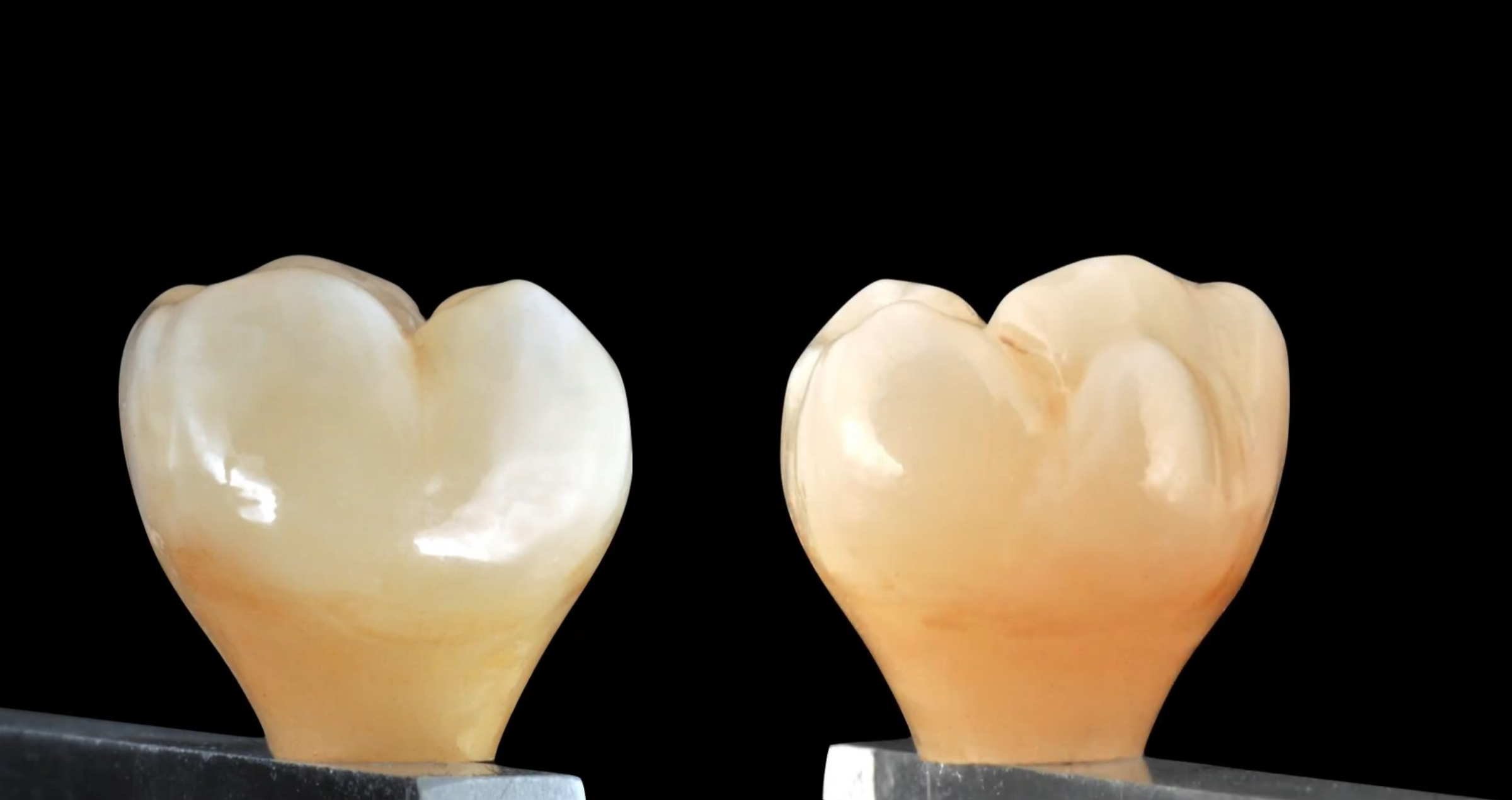
Restorations displaying greenish surface pigmentation.


Molybdenum disilicide heating element with a protective silica layer bursting off, leading to pest oxidation and the contamination of elements in the sintering chamber.


Regeneration firing, which involves a rapid heating rate and a long firing phase at approx. 1,450°C, aims at regenerating the layer of silica. This measure, however, works only a limited number of times, as a repeated process of pest oxidation and regeneration leads to aging of the heating element itself. Hence, it will ultimately lead to the need for replacement. The whole issue of pest oxidation may be effectively avoided by the use of a furnace with silicon carbide heating elements, which are highly aging-resistant and do not cause any discoloration. A positive side effect is that these types of heating elements deliver more constant temperatures.


Temperature control

Variations in translucency or chroma and pigmentation of restoration surfaces are often due to deviations of the actual sintering temperatures from the recommended temperature curve. The only way to solve this issue is temperature calibration. This measure is not only a prerequisite for aesthetic results, but also has a decisive impact on the mechanical properties of the restorations: if the maximum temperatures are too high, for example, the flexural strength of the zirconia materials may be expected to decrease1.


Effect of temperature differences during sintering on restorations made of KATANA™ Zirconia UTML: The restorations were sintered at the same nominal temperatures in three different furnaces!


Temperature control is usually carried out with the aid of TempTABs or PTCRs (process temperature control rings). They are placed into the furnace on a sintering tray and typically processed by running a calibration cycle. After sintering, the tab or ring diameter is determined. As TempTABs and PCTRs exhibit controlled shrinkage, it is possible to calculate the actual sintering temperature based on the measured diameter. A conversion table supports the user in determining the deviation between the temperature actually reached and the temperature displayed on the furnace. Subsequently, the values displayed on the furnace are adjusted if necessary.


TempTAB on a sintering tray with restorations ready for sintering.


General recommendations

In order to set the stage for brilliant aesthetics and ideal properties of zirconia restorations, it is essential to ensure optimal processing conditions. Instead of troubleshooting carried out whenever discoloration appears after sintering, it is advisable to take the following actions on a regular basis as preventive measures:


  • Cleaning of the milling machine’s water tank every time before starting to mill (wet milling only)
  • Strict adherence to the sintering protocols recommended by the material manufacturer
  • Removal of the dust from the sintering chamber and heating elements with a soft brush before each use
  • Replacement of the alumina sintering beads whenever they show signs of discoloration (at least once per month)
  • Exclusive use of fine-grid diamond instruments for sprue-removal and pre-sintering adjustments
  • If possible: Use of furnace with silicon carbide heating elements
  • Furnaces with molybdenum disilicide heating elements require constant visual control and regular regeneration cycles
  • Running of a decontamination program with decontaminating powder or white zirconia residues (y-TZP) at least once per month
  • Temperature control and calibration at least once per month


With these simple measures, it is possible to maximise the full potential of KATANA™ Zirconia Multi-Layered Series from Kuraray Noritake.


References
1 Stawarczyk, B., Özcan, M., Hallmann, L. et al. The effect of zirconia sintering temperature on flexural strength, grain size, and contrast ratio. Clin Oral Invest 17, 269–274 (2013).


Never stop learning - Kuraray focuses on education

During the strange and difficult times caused by the COVID-19 pandemic, the top priority for dentists across the world has been to keep themselves and their patients safe. To do so, not only have many dental practices been shut down, but also in-person dental congresses, symposia and other events have been postponed indefinitely.


As a result of these shutdowns, countless dentists have found it difficult to keep up to date with all of the latest scientific and product developments in the dental world. Our webinars highlight how Kuraray Noritake Dental’s emphasis on education allows you to stay informed and evolve professionally - all from the comfort of your own home.


A range of on-demand webinars

When the pandemic began, Kuraray Noritake Dental quickly set about establishing a state-of-the-art, self-hosted webinar platform. The master dental technician Daniele Rondoni hosted the debut webinar, in which he eloquently discussed the art of micro-layering with Kuraray’s new porcelains.


Since then, a number of adventurous and intelligent dental professionals have shared their knowledge and insight through further webinars. Dr Josef Kunkela, a key opinion leader in digital dentistry and the founder of the KUNKELA Campus, informed participants about the crucial factors that influence the gap between the margin of the prepared tooth and the restoration. Meanwhile, zirconia, oral scanners and feather edge preparation - the winning triad of today’s prosthetic therapy - were the focal points of Dr Davide Cortellini’s engaging presentation.


These free webinars, along with others presented by such figures as Dr Michael Braian and Dr Piero Simeone, are all available for on-demand viewing through Kuraray Noritake Dental’s webinar library.


“At Kuraray Noritake, we’re focused on creating more universal and streamlined dental workflows,” says Maurice Bonn, marketing manager for Europe. “This naturally extends to our series of educational webinars, which have featured such industry-leading products as PANAVIA™ V5 and the KATANA™ Zirconia series.”


“Dental professionals can look forward to more webinars hosted by some of the industry’s best and brightest in the coming months,” adds Bonn.


Clinical cases to broaden your knowledge

Kuraray Noritake Dental’s investment in research and development is just part of the reason for the company’s continued success. Now, clinical cases involving KATANA™ Zirconia HTML and CLEARFIL MAJESTY™ ES-2 and even a full-mouth rehabilitation using three different types of KATANA™ Zirconia are all available for easy access through the company’s website.


A newsroom packed with new information

Webinars, clinical cases, interviews, product news and more - there is only one place where all of these can be found in abundance, and that is the Kuraray Noritake Dental newsroom.


The universal trend in dentistry

Dentistry is currently experiencing an interesting evolution. While dentists are becoming increasingly specialised, the demand for products that can be used for all indications continues to grow. These systems and materials are part of a universal trend in dentistry—a trend that Kuraray Noritake Dental is extremely well suited to accommodate.


Advancing adhesive dentistry


As the technology has developed, dental adhesives have progressed from no-etching to total-etching and then self-etching systems. In 1978, Kuraray Noritake Dental introduced CLEARFIL™ BOND SYSTEM-F, the world’s first total-etching adhesive system. More than four decades later, the company is still setting standards with CLEARFIL™ Universal Bond Quick, a one-step dental bonding agent that can be used in total-etching, self-etching and selective-etching modes.

Combining Kuraray’s original MDP monomer with hydrophilic amide monomers, CLEARFIL™ Universal Bond Quick is designed to be less technique-sensitive than other one-step solutions and has been proved scientifically to deliver stronger, more stable bonds.


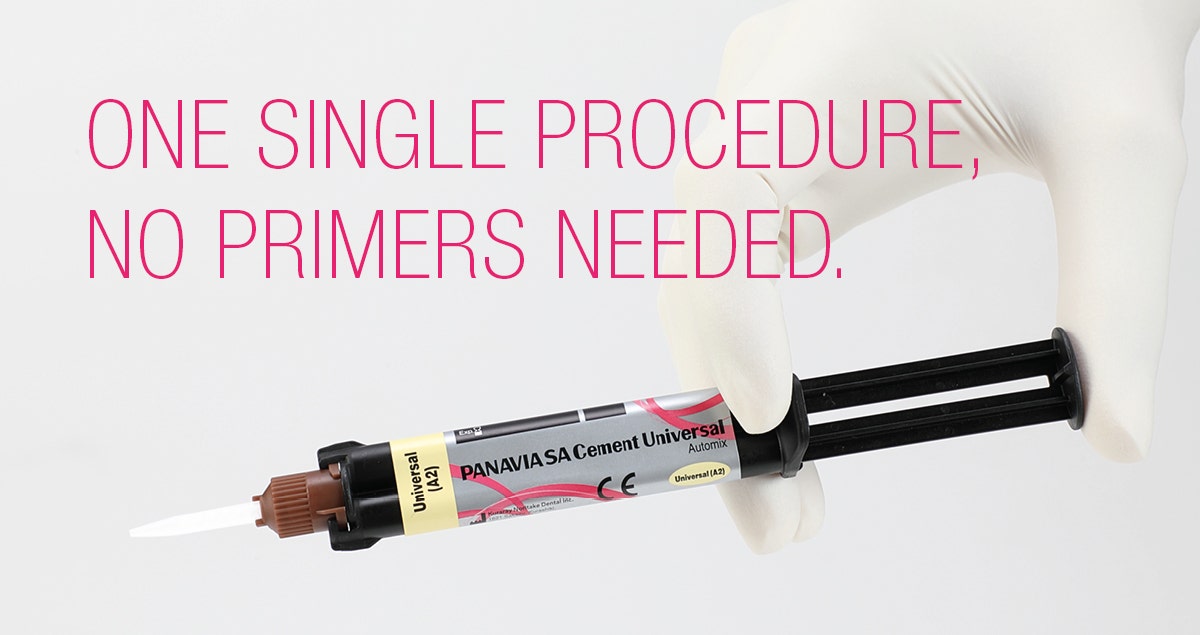
It is not just bonding agents that are becoming universally applicable either. A dental cement like Kuraray Noritake’s PANAVIA™ SA Cement Universal builds upon the success of previous generations of PANAVIA™ to deliver optimal bonding to dental tissue as well as to metal and zirconia materials. This self-adhesive resin cement always requires the same procedure, even when bonding porcelain, lithium disilicate and composites, without the need for a primer. The reason? It’s the addition of a unique long carbon chain silane.

Universal composites and cleaners


The silane technology behind PANAVIA™ SA Cement Universal can also be found in CLEARFIL MAJESTY™ ES Flow, a universal flowable composite suitable for all cavity classes. Its small, durable filler particles help to ensure excellent flexural and mechanical strength, while special cluster fillers provide a light diffusion effect similar to that of natural teeth. Creating aesthetically natural and reliable restorations is easier than ever with CLEARFIL MAJESTY™ ES Flow.


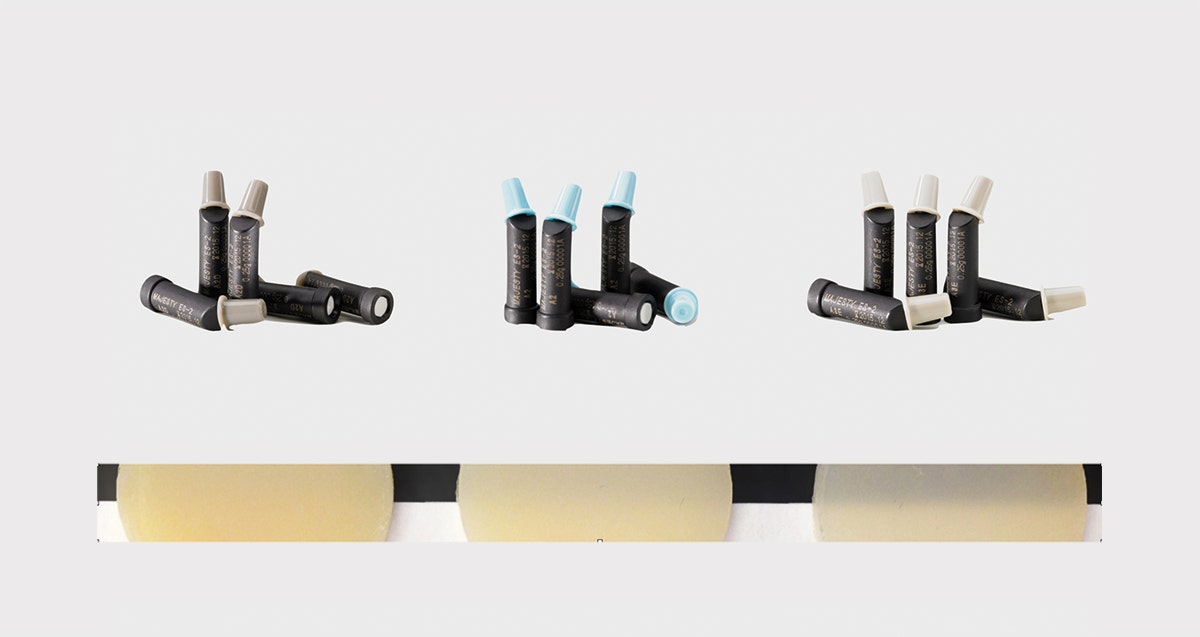
As the latest addition to the CLEARFIL MAJESTY™ ES series, CLEARFIL MAJESTY ES-2 Universal offers a smart and easy-to-use system that will work for the vast majority of your daily cases. Its light-cure, radiopaque restorative material which provides accurate color matching, high polishability and excellent physical properties, makes the product ideal for both anterior and posterior restorations. What makes this Universal series truly special is that the shades cover all shades of the VITA classical A1-D3 shade standard with a limited number of syringes/PLTs depending on the cavity class. If you opt for CLEARFIL MAJESTY™ ES-2 Universal, just a few shades will do the trick.


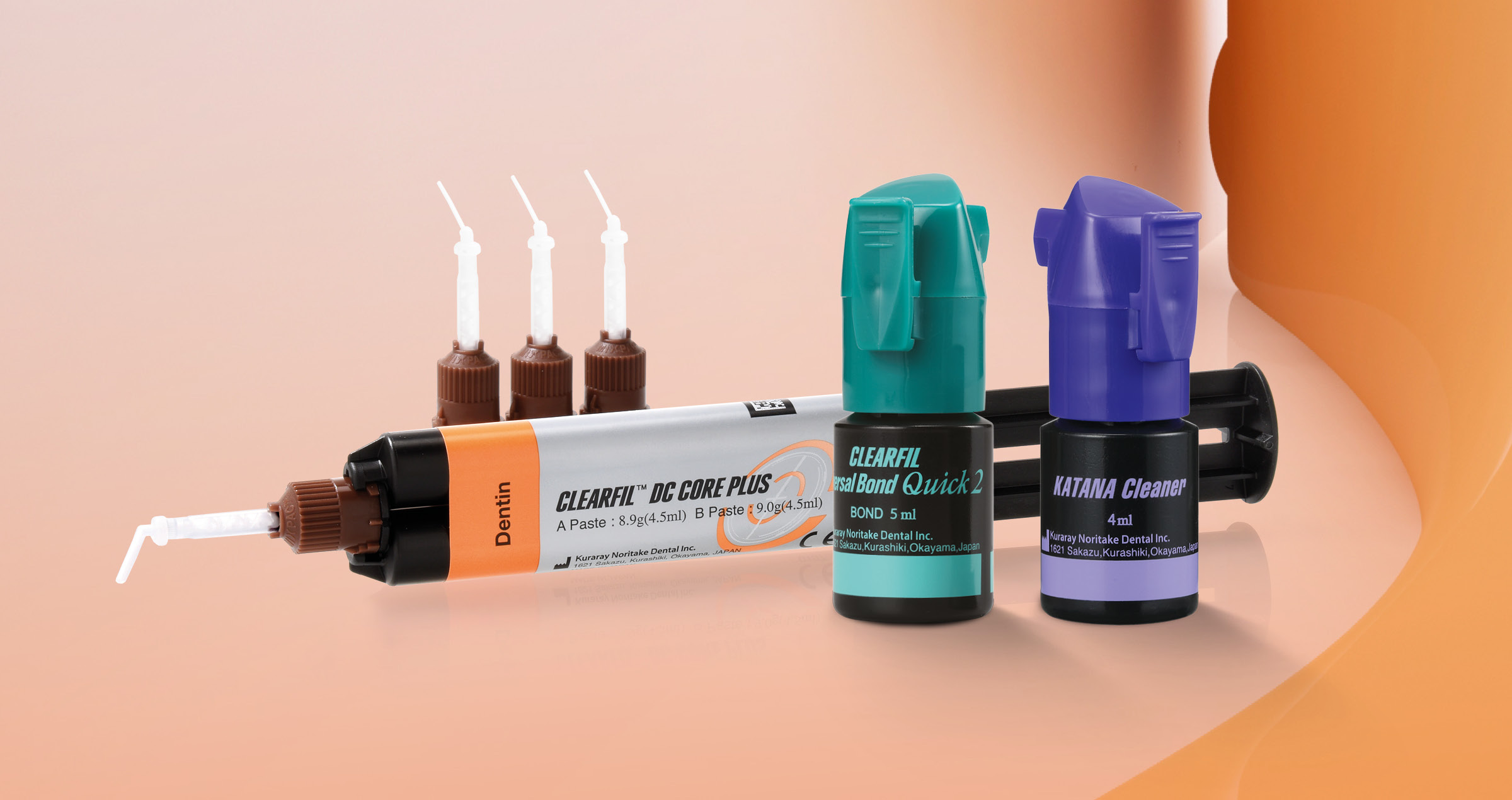
And when considering Kuraray Noritake’s forays into universal solutions, let us not forget the new KATANA™ Cleaner, a non-abrasive cleaner that, unlike other options on the market, can be used both intra- and extra-orally. Backed by extensive scientific research, the KATANA™ Cleaner comes with a single-handed delivery cap and an extremely straightforward method of application: simply apply with a rubbing motion for at least 10 seconds, rinse with water and air-dry before cementation.

Making dentistry more streamlined

The modern dental practice is often multidisciplinary in its nature, which can result in the need to store many more products than there might be space for. Through these universal products and others, Kuraray Noritake is aiming to make dentistry simpler and more efficient.


KATANA™ Zirconia: The complete restorative solution

When it was first introduced to restorative dentistry in the early 2000s, zirconia was an opaque, unnatural-looking substance with a chalk-like whiteness. Two decades later, technological and material advances have meant that zirconia is now a highly aesthetic and durable ceramic solution for a variety of procedures. Leading the way is Kuraray Noritake Dental’s KATANA™ Zirconia series, which can now be integrated at every step of the restorative workflow.


The pioneering nature of KATANA™ Zirconia

Key reasons for zirconia’s improvements as a dental material are continued innovations in the powder that forms the basis of the discs. While a majority of dental zirconia manufacturers rely on a single shared provider of powder, Kuraray Noritake’s zirconia materials are unique in that they are produced in an end-to-end in-house process. From the proprietary powder technology through to disc pressing and pre-sintering, KATANA™ Zirconia is produced to ensure unparalleled purity and unmatched quality.


Multilayered technology

Three of the four types of KATANA™ Zirconia—UTML, STML and HTML—incorporate Kuraray Noritake’s original multilayered build-up technology. This innovative four-layer structure faithfully replicates the translucency and colour gradation of natural dentition, resulting in an eye-pleasing final restoration. Furthermore, each member of the KATANA™ Zirconia series possesses different translucency and mechanical properties, allowing clinicians to cover a wide range of anterior and posterior restorations.


A zirconia series embedded in a system of products

Thanks to Kuraray Noritake’s emphasis on research and development, the KATANA™ Zirconia family is embedded in a complete system of products for polishing, staining, glazing, porcelain veneering and cementation in order to deliver outstanding treatment outcomes.


CERABIEN™ ZR FC Paste Stain allows for the easy characterisation of full-contour zirconia restorations. Available in 27 different shades, it delivers an extremely controllable transparency that enables the creation of highly aesthetic restorations.


When cementing a zirconia restoration during the trial fitting stage, the new KATANA™ Cleaner will surely come in handy. This non-abrasive universal cleaner from Kuraray Noritake helps to remove contamination, thereby delivering the bond strength patients deserve. Its relatively low pH value of 4.5 also means that, unlike other dental cleaners, it can be used both intra-orally and extra-orally.


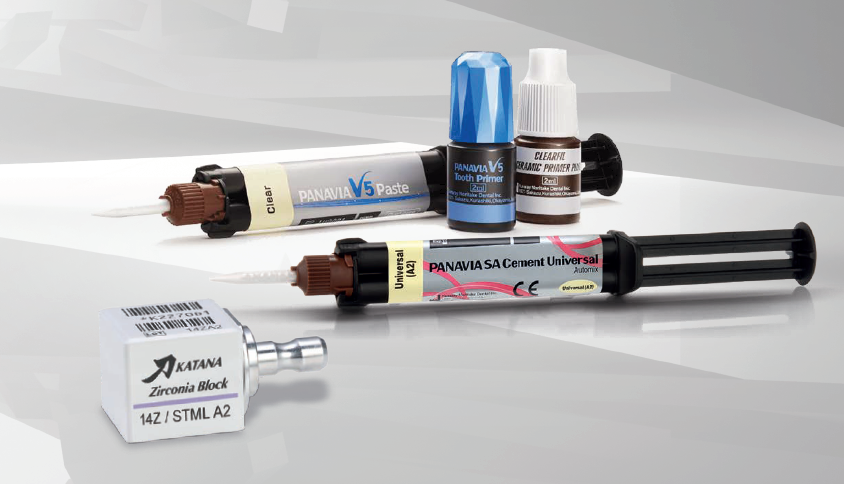
Of course, when finally cementing the restoration, the dentist needs to be confident that the cementation will be both reliable and durable. PANAVIA™ V5 is Kuraray Noritake’s strongest cement yet and offers unrivalled procedural simplicity and predictability. This amine-free paste is available in five different shades that have been scientifically demonstrated to exhibit less post-polymerisation colour variance than amine-based cements. For aesthetic and stable cementation, PANAVIA™ V5 is the best option.


It is clear that, with the translucent KATANA™ Zirconia series and these associated products, Kuraray Noritake has established a fully integrated system that can work for almost any prosthetic workflow. KATANA™ Zirconia is key to durable metal-free restorations.


Introducing the official Kuraray Noritake dental app

WHAT IS THE OFFICIAL KURARAY NORITAKE DENTAL APP?

This is an official app that keeps you informed about the latest updates on how to use our products, as well as our new products at your own time and convenience.


WHAT ARE ITS CHARACTERISTICS?


EASY TO GET PRODUCT INFORMATION!

Various product brochures are posted. Do you want to check the usage and product contents? Then install the app and get the information you want to know immediately.


MAGAZINE ARTICLES AND VIDEOS

New magazine articles and videos are also posted. Various visual approaches allow you to see product features and operating procedures.


USEFUL AUTOMATIC PUSH NOTIFICATION FUNCTION!

You will receive notifications such as application update information, new product information, magazine articles and others. With this function, you don’t need to worry about missing the latest news anymore. You can also get updated information about dental adhesive and ceramic materials that are indispensable for daily clinical use. Obtain and use valuable information for your medical treatment.


SUPPORT FOR YOUR DAILY CLINICAL PRACTICE!

“KATANA™ Color Simulator” that allows you to perform color simulation of KATANA™ Zirconia on the screen for the conditions of the abutment tooth and the target color of the prosthesis. In addition, “Cementation Guide” will help you with your procedures using our cements (PANAVIA™ SA Cement Universal and PANAVIA™ V5) through step by step instructions in which you will be able to select the type of abutment and prosthetic restoration.


Since you can easily view it from your smartphone or tablet, you can access it anytime and anywhere. There is no doubt that it will also be very useful as a staff training tool.


YOU’VE GOT LOTS OF BENEFITS! WHY DON’T YOU CHECK IT OUT?!


Download it here:


 Kuraray Noritake Dental

The universal alternative to cleaning with phosphoric acid

Phosphoric acid is not only used for etching enamel and dentin surfaces within dental bonding procedures, but also frequently as an intra- and extra-oral cleaning agent for tooth structure and dental restorations. But is phosphoric acid always the right choice?


Direct Restorations

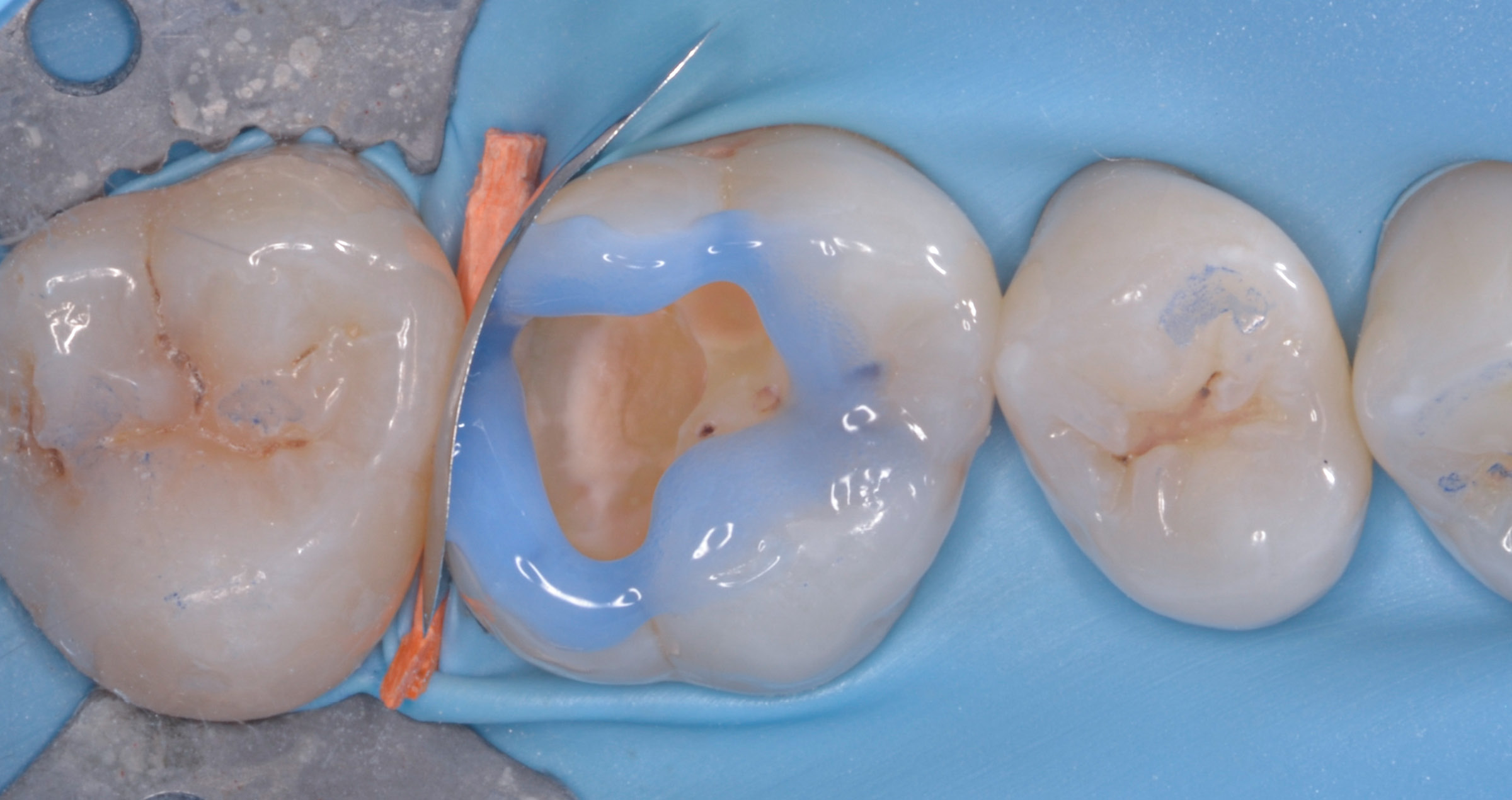
Many bonding procedures are performed using self-etch adhesive systems. When applied to the prepared tooth surface, the acidic monomers in the primer and/or the bond partially remove and modify the smear layer, resulting in a thin hybrid layer. A substantial amount of hydroxyapatite crystals remain on the slightly etched surface, enabling both chemical and mechanical adhesion between the adhesive and the dental tissue. If the bonding surface in the cavity is contaminated e.g. with blood or saliva, and phosphoric acid is applied for cleaning and decontamination, it etches the tooth structure, too, resulting in the removal of HAp. This will prevent the desired chemical adhesion, between the bonding system and the tooth, which may lead to compromised bond strength. Hence, cleaning with phosphoric acid may have a negative effect in this context and cannot be recommended.


Great cleaning results with no negative effect on the performance of the dental adhesive are obtained with the universal cleaning solution KATANA™ Cleaner. It contains an MDP salt of triethanolamine (MDP-TEA), as well as 'free' MDP. With a pH of 4.5, KATANA™ Cleaner is essentially neutral, meaning that, unlike phosphoric acid, it does not remove hydroxyapatite from the tooth. However, it does still effectively eliminate any saliva and/or blood contamination.


Indirect Restorations

For materials containing glass, such as lithium disilicate and feldspathic porcelain, phosphoric acid is a tried-and-tested agent for removing contamination, such as deposits produced when etching these materials with hydrofluoric acid. However, routine use of phosphoric acid to remove contamination from indirect restorations may not be wise. In fact, its use on zirconia is not recommendable, as it could inhibit the desired chemical adhesion of phosphate monomers in the bonding agent to the surface of the zirconia restoration.


When cementing prosthetics using self-adhesive resin cements like PANAVIA™ SA Cement Universal or cements that use self-etching primers (e.g. PANAVIA™ F2.0 or PANAVIA™ V5), the use of phosphoric acid on dentin is not recommended for the same reasons as in the case of direct restorations.


No pitfalls, no restrictions

Unlike 35% phosphoric acid, KATANA™ Cleaner is a product that cleans reliably without inducing negative side effects – independent of the type of tooth structure, kind of restorative material and planned bonding procedure. Hence, it is a universal cleaning solution that allows you to streamline your procedures.


Award-winning products 2020

With so many different adhesives, cements, and restorative materials available on the dental market, it seems difficult to decide which products are best suited to fulfil the individual requirements. A direct comparison obtained through testing of all products in the dental office is simply impossible due to the great number of available solutions. Laboratory investigations provide information about specific product properties, but usually cannot create the overall picture. Moreover, the results of different tests are barely comparable due to variations in the test conditions. Clinical study results are very useful as they shed light on the clinical (long-term) performance of selected materials, but they are usually published years after a product’s launch. Hence, they are not available in the early stages. A great source of information are practice-based evaluations, as they support potential users in identifying high-quality dental materials.


One of the institutions conducting and publishing practice-based clinical evaluations and product performance tests is the US-based DENTAL ADVISOR. Once per year, the dental materials and equipment with the best performance receive a Top Product or Preferred Product Award. The list of winners is published online (www.dentaladvisor.com) and in the January-February issue of the DENTAL ADVISOR. In 2020, numerous products from Kuraray Noritake Dental were among the award winners.


Top Product Awards

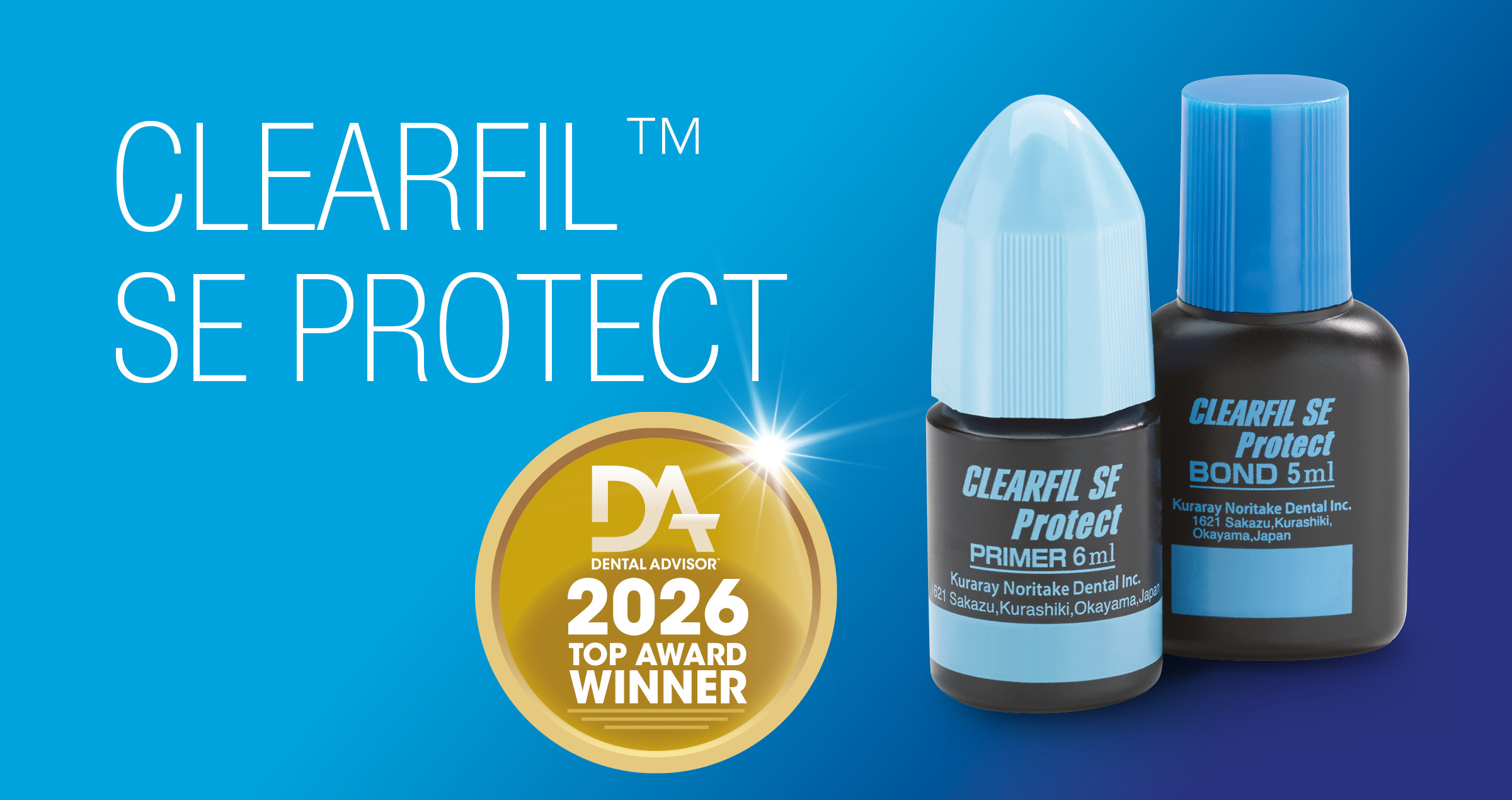
CLEARFIL™ SE Protect received a Top Product Award in the category Direct Restoratives, Bonding Agent: Self-Etch. The self-etch adhesive is based on the formulation of the gold standard two-step self-etch adhesive CLEARFIL™ SE Bond, but contains an extra MDPB monomer offering an antibacterial cavity-cleansing effect and fluoride for long-term fluoride release. The honoring of the DENTAL ADVISOR is based on a material test carried out by 13 DENTAL ADVISOR consultants and editors in their dental offices for six weeks. Due to its excellent performance, the antibacterial self-etch adhesive received a 98 percent clinical rating.


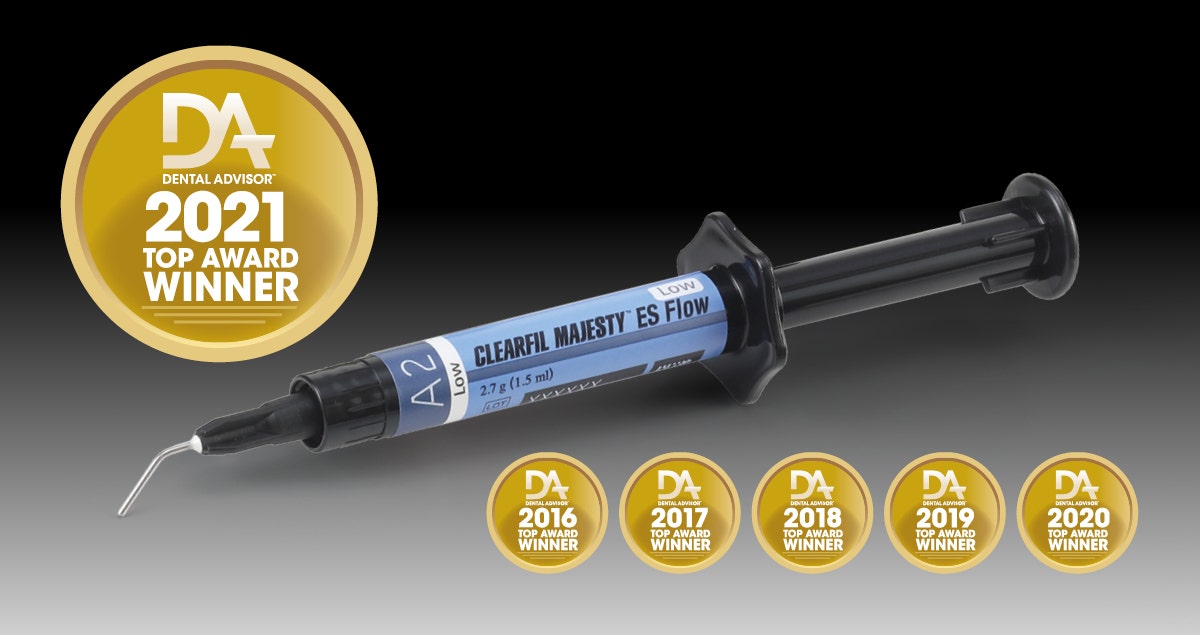
For the fifth year in a row, the Top Product Award in the category Direct Restoratives, Composite: Highly Filled Flowable went to CLEARFIL MAJESTY™ ES Flow. The universal flowable composite comes in three different levels of flowability, from high to super low*. This enables the user to choose the right viscosity for every clinical situation – with the high flowability variant being the perfect choice for cavity lining and repair procedures, and the super low flowability option being specifically suited for direct veneer procedures, build-up of posterior cusps etc. The universal flowable composite was tested by 29 consultants of the DENTAL ADVISOR in more than 900 clinical applications. The evaluated properties – placement/handling, esthetics, viscosity and polishability – were rated “excellent”. This led to a recommendation rate of 100 percent and a 98 percent overall clinical rating.

*DENTAL ADVISOR evaluated only the standard level of flowability (Low), because other two variants are not available in US.


Our third product receiving a Top Product Award in 2020 is PANAVIA™ SA Cement Universal (category: Cement: Self-Adhesive). The self-adhesive universal resin cement contains the unique LCSi monomer. This monomer is a silane coupling agent, which has an unique long carbon chain in its molecule, that establishes a durable, chemical bond with porcelain, lithium disilicate and composite resin without the need for a separate primer. The other key technology present in the formulation is the original MDP monomer, which ensures chemical reactiveness with zirconia, dentin and enamel. Together, the technologies ensure that PANAVIA™ SA Cement Universal produces a strong and durable bond with virtually every restorative material without the need for a separate primer. Its handling characteristics, aesthetics and gingival friendliness received very good to excellent ratings from 31 clinical evaluators, who used the cement in 516 applications. The result of the overall clinical rating was 96 percent.


Preferred Products

Among the 2020 Preferred Products is CLEARFIL™ Universal Bond Quick. The universal bonding agent may be applied using the self-etch technique or – together with K-ETCHANT syringe – in the selective enamel etch or total-etch technique. Containing our rapid bond technology – a combination of the original MDP monomer with innovative hydrophilic amide monomers – the adhesive works instantly and without the need for extended exposure times, application of multiple layers or extensive rubbing into the tooth structure. The fast and easy application procedure was one of the main reasons for the consultants of the DENTAL ADVISOR to select CLEARFIL™ Universal Bond Quick as a Preferred Product. In 2017, it already became the DENTAL ADVISOR Editor’s Choice with a 98 percent score in a clinical evaluation.


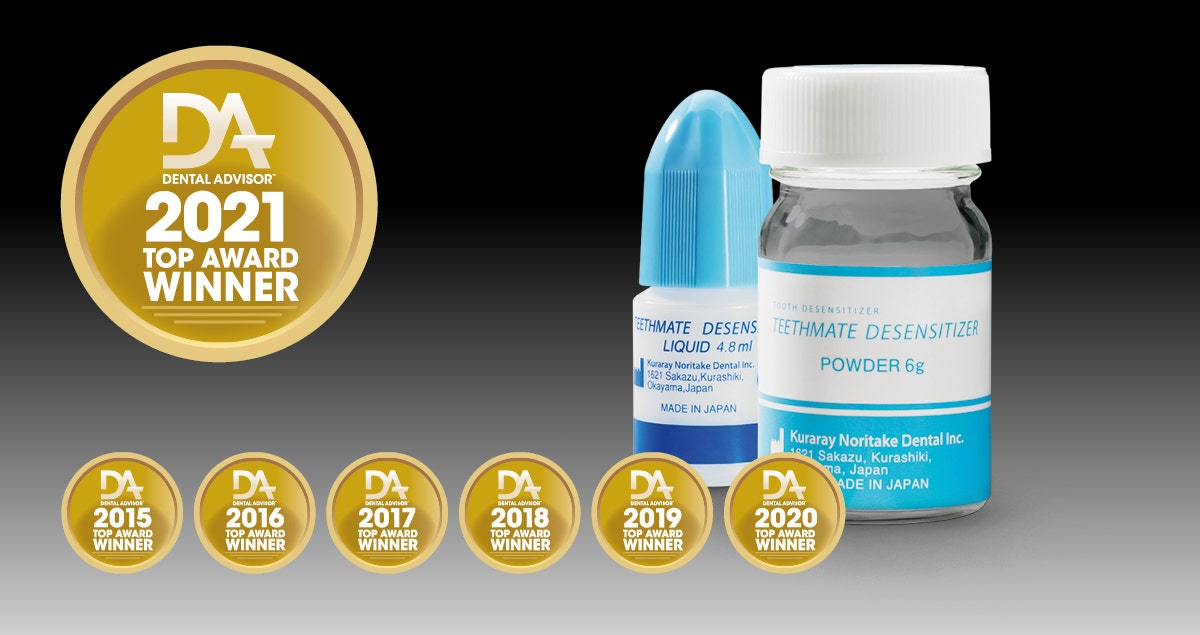
For the second year in a row, the universal prosthetic primer CLEARFIL™ Ceramic Primer Plus and TEETHMATE™ DESENSITIZER for hypersensitivity treatment. CLEARFIL™ Ceramic Primer Plus contains the original MDP monomer and a silane monomer, which ensure excellent bond strength to all kinds of restorative materials, i.e. to silica-based ceramics, zirconia, composites and even metals. Users benefit from procedural simplicity as the product is just applied and dried to the bonding surface after the recommended pretreatment. After clinical testing, the product received a recommendation rate of 96 percent and a 96 percent overall score from the DENTAL ADVISOR consultants.


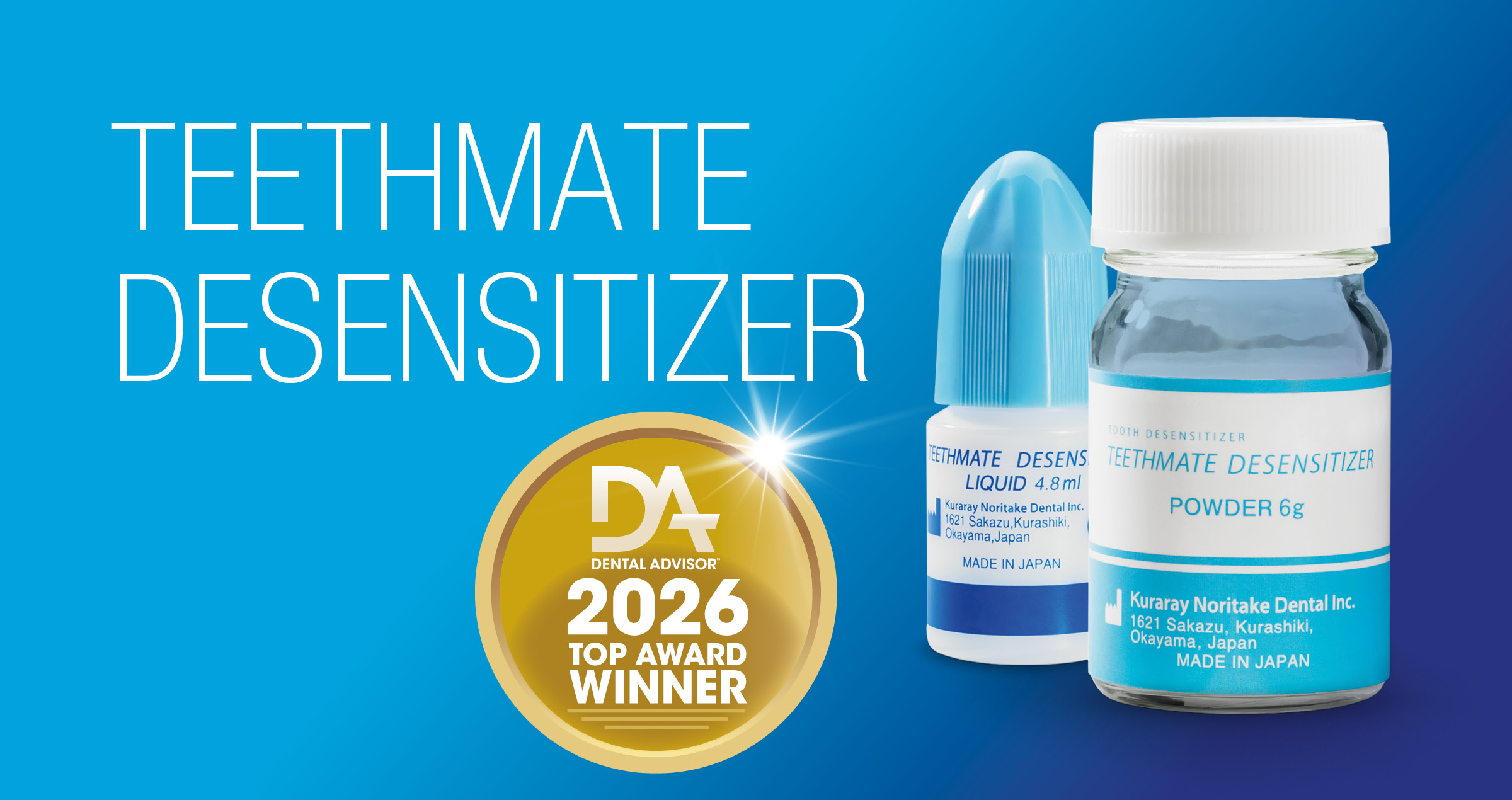
TEETHMATE™ DESENSITIZER was designed to create hydroxyapatite (HAp), which is able to occlude open dentinal tubules and enamel cracks. This leads to a significant reduction of hypersensitivities when applied to exposed, mechanically treated or freshly prepared dentin. When used in the context of restorative treatment, TEETHMATE™ DESENSITIZER does not have a negative effect on the bond strength of dental adhesives or cements. A clinical evaluation conducted by the DENTAL ADVISOR resulted in an excellent rating with a score of 96 percent.


Conclusion

Most of the Kuraray Noritake Dental products that received an award this year are based on resin technologies, one of our key competencies. In the 1980s, we developed the original MDP monomer, a functional monomer, which is an essential component of any adhesive product we introduced down to the present day, including the award-winning CLEARFIL™ SE Protect, PANAVIA™ SA Cement Universal, CLEARFIL™ Universal Bond Quick and CLEARFIL™ Ceramic Primer Plus. This is only one of our many areas of expertise. We also provide users with preventive products and a whole range of restorative materials – from composite filling materials like CLEARFIL MAJESTYTM ES Flow to dental ceramics like KATANA™ Zirconia UTML, STML and HTML. We see the winning of the awards as a positive proof of a reliable product performance that supports dental practitioners in reaching their own goals.

Introducing the KATANA™ Cleaner

When cementing a restoration during the trial fitting stage, it’s quite common to have reduced bond strength due to surface contamination caused by saliva, blood or even plaque in the dental cavity. To remove this contamination, you need a dental cleaning agent. Kuraray Noritake Dental is thus proud to introduce the KATANA™ Cleaner, a non-abrasive universal cleaner that delivers the bond strength your patients deserve.


Exceptional cleaning

The KATANA™ Cleaner has a high cleaning ability due in part to the surface active characteristic of its MDP-based salt. Hydrophobic groups of the salt adhere to the contamination, weakening the surface tension and causing it to break up. The contamination then floats from the tooth or restoration surface, and can be removed by rinsing with water.


This allows for establishment of the desired bond strength, ensuring that you can really be prepared to cement your restoration.

Unlike other dental cleaners, the KATANA™ Cleaner can be used both intra-orally and extra-orally owing to its relatively low pH value of 4.5.


Apply, rinse and dry

As is the case for many Kuraray Noritake Dental products, this cleaner is backed by extensive scientific research and is designed to be as simple to use as possible. The KATANA™ Cleaner comes with a single-handed delivery cap, and its application is straightforward: just apply with a rubbing motion for at least 10 seconds, rinse with water and air-dry before cementation.


A wide range of indications

The KATANA™ Cleaner is suitable for a wide range of dental and metal restorations. It can be used on enamel or dentine, on dental ceramics such as zirconia, on composite resins and on dental posts.

Pairing ideally with the KATANA™ Cleaner is PANAVIA™ V5, a resin cement with unrivalled simplicity and predictability. Together, these products highlight Kuraray Noritake Dental’s commitment to delivering optimal cementation.


But how does it compare?

Of course, you might say that it’s not just enough to promote the benefits of the KATANA™ Cleaner in a vacuum. For that reason, we’ve provided a handy chart that shows how it compares to other cleaners already on the market: