Blog

Clearfil Majesty es-2 Universal

Pressmeddelande Clearfil Majesty ES-2 Universal

Intelligent komposit 
Effektiva och estetiska direkta restaurationer med nya
„CLEARFIL MAJESTY ES-2 Universal“

Tid är alltid en bristvara på tandläkarmottagningen och hygienkraven i samband med COVID-19 har betonat detta ytterligare. Det är logiskt att eftersträva effektivisering för att minska patientiden, utan att påverka kvalitet på behandlingarna och estetiska resultat.
CLEARFIL MAJESTY ES-2 Universal från Kuraray Noritake Dental gör detta möjligt: snabb färgbestämning och framställning av estetiska och hållbara direkta restaurationer med en enda färg vid behandlingar.

Färgtagning behövs inte längre. Genom den intelligenta optiska integrationen smälter CLEARFIL MAJESTY ES-2 Universal in i omgivande tandvävnad utan synliga övergångar.

CLEARFIL MAJESTY ES-2 Universal består av ett kompakt sortiment med färgnyanser:

  • Universalfärgen (U) används för alla posteriora restaurationer.
  • Det anteriora området ställer högre estetiska krav och klinikern kan då välja mellan färgerna Universal Light (UL) och Universal Dark (UD).
  • Universal White (UW) är avsedd för särskilda fall som till exempel restauration av primära tänder.

Att det kompakta färgsortimentet fungerar så väl beror på Kuraray Noritake Dentals ljusdiffusionsteknik som gör att restaurationen sprider ljuset på liknande sätt som tandstrukturen. Det är därför det applicerade materialet smälter in praktiskt taget osynligt i den omgivande tandstrukturen.

Övertygande mekaniska egenskaper gör CLEARFIL MAJESTY ES-2 Universal färgerna mycket väl lämpade för både anteriora och posteriora restaurationer. I likhet med övriga produkter i serien CLEARFIL MAJESTY ES-2 har den här innovativa produkten hög hållfasthet, fördelaktig nötningsresistens och balanserad krympspänning för tillförlitliga resultat – även i belastade posteriora områden. Materialet är lättpolerat och bibehåller glansen vilket skapar ett naturligt utseende som är särskilt fördelaktigt i anteriora regionen.

CLEARFIL MAJESTY ES-2 Universal-färgerna finns i kapslar och sprutor för ett tidssparande och enkelt sätt att skapa estetiska, starka och hållbara restaurationer.

Mer information finns på webben under www.kuraraynoritake.eu/se/clearfil-majesty-es2-universal

För pressfrågor, kontakta:infonordics@kuraray.com

Clearfil majesty es-2 universal

Förenklad posterior fyllningsprocedur utan färgtagning

FÖRENKLAD POSTERIOR FYLLNINGSPROCEDUR UTAN FÄRGTAGNING

av Or Piotr Marchewka

Effektivitet är en viktig faktor när det handlar om posteriora fyllningar med komposit. Den kan till exempel uppnås genom att välja ett material som eliminerar behovet av färgtagning och genom användning av förenklad skiktningsteknik. Fallet nedan, restaurerades en första molar och en andra premolar med CLEARFIL MAJESTY ES-2 Universal (U) med användning av enfärgstekniken.

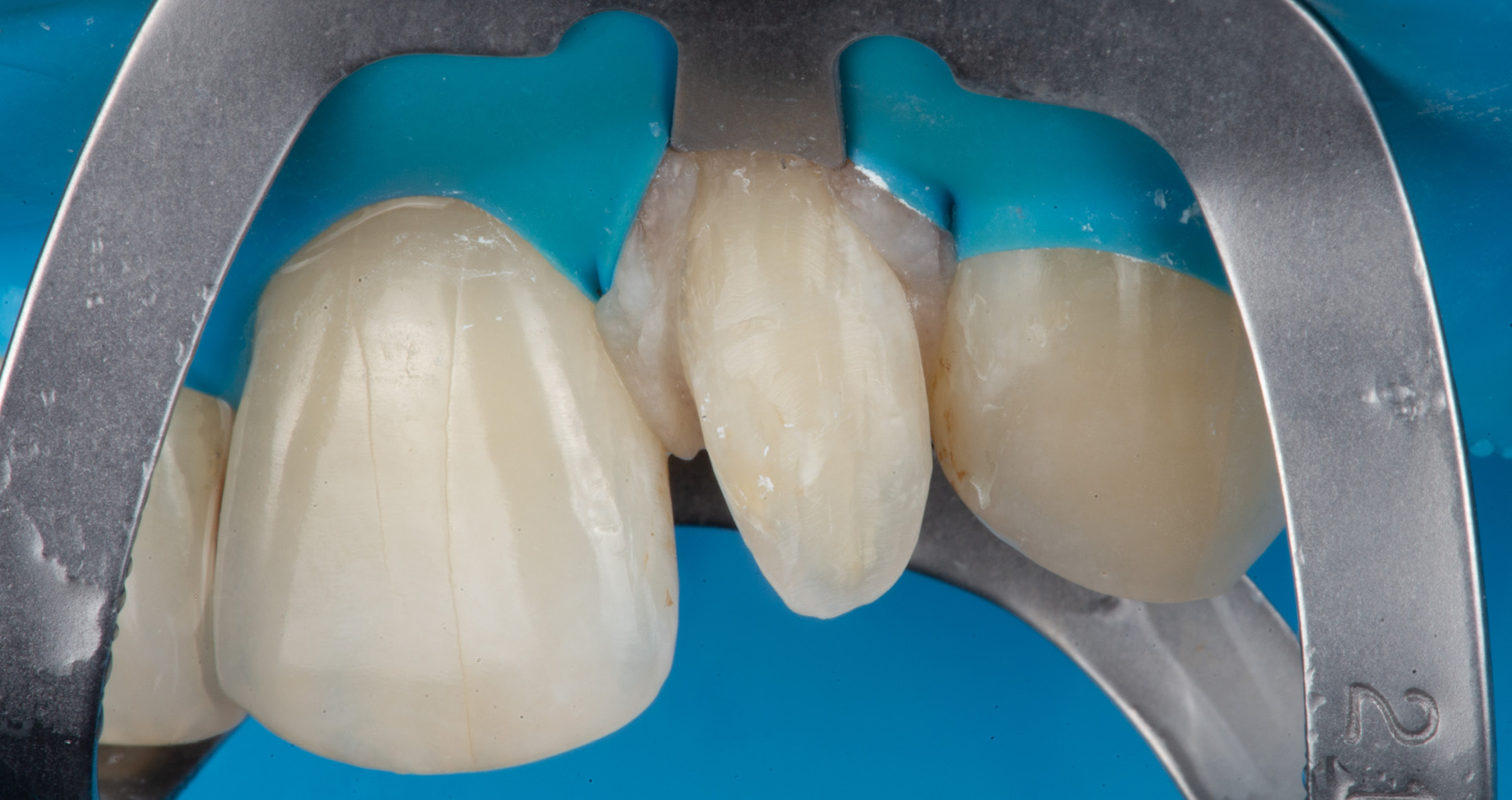
lnitial situation. Karieslesioner konstaterades på de ocklusala och palatinala ytorna på den första molaren och på den distala delen av den andra premolaren. Kofferdam placerades för fuktkontroll.

Tänderna efter avlägsnande av karies, selektiv etsning av emaljen och applicering av CLEARFIL SE BOND 2.

Sektionsmatris på plats. Den används för all underlätta skapandet av en bra interproximal kontakt.

Ocklusal vy av de slutliga restaurationerna framställda med CLEARFIL MAJESTY ES-2 Universal.

Mesio-ocklusal vy av de slutliga restaurationerna. Ytorna polerades med CLEARFIL Twist Dia.

Slutlig situation efter avlägsnande av kofferdam och ocklusala justeringar.

ZIRCONIA ON ZIRCONIA

By Marco Stoppaccioli


In today´s society, due to higher life expectancy, greater and more responsible attention to one´s body, we have developed a culture more sensitive to personal well-being. Consequently, more patients with total removable prostheses request stabilization of their prostheses through implant treatment which offers the most effective and valid response to this need.


The demand for implant treatments has increased significantly during the last decade, specifically from patients with long-term full prostheses resulting in considerable bone resorption1, but are hesitant to undergo complex bone regeneration interventions (Photo 1).


These rehabilitations require great commitment and professional skills. In addition to restoring a complex series of aesthetic-functional parameters that have been lost. Innovative products were developed, not only the restoration of the dental, but also, the orthopedic aspects of the procedure.


Photo 1: Upper and lower Jaw situation models.


Initially, the dental-skeletal rehabilitations involved the exclusive use of metal posts combined with acrylic materials.


In recent decades, we have witnessed an evolution in the surgical techniques and materials used, among these, zirconia2 has a significant and highly innovative role. The main reason for its success is due to the possibility of being able to use it anatomically through a simple and effective protocol thanks to CAD CAM technology.


Zirconia, created to be covered with ceramic coatings, has undergone a profound evolution: from an exclusively structural material with high strength but low aesthetic appeal, it has become anatomical, constituting an alternative to layered restorations. Thanks to research and innovation, optimizing chemical and physical parameters3 in the dental industry, we now have a wide range of products, including multi-layer zirconia.


In more analytical terms, it offers a very valid response to the translucency, which is inversely proportional to the flexural strength. On the market this material class oscillates between 550Mpa and 1200Mpa of flexural strength. This characteristic identifies its indication range, specifically depending on the yttrium oxide content, which acts as a stabilizer of zirconia.


For dental-skeletal rehabilitations, the protocol involves the use of multi-layer monolithic zirconia with marked characteristics of flexural strength but lower translucency which determines a limit in the aesthetic sense. On the other hand, the use of multi-layered zirconia with high translucency cannot be considered suitable, due to its lack of flexural strength, despite fully meeting the requirement for naturalness.


To date it can be said that there is no zirconia that offers high mechanical properties combined with high translucency, two fundamental aspects for successful restorations.


Considering these factors, the idea was born to generate an innovative and experimental protocol capable of supporting, on the one hand, the ability of CAD/CAM systems to copy exactly a project or even better, a functionalized provisional implant, and on the other, to associate the use of two zirconia with different characteristics: one extremely tough, white colored zirconia with 1125 MPa (KATANA™ HT Kuraray Noritake) and the other super translucent multi-layered zirconia with 750 MPa (KATANA™ STML Kuraray Noritake).


OPERATIONAL PROTOCOL

In dental-skeletal rehabilitations, success depends on a precise diagnosis by the clinician, aimed at the functional and aesthetic restoration of the case. It is a fundamental task of the dental technician to translate this information through the creation of a wax-up, both analog and digital.


Photo 2: Digital wax-up.


Photo 3: Analog wax-up.


Thanks to digitization, with a 3D printer, it is possible to realize the wax-up quickly and economically in a prototype, capable of allowing the clinician to perform an initial test in the oral cavity.


Photo 4: From design to 3D prototype.


Once the adequacy of the prototype under study has been certified, the next phase involves the construction of the provisional implant which, placed in the oral cavity for a specified time, provides the fundamental information from an occlusal point of view, both in static and dynamic conditions.


The first strength of this protocol is to capture all information about the provisional implant and transfer them to the final work through digital systems. In other words, the provisional implant itself becomes the design of the final product.


Photo 5: Temporary result of analog project.


Photo 6: Acquisition of temporary arches refitted on the models.


FINAL PROCEDURE: OPERATING PHASES

Once the scans of the temporary implant have been acquired in the digital platform, the structural frame obtained by reduction of the temporary implant file is generated. The framework will be made by using KATANA™ HT white colored zirconia (Kuraray Noritake Dental Inc.) with a flexural strength of 1125 MPa. This choice is attributable to an adequate toughness of the material and an effective aesthetic chromatic response on the pink ceramic coating.


Photo 7: Structural framework.


Photo 8: White zirconia framework, 1125 MPa (KATANA HT).


Once the structural file is generated, it is called up within the modeling software to create the anatomical components that will be divided into quadrants.


Photo 9: File divided into three seqments.


The selected material is multi-layered KATANA™ Zirconia STML by Kuraray Noritake Dental Inc. with a flexural strength of 750 MPa and high translucency. KATANA™ Zirconia STML shows an optimized balance between mechanical and optical characteristics.


The author's choice to divide the anatomical components into three segments has a dual purpose: the first is to have a better quality of the milling and the second is to reduce the material waste of the zirconia disc as much as possible.


Photo 10: The three segments after sintering.


Once the frameworks are obtained, before they are merged with each other, the anatomical parts are finished and polished; only the areas excluded from the functional part will be sandblasted. Special attention must be paid to the surface texturing of the anterior sectors5, with cutters, discs and rubbers dedicated for this purpose. The surfaces that remain shiny offer a lower abrasion coefficient than the natural tooth6; in fact, the abrasiveness depends on the surface smoothing. Polished zirconia has lower abrasion coefficients than lithium disilicate and layered ceramics7.


The adhesion between the anatomical and structural zirconia components is achieved by fusion with Noritake Cerabien ZR Low Fusion ceramic.


Photo 11: Anatomical components joined to the structural framework.


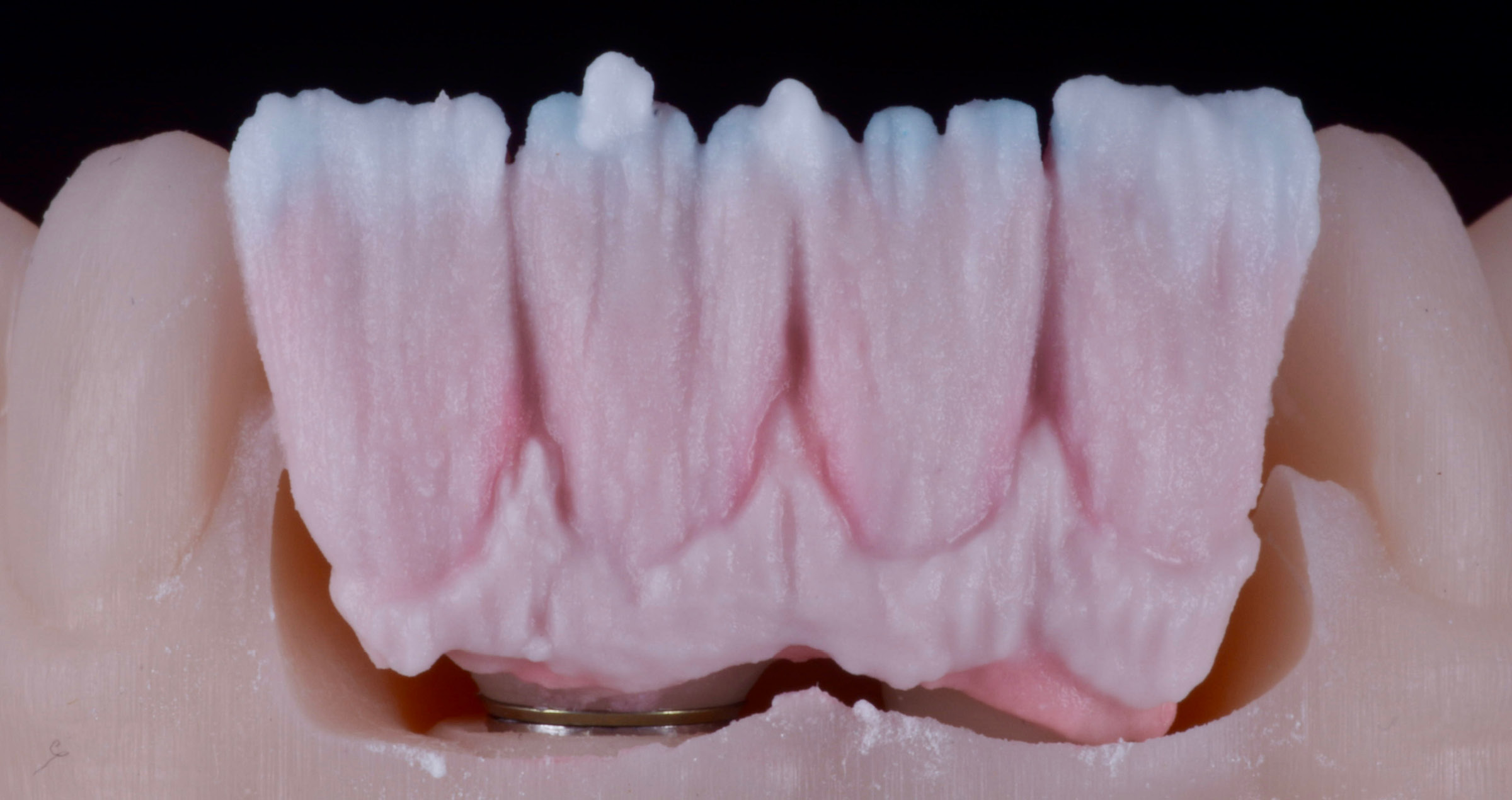
Once the adhesion between the zirconia components has been obtained, the first analog phase involves the creation of the gum parts, with dedicated pink gingival masses at a high temperature of 940 C° (CZR™ Tissue Kuraray Noritake Dental Inc.). The author selects three gingival masses with which the keratinized and vascularised parts are reproduced8, peculiar to the natural gingival tissue.


Photo 12: Used CZR™ Tissue porcelain.


Photo 13: Application of CZR™ Tissue porcelain.


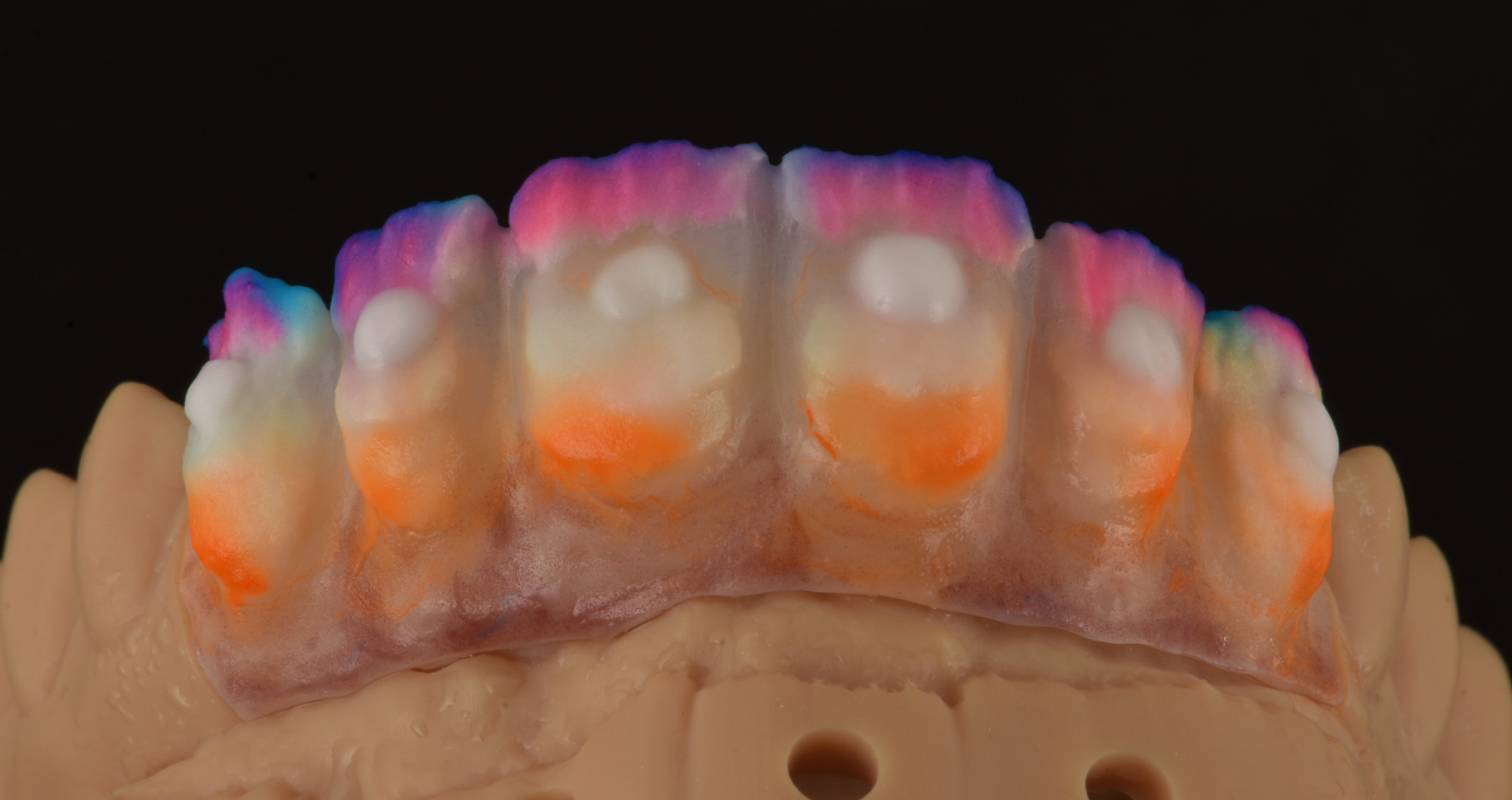
Once the pink gingival parts are finalized, the coloring of the anatomical components will follow with the use of dedicated low temperature stains (CZR™ FC Paste Stain, Kuraray Noritake Dental Inc.) which, together with the high translucency of the anatomical zirconia, guarantees a high aesthetic result.


With gray, blue and black shades, it is possible to give a high degree of translucency to the incisal edges. With warm shades, like orange and yellow, the transitions of the anatomical crowns are emphasized, while with a few spots of strong color it is possible to give character and uniqueness to the teeth.


Photo 14: Used shades of CZR™ FC Paste Stain.


The low baking temperature of CZR™ FC Paste Stain guarantees the non-alteration of the gingival component. The final step involves glazing the sandblasted parts.


Photo 15: Final situation.


Photo 16: Occlusal view.


CONCLUSION

The strength of dento-skeletal rehabilitations made of monolithic zirconia, which is a stable, reliable and highly biocompatible material is, through the possibility of using CAD/CAM technology to make an exact copy of a case or, even better, a functionalized temporary implant.


Photo 17: Matching with wax-up.


The 1125 MPa zirconia is ideal for this type of prosthesis, however, does not offer an aesthetic quality. Therefore, the combination of two zirconia materials, one extremely strong and the other highly aesthetic, fully satisfies this requirement.


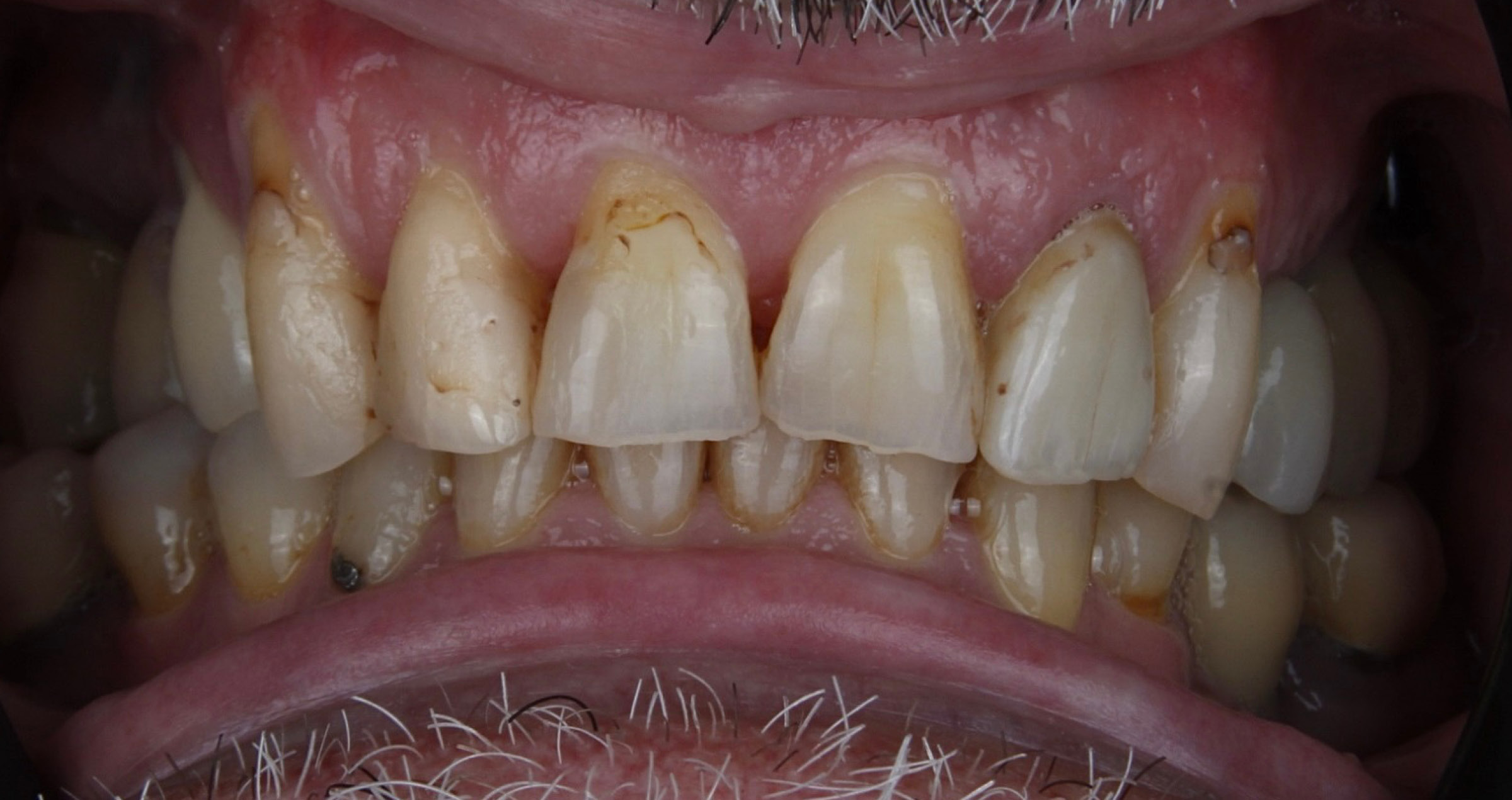
Photo 18, 19: Intra-oral situation.


BIBLIOGRAPHY:


1) Matteo Chiapasco, Eugenio Romeo La riabilitazione implantoprotesica nei casi compless, UTET S.p.A. 2003 Unione Tipografico-Editrice Torinese.

2) Piconi C. ,Rimondini L. ,Cerroni L. , La zirconia in odontoiatria, Masson, 2008.

3) Stawarczyk B., Ozcan M., Hallmann L., Ender A., Mehl A., Hammerle CH., Effect of zirconia sintering temperature on flexural strengh, grain size and contrast ratio. Clin oral investig, 2013.

5) Shigeo Kataoka, Yoshimi Nishimura , Morfologia naturale dei denti, Edizione internazionale Milano 2003
La riabilitazione implantoprotesica nei casi compless.

6) Oh W., Delong R., Anusavice K., Factors affecting enamel and ceramic wear: A literature review. J Prosthet Dent 2002.

7) Preis V., Bher M., Kolbeck C., Hahnel S., Handel G., Rosentritt M., Wear performance of substructure ceramics and veneering porcelains, Dent Mater, 2011.

8) Rutten L. & P., L’estetica su impianti, editrice MEA, 1999.


Thanks: Dr. Fortunato Alfonsi, Odt. Raoul Pietropaolo.


Den universella trenden inom tandvården

Tandvården upplever just nu en intressant utveckling. Medan tandläkare blir allt mer specialiserade, fortsätter efterfrågan att öka på produkter som kan användas för alla indikationer. Dessa system och material är del av en universell trend inom tandvården – en trend som Kuraray Noritake Dental är extremt väl lämpat att tillmötesgå.


Utveckling av adhesiv tandvård

Vartefter teknologin har utvecklats, har dentala adhesiver gått från ingen etsning till totalets och senare självetsande system. 1978 introducerade Kuraray Noritake Dental CLEARFIL™ BOND SYSTEM-F, världens första totaletsande adhesivsystem. Mer än fyra decennier senare, sätter företaget fortfarande standarden med CLEARFIL™ Universal Bond Quick, en en-stegs dental bonding som kan användas vid totalets, som självetsande eller vid selektiv etsning.


Med en kombination av Kurarays genuina originella MDP-monomer och hydrofila amidmonomerer, är CLEARFIL™ Universal Bond Quick designad för att vara mindre teknikkänslig än andra en-stegslösningar och har vetenskapligt bevisats ge en starkare, mer stabil bindning.


Det är heller inte bara bondingmedel som blir mer universellt applicerbara. Ett dentalt cement som Kuraray Noritakes PANAVIA™ SA Cement Universal bygger på succén från de tidigare generationerna av PANAVIA™ att ge optimal bindning till dental vävnad såväl som till metall och zirkoniamaterial. Till detta självetsande resincement används alltid samma procedur, även vid bonding till porslin, litiumdisilikat och kompositer, utan behov av någon primer. Anledningen? Tillsatsen av en unik långkedjesilan (LCSi).


Universalkompositer och rengörare


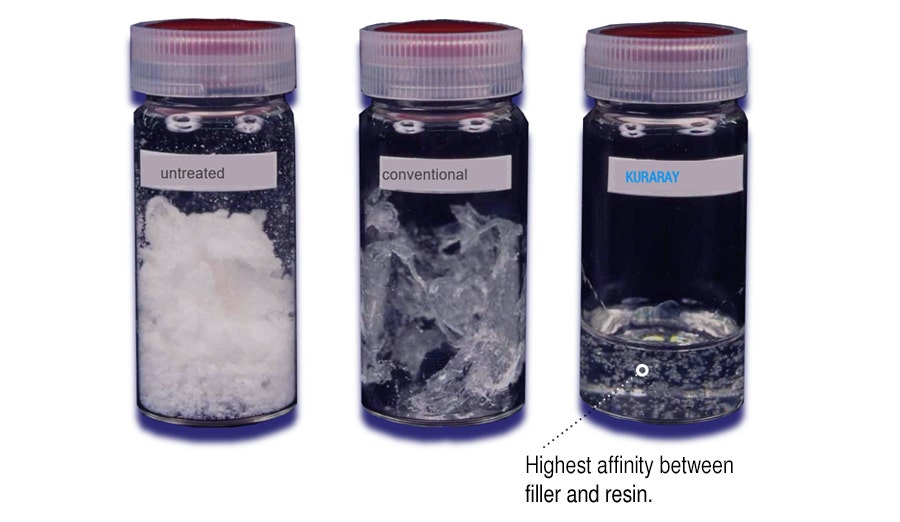
Silanteknologin bakom PANAVIA™ SA Cement Universal finns även i CLEARFIL MAJESTY™ ES Flow, en universell flytande komposit, lämplig för alla kavitetsklasser. De små, starka fillerpartiklarna hjälper till att försäkra utmärkt böjhållfasthet och mekanisk styrka, medan speciella klusterfiller ger en ljusdiffusion som motsvarar den i naturliga tänder. Att skapa estetiskt naturliga och pålitliga restaurationer är lättare än någonsin med CLEARFIL MAJESTY™ ES Flow.


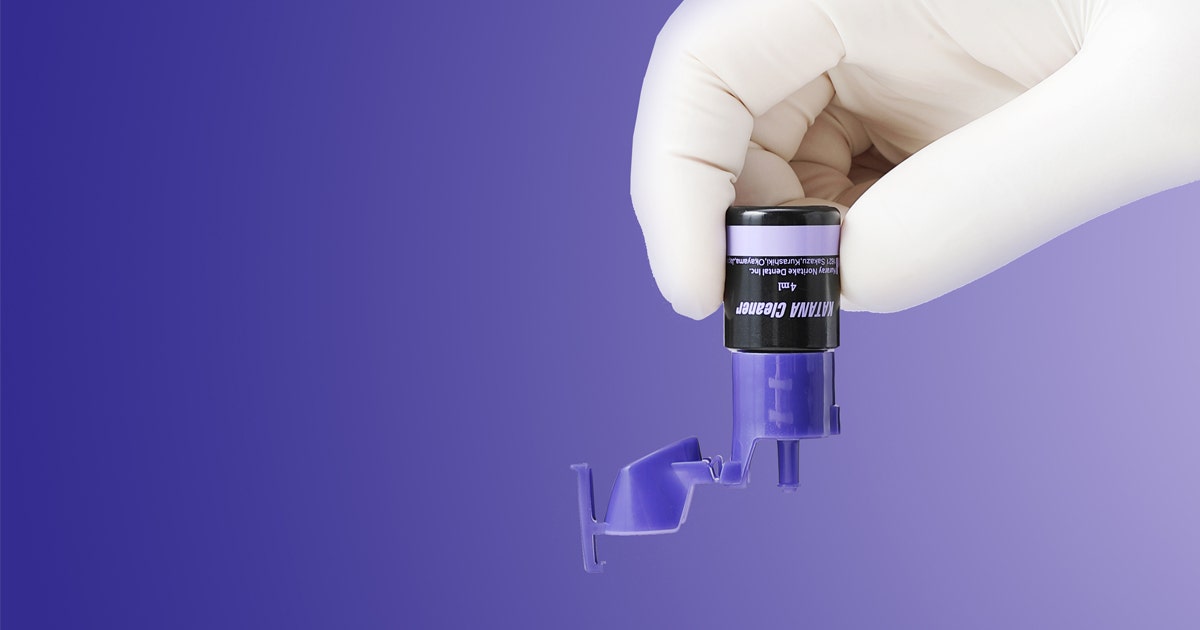
När vi talar om Kuraray Noritakes framgångar inom universella lösningar, ska vi inte glömma den nya KATANA™ Cleaner, en icke-abrasiv rengörare som, till skillnad från andra lösningar på marknaden, kan användas både intra- och extraoralt. Med ursprung i omfattande vetenskaplig forskning, levereras KATANA™ Cleaner med en en-handsmanövrerad hatt och en extremt enkel metod för applicering: bara applicera med en gnuggande rörelse i minst 10 sekunder, skölj med vatten och lufttorka före cementering.


Att effektivisera tandvården

Den moderna dentala praktiken är ofta multidisciplinär till sin natur, vilket kan leda till ett behov av att förvara många fler produkter än det finns utrymme för. Genom dessa och andra universella produkter, tar Kuraray Noritake sikte på att göra tandvården enklare och mer effektiv.


Historien, nuläget och framtiden för adhesiv tandvård - Intervju med Prof. Bart Van Meerbeek


Som en av huvudredaktörerna för Journal of Adhesive Dentistry, är Prof. Bart Van Meerbeek en av de mest respekterade auktoriteterna inom ämnet dentala bondingmaterial. Här diskuterar han hur de har utvecklats över de tre senaste decennierna och hur framtiden för adhesiv tandvård kan tänkas se ut.


Prof. Van Meerbeek, hur har bondingmaterialen förändrats och utvecklats sedan du först började studera dem?

Jag tror att de stora framstegen den dentala adhesiva teknologin gjort under de senaste 30 åren, och framför allt bondingmaterialens utveckling, har haft en stor påverkan på tandvården i allmänhet och självklart på den restaurativa tandvården i synnerhet. Många av de nuvarande restaurativa dentala procedurerna drar nytta av adhesiva material och tekniker och har avancerat betydligt jämfört med när jag skrev min avhandling för mer än två decennier sedan på ämnet adhesion till dentin. Adhesion till emalj är, naturligtvis, relativt lätt att åstadkomma i jämförelse med adhesion till dentin och, när jag först började forska på detta ämne, var jag begränsad till att utföra kliniska tester där vi konfronterades med ett relativt högt antal förlorade restaurationer på kort tid. Jag har haft turen att på nära håll kunna följa den utveckling dental bonding har genomgått, efter att ha bedrivit forskning inom det här fältet i närmare 30 år nu.


Vid en tidpunkt, började forskningsvärlden inse att det finns ett “smear layer” i mellanskiktet, som uppstår vid preparation av kaviteten, och detta lager inverkar på bindningen. Om du vill uppnå en framgångsrik mikromekanisk och kemisk bindning till substansen, behöver du först göra något åt detta smear layer.


Därefter, kom tiden för conditioners och primers. Tidigare hade de verksamma i den restaurativa vården varit lite rädda för att använda fosforsyra, på grund av dess potential för pulpairritation. Men mer och mer, började tandläkare att använda etsmedel som innehöll denna kemikalie, såväl som primers som effektivt förbättrade bindningen mellan det adhesiva resinet och dentin. Efter att ha uppnått en utmärkt bondingeffekt med flerstegsadhesiver i laboratoriet, vilket senare bekräftades i kliniska studier, fokuserade den fortsatta designen och utvecklingen av adhesiva material på förenkling och förkortning av bondingprocedurerna.


Ur detta kom två typer av adhesiver, som använde två olika metoder för bonding, att utvecklas: etsa-och-skölj-adhesiver och de självetsande, eller etsa-och-torka-adhesiver. Den senaste generationen av universaladhesiver låter nu tandläkaren välja vilken av de två metoderna som ska användas, med samma adhesiv.


Vilka fördelar ger bondade restaurationer jämfört med mer traditionella metoder?

Bondade restaurationer är minimalt invasiva – tandläkaren behöver inte avlägsna frisk vävnad för att skapa underskär för att hålla restaurationen på plats, vilket tillåter en mer konservativ approach. Att behålla så mycket emalj som möjligt ska vara ett mål för alla restaurativa procedurer, eftersom den helt enkelt är den bästa vävnaden att bonda till. Trots att bonding till dentin alltid har varit mer utmanande och faktiskt har bromsat våra strävanden under lång tid, kan adhesiv restauration av tänder, även innefattande effektiv bonding till dentin, numer uppnås på ett pålitligt, förutsägbart och hållbart sätt.


Tillsammans med mycket framgångsrik implantologi för att ersätta saknade tänder, vilket minskar behovet av broar, har restaurationer av enstaka tänder ökat avsevärt i antal. Bonding gynnade ytterligare övergången från vävnadsinvasiva kronor till vävnadsbevarande partiella tandrestaurationer, eftersom moderna adhesiver kan hålla dessa partiella restaurationer på plats på ganska flata och även icke-retentiva ytor. Bondingprocedurer tillåter dessutom att man uppnår restaurationer med ett mer naturligt utseende, genom tekniker att adhesivt cementera estetiska restaurationer av glaskeramik och även starka zirkoniakeramer, som inte ens de längre kan anses vara omöjliga att bonda.


Vad är din åsikt angående den nuvarande generationen av universella adhesivsystem?

Jag tycker att den här generationen adhesiver är mycket bra, men att de fortfarande inte alltid är lika bra som den mer traditionella gyllene standarden med tvåstegs självetsande eller trestegs etsa-och-sköIj-adhesiver vad beträffar den verkliga potentialen för bonding till dental vävnad. Jag ser det dock som positivt att många av dessa universaladhesiver har integrerat MDP-monomeren, vilken bör anses vara en av de mest funktionella monomerer som finns i dag, även om den behöver finnas i hög koncentration och med hög renhet.


MDP-monomeren är, i generall mening, även förträfflig för bonding till zirkonia. När det handlar om bonding till olika typer av keramer såväl som resinbaserade kompositmaterial, är det alltid värdefullt att veta vilka universaladhesiver som innehåller silan och sägs inte längre vara i behov av ytterligare förbehandling av restaurationen. Detta ger fördelarna med lägre teknikkänslighet och färre steg i proceduren – förutsatt att de, faktiskt, fungerar. Det finns nya vetenskapliga bevis för att de silan som ingår i dagens sura vattenbaserade universaladhesiver, dock inte är tillräckligt stabila. Lyckligtvis pågår forskning för att utveckla nya universaladhesiver som innehåller andra silaner med högre stabilitet i vatten och vid högre surhetsgrad.


Framför allt, tror jag att en primer för restaurationer som innehåller en hög koncentration av silan tillsammans med MDP-monomeren fortfarande är mer effektiv än många universaladhesiver för bonding till restaurationsmaterial, eftersom dessa universaladhesiver kan innehålla flera andra ingredienser som skapar en slags konkurrens inom materialet att nå och interagera med substratets yta, vilket leder till sämre bindning.


Ett annat tillkortakommande för universaladhesiver är deras tunna fimtjocklek och relativt höga hydrofilicitet, vilket gynnar vattenupptag och därmed gör dem känsliga för hydrolytisk nedbrytning. I ljuset av detta, är det viktigt att notera att när en viskös och hydrofob flytande komposit appliceras på en universaladhesiv, kan det i viss mån kompensera för detta och tillåta att en hållbar bindning uppstår.


År MDP-monomeren avgörande för den slutliga framgången för universaladhesiver? Finns det andra faktorer som kan påverka detta?

Nåväl, det är väldigt klart att MDP-monomeren är en av de mest effektiva monomererna som finns, tack vare dess primära kemiska bindningspotential till hydroxylapatit. Hur som helst, så finns det signifikanta skillnader på MDP-monomerernas renhet och koncentrationsnivåer i dessa produkter, faktorer som påverkas av om monomeren är syntetiserad av företaget självt, eller om den processen är outsourcad. I grund och botten, en universell adhesiv som innehåller en hög koncentration av mycket ren MDP-monomer borde fungera bäst.


Finns det några specifika fördelar som utmärker självetsande adhesiver?

Den största fördelen är att de inte tar bort all hydroxylapatit och mineraler som finns i dentinet och håller på så sätt det svagare dentinala kollagenet skyddat. Etsning med fosforsyra resulterar i relativt djup och total demineralisering med exponering av kollagenet, vilket gör bindningen mer benägen att degradera. Att delvis behålla mineraler runt kollagenet med användning av en milt självetsande adhesiv tillåter dessutom att att en stark jonbindning uppkommer, i synnerhet när adhesiven innehåller den funktionella monomeren MDP. Man ska dessutom vara medveten om att, även om kemisk bindning inte nödvändigtvis leder till högre bindningsstyrka, kan den skapa bättre hållbarhet på lång sikt.


Vad ser du som nästa steg för den adhesiva tandvården?

En möjlighet är att reducera antalet steg i adhesionsprocessen, med det slutliga målet att ha självadhesiva restaurationsmaterial. Det har skett en utveckling i denna riktning, inklusive studier och kommersiella produkter, men produkterna har inte alltid visat sig vara speciellt effektiva och bindningens hållbarhet har varit oklar. Nu dock, kommer nyare material på marknaden med anspråk på att kunna användas utan någon förbehandling. Deras kliniska effektivitet måste, icke desto mindre, fortfarande bevisas och garanteras innan sådana självadhesiva restaurationsmaterial kan användas som verkliga alternativ i rutinerna för den dagliga praktiken.


En annan möjlighet, och en nuvarande hype inom forskning och utveckling, är utvecklingen av bioaktiva adhesiver. Många dentala forskare och många företag vill att adhesiver inte bara ska ge en god bindning, utan även ha vissa terapeutiska fördelar. Vad exakt en bioaktiv adhesiv egentligen är beror på vem du pratar med. Vissa forskare tycker att de ska ha antibakteriella egenskaper, medan andra konstaterar att remineralisering av dentin och interaktion med pulpaceller krävs för att de ska kvalificera som “bioaktiva”. Vi behöver definitivt undersöka om det är möjligt att vi kan ge dessa material dessa ytterligare egenskaper, men på ett villkor: att de adhesiva materialen inte tappar något av sin ursprungliga bindningsförmåga. Detta är, enligt min åsikt, den största utmaningen för den framtida adhesiva tandvården.

Our latest "BOND" magazine is available now!

Volume 7 of our "BOND" magazine is now published and ready to read!


Content Highlights:

  • Composites versus hybrid ceramics
  • Flowable composites a universal solution?
  • Universal adhesives, is one bottle sufficient?


Start Reading: BOND | VOLUME 7 | 10/2020


Recording 14.10.2020 17:00 CEST - Dr Alessandro Devigus on Dental photography as valuable documentation aid

Dental photography as a valuable documentation aid

The main purpose of photography in dentistry is documentation. The aim is to collect as much information as possible under reproducible conditions. For this purpose, the camera used, its accessories and the format and lighting of the intra- and extra oral recordings relevant to dentistry must be standardized. Under standardized photographic conditions, the recordings made can be compared with one another, even if the later recordings are made only after a long period of time and by different photographers. Only in this form can dental photography be used as a valuable documentation aid. The standards described by Wolfgang Bengel in 1985 are still valid, but they have to be updated and adapted to technical innovations.


In this webinar, the current development in the field of dental photography and related areas will be briefly explained.


Dr. Alessandro Devigus has had his own practice with a focus on CEREC since 1990, editor-in-chief of the International Journal of Esthetic Dentistry.


Topic: Dental photography as a valuable documentation aid
Date: Wednesday. October 14, 2020 - 17:00 - 18:30 CEST
Time: approx. 90 min (including discussion and questions)


Recording 16.09.2020 17.00 CEST - Dr Dirawi on Zirconia; What's new with this old material?

ZIRCONIA: NEW INSIGHTS INTO TRIED AND PROVEN MATERIAL

You learn from your mistakes, but it’s better if you can learn from those of others. Dr. Dirawi will share his experience, tips and tricks when it comes to creating perfect Zirconia restorations.
Having great material like KATANA Zirconia is an excellent starting point. Yet to achieve highly aesthetic outcome you need to be aware of the unexpected pitfalls and challenges that can be prevented.
Join our webinar and learn what Dr. Dirawi has to say after years of using Zirconia. Bonus – we will have a conversation about cementation of zirconia as well, to achieve durable robust results.


DR WISSAM DIRAWI DDS, MALMÖ, SWEDEN

  • Teacher at Malmö Dental University in Sweden
  • Researcher in the fields of ceramics and implant complications
  • Long clinical experience from public dental care and private dental care
  • Expert in ceramics, implants and digital dentistry
  • 2018 - Specialist in Oral Prosthodontics
  • 2000 - DDS


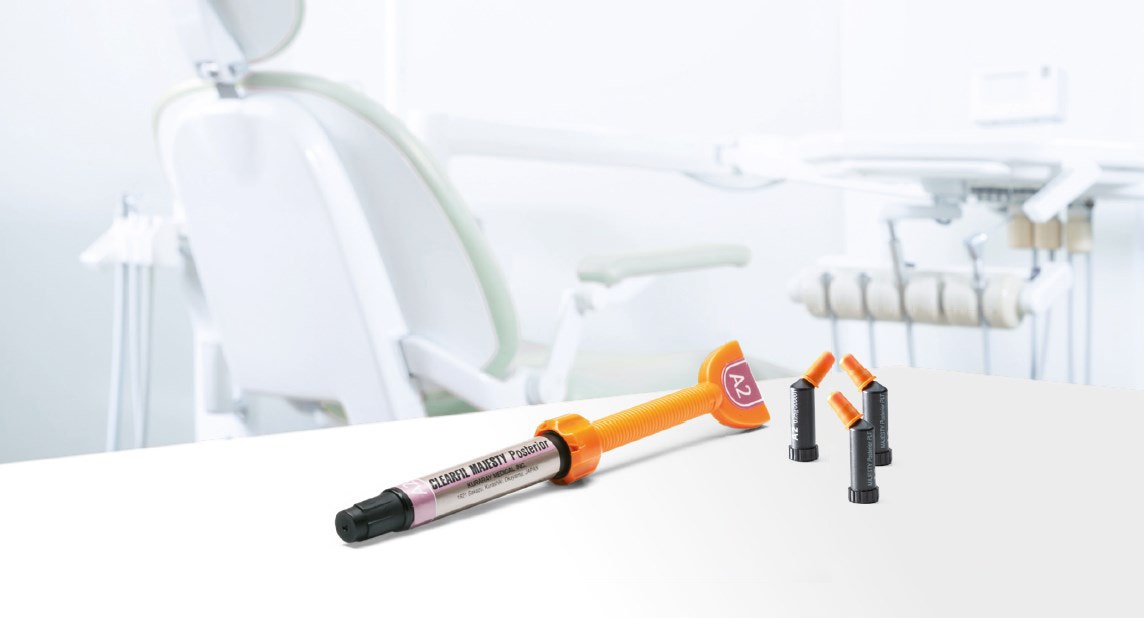
Clinical case with CLEARFIL MAJESTY™ Posterior

By Magdalena Osiewicz, DDS, MSc, PhD


Fig. 1 Defective composite resin restoration in molars.


Fig. 2 Application of CLEARFIL™ SE BOND 2 to cavities.


Fig. 3 Restoration of the cavities with CLEARFIL MAJESTY™ Posterior in the A2 Classic shade.


Fig. 4 Final restorations of Class I and II with CLEARFIL MAJESTY™ Posterior and polish with CLEARFIL™ Twist DIA.


CLEARFIL MAJESTY™ Posterior is a resin composite with high strength and great optical properties developed for posterior restorations and suitable even for the most demanding patients. Figure 1 shows the initial clinical situation with insufficient resin composite restorations in the lower molars. After removal of the old fillings, the cavities were treated with CLEARFIL™ SE BOND 2 (Figure 2).


Then, I restored them with CLEARFIL MAJESTY™ Posterior in the A2 Classic shade (Figure 3). The fissures were highlighted with brown color modifier. Finally, finishing was performed in three steps: The excess of composite resin was removed with a fine-grained diamond bur. Final contouring was accomplished with a carbide bur, before CLEARFIL™ Twist DIA was used to obtain a natural gloss (Figure 4).


CLEARFIL MAJESTY™ Posterior is characterized by high mechanical strength, hardness and bending strength, a low coefficient of thermal expansion, low polymerization shrinkage and good aesthetics. Due to these features and a reliable long-term behavior, CLEARFIL MAJESTY™ Posterior should have a place in every dental office for direct posterior restorations. Excellent outcomes are achievable and therefore I recommend its use.


Dentist:

Magdalena Osiewicz, DDS, MSc, PhD


Department of Integrated Dentistry, Jagiellonian University, Krakow, Poland.

Department of Dental Materials Science, Academic Centre for Dentistry Amsterdam (ACTA), University of Amsterdam and Vrije Universiteit Amsterdam, Amsterdam, the Netherlands.

Department of Integrated Dentistry, Jagiellonian University, Krakow, Poland.

Department of Dental Materials Science, Academic Centre for Dentistry Amsterdam (ACTA), University of Amsterdam and Vrije Universiteit Amsterdam, Amsterdam, the Netherlands.


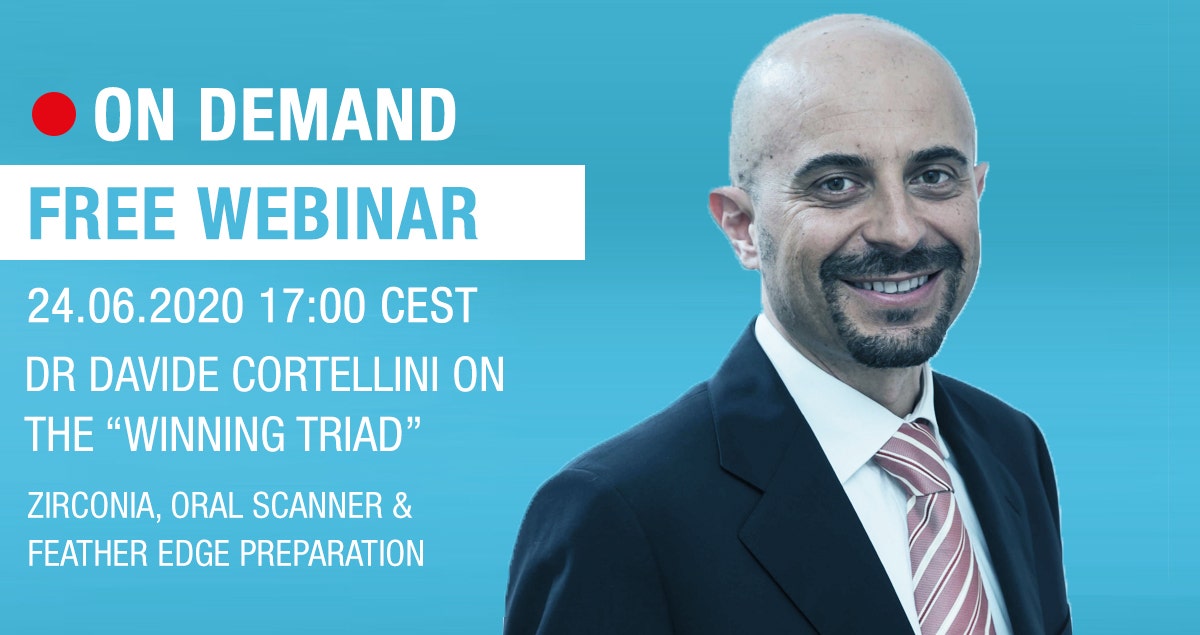
Recording 24.06.2020 17.00 CEST - Dr Davide Cortellini on the “winning triad”

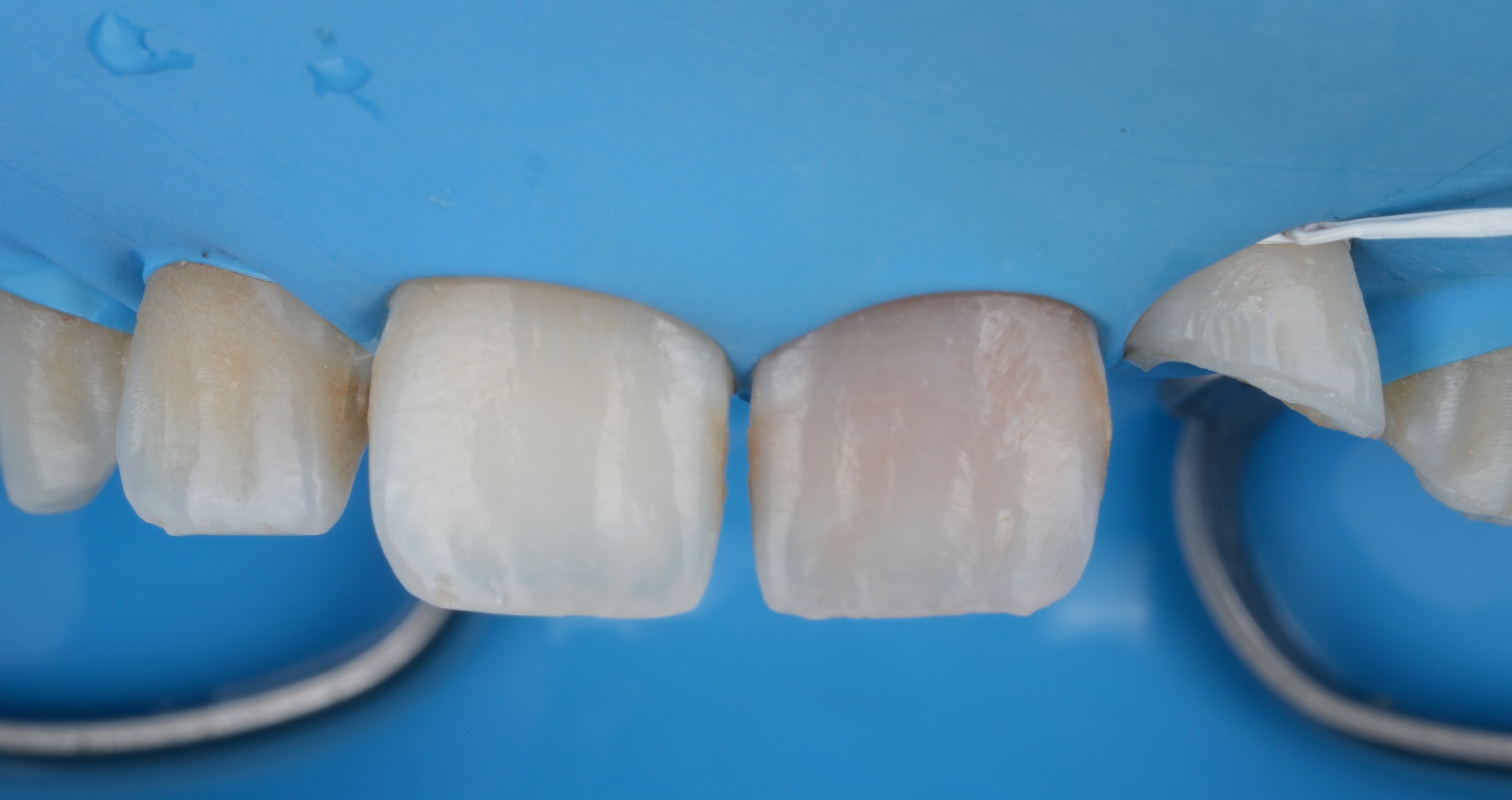
Zirconia, Oral scanner, feather edge preparation: the “winning triad”

The introduction of digital technology associated with the development of the latest zirconia materials offers the clinical and the dental technician a wide range of solutions to achieve aesthetics and function in a simple, predictable and above all conservative way. A further type of vertical preparation called "Minimally Invasive Vertical Preparation" has been introduced, applicable to numerous prosthetic clinical situations including cases of aesthetics. Minimally invasive vertical preparations, new type of zirconia and intraoral scanners represent a “winner triad” for today's prosthetic therapy.


ABOUT DR DAVIDE CORTELLINI

Graduated with honors in Dentistry at the University of Siena in 1992, wins the scholarship of the Italian Society of Periodontology (SIDP) for the year 1994-95. He therefore has the opportunity to attend the Department of Periodontology and Fixed Prosthesis of Prof. NP. Lang at the University of Bern in Switzerland, carrying out clinical and research activities. He obtained the title of "Doctor Medicinae Dentium" (D.M.D.) at the same University in 2000.

Author of scientific publications in international journals, he is an Active Member  of the Italian Academy of Prosthetic Dentistry (AIOP). Active member of the International Academy of Digital Dentistry (IADDM). He lectures in Italy and abroad, and he owns his private practice in Riccione mainly oriented to digital, aesthetic and complex prosthetic rehabilitations.


EC Certificate of Kuraray Noritake Dental Inc. products

At Kuraray Noritake Dental Inc. we are proud that our products are being developed using innovative technologies, paying attention to detail and keeping in mind the needs of our customers.


We are committed to offering outstanding products that provide dental professionals with the flexibility for self-expression and creativity, adding value and delivering superb aesthetic results to each and every procedure.


Usability, simplicity and, of course, quality always in mind - providing dental professionals with materials that will make their daily practice stress free.


As a prove that our products meet the needs of dentists and lab technicians alike, we are happy to share with you the EC Certificates of Full Quality Assurance System that we have received from The Notified Body.  Those can be downloaded below.


Chairside products


Labside products


Anmäl dig för nyheter
Gå med tusentals tandläkare och få gratis råd som kan hjälpa dig och din karriär. Vi kommer inte skräppost eller dela din e-post.