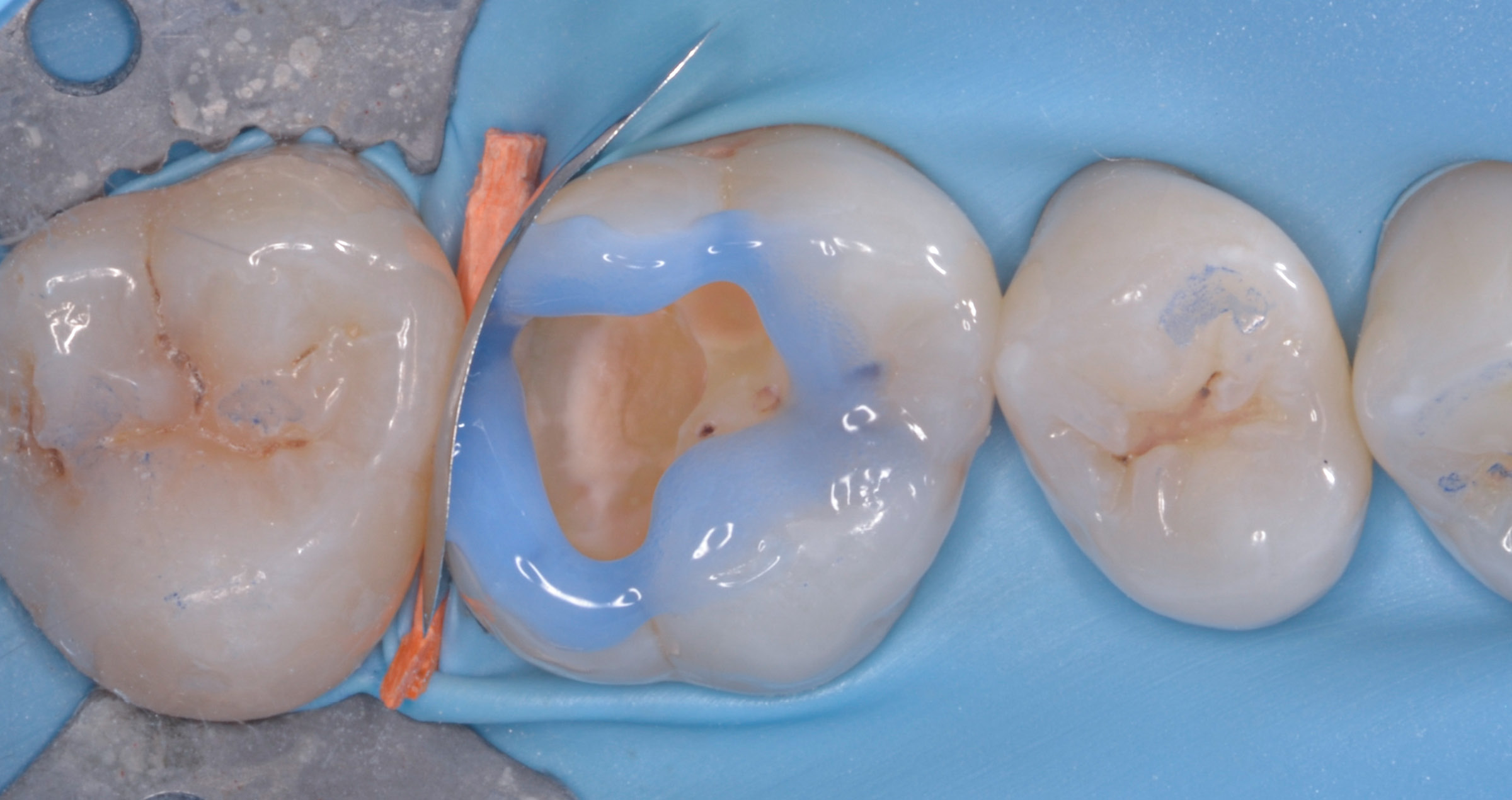
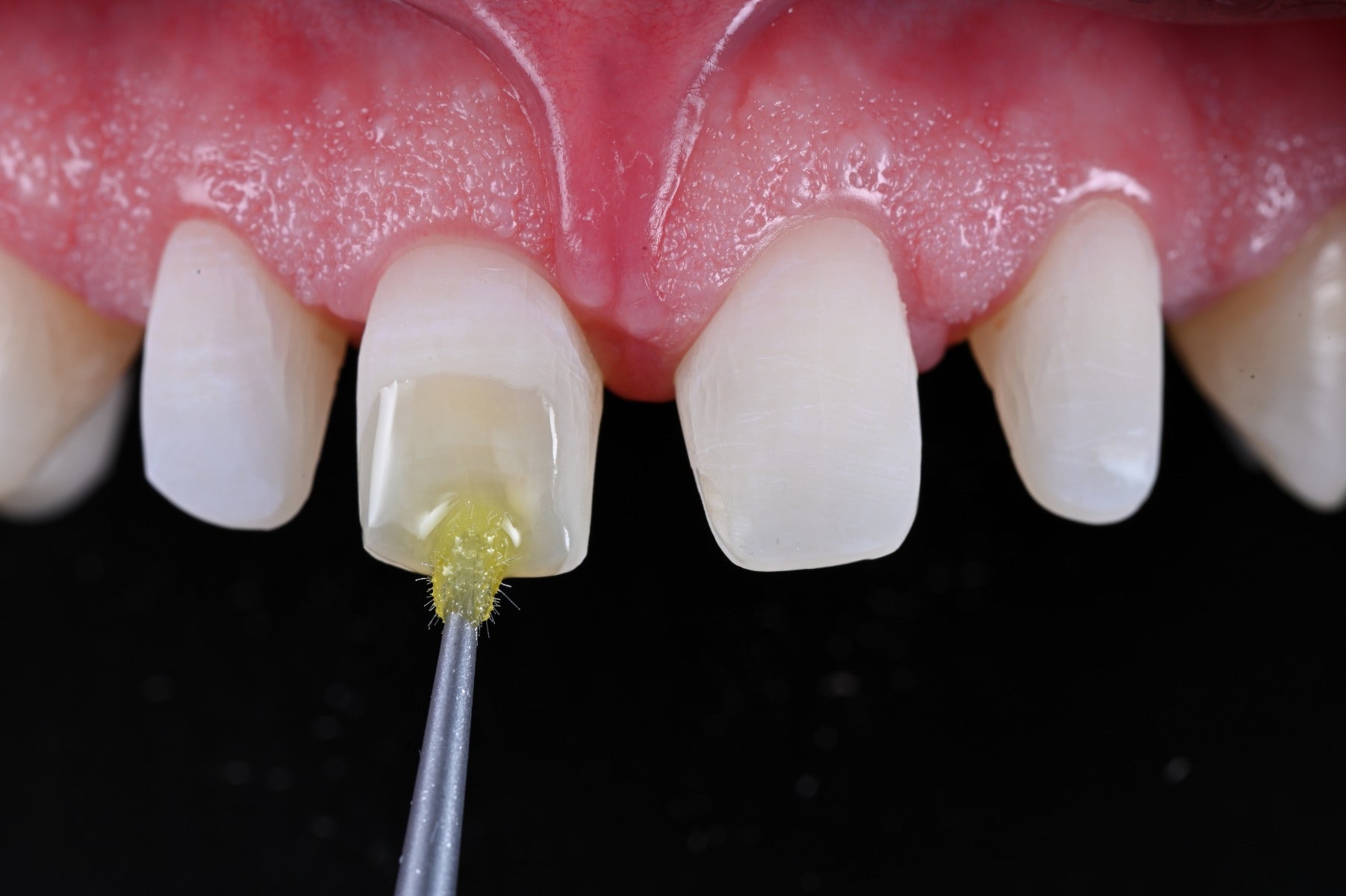
News Feature Selective Adhesive Luting: A Novel Technique 20 feb 2024 Selective Adhesive Luting (SAL) is a hybrid technique for universal resin cements. It entails the application of a universal adhesive system only on easily accessible abutment surfaces, enabling simultaneous adhesive and self-adhesive luting in different portions of the abutment. A description of this novel technique and scientific evidence for the achieved effects is provided in this article authored by Prof. Breschi and colleagues from the University of Bologna. Its title:“Selective adhesive luting: A novel technique for improving adhesion achieved by universal resin cements”. A VERSATILE RESIN CEMENT PANAVIA™ SA Cement Universal is a universal resin cement that may be applied in the self-adhesive mode – without any additional components – in many clinical situations. It even offers great bonding performance to lithium disilicate without the need for a separate bottle of silane. In-vitro studies have shown that the resin cement is moisture tolerant and versatile, establishing a strong and durable bond to virtually all kinds of restorative materials as well as to enamel and dentin. ENHANCING THE BONDING PERFORMANCE On the side of the tooth, however, the best possible bonding performance is obtained by applying CLEARFIL™ Universal Bond Quick as a separate tooth primer. Hence, you may want to settle for this two-component adhesive luting technique in particularly challenging situations. It is still less complex than traditional adhesive luting and produces excellent outcomes. MOISTURE SENSITIVITY AND WORKING FIELD CONSIDERATIONS To function properly, however, universal adhesives need a completely dry working field, while self-adhesive resin cements are less sensitive to moisture. Thus, you might wonder which technique is best suited if you need the strongest possible chemical bond to enamel and dentin, but proper isolation with rubber dam is challenging or impossible – for example, because the abutment is short or the preparation margin is in a subgingival position. The solution in this case is termed Selective Adhesive Luting. Selective application of a universal adhesive to those areas of etched enamel that are not at risk of being contaminated by moisture.
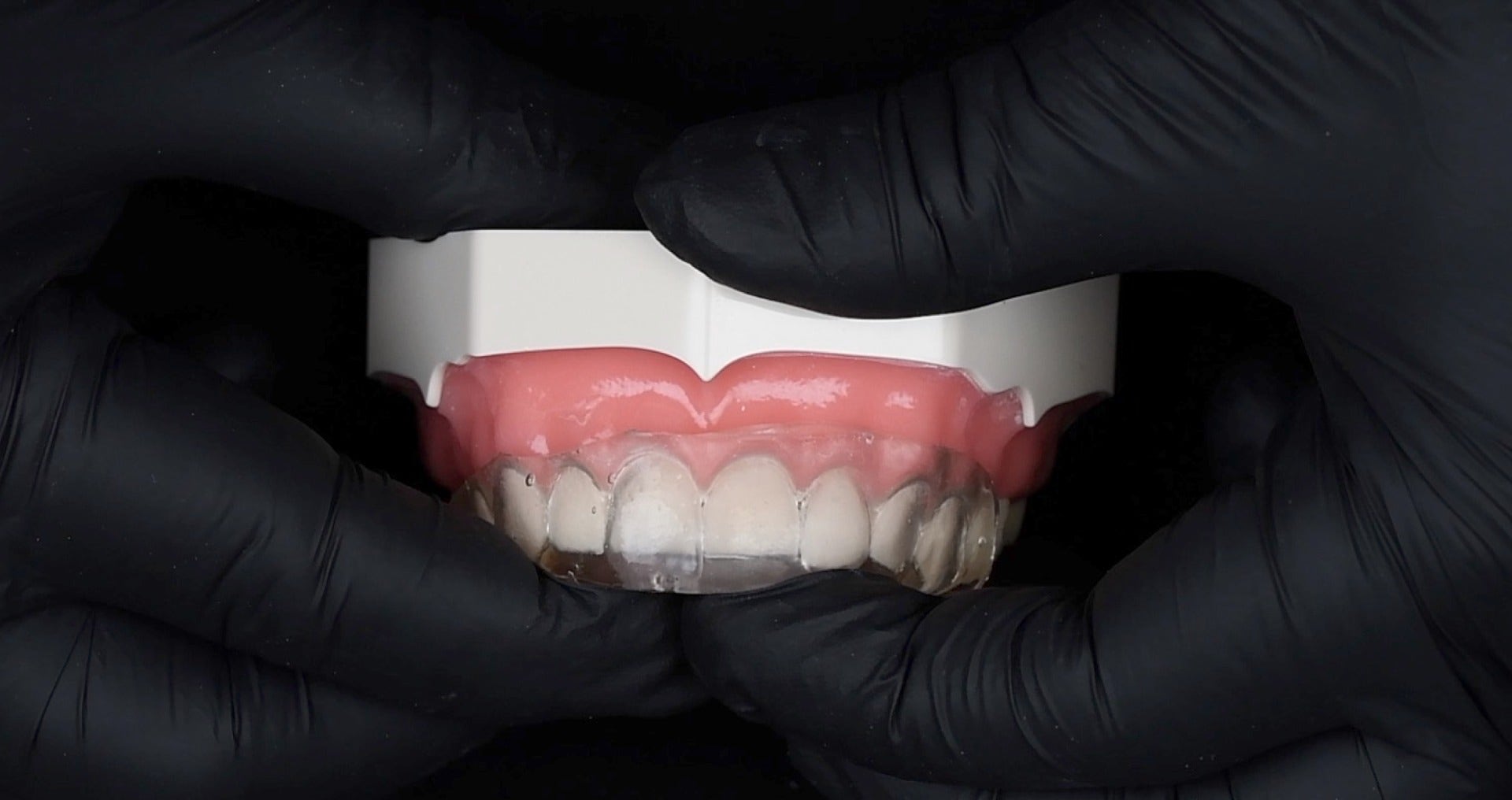
News Feature Flowable Injection Technique. What to do to avoid air bubbles in composite restorations? 13 feb 2024 Article by Dr. Michał Jaczewski COMPOSITE RESTORATIONS IN DENTISTRY Composite restoration is the most common procedure performed by the dentist. There are many restorative techniques and a variety of restorative materials used in dentistry. Regardless of the type of material, the method of restoration and where it is applied, common issue is air bubbles in or at the surface of the composite layers. The composite restoration should be homogeneous to ensure the tightness of the filling and its durability. Repairing bubble defects is tedious and sometimes requires the replacement of the filling or part of it. Depending on the type of composite (flowable or paste composite) and/or the placement technique, the amount of defects may vary, but there are several causing factors. MATERIAL CHOICE In the Flowable Injection Technique, we use flowable composites, which obviously flow easily but are also sensitive to incorrect application. The first cause of forming air bubbles is the homogeneity of the material itself. Bubbles can be incorporated in the syringe at the manufacturing stage or during use. By using premium products, we can be sure that the highest quality material is supplied, and that the structure and design of the syringe allows for proper operation to reduce the formation of air bubbles within the material. IMPORTANCE OF SYRINGE DESIGN CLEARFIL MAJESTY™ ES Flow composite is designed to prevent the formation of air bubbles during dispensing. The special design of the syringe and plunger limit the possibility of dripping as well as backflow of the material during or after dispensing. A unique safety feature inside the syringe is the special O-ring construction which prevents the material from flowing after pressure is released and at the same takes care for minimal retraction but avoiding the plunger from retracting too much. RETRACTION OF PLUNGER Another cause of air bubble formation is the incorporation of air into the syringe by deliberate retraction of the plunger. If the practitioner or ancillary staff have a habit of retracting the plunger after administering the composite, they may cause air to enter the syringe. During a following use the air will more than likely show up in the restoration as an air void. IMPORTANCE OF PRESSURE ON THE INDEX In the Flowable Injection Technique, we use a silicone index in which we apply the material to build up the tooth. The index should fit tightly to the tooth and should not move or being moved during injection. If it does air bubbles may show up. Pressing and then releasing the index will cause a suctioning effect and pull the composite away from the tooth as well as from the index. To avoid defects, constant pressure on the index should be maintained from the moment the material is injected until polymerisation. Various modifications of the silicone index can be used to limit its mobility and reduce the risk of uncontrolled pressure on the tooth. Such an example is the index made on the interlip ("one yes one no") model, which provides a very high degree of stability as well as working safety. WIDTH OF THE INJECTION HOLE Another cause for getting air in the restoration is the width of the injection hole. If the hole is too tight, the index can be moved by the application tip during insertion or application. To avoid this problem, the hole could be widened to allow free insertion as well as manipulation of the tip during injection. A wider opening also allows any air to escape during dispensing. Most important , however, is to apply the material at continuous pressure and avoiding pulling out and reinserting the tip into the index. This may result in a non-uniform composite layer. Would you like to know more about Flowable Injection Technique? Read the insightful and inspirational interview with Dr. Michal Jachzewski. Dentist: MICHAL JACZEWSKI Michał Jaczewski graduated from Wroclaw Medical University in 2006 and today runs his private practice in the city of Legnica, Poland. He specializes in minimally invasive dentistry and digital dentistry and is the founder of the Biofunctional School of Occlusion. Here he lectures and runs workshops with focus on full comprehensive patient treatments.
News Feature Versatile flowable composite for everyday dental challenges 30 jan 2024 AWARD WINNING PRODUCT For the 9th year in a row, CLEARFIL MAJESTY™ ES Flow (Low) has been named a Top Product by Dental Advisor, which announced in its JAN/FEB 2024 issue its choices for dental materials and equipment found to deliver the best practice-based performance based on the publication’s annual review of such products. ABOUT THE PRODUCT CLEARFIL MAJESTY™ ES Flow, which is available in three different levels of flowability, was the Top Product honoree in the Direct Restorative Category and was also given Editor’s Choice award for its medium viscosity version - Low. Rather than limit practitioners to a single viscosity that might not be ideal for all flowable composite indications, CLEARFIL MAJESTY™ ES Flow comes in one version firm enough to stay in place when applied, another malleable enough to fashion a specific shape, and a third runny enough to flow into every corner or undercut. The practitioner would thus be able to select the best version for the job at hand—choosing the high flowability variant for cavity linings and as a resin coat in immediate dentin sealing (IDS) procedures, but instead, the super low flowability option for direct veneer procedures and for the build-up of cusps, etc. Beyond its handling advantages, this universal flowable composite, which incorporates Kuraray Noritake Dental Inc.’s Light Diffusion Technology, is highly esthetic, with optical properties that enable the practitioner to fashion lifelike restorations that integrate seamlessly with the surrounding tooth structure. EVALUATION The flowable composite tested by the 29 DENTAL ADVISOR consultants in 909 uses in their dental practices was the medium flowability variant CLEARFIL MAJESTY™ ES Flow (Low). Their evaluations focused on properties including placement/handling, esthetics, viscosity, and polishability, and they rated all these key features to be “excellent”. This led to a recommendation rate of 100% and a 98% overall clinical rating. REMARKS FROM EVALUATORS Among their comments were: “The material blended so well with the tooth structure that you had to really look to find the interface.”. “Readily apparent on radiographs.” and “One of the best flowable composites I have used.”. ABOUT DENTAL ADVISOR The Top Product and Preferred Product Awards conferred by US-based DENTAL ADVISOR were initially introduced to help busy practitioners make sense of the numerous new solutions indicated for less invasive techniques and standardised or simplified procedures, ultimately, to achieve better outcomes regularly. DENTAL ADVISOR conducts its practice-based clinical evaluations and product performance tests shortly after product launch. It publishes results annually online in its January/February issue to help potential users identify high-quality new dental materials and determine which among them are best suited to fulfil their individual requirements.
News Feature Vacature: Logistiek medewerker European Warehouse 20 - 40 uur 24 jan 2024 Logistiek medewerker European Warehouse 20 – 40 uurKuraray Europe Dental Warehouse Uitdagingen | Houd jij ervan om te werken in een gezellig en jong team? Ben jij een echte aanpakker, werk je secuur en sta je stevig in je schoenen? Dan maken we heel graag kennis met jou! Bedrijf | Kuraray Noritake ontwikkelt en verkoopt hoogwaardige tandheelkundige producten voor tandartsen en tandtechnici wereldwijd. Het hoofdkantoor en de productie zijn gevestigd in Japan. Het Europese Distributiecentrum is gevestigd in Nederland te IJmuiden, als onderdeel van de Benelux organisatie. Wij zijn een groeiende en gezonde organisatie met 35 werknemers.Functie | De logistiek medewerker verzorgt de ontvangst en verzending van de handelsgoederen vanuit het European Warehouse en verricht een aantal ondersteunende taken op administratief gebied. Jouw taken en verantwoordelijkheden: Laden en lossen van goederen Inpakken en verzenden van de orders Controleren van gepakte orders Verwerken van uitgaande orders Magazijnbeheer, waaronder het schoonhouden en op orde houden van het magazijn (goederen en verpakkingsmateriaal) Beheren, controleren en registreren van opslag en bewaarcondities (fifo-systeem) Houdbaarheidcontrole van goederen Inventariseren van de voorraad Wat breng jij mee? Een opleiding op minimaal MBO-3 niveau Je hebt kennis van logistieke processen; Je beschikt over goede communicatieve vaardigheden in woord en geschrift in de Nederlandse en Engelse taal; Werkervaring met SAP is een pré; Ons aanbod | Een dynamische werkomgeving in een groeiende organisatie, een marktconform salaris, uitstekende arbeidsvoorwaarden waaronder een 13e maand en extra vakantiedagen, enthousiaste en gemotiveerde collega’s, stimulering van persoonlijke ontwikkeling d.m.v. opleiding en training. Solliciteren | Stuur je motivatie en cv naar ferry.levasier@kuraray.com Vragen? Neem contact op met Ferry Levasier
News Feature Kuraray Noritake Dental receives top honors as innovative company of the year 24 jan 2024 We are proud and delighted to announce that Kuraray Noritake Dental has been honored as the INNOVATIVE COMPANY OF THE YEAR by DENTAL ADVISOR. DENTAL ADVISOR conducts annual practice-based clinical evaluations and product performance tests. The results are published online in the January/February issue, aiding potential users in identifying high-quality new dental materials and selecting those best suited to their individual requirements. Quoting DENTAL ADVISOR: “Kuraray Noritake was chosen as innovative company of the year because of their constant ability to adapt to market needs and change. Their products are universally accepted by dental professionals as market leaders due to their ease of use and consistently high laboratory performance, making them ideal choices for long-term clinical results.” In addition to being recognized as an innovative company, our products underwent testing and received prestigious DENTAL ADVISOR medals: CLEARFIL MAJESTY™ ES Flow (Low) received the Top Product Award for the 9th consecutive year in the Highly-Filled Flowable Composites category. CLEARFIL™ SE Protect, a Top Product Award winner in the Self Etch Bonding Agent category, has held this honor for the 10th consecutive year. Our very own PANAVIA™ SA Cement Universal secured the Self-Adhesive Cement category win. CLEARFIL™ Universal Bond Quick was honored with the Preferred Product Award in the Universal Bonding Agents category. Lastly, our most recent cement, PANAVIA™ Veneer LC, received the Research Award. We extend our heartfelt gratitude to the dedicated practitioners worldwide who have placed their trust in Kuraray Noritake Dental products. Your unwavering commitment to excellence fuels our ongoing pursuit of innovation and quality. We are honored to stand alongside you in advancing dental care, and we look forward to continuing this journey together. Thank you for choosing Kuraray Noritake Dental – where innovation meets trust, and quality meets precision.
News Feature How to polish a composite restoration in posterior area? 23 jan 2024 By Dr. Aleksandra Łyżwińska, Warsaw, Poland. Every dentist aims to polish to a high gloss without damaging the freshly modeled occlusal surface. Firstly, use high-quality polishing rubbers. The plural form is not accidental (Fig. 1). In my opinion, a single rubber systems are not capable of achieving an impeccable gloss in a safe manner. Be patient and gentle. Polishing requires time and a delicate touch. Fig. 1. Immediately after polymerization the composite is covered with an oxygen inhibition layer (Fig. 2). It is imperative to remove it by a brush and any polishing paste or a prophylactic sandblaster. The next step is to remove excess composite using abrasive discs, burs and firm polishing rubber points. Fig. 2. During polishing without water cooling, the rubber leaves crumbling on the composite surface (Fig. 3). These fragments can be spread across the restoration surface using a fine nylon brush. This allows for the polishing of each fissure and pit (Fig. 4). Fig. 3. Fig. 4. The key to long lasting shine is polishing with gradation. Time to change a rubber point to the dark blue TWIST DIA for Composite rubber, which is more abrasive than light blue one (Fig. 5). Remember to apply gentle pressure and maintain a maximum speed of 8000 revolutions per minute. This way, you will achieve fine particles without the risk of overheating the pulp. The particles were once again spread over the entire surface. The thinner the bristle, the better the polishing effect in the grooves (Fig. 6). Fig. 5. Fig. 6. Third round: use the light blue TWIST DIA for Composite rubber for a mirror-like gloss (Fig. 7). A beautiful gloss emerges beneath the particles. An alternative to thin nylon brushes is brushes made from natural goat hair (Fig. 8). Fig. 7. Fig. 8. Polishing is not only a matter of aesthetics but, above all, function. The adherence of bacterial biofilm to a polished composite is significantly lower than to a rough surface (Fig. 9). My recipe for achieving a mirror-like gloss polish: high-quality diamond rubber points with gradation, used with sensitivity over an extended period (Fig. 10). Fig. 9. Fig. 10. Dentist: DR. ALEKSANDRA ŁYŻWIŃSKAWarsaw, Poland Dr. Aleksandra Łyżwińska is a restorative dentist. She graduated from the Warsaw Medical University in 2017, where she was an assistant professor at the Department of Conservative Dentistry and Endodontics. Her focus lies in modern adhesive techniques, resin composites and biomaterials.
News Feature Kuraray Noritake Dental receives top honors as innovative company of the year 15 jan 2024 We are proud and delighted to announce that Kuraray Noritake Dental has been honored as the INNOVATIVE COMPANY OF THE YEAR by DENTAL ADVISOR. DENTAL ADVISOR conducts annual practice-based clinical evaluations and product performance tests. The results are published online in the January/February issue, aiding potential users in identifying high-quality new dental materials and selecting those best suited to their individual requirements. Quoting DENTAL ADVISOR: “Kuraray Noritake was chosen as innovative company of the year because of their constant ability to adapt to market needs and change. Their products are universally accepted by dental professionals as market leaders due to their ease of use and consistently high laboratory performance, making them ideal choices for long-term clinical results.” In addition to being recognized as an innovative company, our products underwent testing and received prestigious DENTAL ADVISOR medals: CLEARFIL MAJESTY™ ES Flow (Low) received the Top Product Award for the 9th consecutive year in the Highly-Filled Flowable Composites category. CLEARFIL™ SE Protect, a Top Product Award winner in the Self Etch Bonding Agent category, has held this honor for the 10th consecutive year. Our very own PANAVIA™ SA Cement Universal secured the Self-Adhesive Cement category win. CLEARFIL™ Universal Bond Quick was honored with the Preferred Product Award in the Universal Bonding Agents category. Lastly, our most recent cement, PANAVIA™ Veneer LC, received the Research Award. We extend our heartfelt gratitude to the dedicated practitioners worldwide who have placed their trust in Kuraray Noritake Dental products. Your unwavering commitment to excellence fuels our ongoing pursuit of innovation and quality. We are honored to stand alongside you in advancing dental care, and we look forward to continuing this journey together. Thank you for choosing Kuraray Noritake Dental – where innovation meets trust, and quality meets precision.
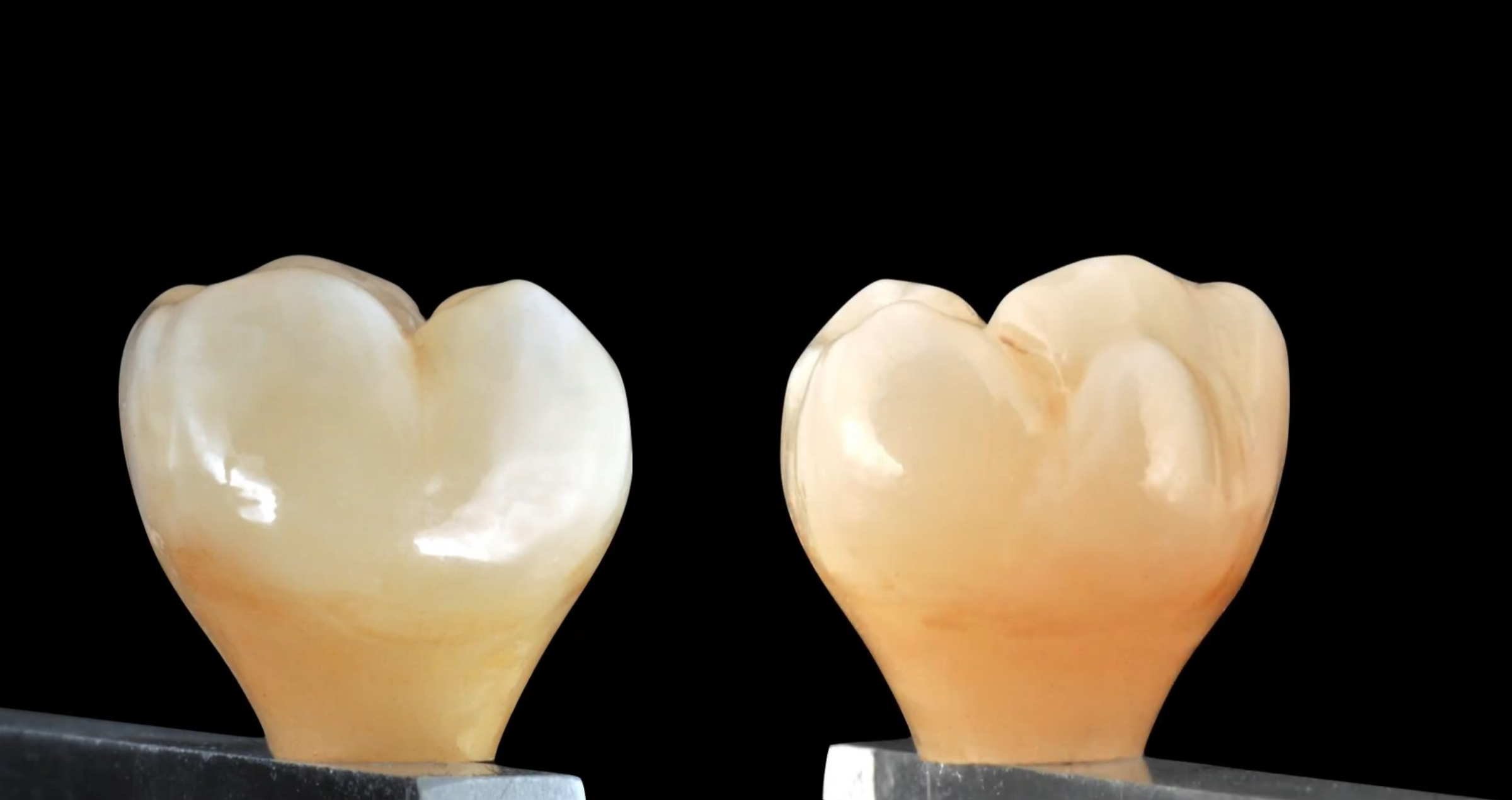
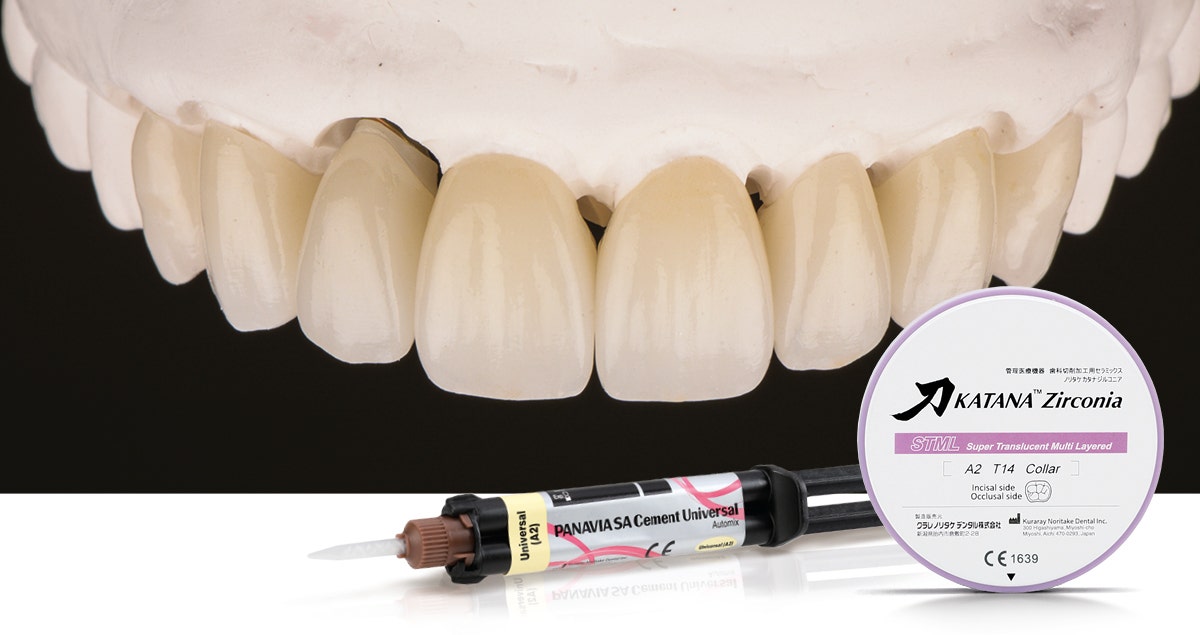
News Feature Het cementeren van restauraties van hoogtranslucent zirkonium 11 jan 2024 KATANA™ Zirconia STML en PANAVIA™ SA Cement Universal Photo: KATANA ™ Zirconia STML NW with CERABIEN ™ ZR FC Paste StainSergio R. Arias DDS, MS Sung Bin Im, MDC, CDT KATANA™ Zirconia STML is een bijzonder populair materiaal, dat door veel veelvuldig wordt gebruikt in tandheelkundige laboratoria over de hele wereld gebruikt wordt. In vergelijking met traditionele materialen voor zirkoniumframes met een overwegend tetragonale polykristallijnstructuur heeft het materiaal een hoger yttriumgehalte, wat leidt tot een andere materiaalstructuur, die van invloed is op de optische en fysieke eigenschappen (hogere translucentie, lagere buigsterkte). Als gevolg daarvan is het indicatiebereik beperkt maximaal driedelige bruggen in het anterieure en posterieure gebied. Het grootse voordeel is gelegen in het aanzienlijk hogere esthetische potentieel en om die reden wordt dit materiaal overwegend gebruikt voor de vervaardiging van monolithische restauraties of restauraties met een micro-cutback, geïndividualiseerd met een microlaag porselein. De indicaties en technische procedure zijn bekend; toch lijkt er nog enige onduidelijkheid te bestaan over de verwerking in een tandartspraktijk. Is conventioneel cementeren mogelijk en raadzaam, of is een adhesieve bondingprocedure beter? Is de voorbehandeling van het oppervlak dezelfde als die voor tetragonaal zirkonium of is er een andere procedure nodig? En wat kan er worden verwacht van het gedrag van restauraties met KATANA™ Zirconia STML op lange termijn? Een serieuze blik in de beschikbare wetenschappelijke literatuur biedt enig houvast. DEFINITIEVE PLAATSING VAN RESTAURATIES VAN KATANA™ ZIRCONIA STML Conventioneel cementeren of een adhesieve bonding? In principe zijn beide procedures mogelijk bij plaatsing van een restauratie met een retentieve werking. Er wordt algemeen aanvaard dat een volledige kroon voldoende retentie biedt voor conventioneel cementeren als de hoogte van de abutmenttand minstens 4 mm is en de convergentiehoek van de axiale wanden tussen 6 en 12, of maximaal 15 graden bedraagt.1,2 De reden hiervoor is dat de buigsterkte van het materiaal hoger is dan 350 MPa,3 de kritische waarde voor conventioneel cementeren. Aangezien conventionele cementen opaak zijn en leverbaar in één kleur, verdient het gebruik van een (zelf)hechtend hcomposietcement echter - om esthetische redenen - de voorkeur voor alle hoogtranslucente restauraties. Het gebruik van een dergelijk product is hoe dan ook vereist als een preparatie-ontwerp met macromechanische retentie niet uitvoerbaar of wenselijk is. Resumerend kunnen we stellen dat het gebruik van een zelfhechtend of adhesief composiet cement in veel situaties de voorkeur verdient. Een extra argument dat spreekt in het voordeel van zelfhechtende composietcementen is het grotere gebruiksgemak. Hoe zit het dan met de voorbehandeling van het zirkonium? Etsen met waterstoffluoride is, ongeacht het gebruikte type tandheelkundig zirkonium, niet effectief vanwege het gebrek aan een glasmatrix in het materiaal. Het is echter duidelijk dat het oppervlak moet worden gemodificeerd om een sterke en duurzame hechting met een composietcementsysteem tot stand te brengen.4,5 De algemeen aanbevolen methode voor hoogsterk zirkonium is zandstralen met aluminiumoxidedeeltjes of een tribochemische silicacoating4. De deeltjesgrootte dient klein te zijn (≤ 50 μm) en de druk laag (circa 1 bar) om verzwakking van de mechanische eigenschappen van het materiaal te voorkomen3,4. Bij materiaalvarianten met een lagere sterkte lijkt het risico van verzwakking hoger te zijn5, waarbij het dus nog belangrijker wordt om te werken met een lage druk en geringe deeltjesgrootte5-8. In het geval van KATANA™ Zirconia werd echter gerapporteerd dat ‘zandstralen met aluminiumoxide poeder de biaxiale buigsterkte van KATANA™ STML significant vergrootte’.9 Dit betekent dat correct zandstralen van restauraties, vervaardigd van KATANA™ Zirconia STML, niet van invloed was op de buigsterkte; deze nam zelfs toe vanwege de specifieke eigenschappen van het zirkonium van Kuraray Noritake Dental. Op basis van deze bevindingen worden onderstaande procedures aanbevolen voor hoogtranslucent zirkonium: Optie 1Zandstralen met aluminiumoxide poeder, gevolgd door gebruik van een zelfhechtend composietcement dat 10-MDP bevat.6 Optie 2Tribochemische silicacoating (voor een optimale procedure met silicagecoat poeder is een minimale druk van ca 3 bar nodig), gevolgd door silaniseren van het hechtoppervlak.6 Het dual-cure zelfhechtende composietcement PANAVIA™ SA Cement Universal bevat het originele MDP-monomeer en het LCSi-monomeer (langekoolstofketen-silaankoppelingsmiddel) en is daarom geschikt bij beide opties. PANAVIA™ SA Cement Universal is leverbaar in een automixspuit en een systeem voor handmatig mengen, bestaand uit een dubbele pastaformule. Eén pasta bevat het originele MDP-monomeer in een hydrofiele monomeeromgeving en de andere bevat het inactieve LCSi-monomeer in een omgeving van hydrofobe monomeren. Bij het uitspuiten van de pasta‘s worden ze gemengd in de mengtip van de spuit (automix) of gedoseerd op een mengblok en handmatig gemengd (handmix). Vervolgens wordt het materiaal aangebracht op het intaglio oppervlak van de restauratie, waarna deze wordt geplaatst. Overmaat van cement wordt het gemakkelijkst verwijderd na tack-curing (2 tot 5 seconden). WERKT DIT GOED IN EEN KLINISCHE OMGEVING? Een klinisch onderzoek is de beste manier om te controleren of de omschreven procedure goed werkt in een klinische omgeving. Dat is precies wat een groep onderzoekers van de Complutense University van Madrid, Spanje, heeft gedaan met de combinatie van de materialen KATANA™ Zirconia STML en PANAVIA™ SA Cement Universal10. In het kader van de verkennende klinische test werden 30 posterieure kronen, gemaakt van KATANA™ Zirconia STML, geplaatst bij 24 patiënten voor wie posterieure restauraties noodzakelijk waren. De elementen werden geprepareerd, conform het advies voor volkeramische restauraties, met inachtneming van een wanddikte van circa 1 mm (aanbevolen minimale wanddikte van KATANA™ Zirconia STML voor kronen in het posterieure gebied: 1,0 mm). De restauraties werden gesinterd, gekarakteriseerd en geglazuurd, conform de instructies van de fabrikant van het materiaal en vervolgend gepast. Vóór het cementeren werd het intaglio oppervlak van de restauratie De onderzoekers concludeerden dat de uitstekende resultaten erop wijzen dat de tandgedragen monolithische zirkoniumkronen van de derde generatie voor het posterieure gebied een goed alternatief lijken te zijn voor kronen van metaalkeramiek, monolithische zirkoniumkronen van de tweede generatie en gefineerde zirkoniumkronen. Er is een langetermijnonderzoek nodig om deze kortetermijnstudie te bevestigen. Het lijkt er dus op dat KATANA™ Zirconia STML en PANAVIA™ SA Cement Universal een veelbelovende combinatie vormen en het is aannemelijk dat het werken met bovengenoemde aanbevolen protocollen leidt tot uitstekende, stabiele resultaten. voorbehandeld door zandstralen met aluminiumoxidedeeltjes (50 μm, druk 1 bar), gevolgd door ultrasone reiniging. PANAVIA™ SA Cement Universal werd gebruikt overeenkomstig de aanbevelingen van de fabrikant. Na 6, 12 en 24 maanden werden de kronen klinisch geëvalueerd met behulp van het kwaliteitsevaluatiesysteem van de California Dental Association (CDA). Binnen dit systeem worden de volgende parameters getoetst: oppervlak en kleur van de restauratie, anatomische vorm en marginale integriteit van de kroon. Na 24 maanden werd een score van 100% genoteerd voor succes en overleving. Voor alle drie de parameters werden de kronen beoordeeld als ‚voldoende‘ (score 3 of 4); aan de marginale integriteit (de belangrijkste parameter om de werking van het composietcement te beoordelen) werd in alle 30 gevallen het predicaat ‚uitstekend‘ (de hoogst mogelijke score 4) toegekend. CONCLUSIE De onderzoekers concludeerden dat de uitstekende resultaten erop wijzen dat de tandgedragen monolithische zirkoniumkronen van de derde generatie voor het posterieure gebied een goed alternatief lijken te zijn voor kronen van metaalkeramiek, monolithische zirkoniumkronen van de tweede generatie en gefineerde zirkoniumkronen. Er is een langetermijnonderzoek nodig om deze kortetermijnstudie te bevestigen. Het lijkt er dus op dat KATANA™ Zirconia STML en PANAVIA™ SA Cement Universal een veelbelovende combinatie vormen en het is aannemelijk dat het werken met bovengenoemde aanbevolen protocollen leidt tot uitstekende, stabiele resultaten. Referenties: 1. Edelhoff D, Özcan M. To what extent does the longevity of fixed dental prostheses depend on the function of the cement? Working Group 4 materials: cementation. Clin Oral Implants Res. 2007;18 Suppl 3:193-204.2. Güth JF, Stawarczyk B, Edelhoff D, Liebermann A. Zirconia and its novel compositions: What do clinicians need to know? Quintessence Int. 2019;50(7):512-20.3. Kern M, Beuer F, Frankenberger R, Kohal RJ, Kunzelmann KH, Mehl A, Pospiech P, Reis B. All-ceramics at a glance. An introduction to the indications, material selection, preparation and insertion techniques for all-ceramic restorations. Arbeitsgemeinschaft für Keramik in der Zahnheilkunde. 3rd English edition, January 2017.4. Comino-Garayoa R, Peláez J, Tobar C, Rodríguez V, Suárez MJ. Adhesion to Zirconia: A Systematic Review of Surface Pretreatments and Resin Cements. Materials (Basel). 2021 May 22;14(11):2751.5. Mehari K, Parke AS, Gallardo FF, Vandewalle KS. Assessing the Effects of Air Abrasion with Aluminum Oxide or Glass Beads to Zirconia on the Bond Strength of Cement. J Contemp Dent Pract. 2020 Jul 1;21(7):713-717.6. Chen B, Yan Y, Xie H, Meng H, Zhang H, Chen C. Effects of Tribochemical Silica Coating and Alumina-Particle Air Abrasion on 3Y-TZP and 5Y-TZP: Evaluation of Surface Hardness, Roughness, Bonding, and Phase Transformation. J Adhes Dent. 2020;22(4):373-382.7. Alammar A, Blatz MB. The resin bond to high-translucent zirconia-A systematic review. J Esthet Restor Dent. 2022 Jan;34(1):117-135.8. Soto-Montero J, Missiato AV, dos Santos Dias CT, Giannini M. Effect of airborne particle abrasion and primer application on the surface wettability and bond strength of resin cements to translucent zirconia. J Adhes Sci Technol, Online publication May 2022.9. Inokoshi M, Shimizubata M, Nozaki K, Takagaki T, Yoshihara K, Minakuchi S, Vleugels J, Van Meerbeek B, Zhang F. Impact of sandblasting on the flexural strength of highly translucent zirconia. J Mech Behav Biomed Mater. 2021 Mar;115:104268.10. Gseibat M, Sevilla P, Lopez-Suarez C, Rodríguez V, Peláez J, Suárez MJ. Prospective Clinical Evaluation of Posterior Third-Generation Monolithic Zirconia Crowns Fabricated with Complete Digital Workflow: Two-Year Follow-Up. Materials (Basel). 2022 Jan 17;15(2):672. (https://pubmed.ncbi.nlm.nih.gov/35057389/).

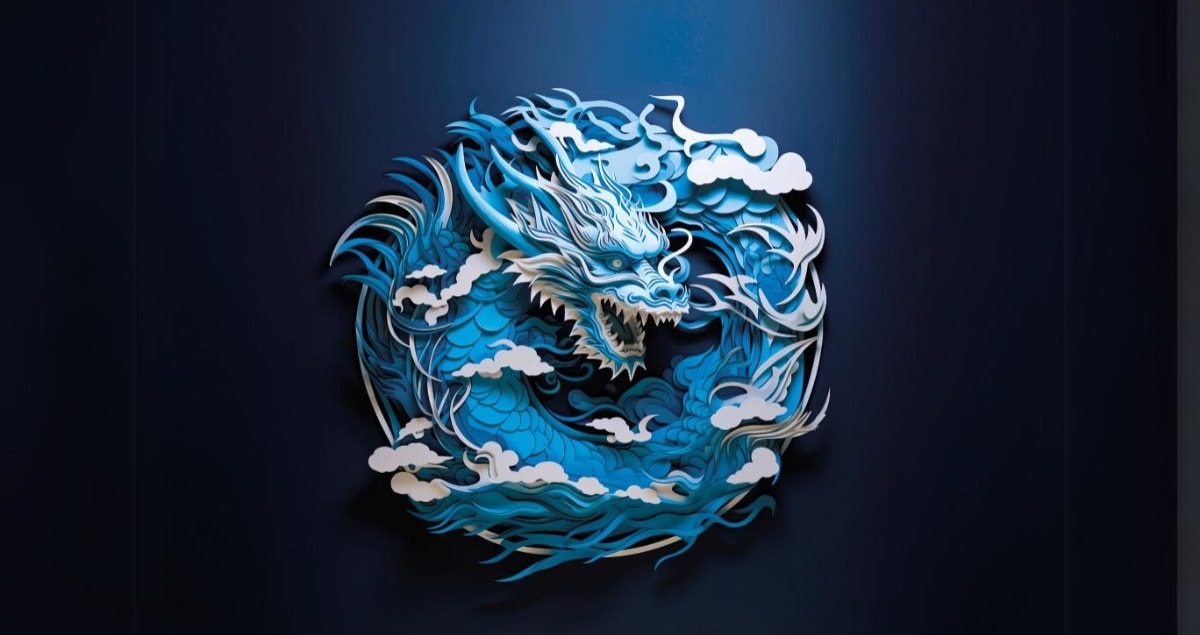
News Feature Wishing you a powerful new year! 19 dec 2023 2024 MARKS THE YEAR OF THE DRAGON Dragons, those mythical beings, embody innate courage, unyielding tenacity, and boundless intelligence. They fearlessly embrace challenges and eagerly venture into uncharted territories. The Year of the Dragon is hailed as a time of great power, auspicious beginnings, and transformative possibilities. This image, inspired by the traditional Japanese art of kirigami, combines age-old craftsmanship with cutting-edge AI technology. Just like the dragon, it represents a harmonious blend of ancient wisdom and modern innovation. EMBRACE 2024 WITH OPEN ARMS –IT BRINGS FORTH A YEAR OF NEW POSSIBILITIES
News Feature The enduring legacy of MDP monomer 12 dec 2023 It is probably the best-known component of a dental product Kuraray Noritake Dental Inc. (Kuraray Noritake Dental) has ever developed: 10-Methacryloyloxydecyl Dihydrogen Phosphate, in short, the MDP monomer. Invented more than 40 years ago – the first product containing it was introduced in 1983 – MDP is still the leading functional monomer used to establish a long-term, durable and stable bond to hydroxyapatite in tooth structure and to metal oxides in restorative materials (oxide ceramics and metal alloys). Nowadays, it is found in every dental adhesive and every component of a resin cement system with adhesive properties from Kuraray Noritake Dental. These include: In addition, MDP has become an integral part of most universal adhesives and many adhesive cementation systems of other manufacturers as well. However, not all MDP is alike … MDP: Chemical structure and mechanism of adhesion The MDP monomer consists of three essential parts: A polymerizable group, a hydrophobic group and a hydrophilic group. The co-polymerizable methacrylate group has a terminal double bond enabling polymerisation. The large hydrophobic alkylene group – also referred to as the spacer – has the task to maintain a delicate balance between hydrophobic and hydrophilic properties of the monomer and offers great resistance to degradation. Finally, the hydrophilic phosphate group is responsible for acidic demineralisation, for chemical bonding with calcium in hydroxyapatite and for bonding with zirconia1 (as well as with metal). Bonding performance Lots of in-vitro studies have been carried out to investigate the bonding behaviour of 10-MDP in the context of direct and indirect restorative procedures. No matter whether a cavity is to be filled with resin composite or an indirect restoration is to be placed, a strong and long-lasting bond to tooth structure needs to be established.Chemical structure of adhesive monomer 10-Methacryloyloxydecyl Dihydrogen Phosphate (MDP). The critical substrate in this context is dentin, while bonding to enamel is found to be less challenging. That is why it is so important that (self-etch) adhesives containing 10-MDP show an extraordinarily high bond strength to tooth structure, particularly to dentin2. In fact, 10-MDP also provides for a high bond stability over time by establishing an acid-base resistant zone on the adhesive interface3. This means that a great long-term performance may be expected. Fortunately, a great clinical long-term performance of products containing the MDP monomer has already been confirmed: A group from the University of Leuven (Belgium) has presented excellent results of a thirteen-year clinical trial involving the use of CLEARFIL™ SE Bond in 20154. When bonding to indirect restorations made of zirconia, the surface area of the ceramic should be increased by sandblasting5. Pre-treated in the recommended way, the bond strength to zirconia tends to be particularly high when MDP-based resin cement systems are used6. It is thus widely recommended by experts in the field of adhesive dentistry to employ MDP-containing primers or resin cements for the placement of zirconia-based restorations, especially those with a non- or less retentive preparation. The fact that products containing 10-MDP work well in this context has been confirmed in different clinical studies with observation periods of up to 10 years7,8. The products used in these studies were PANAVIA™ 21, PANAVIA™ F2.0 and the latest version of the multi-component cementation system from Kuraray Noritake Dental, PANAVIA™ V5, which performed best. Not all MDP is alike Ever since the basic patent for MDP has expired, other manufacturers of dental adhesives and adhesive resin cements have started integrating the functional monomers in their own products. However, it has been revealed that there are differences in the purity of the MDP monomers synthesized and used, and that these differences have an impact on the long-term bonding performance of the products containing the MDP9. According to in-vitro test results, the Original MDP Monomer synthesized by Kuraray Noritake Dental stands out due to an unmatched level of purity. This purity has a positive effect on the microstructure and thickness of the hybrid layer formed on dentin, the intensity of nano-layering and the bond strength measured immediately as well as after artificial aging9. Conclusion The data summarized above reveals that after 40 years in clinical service, the Original MDP Monomer from Kuraray Noritake Dental is still a class of its own. It has everything needed to establish a strong and long-lasting bond to tooth structure, resin composite and metal oxides, and is therefore a valuable component in virtually every adhesive system. In order to provide for a high bond quality, however, it may be best to use an MDP monomer with a confirmed high purity – the Original MDP Monomer. References 1. Nagaoka N, Yoshihara K, Feitosa VP, Tamada Y, Irie M, Yoshida Y, Van Meerbeek B, Hayakawa S. Chemical interaction mechanism of 10-MDP with zirconia. Sci Rep. 2017 Mar 30;7:45563.2. Fehrenbach J, Isolan CP, Münchow EA. Is the presence of 10-MDP associated to higher bonding performance for self-etching adhesive systems? A meta-analysis of in vitro studies. Dent Mater. 2021 Oct;37(10):1463-1485.3. Carrilho E, Cardoso M, Marques Ferreira M, Marto CM, Paula A, Coelho AS. 10-MDP Based Dental Adhesives: Adhesive Interface Characterization and Adhesive Stability-A Systematic Review.4. Peumans M, De Munck J, Van Landuyt K, Van Meerbeek B. Thirteen-year randomized controlled clinical trial of a two-step self-etch adhesive in non-carious cervical lesions. Dent Mater. 2015 Mar;31(3):308-14.5. Kern M, Barloi A, Yang B. Surface conditioning influences zirconia ceramic bonding. J Dent Res. 2009; 88: 817–822.6. Özcan M, Bernasconi M. Adhesion to zirconia used for dental restorations: a systematic review and meta-analysis. J Adhes Dent. 2015 Feb;17(1):7-26.7. Kern M, Passia N, Sasse M, Yazigi C. Ten-year outcome of zirconia ceramic cantilever resin-bonded fixed dental prostheses and the influence of the reasons for missing incisors. J Dent. 2017 Oct;65:51-55.8. Bilir H, Yuzbasioglu E, Sayar G, Kilinc DD, Bag HGG, Özcan M. CAD/CAM single-retainer monolithic zirconia ceramic resin-bonded fixed partial dentures bonded with two different resin cements: Up to 40 months clinical results of a randomized-controlled pilot study. J Esthet Restor Dent. 2022 Oct;34(7):1122-1131.9. Yoshihara K. et al. Functional monomer impurity affects adhesive performance. Dent Mater. 2015 Dec;31(12):1493–1501.