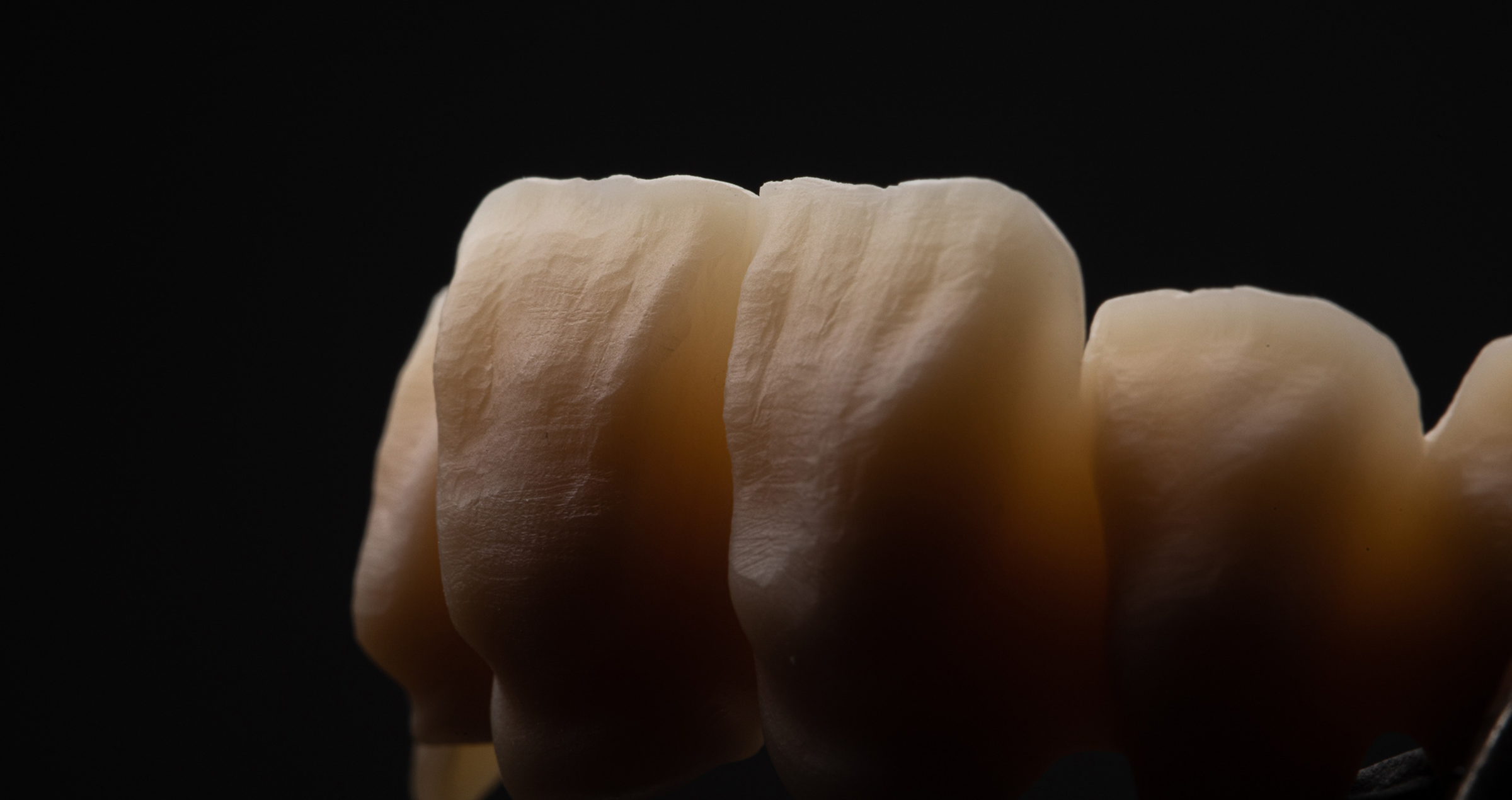
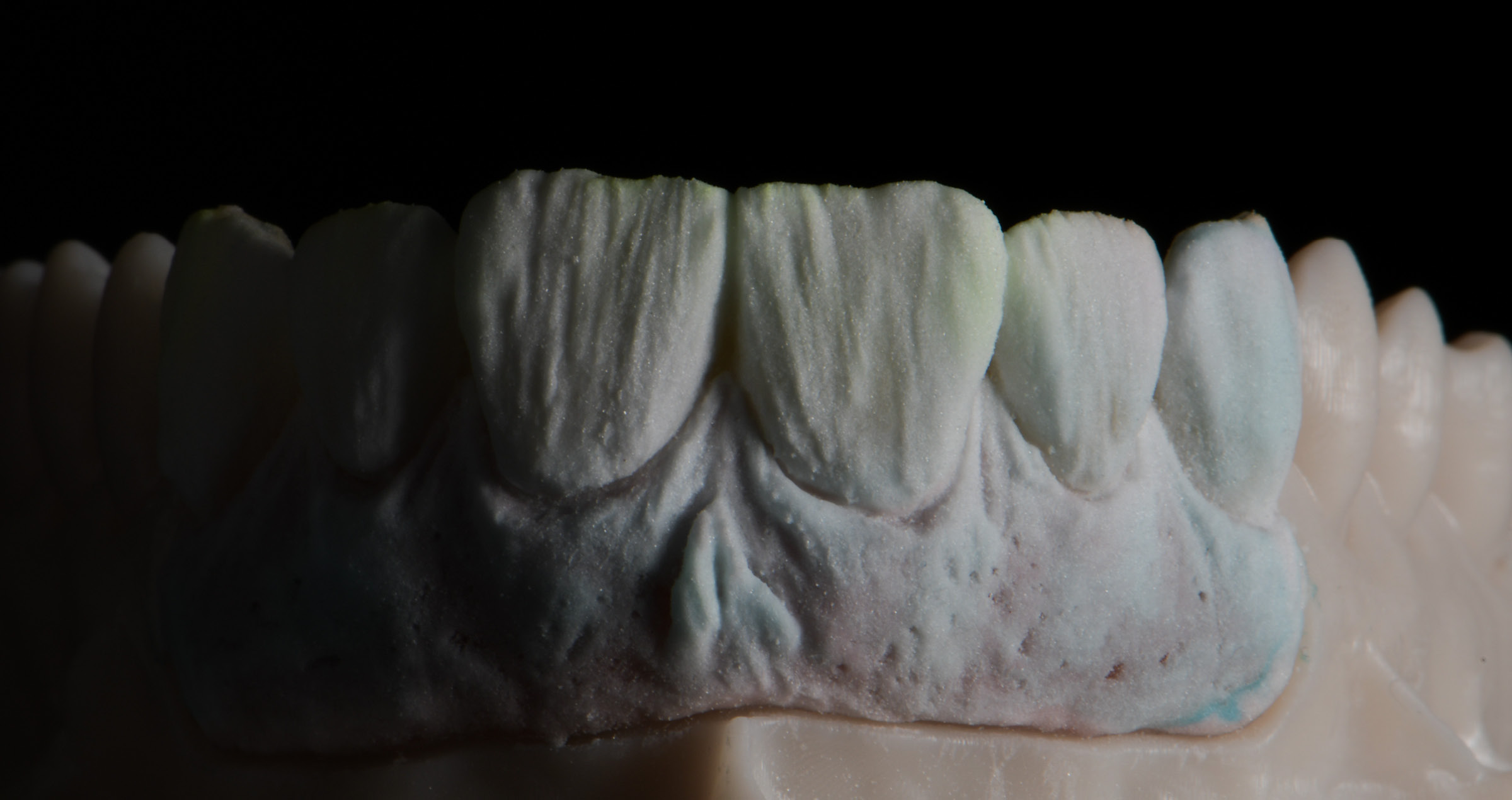
Micro-layering: a great concept for zirconia-based screw-retained implant-supported prostheses 2025. gada 23. dec. Case by Andreas Chatzimpatzakis For zirconia-based screw-retained implant-supported prostheses, diverse finishing concepts are available. Most of them are quite complex and time-consuming. A streamlined approach that brings efficiency into the finishing procedure without compromising aesthetics and function is micro-layering with CERABIEN™ MiLai (Kuraray Noritake Dental Inc.) on a zirconia superstructure with just a slight vestibular cutback. A possible technical procedure is demonstrated using the following case example. The patient was treated by prosthodontist Dr. Georgios Siavikis from Ioannina, Greece. Fig. 1. Occlusal view of an implant-supported overdenture made of KATANA™ Zirconia HTML PLUS (Kuraray Noritake Dental Inc.) for a male patient with an edentulous maxilla and a removable partial denture in the mandible. Fig. 2. Frontal view of the milled and sintered screw-retained implant-supported prosthesis. Fig. 3. Appearance after the application of CERABIEN™ MiLai SS Fluoro and internal stains to enhance the natural shading of the restoration in the tooth and gum areas. Fig. 4. Result of micro-layering with CERABIEN™ MiLai porcelains LT1 for the cervical as well as E2 and TX for the middle and incisal sections for a seamless gradient in translucency. For an optimal gingival harmony and match with the surrounding tissue, the tissue shades 1, 5 and 6 were applied. Fig. 5. The restoration after finishing. Fig. 6. The gingiva and tooth areas have a natural appearance … Fig. 7. … due to a natural colour, translucency and surface texture. Fig. 8. Intraoral harmony. PREDICTABLE OUTCOMES In this case, the use of an aesthetic, high-strength multi-layered zirconia was a true enabler of a streamlined finishing technique. As a convinced and frequent user of CERABIEN™ ZR, micro-layering with CERABIEN™ MiLai appeared to work flawlessly right from the start. The systems are perfectly aligned to each other, and as they are both based on synthetic feldspathic technology, they offer consistent material properties. These provide precise control over the layering and shading, thus supporting a highly aesthetic and well-integrated implant restoration. Dental technician: ANDREAS CHATZIMPATZAKIS Andreas graduated from the Dental Technology Institute (TEI) of Athens in 1999. During his studies he followed a program at the Helsinki Polytechnic Department of Dental Technique, where he trained on implant superstructures and all ceramic prosthetic restorations. As of 2000, he is running the ACH Dental Laboratory in Athens, Greece, specialized on refractory veneers, zirconia and long span implant prosthesis. In 2017 Andreas visited Japan where he trained under the guidance of Hitoshi Aoshima, Naoto Yuasa and Kazunabu Yamanda and become International Trainer for Kuraray Noritake Dental Inc..
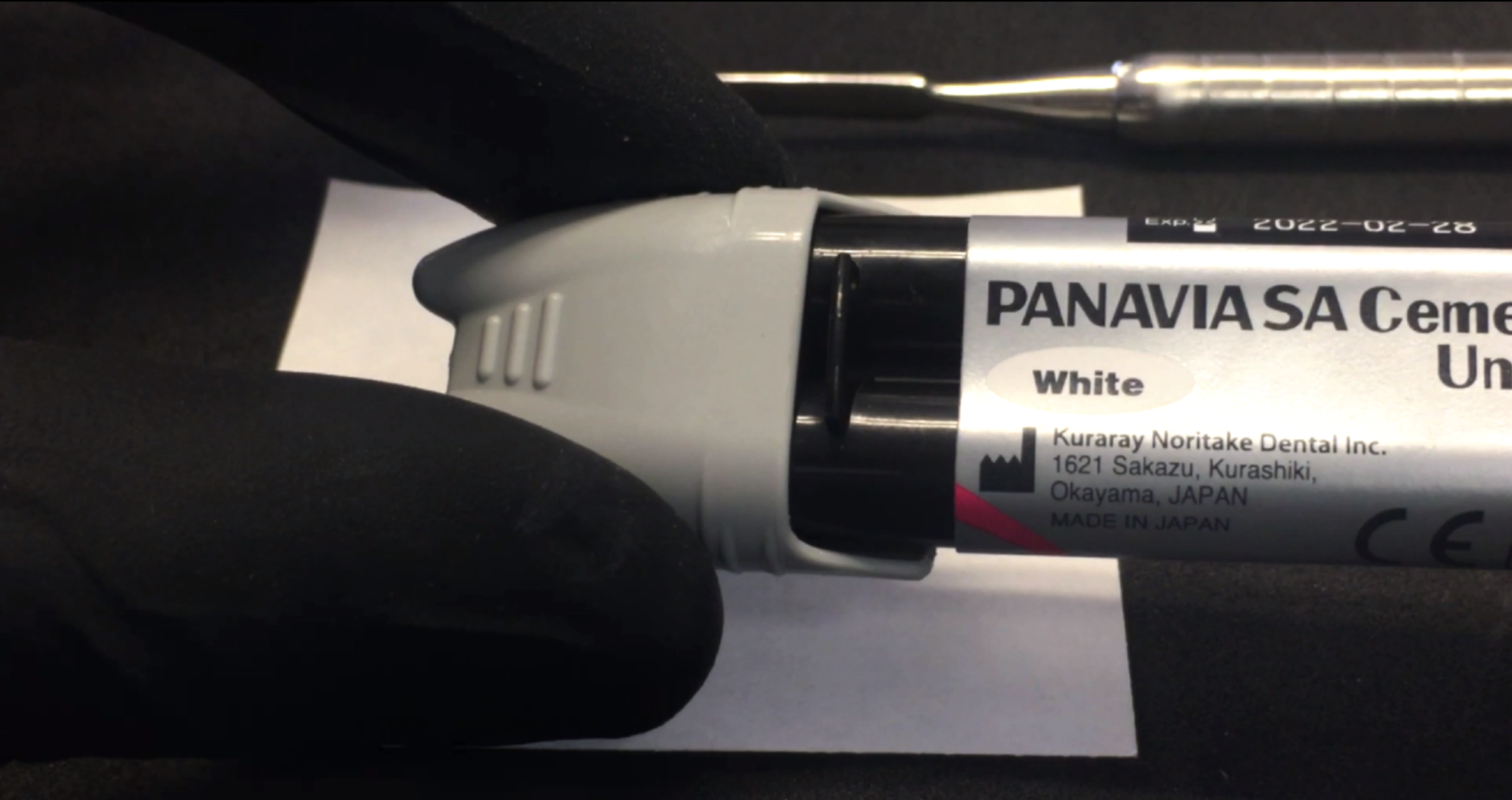
News Feature Optimizing design and shade: Replacement of a resin-bonded bridge for aesthetic reasons 2025. gada 16. dec. Article by doctors Tom Boujenah and Olivier Boujenah. KEEP IT SIMPLE WHILE MEETING THE PATIENT’S INDIVIDUAL DEMANDS Every day in our practices, we are faced with a choice between different treatment options. Experience, scientific literature, and patient preferences all help guide us toward one direction or another. The case presented below could have been managed using a different approach, but the chosen solution aligned with our philosophy: keep it simple while meeting the patient’s individual demands. A PATIENT WITH HIGH AESTHETIC DEMANDS A young patient, in his early twenties, presented for consultation with a purely aesthetic concern. He had been wearing a double-retainer resin-bonded fixed dental prosthesis (Maryland bridge) (Figure 1) for several years, placed due to the congenital absence of the mandibular central incisors. Although the bridge had served him well functionally, the patient now wished to replace it with a more aesthetic solution, better matching the current shade of his natural teeth. After clinical and radiographic assessment, several treatment options were considered, taking into account the patient’s age, bone volume, and aesthetic expectations. The final decision was to fabricate a new resin-bonded bridge, optimized in terms of both design and shade, using a multilayered zirconia to achieve a natural-looking result. Fig. 1. Initial situation Fig. 2. iTero 5D+ optical scan PRELIMINARY STEPS IN THE DENTAL OFFICE A pre-treatment impression of the bridge was taken before removal, using the iTero 5D+ scanner (Align Technology; Figure 2). These pre-treatment scans, which are performed almost systematically for our prosthetic reconstructions, allow the laboratory to capture the volume of the existing prosthesis, replicate the previous shape (if suitable), and often visualize wear facets. This helps minimize or even eliminate the need for subsequent adjustments. Then, the existing resin-bonded bridge was removed, and the abutment teeth were prepared as minimally invasive as possible. Once again, the intraoral scanner was used to take an impression of the situation (Figure 3). Fig. 3. Impression after bridge removal and minimal preparation of the lingual surfaces PRODUCTION OF THE RESIN-BONDED BRIDGE The scan was sent directly from the intraoral scanner to the Design4me platform (a 3D design platform) to carry out the digital design of the planned bridge (Figures 4 and 5). A repositioning key was also designed by the dental technicians to provide for accurate seating of the bridge during cementation (Figure 6). The material of choice was KATANA™ Zirconia YML, a multi-layered zirconia from Kuraray Noritake Dental Inc., shade B1. It seemed most appropriate due to its outstanding physical and aesthetic properties—specifically its gradient in shade translucency and flexural strength (Figure 7). Fig. 4. Design of the new bridge using exocad software (Design4me platform) Fig. 5. View of the soft tissue underneath the bridge showing slight gingival compression Fig. 6. Repositioning key designed using exocad software (Design4me platform) Fig. 7. KATANA™ Zirconia YML disc (shade shown not representative of the case presented) The production centre, DIGISMILE, subsequently received the STL files of the bridge and the positioning key, modeled by the dental technicians on the Design4me platform, ready for milling and printing. We also provided the laboratory with intraoral photos to replicate the surface texture, possible characterizations, and shades. The laboratory performed the milling of the bridge using a DWX-52D milling machine (Roland DG). Polishing, surface finishing, and staining were carried out using Komet burs and Miyo liquid porcelain (Jensen). The repositioning key, meanwhile, was 3D printed with a NextDent 5100 3D Printer (3D Systems) using surgical guide resin (Figure 8). Fig. 8. Milled bridge and 3D-printed key after polishing and staining DEFINITIVE PLACEMENT IN THE DENTAL OFFICE The adhesive cementation procedure is one of the most critical steps of the whole workflow. Once the bridge had arrived in the dental office and try-in was successfully completed, the focus was on moisture control and the establishment of ideal bonding conditions. In this context, strict working field isolation with saliva ejectors, cotton rolls, and ideally a rubber dam is essential, followed by the pre-treatment of the abutment teeth and the retainer wings of the zirconia bridge. PRE-TREATMENT OF THE TOOTH STRUCTURE Since the tooth preparations are strictly limited to enamel, the following conservative bonding protocol was adopted: Etching with phosphoric acid for 30 seconds on the enamel surfaces. Thorough rinsing with water, followed by gentle drying without desiccating the enamel. Application of PANAVIA™ V5 Tooth Primer (Kuraray Noritake Dental Inc.), followed by thorough drying with mild air after a 20-second waiting time. This primer contains MDP, which is essential for reliable enamel/zirconia adhesion. PRE-TREATMENT OF THE ZIRCONIA WINGS OF THE BRIDGE Even though the intaglio surface was sandblasted in the laboratory, it is crucial to repeat this step in the clinic: Cleaning with KATANA™ Cleaner (Kuraray Noritake Dental Inc.) for 10 seconds or ultrasonic cleaning for 5 minutes, followed by rinsing with water. Sandblasting with 50 μm aluminum oxide (Al2O3) at 2 bar. Application of CLEARFIL™ Ceramic Primer Plus (Kuraray Noritake Dental Inc.) to the intaglio surface without rinsing, followed by gentle drying. This primer also contains MDP, providing for a proper chemical bond to zirconia. ADHESIVE CEMENTATION With all surfaces pre-treated appropriately, adhesive cementation proceeded as follows: Application of PANAVIA™ V5 Paste (universal shade A2) to the intaglio of the bridge. Insertion of the bridge using the repositioning key. Light curing (“tack” cure) for 3 to 5 seconds to stabilize the restoration. Removal of excess resin cement with a dental explorer. Alternatively, excess may be removed immediately with a soft brush before applying to light cure for the margins. Final complete light curing according to the manufacturer’s instructions (Figures 9 and 10). Fig. 9. Clinical situation captured immediately after cementation Fig. 10. Lateral view of the restoration immediately after cementation TREATMENT OUTCOME Thanks to the pre-treatment scan and the overlay of the old bridge with the new one, no adjustments were necessary, although occlusion control remained essential. At a recall after 18 months, gingival integration was satisfactory: The patient was able to use interdental brushes and maintain the prosthesis properly (Figures 11 and 12). Fig. 11. Clinical situation 18 months after definitive placement Fig. 12. Lateral view at 18 months CONCLUSION In this clinical case, the choice to produce a double retainer resin-bonded bridge, almost identical in design to the previous one, may seem conservative. However, this decision is supported by several factors: The patient’s good tolerance of the previous prosthesis, the tissue integrity of the abutment teeth, and, most importantly, the opportunity to significantly improve aesthetics thanks to advances in materials and bonding techniques, which allowed us to keep preparations minimal and minimally invasive. This new bridge, designed with highly aesthetic multilayer zirconia and bonded using a strict protocol, achieved a perfectly integrated and natural result without resorting to more invasive options (therapeutic gradient). Furthermore, this approach invites the restorative team to consider emerging trends in resin-bonded bridge design, notably the option of two single-retainer cantilever bridges, which might be considered in similar cases in the future. This case highlights the importance of individualized treatment planning, which does not rely solely on innovation, but on precise clinical assessment, attentive listening to patient needs and expectations, careful implementation of available tools, and the use of high-quality materials and protocols. Dentists: OLIVIER BOUJENAH Dr. Olivier Boujenah earned his Doctorate in Dental Surgery from Paris V in 1994 and a University Diploma in Maxillofacial Surgical Rehabilitation from Paris VII in 2008. A pioneer in digital dentistry, he founded DIGISMILE, a training center and fully digital laboratory, and DIGISMILE LAB, dedicated to prostheses and surgical guides. He teaches in the Master’s program in Digital Dentistry at the University of Geneva and has pursued advanced training at Harvard University in digital workflows and guided surgery. TOM BOUJENAH Dr. Tom Boujenah graduated from the European University of Madrid in 2023 and completed a University Diploma in Oral Implant Rehabilitation at the Pitié-Salpêtrière Hospital in Paris. Based in private practice in the 16th district of Paris, he focuses on aesthetic and functional oral rehabilitation with a particular interest in implant dentistry and digital workflows. Passionate about innovation, he integrates the latest advances in implantology, prosthodontics, and digital dentistry to deliver personalized and long-lasting treatments.
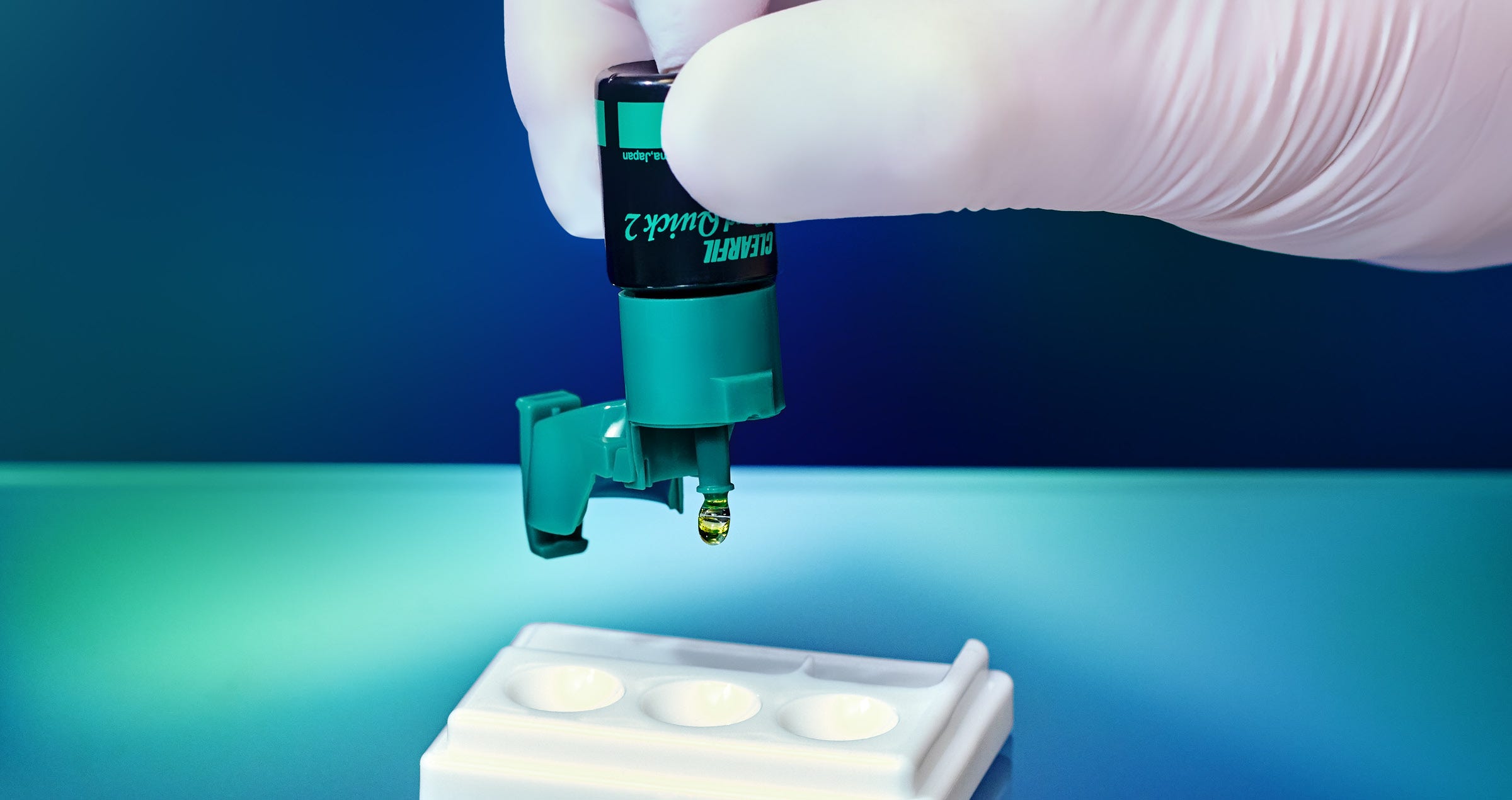
News Feature Kā vienkāršot līmēšanas procesu, neietekmējot kvalitāti? 2025. gada 12. dec. CLEARFIL™ Universal Bond Quick 2 Mūsdienu zobārstniecībā efektivitāte un uzticamība ir daudzu prakšu galvenie elementi. CLEARFIL™ Universal Bond Quick 2 piedāvā viegli lietojamu, augstas veiktspējas līmēšanas risinājumu, kas nodrošina izcilus rezultātus. Pateicoties uzlabotajai ātrās līmēšanas tehnoloģijai, šo līmi var ātri un viegli uzklāt, izvairoties no nevajadzīgiem soļiem un samazinot tehnisko jutīgumu. Kas ir CLEARFIL™ Universal Bond Quick 2? CLEARFIL™ Universal Bond Quick2 ir uzlabots zobu līme, kas izstrādāta, lai vienkāršotu restaurācijas procedūras. Tas ir saderīgs ar jebkuru izvēlēto kodināšanas metodi un nodrošina spēcīgu saķeri ar emalju un dentīnu, garantējot spēcīgu un vienmērīgu saites slāni. Tā daudzpusīgums padara to piemērotu gan tiešām, gan netiešām restaurācijām, kā arī kodolu uzbūvei un intraorālām restaurācijām. Kur šo līmes risinājumu var izmantot? CLEARFIL™ Universal Bond Quick 2 ir ideāls risinājums visām zobārstniecības praksēm, kurām nepieciešama uzticama un viegli lietojama līme. Veicot gan ikdienas tiešās restaurācijas, gan vairākas netiešās procedūras, šī līme nodrošina stabilu sniegumu un vienkāršotu darba gaitu. Kādas ir CLEARFIL™ Universal Bond Quick 2 indikācijas? Šis saistvielas līdzeklis ir paredzēts dažādiem klīniskiem pielietojumiem: Tiešās restaurācijas, izmantojot gaismas izgaismotu kompozīta sveķu Sagatavotas dobumu vai balsta zoba noslēgšana kā priekšapstrāde netiešām restaurācijām Atklātu sakņu virsmu ārstēšana Pārmērīgi jutīgu zobu ārstēšana Intraorāla lūzumu restaurāciju labošana Pēc cementēšanas un kodola uzbūves Netiešo restaurāciju cementēšana Kāpēc CLEARFIL™ Universal Bond Quick 2 darbojas tik labi? Tā izcilās darbības atslēga slēpjas patentētā Advanced Rapid Bond Technology tehnoloģijā, kas sastāv no trim augstas veiktspējas sastāvdaļām: Oriģinālais MDP monomērs: izgudrots KURARAY CO., LTD., šis monomērs nodrošina nepārspējamu saistīšanās spēku ar hidroksilapatītu un plašu materiālu klāstu, ieskaitot cirkonija oksīdu. Tas nodrošina izcilu saistīšanos, kas paliek stabila laika gaitā. Amīda monomērs: ļoti hidrofilisks monomērs, kas ļauj ātri iekļūt zoba struktūrā, novēršot nepieciešamību gaidīt pēc uzklāšanas. Polimerizācijas laikā tas veido stabilu, hidrofobu krustveida tīklu, nodrošinot stipru un izturīgu saistīšanos. Uretāna tetra metakrilāts (UTMA) monomērs: šis daudzfunkcionālais monomērs uzlabo saites slāņa stiprību palielinot izturību pret saraušanās spēkiem, vienlaikus saglabājot plānu un vienmērīgu līmes slāni. Kopā šie monomēri veido CLEARFIL™ Universal Bond Quick 2 pamatu, nodrošinot ātru, uzticamu un daudzpusīgu līmi visām jūsu restaurācijas vajadzībām. Kāpēc izvēlēties CLEARFIL™ Universal Bond Quick 2? CLEARFIL™ Universal Bond Quick 2 uzlabo efektivitāti, nezaudējot kvalitāti. Tā uzlabotā ātrās saistīšanās tehnoloģija apvieno MDP, amīda un uretāna tetra metakrilāta (UTMA) monomērus, lai izveidotu spēcīgu, vienmērīgu saistvielas slāni. Tas nodrošina vienmērīgu izplatīšanu un izcilu saistvielas stiprību gan emaljai, gan dentīnam. Zemas viskozitātes formula veido plānu, vienmērīgu plēvi, samazinot uzkrāšanās risku un uzlabojot prognozējamību. Papildu priekšrocības: Ātra un vienkārša lietošana Pastāvīgi izturīga saites stiprība Daudzpusība dažādās restaurācijas tehnikās Minimāls uzkrāšanās un piesārņojuma risks Savietojamība ar pašlīmējošiem sveķu cementiem Ērta uzglabāšana istabas temperatūrā Kā lietot CLEARFIL™ Universal Bond Quick 2? Lietošana ir vienkārša un efektīva, piemērota dažādiem klīniskiem gadījumiem. Līmi var lietot: Pašējošanas režīmā, lai panāktu modernāku, ātrāku un efektīvāku rezultātu. Selektīvās ējošanas režīmā, lai panāktu papildu emaljas saistīšanās izturību Pilnīgas ējošanas režīmā, lai panāktu tradicionālu rezultātu Tā ir pieejama gan pudelēs, gan vienreizējās devās, apmierinot dažādas prakses vajadzības un nodrošinot vieglu lietošanu pēc nepieciešamības. Labākais līmes risinājums: CLEARFIL™ Universal Bond Quick 2 CLEARFIL™ Universal Bond Quick 2 ir jaunākais sasniegums zobu līmēšanas jomā, kas nodrošina efektivitāti, uzticamību un daudzpusību. Izslēdzot gaidīšanas laiku, intensīvu berzēšanu un nepieciešamību uzklāt vairākus slāņus, šis līmvielas līdzeklis vienkāršo procedūras, vienlaikus radot izturīgas un ilgstošas restaurācijas. Ar savu izcilo veiktspēju un vienkāršoto darba gaitu tas patiesi ir „visu līmēšanas līdzeklis” mūsdienīgām zobārstniecības praksēm. Universālā portfeļa sirds Kuraray Noritake Dental Inc. mēs saprotam mūsdienu zobārstniecības prakses prasības. Sabalansēt sarežģītas procedūras, saspringtu grafiku un pacientu aprūpi nav viegls uzdevums. Tāpēc mēs esam gadiem ilgi pilnveidojuši savus materiālus, lai jūs varētu koncentrēties uz to, kas ir vissvarīgākais: saviem pacientiem. Mūsu universālie produkti vienkāršo jūsu darba plūsmu, piedāvājot jums augstas kvalitātes materiālus un instrumentus, kas viegli lietojams kopā ar jūsu pieredzi. CLEARFIL™ Universal Bond Quick 2 veido savienojumu starp vairākiem universāliem sveķu bāzes produktiem mūsu klāstā. Turklāt: nav nepieciešams atsevišķs divkāršās sacietēšanas aktivators, ja to lieto kopā ar citu ražotāju pašlīmējošajiem cementiem.
A new porcelain system for micro-layering 2025. gada 9. dec. Case by MDT Andreas Chatzimpatzakis and DDS Manousos Pissadakis ONE SOLUTION, MULTIPLE NEEDS COVERED The treatment of young patients with a dental condition that affects the appearance of multiple teeth – like enamel hypomineralisation or hyperplasia – is particularly challenging for the restorative team. Dental practitioners and technicians need to be aware of the fact that the condition often involves a life-long disease burden, which typically goes hand in hand with an immense treatment need and increasingly invasive measures required with advancing age. It is their task to make the situation as bearable as possible for patients by delivering treatment that is very well aligned to their specific aesthetic, functional and financial needs, both in the short and long term. Whenever all-ceramic restorations seem most appropriate, material and technique selection are particularly important: Protection of the affected teeth from extrinsic influences, the saving of sound tooth structure and the safeguarding of the long-term stability of the restorations are key to success. Depending on the aesthetic expectations of the patient, veneers made of zirconia or lithium disilicate, produced with a minimal vestibular cutback and finished using the micro-layering technique, are a great option. A prime example of an innovative porcelain system specifically developed for this technique is CERABIEN™ MiLai (Kuraray Noritake Dental Inc.). It includes a collection of internal stains and porcelains that fire at just 740 °C. With this low firing temperature and a coefficient of thermal expansion between 9.5~11.0×10⁻⁶/K (50 °C – 500 °C), this product is ideal for use with lithium disilicate and zirconia. In addition, it offers impressive aesthetic capabilities: Depending on the specific needs of each case, users can adjust the level of complexity and number of bakes. CASE EXAMPLE In the present case of a young female patient with hypomineralisation, it was decided to follow a straightforward approach to restore the maxillary teeth for the time being. For this purpose, we produced a wax-up and transferred it into the patient’s mouth in the form of a mock-up. Following guided tooth structure removal trough this mock-up, an impression was taken. The restorations were designed in full contour, pressed using lithium disilicate-based press ingots (Amber® Press LTW3, HASS Corp.) and cut back slightly in the vestibular area (reduction: 0.3 mm). The selected micro-layering system was applied according to the internal stain technique. The following CERABIEN™ MiLai Internal Stains were used: A little Red in the cervical, and Mamelon 2, Incisal Blue 1 and White in the incisal third. What followed was build-up with CERABIEN™ MiLai Porcelains Tx incisally and LTx proximally; some whitish lines were created with Value Liner 1. Then, I applied a mixture of E2 and ELT1 in the middle and LT1 in the cervical area. After the bake, the restorations were treated with green stones, sandpaper and rubber wheels to pre polish the surface. After glazing with CERABIEN™ ZR FC Paste Stain Clear Glaze, final polishing was carried out. The whole treatment procedure including tooth preparation, shade determination, veneer production and adhesive cementation is illustrated below. Fig. 1. Portrait of the patient prior to treatment. Fig. 2. Enamel defects in the maxilla and mandible. Fig. 3. Initial clinical situation in the maxilla with whitish-brown discolouration and composite restorations in need of replacement. Fig. 4. Mock-up in the patient’s mouth. Fig. 5. Labial reduction through the mock-up: The depth of tooth preparation is controlled by using a depth guide and by marking the created depth grooves with a colour marker. Fig. 6. Silicon index used to check the space created for the veneers. Fig. 7. Prepared teeth ready for impression taking and temporization. Fig. 8. Shade determination for the veneers. Fig. 9. Pressed lithium-disilicate restorations on the model. Fig. 10. Appearance of the restorations after internal staining. Fig. 11. Appearance of the teeth after build-up with CERABIEN™ MiLai Porcelain. Fig. 12. Final restorations on the model. Fig. 13. Adhesive cementation procedure carried out for two teeth at once: Isolated teeth and a perfectly dry working field. Fig. 14. Etching of the tooth structure with phosphoric etchant (K-ETCHANT Syringe, Kuraray Noritake Dental Inc.). Fig. 15. PANAVIA™ V5 Tooth Primer (Kuraray Noritake Dental Inc.) applied to the etched tooth surfaces. Fig. 16. Veneers – pre-treated with hydrofluoric acid and CLEARFIL™ Ceramic Primer Plus – filled with PANAVIA™ V5 Paste (Both from Kuraray Noritake Dental Inc.) and placed in the patient’s mouth. Fig. 17. Restorations after excess removal. Fig. 18. All eight restorations in place. Fig. 19. Treatment outcome after two weeks. Fig. 20. Portrait of the patient taken two weeks after treatment. CONCLUSION Repeated dental treatment, increasing invasiveness of the measures, often resulting in early tooth loss: To break the vicious cycle in young patients with enamel defects, it is important to carefully evaluate the treatment need and select the appropriate solutions. As dental technicians, we can contribute to long-term treatment success by using high quality materials and production techniques that allow us to create restorations that last. The presented material combination and the micro-layering technique are very well suited as they offer the required mechanical and optical properties for high aesthetics and durability. Plus, the risk of complications is low due to the high biocompatibility and the layer of porcelain limited to non-load-bearing areas. Dental technicians: ANDREAS CHATZIMPATZAKIS Andreas graduated from the Dental Technology Institute (TEI) of Athens in 1999. During his studies he followed a program at the Helsinki Polytechnic Department of Dental Technique, where he trained on implant superstructures and all ceramic prosthetic restorations. As of 2000, he is running the ACH Dental Laboratory in Athens, Greece, specialized on refractory veneers, zirconia and long span implant prosthesis. In 2017 Andreas visited Japan where he trained under the guidance of Hitoshi Aoshima, Naoto Yuasa and Kazunabu Yamanda and become International Trainer for Kuraray Noritake Dental Inc.. MANOUSOS PISSADAKIS Dr. Manousos Pissadakis is a graduate of the National Kapodistrian University Dental School, Athens, Greece. He completed the Master of Science curriculum in Prosthodontics at the School of Dentistry of the Aristotle University of Thessaloniki, Greece. He also holds the ITI Certificate in Implant Dentistry – Foundation and Intermediate Level (ITI Curriculum, ITI section Greece and Cyprus). He has presented at numerous prestigious international conferences, focusing on subjects such as aesthetics, implant dentistry and prosthodontics.
News Feature KATANA Zirconia Shade Selection Guidelines 2025. gada 2. dec. ACHIEVE CONSISTENT, NATURAL-LOOKING RESTORATIONS WITH CONFIDENCE Shade selection is one of the most critical steps in restorative dentistry — and one of the most challenging. The KATANA™ Zirconia Shade Selection Guide provides practical, evidence-based recommendations to help clinicians and technicians achieve predictable, lifelike results every time. Inside, you’ll find clear guidance on how abutment color, restoration thickness, milling and sintering conditions, and finishing methods influence the final shade outcome. Backed by Kuraray Noritake Dental’s expertise, this guide is designed to simplify your decision-making, minimize remakes, and support optimal aesthetics across different workflows. Download now and equip your practice or lab with proven strategies for shade selection success.
News Feature Why your choice of dental zirconia matters 2025. gada 25. nov. High-quality dental zirconia is crucial in prosthodontic treatments to ensure patient satisfaction and long-term success. The use of high-quality zirconia helps in achieving perfectly fitting restorations that are both aesthetically pleasing and durable, minimizing the need for remakes and extra appointments. Low-quality zirconia, however, can lead to various issues such as poor optical properties, improper fit, and inferior biocompatibility, which may go undetected until they cause clinical problems like gingival recession or early restoration failure. Therefore, selecting high-quality zirconia with the right composition, followed by correct processing, is essential for optimal outcomes in dental restorations. THE DEVELOPMENT OF DENTAL ZIRCONIA In the late 1990s, the first CAD/CAM-fabricated Zirconia coping was launched as an alternative to the non-aesthetic metal substructure, providing a strong and more aesthetic framework for porcelain-fused restorations. More recent developments in zirconium oxide have led to a shift from full-baked to monolithic use. This has largely overcome mechanical complications such as chipping and delamination and at the same time avoiding the need for the preparation of much of the tooth structure. Leading to prosthetic restorations that retain as much of the structure as possible. Dental zirconia has traditionally been manufactured mainly from the tetragonal zirconia crystals with a minor proportion of approximately 3 mol% yttria stabilizer (3Y-TZP); this type is extremely strong but has low translucency.1 By increasing the amount of yttria added to zirconia to around 5 mol%, the translucency is significantly improved because of the presence of a higher amount of zirconia crystals in the cubic form. This zirconia material is often referred at as 5Y-partially stabilized zirconia (5Y-PSZ). However, this increase in translucency comes at the cost of a decrease in mechanical strength.2 The introduction of multi-layered zirconia by Kuraray Noritake Dental Inc. marked a significant advancement in zirconia technology, paving the way for highly aesthetic monolithic restorations. The development of a more aesthetic zirconia resulted in a steep decline of metal-ceramic usage in favour of ceramic prostheses. Nevertheless, there are still concerns about the quality of zirconium oxide prostheses. Not only about adhesiveness, but also about fit and processing. Several clinical reports show outcomes with high success rates up to 97% over more than 15 years.2 However, there are also reports showing catastrophic failures of zirconia dental restorations. Let’s look at a very important root cause of these failures; the processing procedure. ALTHOUGH ALL ZIRCONIA BLANKS MAY LOOK SIMILAR, QUALITY AND PROPERTIES CAN DIFFER WIDELY AS THEY ARE AFFECTED BY: ✓ The quality of the raw materials ✓ Raw material processing ✓ Blank pressing ✓ Pre-sintering OVERVIEW OF POTENTIAL PROBLEMS AND CLINICAL CONSEQUENCES FOR PATIENTS Potential problem of substandard zirconia Potential clinical consequence for patients Limited biocompatibility Gingival recession / inflammation Inhomogeneities in the material structure Improper fit of the restoration Surface cracks Aesthetic issues (translucency, colour) > remakes Inferior surface quality: porous surface Increased plaque accumulation > periodontal problems, caries Inferior surface quality: rougher surface texture Harder to smoothen and polish > high antagonist wear Low edge stability Marginal cracks and fractures > early repair or replacement Low flexural strength Decreased longevity > early replacement Limited fracture toughness Fractures / limited longevity > early replacement ROOT CAUSES OF ZIRCONIA FAILURES Failures in zirconia restorations can often be traced back to the processing procedures used before the materials reach dental clinics. Most dental manufacturers source their zirconia powder from third-party suppliers, giving them limited control over the quality of the material they receive. Zirconia milling blank manufacturers typically press the raw powders, into disks around 100 mm in diameter, which are then pre-sintered to add mechanical stability. The exact formulations of these blanks are often proprietary and not disclosed. Variations during the disc pressing process can introduce air voids and impurities, negatively impacting the quality of the final restorations.2 Dental laboratories further process these blanks by milling them into final shapes based on the 3D profiles provided and then sinter them at temperatures above 1,400°C to achieve the desired final phase. Each blank is designed with an enlargement factor to account for shrinkage during sintering. However, detailed processing procedures, such as milling and finishing, are often typically unavailable. As a result, the exact chemical composition, microstructure, and processing of zirconia materials for dental applications varies significantly depending on the manufacturer and laboratory involved. These variations make the production of zirconia restorations a complex and often unpredictable process. Kuraray Noritake Dental Inc. is one of the few manufacturers handling the entire dental zirconia production process, including raw material processing, in-house. This end-to-end control allows us to ensure exceptional product quality across all materials. A core principle of Kuraray Noritake is the of a higher amount of zirconia crystals in the cubic form. This zirconia material is often referred at as 5Y-partially stabilized zirconia (5Y-PSZ). However, this increase in translucency comes at the cost of a decrease in mechanical strength.2 The introduction of multi-layered zirconia by Kuraray Noritake Dental Inc. marked a significant advancement in zirconia technology, paving the way for highly aesthetic monolithic restorations. The development of a more aesthetic zirconia resulted in a steep decline of metal-ceramic usage in favour of ceramic prostheses. Nevertheless, there are still concerns about the quality of zirconium oxide prostheses. Not only about adhesiveness, but also about fit and processing. Several clinical reports show outcomes with high success rates up to 97% over more than 15 years.2 However, there are also reports showing catastrophic failures of zirconia dental restorations. Let’s look at a very important root cause of these failures; the processing procedure. seamless integration of quality performance and ease of use, backed by a strong commitment to providing the right materials and support. As the producer of KATANA™ Zirconia, Kuraray Noritake’s meticulous oversight at every stage of production guarantees consistent quality, enabling us to confidently stand behind the excellence of our products. KATANA™ PRODUCTION All our zirconia offerings begin their journey to the dental lab in our Japanese facility where raw zirconia ore is processed to a high quality raw powder. Several delicate treatments are done as next steps, including the addition of several fine-tuned essential components like stabilisers and binders. Kuraray Noritake Dental Inc. benefits from in-house production of the raw materials required for dental zirconia. This provides the perfect base on which to use our multi-layering technology and add any other elements needed to create superior quality and purity of the formulation as well as a precise alignment of the desired properties. From powder to blank pressing, Kuraray Noritake Dental Inc. uses a unique and highly meticulous pressing process that provides for absolute uniform pressing distributions. Every detail is carefully calculated, managed, and controlled. This phase of the process takes several days, underscoring our goal to achieve the most aesthetic product. The results are uniform mechanical and optical properties, outstanding margin stability, high surface quality and a very controlled sintering deformation. By removing the variables for the dental lab, KATANA™ Zirconia provides a reliable material that will give you the same result, every single time. In the final stage of production, as our KATANA™ Zirconia blanks are prepared for packaging, each disc undergoes a meticulous manual quality check. This last, hands-on inspection ensures that every KATANA™ Zirconia disc meets the highest standards of excellence that we promise. By giving each disc this personal attention, we guarantee that the quality and performance of our products consistently exceed expectations, reflecting our unwavering commitment to perfection in every detail. Kuraray Noritake Dental Inc’s state-of-the-art production facilities enable us to create highly stable pre-sintered blanks with precisely the right rigidity to withstand all kinds of milling. This stability makes KATANA™ Zirconia a product that can be fully used without braking in situations where a large part of the disc already has been milled. Something that frequently occurs with lower quality products that are less strong in green-state. This highly stable quality also makes it possible to shorten the sinter time on KATANA™ Zirconia discs up to 54 minutes for single tooth restorations and bridges with up to three units. NATURAL COLOUR GRADIENT Kuraray Noritake is well aware of the importance of varying levels of chroma and translucency in various parts of a natural tooth. Our aim has been to mimic this effect even without the use of porcelain layering. In areas where the dentin core is revealed, a tooth is highly chromatic and rather opaque. In contrast, those parts of a tooth mainly composed of enamel – such as the incisal edge - are highly translucent and have a low chroma. Our patented KATANA™ Zirconia multi-layered technology has been developed to precisely imitate this gradient in chroma and translucency and shows a virtually seamless transition between layers, resulting in a tooth-like appearance without the need for porcelain layering. The four types of multi-layered KATANA™ Zirconia (UTML, STML, YML* and HTML PLUS) have a four-layer colour grading structure. The optical outcome is revealed immediately after sintering. THE LATEST DEVELOPMENT IN ZIRCONIA Our commitment to quality performance and ease of use is at the heart of everything we do. In line with these core values, we have pushed the boundaries of dental zirconia technology with our latest innovation: KATANA™ Zirconia YML for flawless aesthetics combined with high strength. In this revolutionary design we developed a multi-layered zirconia with additional flexural-strength and smooth translucency gradation; KATANA™ Zirconia YML. Furthermore, all KATANA™ Zirconia YML discs are designed using ratios rather than fixed measurements of different layers in the multi-layered structure, this means that regardless of the disc’s thickness, there is always a consistent ratio of 35% of raw material that constitutes the translucent enamel zone. Hence, discs with an increased height, which are typically used to produce larger restorations, will always offer sufficient space in the enamel zone, while smaller discs are optimized for smaller restorations. THE DESIGN CHOICES MADE ON KATANA™ ZIRCONIA YML GREATLY ENHANCES THE ADVANTAGES FOR THE LAB TECHNICIAN ✓ The ratio design offers design flexibility due to strategic layering. ✓ The accurate reflection of colour and translucency reduce the need for extensive finishing. ✓ Stable CTE throughout the disc allowing to produce high precision full arch restorations. ✓ Uniform, void free and high green-state stability for higher nesting flexibility thus higher output. ✓ Relatively high hardness in the green state, for easy green-state modification and fine tuning without the risk of fracturing or chipping. ✓ The hardness also allows for milling thinner restorations including sharp margins, thereby improving marginal fit. ✓ The part of a prosthesis from the body layer of KATANA™ Zirconia YML can be adjusted thinner than that of other high translucency zirconia, resulting in higher translucency in the body part. MARGINAL STABILITY AND ENHANCED FITTING ACCURACY KATANA™ Zirconia YML shows sharp margins and less chipping , thereby leading to better marginal fit. Thinner restorations show that this good result in sharp margin supports the use of KATANA™ Zirconia YML. Even if the restoration margins have been milled to a very thin profile, they still show smooth margins without any chipping. EVERYTHING THE LAB NEEDS Kuraray Noritake offers four different types of multi-layered dental zirconia to cover every indication as well as a single-layer HT option to produce frameworks and long-span bridges. In the below chart you can view the range of recommended applications for all KATANA™ Zirconia Multi-layer discs. CONCLUSION The choice of dental zirconia significantly impacts the success of dental restorations, translating directly into daily practice for the lab technician. High-quality zirconia, such as that produced by Kuraray Noritake Dental Inc., ensures less cracking and chipping during the manufacturing process, reducing the likelihood of costly redoes due to fit or colour deviations. Superior quality of the zirconia powder, like those in KATANA™ Zirconia, allows for speed sintering, accelerating production without compromising the integrity of the restorations. Additionally, the advanced multi-layered zirconia designs, like Kuraray Noritake’s, reduce the need for extensive porcelain layering to achieve aesthetic results, streamlining the process, and enhancing efficiency. Kuraray Noritake’s stringent quality control, with its end-to-end in-house production, guarantees consistent and reliable zirconia products. The all-rounder KATANA™ Zirconia YML, designed using precise ratios rather than fixed measurements, offers greater flexibility in design and nesting, ensuring consistent quality across varying restoration sizes. By selecting high-quality zirconia with meticulous quality control, dental labs can achieve optimal outcomes in both performance and aesthetics, ultimately benefiting both technicians, dentists, and patients. REFERENCES 1. Yarahmadi M., Roa J.J., Zhang J., Cabezas L., Ortiz-Membrado L., Llanes L., Fargas G.; Micromechanical properties of Yttria-doped zirconia ceramics. Journal of the European Ceramic Society, Volume 43, Issue 7, July 2023, Pages 2884-2893.2. Liao, Y., PhDa, Gruber, M. BSEa ; Lukic H., BSEa; McLees J., CDTb ; Chen S., PhDc ; Boghosian A., DDSd ; Megremis S., MS, PhDa; Survey of the mechanical and physical behaviors of yttria-stabilized zirconia from multiple dental laboratories. Journal Reprint Line (2023) 2, 100018
News Feature How does Nondas Vlachopoulos baking schedule optimize aesthetic quality and mechanical performance? 2025. gada 25. nov. HOW TO OPTIMIZE ALL-CERAMIC RESTORATION BOTH AESTHETIC AND MECHANICAL? A homogeneous porcelain structure, a strong bond between framework and veneering layer and a natural play of colours: All those characteristics of a high-quality all-ceramic restoration are not only strongly dependent on manual skills of the dental technician, but also on ideal firing conditions. Only with a well maintained and properly functioning furnace and the right protocols, it is possible to obtain consistently great results in terms of aesthetics and function. This is true for all kinds of all-ceramic restorations consisting of a framework and a veneering layer: It applies to full layering with a classical anatomical framework design and a relatively thick layer of porcelain, as well as to various cut-back designs finished using the modern micro-layering technique. A material that belongs to the latter category of porcelains and is becoming increasingly popular among dental technicians worldwide is CERABIEN™ MiLai (Kuraray Noritake Dental Inc.). The set of low-fusing porcelains and internal stains has been specifically developed for micro-layering, and works well with different variants of lithium disilicate and zirconia. While the firing parameters provided by manufacturers like Kuraray Noritake Dental serve as reliable and thoroughly tested guidelines, experienced technicians often explore beyond these standards to achieve the highest possible aesthetic and functional outcomes. This is precisely what MDT Nondas Vlachopoulos has done with CERABIEN MiLai. A distinguished expert in porcelain layering, he uses this material in his own dental laboratory “AestheticLab” in Athens and during his trainings. Drawing on his deep understanding of ceramic behaviour and extensive experience with a variety of furnaces, he has developed a refined protocol tailored to his lab conditions and artistic goals. CERABIEN MiLai Baking Schedule by MDT Nondas Vlachopoulos. His adjustments — such as overbaking the wash layer for structural homogeneity, adding vacuum during internal staining to avoid opacity, or fine-tuning temperatures depending on the ceramic zone (tissue vs. enamel) — are all examples of how small changes can lead to noticeable improvements in both aesthetics and function. Such expert refinements are only possible due to the exceptional flexibility of CERABIEN MiLai, enabled by its unique synthetic feldspar matrix. This advanced material composition offers excellent thermal stability and responsiveness, making it ideal for both standard use and high-level customization. Several leading technicians, including Alek Aronin, have independently followed similar approaches — confirming that Nondas’ schedule reflects a broader best practice among top users. The above baking schedule has been validated on the furnaces Nondas Vlachopoulos uses in his laboratory on a daily basis – AUSTROMAT™ 624 (Dekema) and checked also in Programat® P510 (Ivoclar Vivadent). He truly recommends using this baking schedule independent of the ambient conditions and the furnace used: “As a hands-on course instructor at the International Dental Exhibition and Conference (IDEX) Istanbul 2025 on May 9, I used a local furnace for the first time. With the aid of my protocols, baking CERABIEN MiLai restorations in this type of furnace the outcome was as if have been fired my laboratory.” According to Nondas Vlachopoulos, getting started with the new schedule is easy: “Just follow the IFU of your materials and equipment, enter the parameters and that’s it.” He recommends to conduct a trial bake first, before moving on to real patient cases. For more information on how to maximize the potential of your furnace and material, have a look at our firing guide! Dentist: NONDAS VLACHOPOULOS Nondas Vlachopoulos was born in Toronto, Canada, and graduated from the School of Dental Technology in 1985. He earned a BSc (Hons) from the Technological Educational Institution of Athens in 1989 and founded AestheticLab in Athens in 1990. An expert in aesthetic all-ceramic and implant restorations, Nondas is an international member of the American Academy of Cosmetic Dentistry, an editorial reviewer for the Journal of the AACD, and a member of the Hellenic Academy of Esthetic Dentistry. In 2024, he received the Kenneth D. Rudd Award from the American Prosthodontic Society. He collaborates with the Department of Prosthodontics at the Eastman Institute for Oral Health (University of Rochester, USA), and has worked with the Dental School of the National and Kapodistrian University of Athens. Since 2015, he contributes to the postgraduate MSc program in Dental Biomaterials. Nondas is a global lecturer and hands-on educator, presenting in the USA, South America, Europe, Asia, Australia, and the Middle East. He has published in both Greek and international dental journals and serves as an opinion leader for Noritake Dental and MPF Brush Co. in Greece.
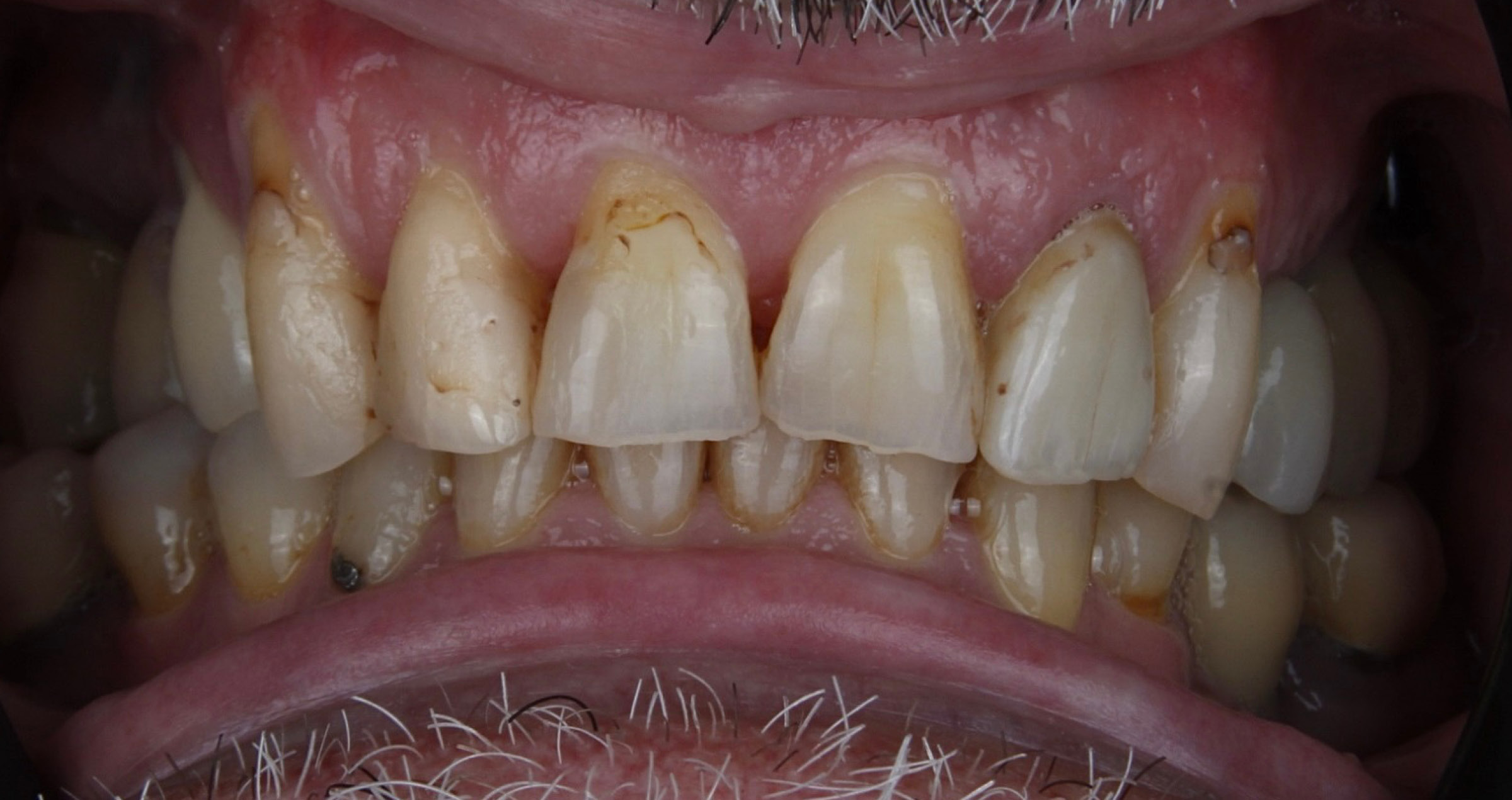
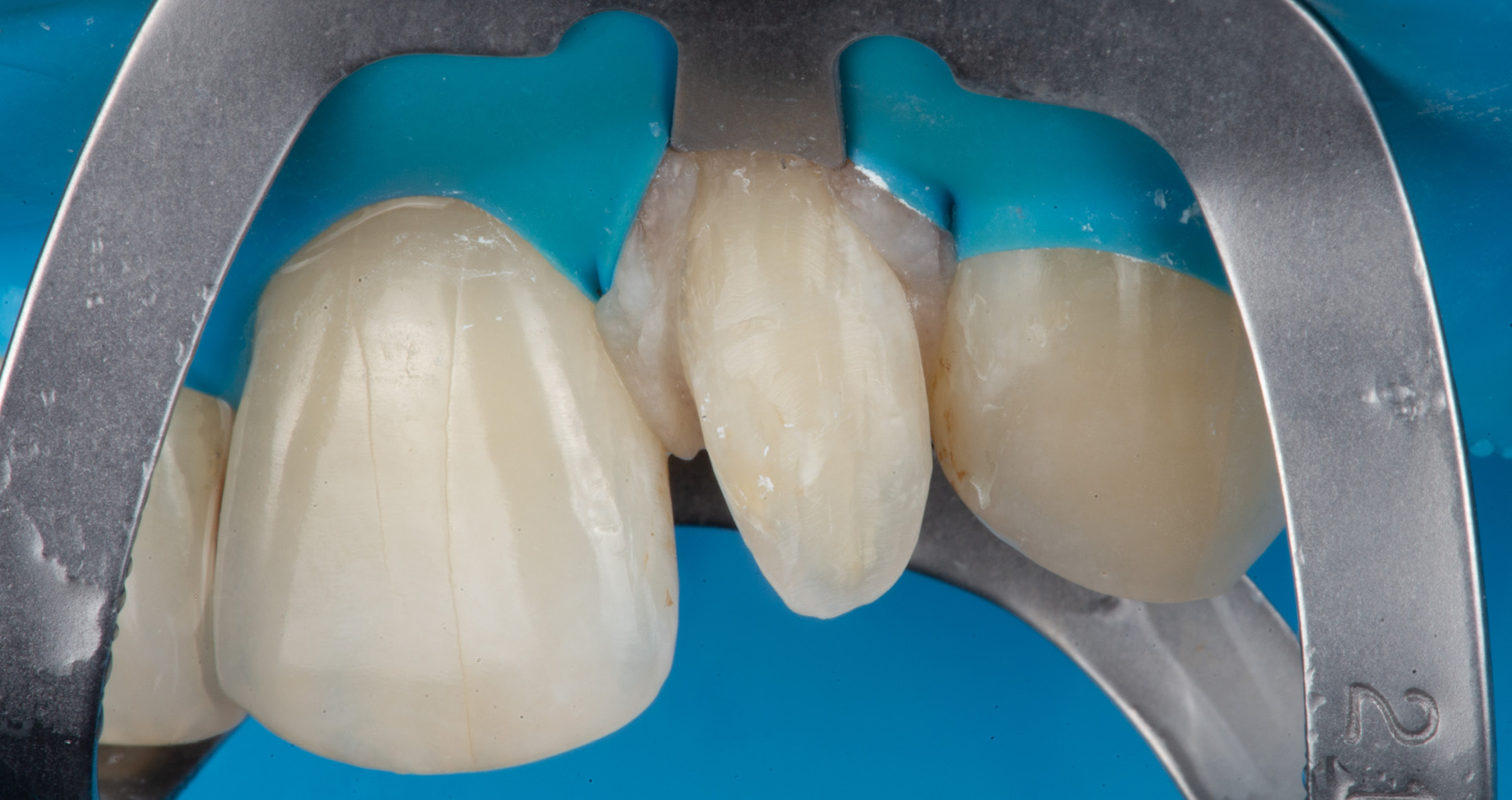
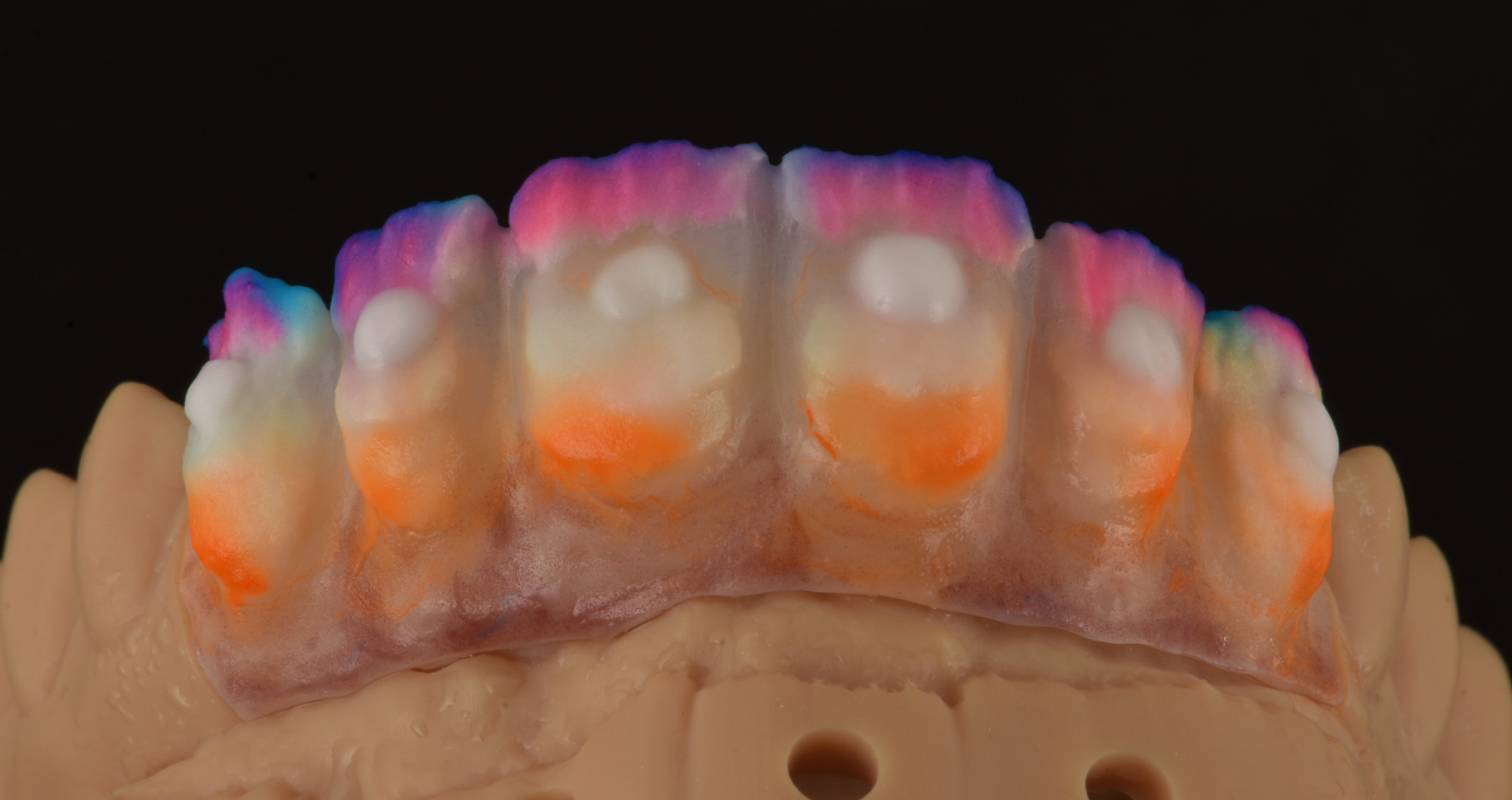
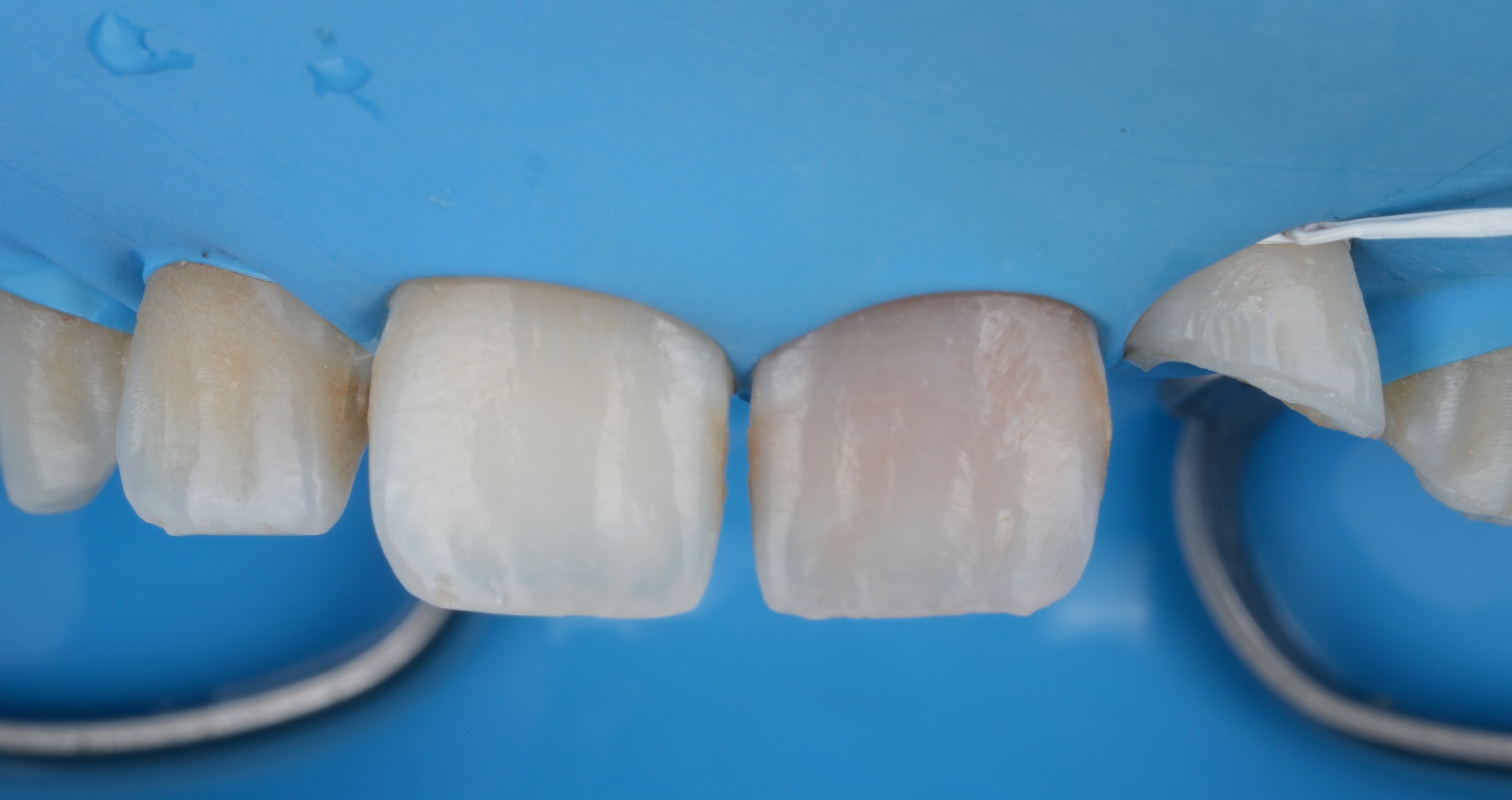
Rebuilding a natural smile 2025. gada 18. nov. Case by Dt. Koray Kendir, DDS, Turkey (İzmir) LAYERED COMPOSITE TECHNIQUE WITH A1D AND A1E SHADES Single-shade composite layering techniques are becoming increasingly popular among dental practitioners due to their simplicity. Used in combination with modern composite materials that offer improved optical properties, these techniques lead to aesthetic outcomes in many clinical situations. However, when it comes to restoring anterior teeth with pronounced enamel translucencies and a vivid internal colour structure, playing with two shades and opacities of composite may be the better option. Luckily, a dual-shade technique does not have to be complicated, either: With CLEARFIL MAJESTY™ ES-2 Premium (Kuraray Noritake Dental Inc.), dental practitioners have a material at their disposal that supports simplified procedures and predictable outcomes as well. It comes with fixed shade combinations of Dentin and Enamel, each of which covers three VITA shades. Consequently, the need for complicated shade schemes and colour combination formulas is eliminated. The following case reveals how to use it in the context of an anterior restoration procedure. STEP 1 – ISOLATION AND INITIAL EVALUATION Rubber dam isolation was performed to provide for optimal moisture control and field visibility. Initial photographs were taken to document the preoperative condition. The defects on teeth #22 (mesial), #21 (distal), #11 (distal), and #12 (mesial, FDI notation) were evaluated under dry conditions. STEP 2 – SHADE SELECTION Shade selection was performed under rubber dam isolation using CLEARFIL MAJESTY™ ES-2 Premium Shade Guide (Kuraray Noritake Dental Inc.). The selected shades were A1D (dentin) and A1E (enamel) from CLEARFIL MAJESTY™ ES-2 Premium, providing optimal blending with the surrounding natural teeth. STEP 3 – CAVITY PREPARATION After completing the shade selection, carious tissue was thoroughly removed from teeth #22, #21, #11, and #12. Conservative Class III cavity were prepared with a focus on maintaining maximum enamel support and preserving tooth structure. Palatal and buccal views were documented to demonstrate the cavity extension and cleanliness of the preparation. STEP 4 – ETCHING Selective etching was performed using K-ETCHANT Syringe (Kuraray Noritake Dental Inc.) on the enamel margins of the prepared cavities. Adjacent teeth were protected using PTFE tape to prevent unintended etching. This step provides for optimal micromechanical retention and enhances the bond strength of the adhesive system. STEP 5 – ADHESIVE APPLICATION CLEARFIL™ SE BOND 2 (Kuraray Noritake Dental Inc.) was used as the adhesive system. Following the manufacturer’s protocol, the primer was first applied to all cavity surfaces, left undisturbed for 20 seconds to allow adequate penetration, and then gently dried with air. The bond was then applied, air-thinned, and light cured. This two-step self-etch adhesive provides reliable adhesion and long-term stability in direct restorations. STEP 6 – LIGHT POLYMERIZATION Following the adhesive application, each surface was light-cured using a high power LED curing unit. The tip of the curing device was positioned as close as possible to the bonding surfaces to enable optimal polymerization of the adhesive layer. STEP 7 – COMPOSITE RESTORATION AND FINISHING The restorations were completed using a multilayering approach. Palatal shells were initially built with A1E (enamel shade) to establish the outline form. The dentin body was reconstructed with A1D, followed by a final enamel layer (A1E) to achieve natural translucency and surface texture. After finishing the contouring, polishing was performed to achieve a lifelike gloss and seamless integration with the surrounding dentition. Dentist: KORAY KENDIR Dt. Koray Kendir is a graduate of Hacettepe University Faculty of Dentistry and the co-founder of a private dental clinic in İzmir. He specializes in digital dentistry, smile design, and computer-aided restorative treatments. Known for his innovative approach, Dr. Kendir is a frequent speaker at national dental congresses and serves as an advisor to several dental companies.
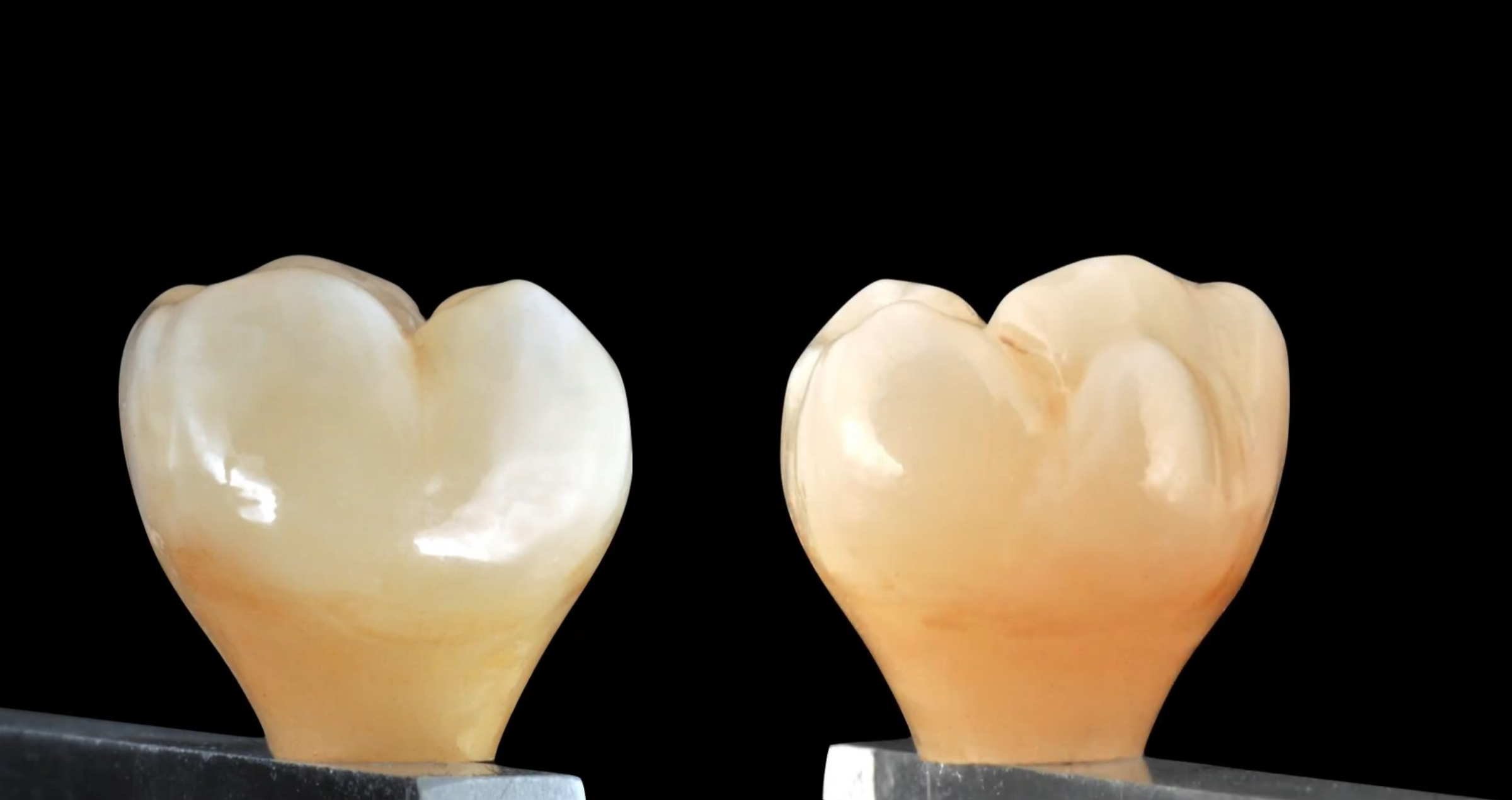
Keeping it smart and simple: Micro-layering of implant supported reconstructions 2025. gada 11. nov. Case by Andreas Chatzimpatzakis Many modern, tooth-coloured dental materials enable us to achieve more with less. By using high-strength ceramics with a multi-layered colour structure and natural translucency, for example, the path to the desired outcomes involves fewer components, smaller layers and a reduced number of bakes. A possible streamlined procedure is illustrated below. The main materials used were KATANA™ Zirconia HTML PLUS for the screw-retained implant-supported superstructure and CERABIEN™ MiLai (both Kuraray Noritake Dental Inc.) for vestibular micro-layering. Fig. 1. Zirconia-based screw-retained implant-supported prosthesis after milling and carving to obtain a natural surface texture. Fig. 2. Restoration after sintering. To intensify the colour characteristic of the multi-layered blanks, the surface was treated with Esthetic Colorant (mainly in the incisal area and the gum parts). Fig. 3. Appearance after the application of CERABIEN™ MiLai SS Fluoro. Fig. 4. Restoration after the application of CERABIEN™ MiLai internal stains. They add some natural shading effects to the tooth and gum areas. Fig. 5. Restoration on the model after micro-layering. In the cervical area, CERABIEN™ MiLai LT1 was mainly used, while the middle and incisal areas were individualized with E2 and Tx, the latter adding a seamless gradient in translucency. For the gingiva, the choice fell on the tissue porcelains 1, 5 and 6. Fig. 6. Finished restoration on the model. Fig. 7. The micro-layer of porcelain has a brilliant effect. Fig. 8. The lifelike appearance is due to a smart combination of surface texturing … Fig. 9. … and micro-layering with a comprehensive set of internal stains plus porcelains. CONFIDENCE AND CONTROL Full ceramic layering can produce beautiful results, but can be quite complex and time-consuming. In times with limited availability of skilled personnel and high-performance materials being offered, it may be a valuable strategy to opt for micro-layering with CERABIEN™ MiLai whenever appropriate. The system provides precise control over the layering and shading procedure, so that highly aesthetic and functional outcomes are easily and confidently obtained. Dental technician: ANDREAS CHATZIMPATZAKIS Andreas graduated from the Dental Technology Institute (TEI) of Athens in 1999. During his studies he followed a program at the Helsinki Polytechnic Department of Dental Technique, where he trained on implant superstructures and all ceramic prosthetic restorations. As of 2000, he is running the ACH Dental Laboratory in Athens, Greece, specialized on refractory veneers, zirconia and long span implant prosthesis. In 2017 Andreas visited Japan where he trained under the guidance of Hitoshi Aoshima, Naoto Yuasa and Kazunabu Yamanda and become International Trainer for Kuraray Noritake Dental Inc..
News Feature Easy application, immediate sensitivity relief 2025. gada 4. nov. TEETHMATE™ DESENSITIZER RECOGNIZED AS TOP PRODUCT YET AGAIN Dental Advisor has recognized TEETHMATE™ DESENSITIZER as a Top Product in the category of Hygiene – Desensitizer yet again. This year’s recognition – the eleventh in a row (2015 – 2025) – was announced in the January/February 2025 issue of the publication. TEETHMATE™ DESENSITIZER allows an effective non-invasive approach to the treatment of hypersensitivity – a painful condition that generally occurs when dentinal tubules are exposed – when used as directed by dental professionals. HOW IT WORKS TEETHMATE™ DESENSITIZER is designed to crystalize hydroxyapatite (HAp), a mineral that is naturally found in enamel and dentin, and is the human body’s strongest material. When applied to exposed, mechanically treated, or freshly prepared dentin, the calcium phosphate-based mixture blocks the exposed tubules and provides immediate pain relief. During setting, HAp is formed, providing for long-term prevention of hypersensitivity. Further, when used in the context of restorative treatment, TEETHMATE™ DESENSITIZER does not have a negative effect on the bond strength of subsequently utilized dental adhesives or cements. BENEFITS IN A NUTSHELL TEETHMATE™ DESENSITIZER is a versatile solution providing hypersensitivity relief independent of the cause. It is perfectly suited for Treatment of dentin exposed by toothbrush abrasion, gingival recession, periodontal disease and/or acid erosion. Treatment of dentin after mechanical tooth cleaning, scaling and/or root planing. Treatment of the tooth surface before and after bleaching. Treatment of prepared dentin for fillings and/or prosthetic restorations. The use of the product is also beneficial as it is Easy to mix and apply. Proven to be effective. Tissue-friendly and highly biocompatible. OUTSTANDING CLINICAL PERFORMANCE RATING: 96 PERCENT In a clinical evaluation, the Dental Advisor consultants found TEETHMATE™ DESENSITIZER effective in providing hypersensitivity relief immediately following and for up to six months after application. The study evaluated 27 patients diagnosed with gingival recession-related hypersensitivity, which was diagnosed using thermal testing with cold air. For the initial assessment, patients were asked to evaluate their level and frequency of hypersensitivity per tooth on a five-point scale. They were questioned about their level of sensitivity immediately after TEETHMATE™ DESENSITIZER was applied, according to the instructions for use, and again six months later. At baseline, 91 percent of the patients stated that they had no or only mild, sporadic sensitivity, which was still the case for 85 percent after six months. Among the consultants’ comments were “TEETHMATE DESENSITIZER is easy to apply and seems to provide consistent relief.” "At six months, the majority of patients continue to experience marked improvement from their preoperative sensitivity or no sensitivity at all." As a result, the product received a clinical performance rating of 96 percent. ABOUT DENTAL ADVISOR The Top Product and Preferred Product Awards from Dental Advisor, a US-based organization, were initiated to help busy practitioners navigate the variety of new dental solutions available, particularly for less invasive techniques and standardized procedures. These awards aim to identify products that improve outcomes consistently. Dental Advisor conducts clinical evaluations and product performance tests shortly after a product’s launch and publishes annual results online to help practitioners identify high-quality dental materials suited to their specific needs. For more information, visit Dental Advisor at: www.dentaladvisor.com