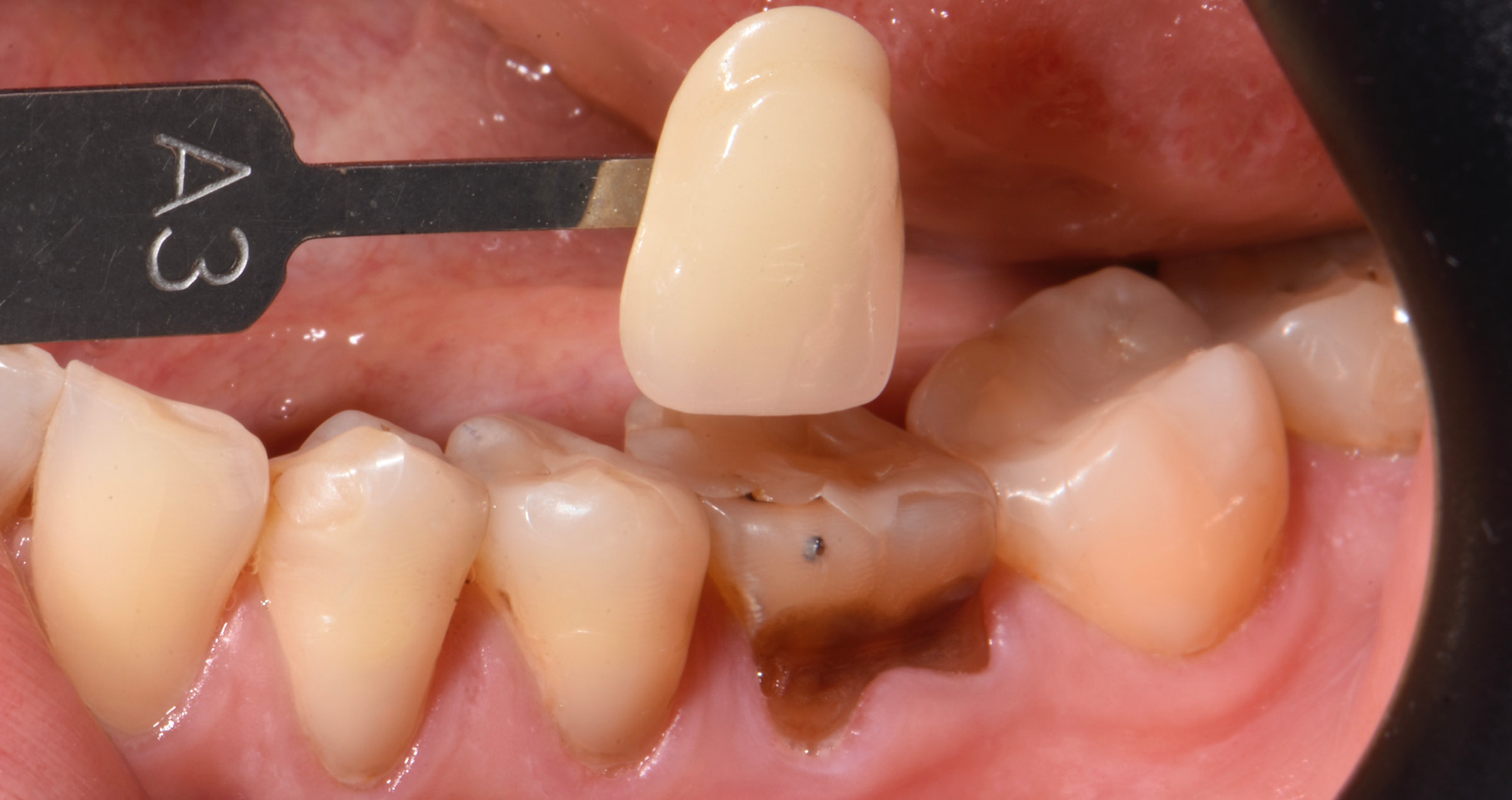
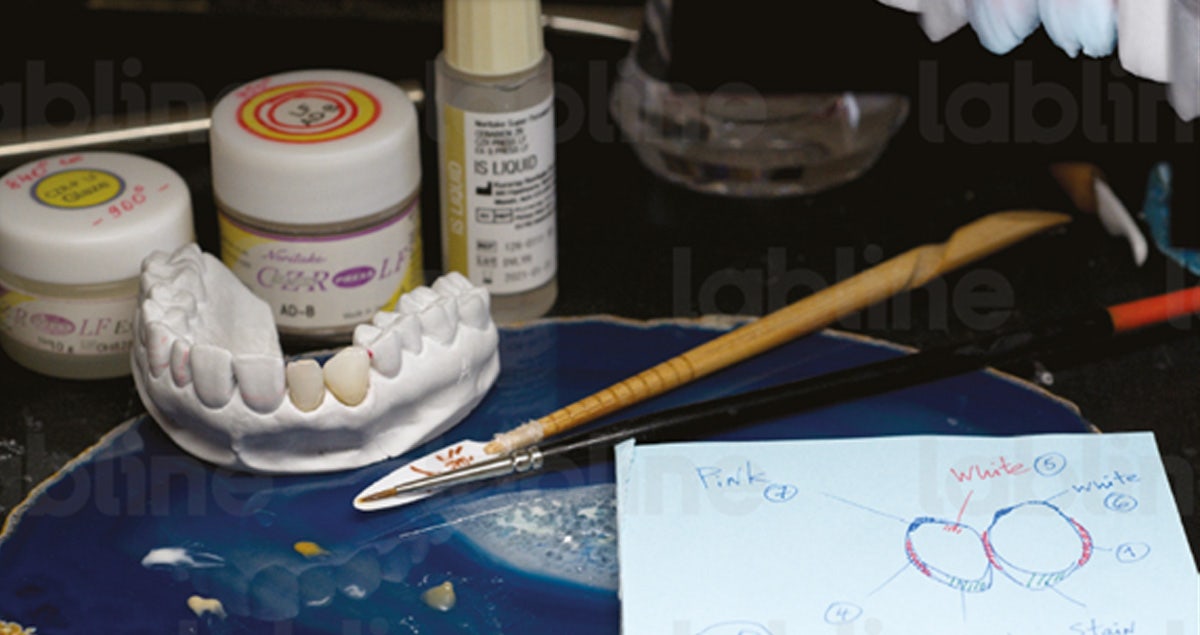
Clinical Cases, Chairside, Labside Laminate veneer restoration using KATANA™ Zirconia STML prostheses Oct 18, 2022 Case by Dr. Yohei Sato, DMD, PhD, Department of Removable Prosthodontics, Tsurumi University School of Dental Medicine, JAPAN and Dr. Keisuke Ihara, CDT, i-Dental Lab, JAPAN Fig. 1. The patient was referred to our hospital by an orthodontist. The chief complaints were improper esthetics of the teeth due to black triangles at the edges of the gaps between the teeth and occlusal wear of the teeth. Fig. 2. On the basis of the pre-treatment diagnosis using a mockup, the abutments were prepared without anesthesia, keeping in mind that the enamel should be preserved to the extent possible. Fig. 3. Since a fixation retainer was installed on the palate side, it was difficult to take impressions using silicone. Therefore, an intraoral scanner for impression taking was used. Fig. 4. A layer of porcelain on each of KATANA™ Zirconia STML substrates was applied to complete the laminate veneer resto-rations. The inner surface of each restoration was sandblasted, being careful to prevent chipping. Fig. 5. After trial fitting, bonding inhibiting substances as blood and saliva were removed using KATANA™ Cleaner. Fig. 6. Milling. CLEARFIL™ CERAMIC PRIMER PLUS, which contains the phosphoric ester monomer MDP, was applied and dried using compressed air. Fig. 7. The surface of each tooth was cleaned and treated with K-ETCHANT Syringe for 10 seconds before washing it away with water and compressed air-dried the area. Fig. 8. PANAVIA™ V5 Tooth Primer was applied and left it for 20 seconds, then compressed air-dried it. Fig. 9. PANAVIA™ Veneer LC Paste was applied and the laminate veneer was seated. For this case, we treated six teeth during one session. Fig. 10. The unpolymerized excess paste was removed with a brush. PANAVIA™ Veneer LC Paste is a light-cured type, which was designed to provide sufficient working time. Fig. 11. This photo shows the results after the final light curing. Since the excess cement was easily removed, there were almost no cement residues. FINAL SITUATION Fig. 12. The photo shows the inside of the oral cavity one month after the fitting of the laminate veneer restorations. It can also be noted that the teeth’s marginal gingiva has been improved, thanks to the good fit of the laminate veneer restorations.
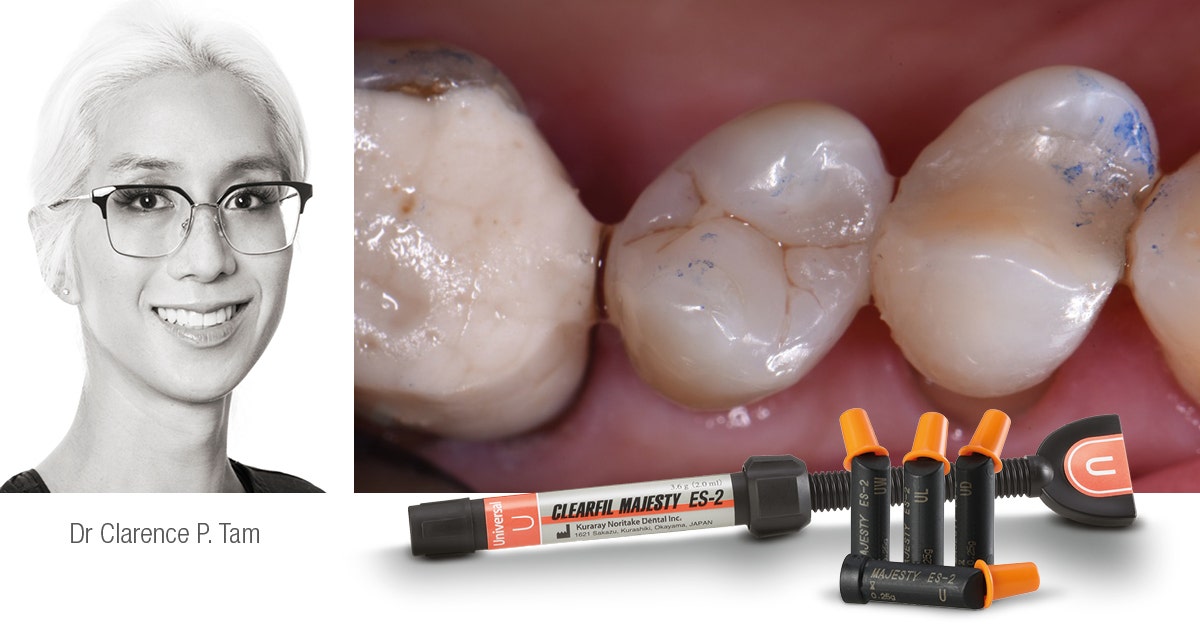
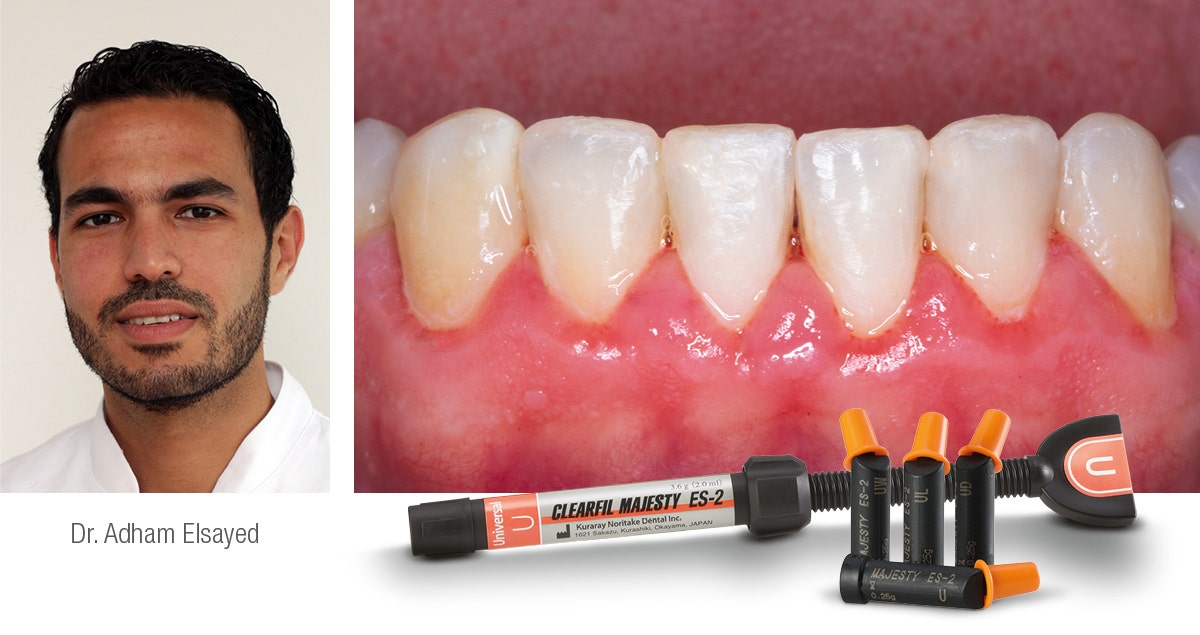
Clinical Cases, Chairside Premolar case with CLEARFIL MAJESTY™ ES-2 Universal Sep 20, 2022 Case by Dr. Clarence P. Tam, HBSC, DDS, AAACD, FIADFE Case background A stable ASA 2 65 year old female presented to the practice for restorative dentistry with a medical history significant for a non-descript immunoglobulin deficiency, for which she receives regular infusions. She reports no known drug allergies. Clinically, she was diagnosed with an occlusal peripheral rim fracture leaving a food trap on tooth 14 (FDI notation). Tooth 15 featured an extensive amalgam with extreme proximity to the distal marginal ridge, which exhibited distal vertical axial fractures as a result of cyclic expansion-contraction over time. The restorative goal of minimally invasive direct dentistry would be complicated by the undoubtedly dark dentin substrate under the amalgam. A material was sought that featured both an excellent chameleon mechanism as well as physical properties to maximize the prognosis of direct restorations in this area. Restorative procedure The patient was subjected to topical anesthetic prior to buccal infiltration using 1 carpule of 2% Lignocaine with 1:100,000 epinephrine. A rubber dam was affixed prior to preparation of tooth 15MO with dissection of the distal vertical marginal ridge fracture. The margins of tooth 14O and 15MOD were refined before bevelling as the ends of enamel rods facilitate better bonding relative to the sides of enamel rods. A 27 micron aluminum oxide micro air abrasion treatment was completed prior to affixing, wedge and matrix to reconstruct the mesial marginal ridge of tooth 15. A matrix-in-matrix solution was used to recreate the proximoaxial contour of 15D. This provided hermetic closure at the proximogingival cavosurface margin as well as an ideal contour for the missing axial wall. Following a total etch technique, a 2% Chlorhexidine scrub was completed for 30 seconds and the dentin blot dried to a moist state. A 5th generation bond was applied, air thinned and cured as per manufacturer instructions. Microlayers are important during the delicate first 5 minutes of hybrid layer formation, and were completed using 0.25 mm increments of CLEARFIL MAJESTY™ Flow (Kuraray Noritake Dental Inc.). This technique can be expected to increase significantly the shear bond strength to dentin1,2. This was completed both in the proximal box floor area as well as mid-occlusally. The marginal ridge was completed using CLEARFIL MAJESTY™ ES-2 Universal (Kuraray Noritake Dental Inc.). Since the dentin base was heavily stained, CLEARFIL MAJESTY™ Flow was used before utilizing CLEARFIL MAJESTY™ ES-2 Universal in a lobe-by-lobe creation of occlusal anatomy. Post-operative occlusal checks verify that the restoration is conformative to occlusion and esthetically excellent with no visible marginal show. Rationale for material choice The marginal ridges were micro-layered horizontally as was the floor of the resulting Class I preparation as per a reduced layer thickness-technique modification of Nikolaenko et al3, whereas the highest shear bond strengths were found when a 1mm horizontal layering technique was used. CLEARFIL MAJESTY™ ES-2 Universal is at the forefront of a simplified restorative armamentarium for the modern practice. It takes cloud-shading one step further by offering a “Universal” shaded composite featuring Light Diffusion Technology (LDT) with simultaneous ideal sculptability, optical metamerism and physical properties for use in any restorative situation in the mouth. Featuring barium glass nano fillers and proprietary pre-polymerized nanoparticle fillers, the latter boasts a high refractive matrix that is able to disperse light and fool the eye with even the thinnest of layers, obviating the need for opaquer composites in cases like the one featured. When paired with CLEARFIL MAJESTY™ Flow in a conservative layered technique, the 81% filled flowable produces a radiographically well-demarcated layer, and the superficial CLEARFIL MAJESTY™ ES-2 Universal boasts an easy-to-polish robust single shade restorative solution that will virtually fulfil all of your restorative needs for non-bleaching patients. Physically, with compressive strength is rated at 348 MPa and flexural strength at 116 MPa, CLEARFIL MAJESTY™ ES-2 Universal is in the range of natural enamel and dentin. The built-in fluorescence is very enamelomimetic, which is excellent for nightclub social situations. FINAL SITUATION Dentist: DR CLARENCE P. TAM, HBSC, DDS, AAACD, FIADFE Clarence is originally from Toronto, Canada, where she completed her Doctor of Dental Surgery and General Practice Residency at the University of Western Ontario and the University of Toronto, respectively. Clarence’s practice is limited to cosmetic and restorative dentistry and she is well-published to both the local and international dental press, writing articles, reviewing and developing prototype products and techniques in clinical dentistry. She frequently and continually lectures internationally. Clarence is the Immediate Past Chairperson of the New Zealand Academy of Cosmetic Dentistry. She is currently one of two individuals in Australasia to hold Board-Certified Accredited Member Status with the American Academy of Cosmetic Dentistry. Clarence is an Opinion Leader for multinational dental companies Kuraray Noritake, J Morita Corp, Henry Schein NZ, Ivoclar Vivadent, Dentsply Sirona, 3M, Kerr, GC Australasia, SDI and Coltene and is the only Voco Fellow in Australia and New Zealand. She holds Fellowship status with the International Academy for DentoFacial Esthetics and is a passionate and approachable individual, committed to having an interactive approach with patients in all of her cases to maximize predictability. References 1. Bertschinger C, Paul SJ, Luthy H, Scharer P. Dual application of dentin bonding agents: effect on bond strength. Am J Dent. 1996;9(3):115-119.2. Magne P, Kim TH, Cassione D, Donovan TE. Immediate dentin sealing improves bond strengths of indirect restorations. J Prosthet Dent. 2005;94(6):511-519.3. Nikolaenko SA, Lohbauer U, Roggendorf M, Petschelt A, Dasch W, Franenberberger R. Influence of C-Factor and layering technique on microtensile bond strength to dentin. Dental Mater. 2004;20(6):579-585.
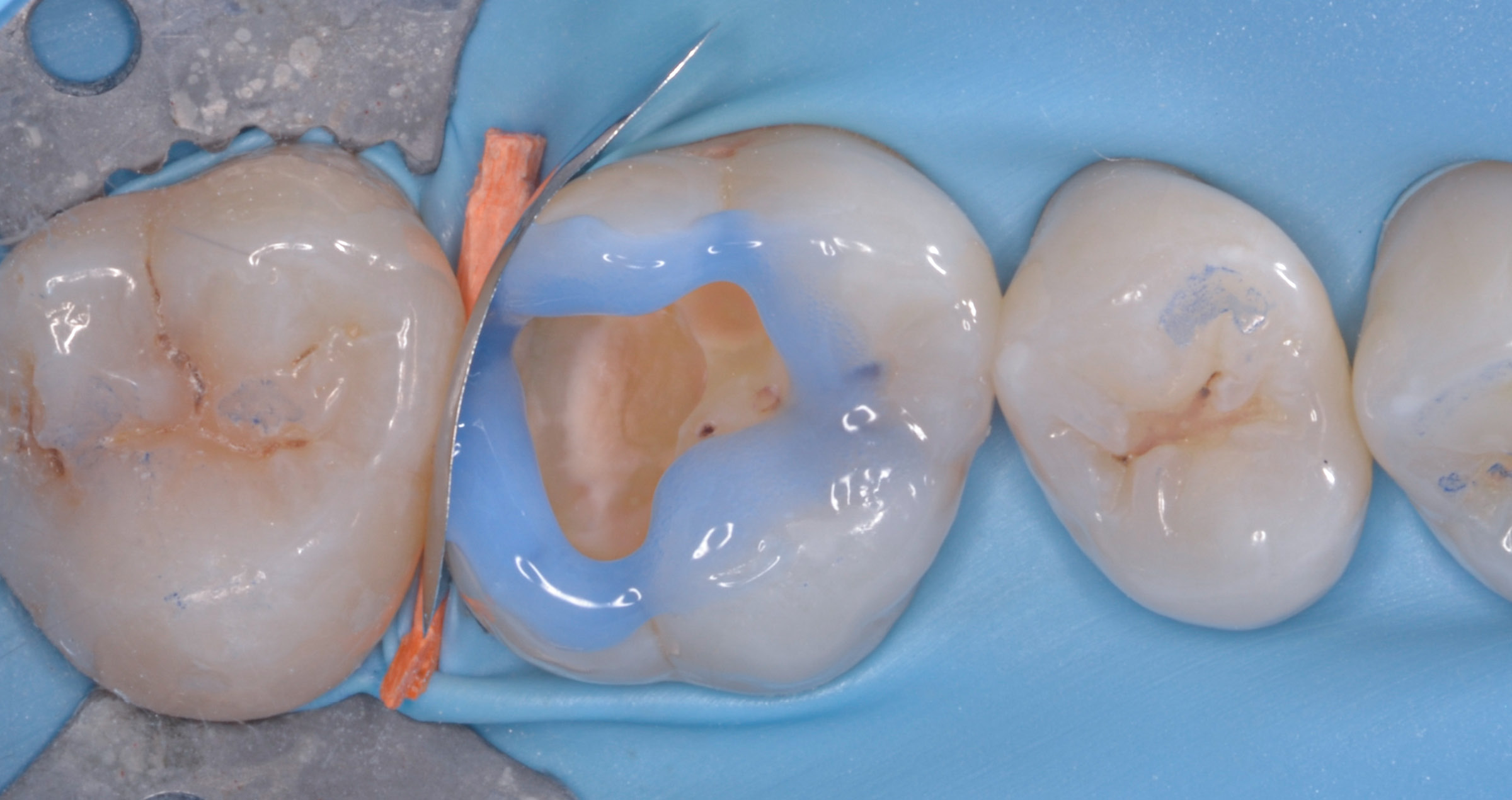
Clinical Cases, Chairside Direct cuspal coverage with resin composite Aug 30, 2022 Case by Dr. Aleksandra Łyżwińska, Warsaw, Poland ABSTRACT Indirect overlays are the contemporary restoration standard for posterior teeth with extensive hard tissue loss. They provide for cuspal coverage, which decreases the likeliness of coronal and/or root fracture. At the same time and in contrast to crowns, overlay preparations minimize the removal of sound tooth structure especially in the cervical region, which is a critical factor.1 Modern dental resin composites allow for direct cuspal coverage in a single-visit appointment. The results of in-vitro studies suggest that these direct overlays are a suitable alternative to their indirect counterparts in specific situations.2-6 The following case report is used to describe the direct restoration procedure by means of a maxillary right molar with an extensive, deep MOD lesion. INTRODUCTION In the context of treating a tooth with an extensive carious lesion, a biomechanical risk assessment should be performed. The primary method of reducing the likeliness of tooth fracture is treatment with a restoration that provides cuspal coverage. The contemporary gold standard for biomechanically compromised teeth are adhesively cemented overlays as an alternative to crowns.1 Another option that does not involve labwork is a direct overlay restoration.2-6 The direct approach is especially suitable for long-term temporization, which may be required during orthodontic treatment, for example. CLINICAL CASE The 40-year-old male patient was referred to my office before an orthodontic and prosthetic treatment. Intraoral examination (Figs. 1 and 2) revealed: Tetracycline discolouration, Multiple extensive composite restorations with marginal leakage, Primary and secondary carious lesions, and Significant mechanical weakness7,8 (mesio-occluso-distal (MOD) cavities, cusp loss, cracks). Fig. 1. Initial situation – extensive MOD composite resin restoration. Fig. 2. Initial situation – unacceptable contact points, palatal wall crack line. Based on a clinical and radiological examination (Fig. 3), it was decided to restore the maxillary right first molar with a direct overlay, which should serve as a long-term temporary for the duration of orthodontic treatment. Once the local anaesthetic had been administered, rubber dam was placed in the first quadrant and the cusps of the affected first molar were reduced. For subgingival tooth preparation, a rubber dam sheet was temporarily moved behind the second upper molar (Fig. 4). In order to obtain a good emergence profile of the restoration and a tight fit of the sectional matrix, the gingivectomy was performed with an electric surgical knife (Surtron 50D, LED SPA) (Fig. 5). The main advantages of a diathermal cut are instant tissue coagulation and hemostasis9. Fig. 3. Bite-wing radiograph: Maxillary fist molar with an overhang and negative profile of the distal wall. Fig. 4. Initial preparation with reduction of the cusps and exposure of gingiva. Fig. 5. Gingivectomy performed using a surgical electric knife. In accordance with the European Society of Endodontology’s guidelines on the management of deep caries10, the deepest part of the cavity was cleaned in full rubber dam isolation (Nic Tone Dental Dam, MDC Dental) (Fig. 6). Carious-tissue excavation was carried out using round burs, then the enamel and dentin were air-abraded with 50-μm aluminum oxide (Microetcher IIa, Danville). Multiple cracks, penetrating through the enamel and partially the dentin, occurred within the mesial and palatal walls. The presence of cracks crossing the dentin-enamel junction is an absolute indication to cuspal coverage8,11. An appropriate rubber dam isolation is essential in adhesive dentistry. Beyond the obvious advantage of a clean operation field uncontaminated by saliva and moisture, the rubber dam contributes to keeping periodontal tissues at a distance form a tooth. In order to ensure both, maximum retraction and sufficient space to work, the rubber dam was inverted (introduced to the gingival sulcus) and stabilized using PTFE tape (Fig. 7). The mesial wall was restored using a blue 3D Composite-Tight 3D Fusion matrix ring (Garrison) and a medium standard Sectional Contoured Metal Matrix (TOR VM, Fig. 8). Due to its extensiveness and shape, restoration of the distal wall was more difficult to perform. Fig. 6. Rubber dam newly placed in the interproximal area. Full isolation is essential for the excavation of the infected dentin in the deepest part of the cavity. Fig. 7. PTFE tape placement for improving isolation in the gingival area. Al2O3 sandblasting. Fig. 8. Mesial matrix fit. The first attempt to adapt an elongated Sectional Contoured Metal Matrix and the green 3D Composite-Tight 3D Fusion (Garrison) ended with failure (Fig. 9). The matrix was changed for a longer and more curved one (Fig. 10). The ring was replaced by a smaller Palodent V3 Ring (Dentsply Sirona, Fig. 11). Due to the depth of the carious lesion, an antibacterial adhesive system was used (CLEARFIL™ SE Protect, Kuraray Noritake Dental Inc.). It contains the MDPB monomer, which offers an antibacterial effect that lasts even after hybrid layer formation12-14. Furthermore, the fluoride included in the bond liquid intensifies the cariostatic mechanism of CLEARFIL™ SE Protect and supports the so-called “Super Dentin” formation15. Fig. 9. Insufficient fit of the distal matrix. Fig. 10. New, longer and more curved matrix in place. Fig. 11. Different matrix ring placed in the distal area. After polymerization of the bonding agent, the nanohybrid flowable composite resin (CLEARFIL MAJESTY™ ES Flow High, Kuraray Noritake Dental Inc.) was applied in a thin layer. The proximal wall was restored using both packable (CLEARFIL MAJESTY™ ES-2 Universal, Kuraray Noritake Dental Inc.) and flowable composite resin (CLEARFIL MAJESTY™ ES Flow Super Low, Kuraray Noritake Dental Inc.) (Figs. 12 and 13). Core build-up was performed with bulk-fill type composite. The cusps were reconstructed free-hand with the previously used CLEARFIL MAJESTY™ ES-2 Universal (Figs. 14 and 15). The universality of this product provides for a good optical integration and blending with the adjusted tissue, regardless of the colour of the underlying tooth structure. The fissures were gently highlighted using brown tints. Fig. 12. Thin layer of flowable composite resin CLEARFIL MAJESTY™ ES Flow High (A2) applied on the cavity floor. The proximal walls are built up with build-up by CLEARFIL MAJESTY™ ES-2 Universal and CLEARFIL MAJESTY™ ES Flow Super Low (A2). Fig. 13. Proximal walls build-up – palatal view. Fig. 14. Core build-up. Free-hand cusp coverage with CLEARFIL MAJESTY™ ES-2 Universal, palatal view. Fig. 15. Cusp coverage – occlusal view. The initial polishing was performed with the rubber dam still in place. The excesses of composite resin were removed with the aid of abrasive discs, diamond burs and a “Brownie” polisher (BAL, Nevadent). Pre-polishing and high-shine polishing were executed with TWIST™ DIA for Composite (Kuraray Europe GmbH.) supported by a goat hair brush (Micerium) (Figs. 16 to 17). Fig. 16. Occlusal surface after surface modeling with CLEARFIL MAJESTY™ ES-2 Universal and initial polishing. Fig. 17. Occlusal surface after modeling with CLEARFIL MAJESTY™ ES-2 Universal and initial polishing – palatal view. After removal of the rubber dam, the occlusal contact points of the direct overlay were adjusted (Figs. 18 and 19). Every spot touched by the burr was subsequently repolished according to the previously described protocol (Figs. 20 and 21). Fig. 18. Occlusal adjustment. Contact points recorded with articulation paper (100 μm). Fig. 19. Occlusal adjustment. Contact points recorded with articulation paper (100 μm= and articulation foil (16 μm). Fig. 20. Final effect after polishing with TWIST™ DIA for Composite. FINAL SITUATION Fig. 21. Final effect – palatal view. CONCLUSION As a result of decades of improvements mainly with regard to the filler density and polishability, modern dental composites offer a great gloss retention and favourable wear properties. In addition, polymerization shrinkage has been decreased due to the integration of nanohybrid filler technology. Those features allow us to restore biomechanically compromised teeth using a direct restoration technique. Direct overlays are a suitable alternative for a conventional indirect restoration in many situations.18,19 According to researchers, the advantages of direct restorations with cuspal coverage include minimal tooth preparation, vital pulp-oriented treatment, the possibility to treat patients in a single appointment and a potentially lower cost of the treatment.18-20 However, it should be emphasized that the presented technique requires advanced restorative skills that need to be acquired first before starting to implement it. Dentist: DR. ALEKSANDRA ŁYŻWIŃSKAWarsaw, Poland Dr. Aleksandra Łyżwińska is a restorative dentist. She graduated from the Warsaw Medical University in 2017, where she was an assistant professor at the Department of Conservative Dentisyty and Endodontics. Her focus lies in modern adhesive techniques, resin composites and biomaterials. REFERENCES 1. Dietschi D, Duc O, Krejci I, Sadan A. Biomechanical considerations for the restoration of endodontically treated teeth: a systematic review of the literature--Part 1. Composition and micro- and macrostructure alterations. Quintessence Int. 2007 Oct;38(9):733-43.2. van Dijken JW. Direct resin composite inlays/onlays: an 11 year follow-up. J Dent. 2000 Jul;28(5):299-306. doi: 10.1016/s0300-5712(00)00010-5. PMID: 10785294.3. Mondelli RF, Ishikiriama SK, de Oliveira Filho O, Mondelli J. Fracture resistance of weakened teeth restored with condensable resin with and without cusp coverage. J Appl Oral Sci. 2009 May-Jun;17(3):161-5.4. Deliperi S, Bardwell DN. Multiple cuspal-coverage direct composite restorations: functional and esthetic guidelines. J Esthet Restor Dent. 2008;20(5):300-8; discussion 309-12.5. Deliperi S, Bardwell DN. Clinical evaluation of direct cuspal coverage with posterior composite resin restorations. J Esthet Restor Dent. 2006;18(5):256-65; discussion 266-7.6. Mincik J, Urban D, Timkova S, Urban R. Fracture Resistance of Endodontically Treated Maxillary Premolars Restored by Various Direct Filling Materials: An In Vitro Study. Int J Biomater. 2016;2016:9138945.7. Reeh ES, Messer HH, Douglas WH. Reduction in tooth stiffness as a result of endodontic and restorative procedures. J Endod. 1989 Nov;15(11):512-6.8. Banerji S, Mehta SB, Millar BJ. The management of cracked tooth syndrome in dental practice. Br Dent J. 2017 May 12;222(9):659-666.9. Bashetty K, Nadig G, Kapoor S. Electrosurgery in aesthetic and restorative dentistry: A literature review and case reports. J Conserv Dent. 2009 Oct;12(4):139-44.10. European Society of Endodontology (ESE) developed by:, Duncan HF, Galler KM, Tomson PL, Simon S, El-Karim I, Kundzina R, Krastl G, Dammaschke T, Fransson H, Markvart M, Zehnder M, Bjørndal L. European Society of Endodontology position statement: Management of deep caries and the exposed pulp. Int Endod J. 2019 Jul;52(7):923-934.11. Lynch CD, McConnell RJ. The cracked tooth syndrome. J Can Dent Assoc. 2002 Sep;68(8):470-5.12. Hashimoto M, Hirose N, Kitagawa H, Yamaguchi S, Imazato S. Improving the durability of resindentin bonds with an antibacterial monomer MDPB. Dent Mater J. 2018 Jul 29;37(4):620-627.13. Imazato S, Kinomoto Y, Tarumi H, Torii M, Russell RR, McCabe JF. Incorporation of antibacterial monomer MDPB into dentin primer. J Dent Res. 1997 Mar;76(3):768-72.14. Imazato S, Kinomoto Y, Tarumi H, Ebisu S, Tay FR. Antibacterial activity and bonding characteristics of an adhesive resin containing antibacterial monomer MDPB. Dent Mater. 2003 Jun;19(4):313-9.15. Nakajima M, Okuda M, Ogata M, Pereira PN, Tagami J, Pashley DH. The durability of a fluoride-releasing resin adhesive system to dentin. Oper Dent. 2003 Mar-Apr;28(2):186-92.16. Bore Gowda V, Sreenivasa Murthy BV, Hegde S, Venkataramanaswamy SD, Pai VS, Krishna R. Evaluation of Gingival Microleakage in Class II Composite Restorations with Different Lining Techniques: An In Vitro Study. Scientifica (Cairo). 2015;2015:896507.17. Oficjalne informacje producenta Kuraray Noritake Dental https://www.kuraraynoritake.eu/pl/clearfil-majesty-es-flow (dostęp 08.02.2022).18. Angeletaki F, Gkogkos A, Papazoglou E, Kloukos D. Direct versus indirect inlay/onlay composite restorations in posterior teeth. A systematic review and meta-analysis. J Dent. 2016 Oct;53:12-21.19. Dhadwal AS, Hurst D. No difference in the long-term clinical performance of direct and indirect inlay/onlay composite restorations in posterior teeth. Evid Based Dent. 2017 Dec 22;18(4):121-122.20. Banerji S, Mehta SB, Millar BJ. Cracked tooth syndrome. Part 2: restorative options for the management of cracked tooth syndrome. Br Dent J. 2010 Jun;208(11):503-14.21. Opdam NJ, Roeters JJ, Loomans BA, Bronkhorst EM. Seven-year clinical evaluation of painful cracked teeth restored with a direct composite restoration. J Endod. 2008 Jul;34(7):808-11.22. van Dijken JW. Direct resin composite inlays/onlays: an 11 year follow-up. J Dent. 2000 Jul;28(5):299-306.

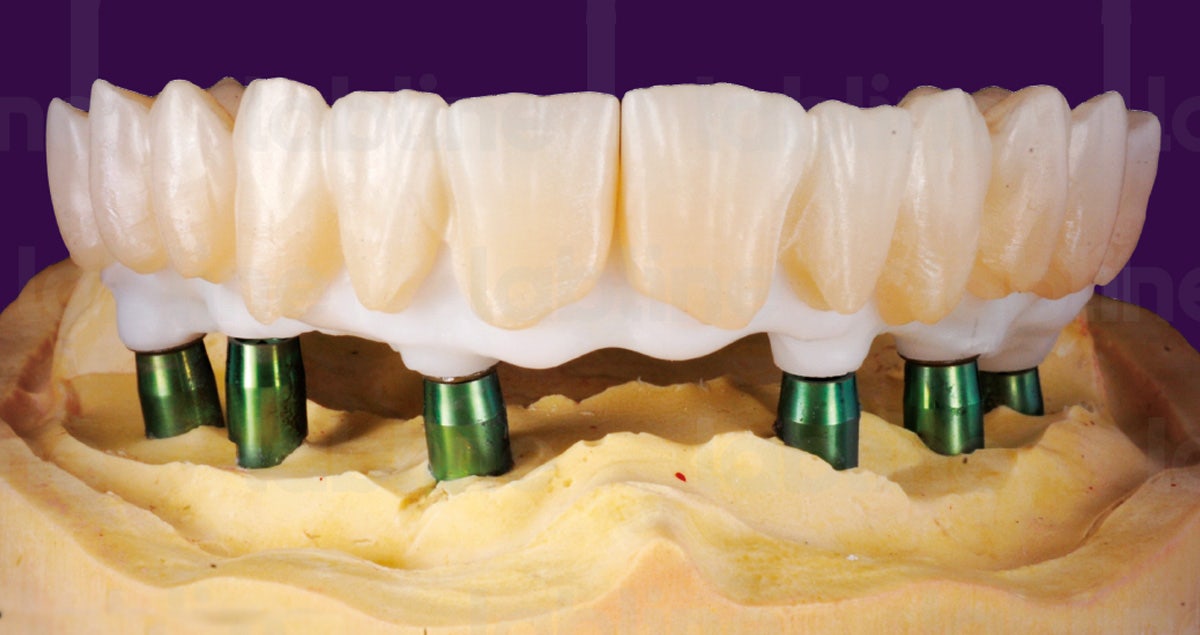
Clinical Cases, Labside What did you miss this summer? Aug 25, 2022 The vacation period is over and we all are slowly returning back to our everyday routines and work. With all the travel and holidays in the last months you might have missed this great article in the LabLine Summer edition: Graftless solutions and implant-supported monolithic zirconia fixed prostheses. It is an extensive, beautiful and detailed case report created and documented by team of well known and respected KOLs: Fortunato Alfonsi, Antonio Barone, Marco Stoppaccioli, Romeggio Stefano and Vincenzo Marchio. Check it out by clicking here.
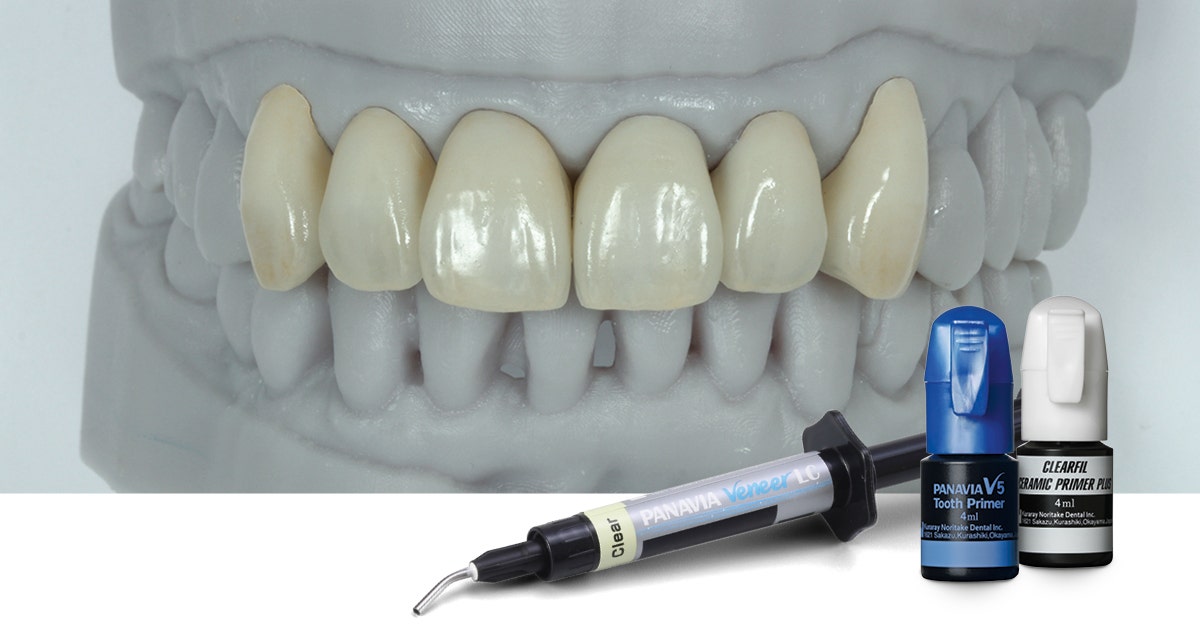
Clinical Cases Laminate veneer restoration Aug 24, 2022 LAMINATE VENEER RESTORATIONUSING LITHIUM DISILICATE WITH PANAVIA™ Veneer LC (Clear)Case by Yohei Sato (DMD, PhD) and Keisuke Ihara (CDT) Fig. 1 The patient visited would like to have the a aestheticsof the maxillary right and left lateral incisors improved. Fig. 2 A silicon guide fabricated from a diagnostic wax modelwas applied and the necessary clearances were determined. Fig. 3 Since the lateral teeth are microdonts, thepreparation of each abutment was completed by simplyexposing a fresh enamel surface to be covered withlaminate veneers. Fig. 4 A layer of porcelain was applied on the lithiumdisilicate substrate, to complete the laminate veneers. Fig. 5 The veneer was conditioned according to theprosthesis‘ IFU. After trial fitting, the intaglio surface of thelaminate veneer was cleaned with KATANA™ Cleaner. Fig. 6 CLEARFIL™ CERAMIC PRIMER PLUS was applied anddried to prime the restoration. Fig. 7 The preparation was cleaned with KATANA™ Cleaner.Applied and rubbed for more than 10 seconds. Then, itwas washed off sufficiently (until the cleaner color hadcompletely disappeared), and dried with compressed air. Fig. 8 K-ETCHANT Syringe was applied and left for 10seconds before water-rinsing and compressed air-drying. Fig. 9 PANAVIA™ V5 Tooth Primer was applied and left for 20seconds before mild compressed-air drying. Fig. 10 PANAVIA™ Veneer LC Paste was applied to theintaglio surface of the laminate veneer. Fig. 11 The laminate veneer was seated and the fitchecked. Then, the excess cement was tack-cured (notmore than 1 second at each point) and removed. Finally,the restoration was light-cured and finished. FINAL SITUATION Fig. 12 The laminate veneer restorations one month afterplacement. The morphology and color of the right andleft lateral incisors have been improved, providing a goodbalance to the entire anterior dentition. LAMINATE VENEER RESTORATIONUSING KATANA™ Zirconia STML WITH PANAVIA™ Veneer LC (Clear)Case by Yohei Sato (DMD, PhD) and Keisuke Ihara (CDT) Fig. 1 The patient was referred by an orthodontist. The maincomplaints were improper aesthetics of the teeth due to darktriangles betwen the teeth and incisal wear. Fig. 2 On the basis of the pre-treatment diagnosis usinga mockup, the teeth were prepared, with keeping in mindthat the enamel should be preserved to the maximal extentpossible. Fig. 3 A fixation retainer was present at the palatal side,making it difficult to take coventional silicon impressions.Therefore, an intraoral scanner was used. Fig. 4 A layer of porcelain was applied to each KATANA™Zirconia STML laminate veneer to complete the restorations.The inner surface of each restoration was sandblasted, beingcareful to prevent chipping. Fig. 5 After trial fitting, bonding inhibiting substances asblood and saliva were removed using KATANA™ Cleaner. Fig. 6 CLEARFIL™ CERAMIC PRIMER PLUS was applied anddried using compressed air. Fig. 7 The surface of each tooth was cleaned and treatedwith K-ETCHANT Syringe for 10 seconds before washing itaway with water and drying with compressed air. Fig. 8 PANAVIA™ V5 Tooth Primer was applied and left f Fig. 9 PANAVIA™ Veneer LC Paste was applied and thelaminate veneers were seated. For this case, we placed sixveneers during one session. Fig. 10 The unpolymerized excess paste was removed witha brush according to the wet clean-up technique. Fig. 11 The result after final light curing. Since the excesscement was easily removed, there were almost no cementresidues. FINAL SITUATION Fig. 12 Result one month after placement of the laminateveneer restorations. The marginal gingiva has been improvedthanks to the good fit of the laminate veneer restorations.
Clinical Cases, Chairside Replacement of Class II restorations with hybrid-ceramic overlays Jul 19, 2022 Case by CDT Daniele Rondoni When planning to replace Class II restorations, many things need to be considered. In order to select the most appropriate restorative technique and preparation design, it is essential to evaluate the amount and state of the remaining tooth structure, first. After repeated restoration replacement or in teeth originally restored with amalgam, for example, the remaining walls and cusps are often weakened and prone to fractures and cracks. When the cavity walls appear to be too thin or the structure is weak at the time of restoration replacement, it may be better to remove walls and cusps and opt for indirect adhesive restorations (overlays) instead of direct composite restorations. Due to favourable material properties – in particular a high flexural and compressive strength while being gentle to the opposing dentition and not too rigid for the surrounding tooth structures – we often opt adhesive restorations made of KATANA™ AVENCIA™ Block in those situations. The following clinical case is used to describe the replacement of two composite restorations with overlays made of the innovative hybrid ceramic material. Fig. 1. Initial clinical situation with composite restorations on the second premolar and first molar in need of replacement. The tooth structure particularly of the first molar was weak, with the distobuccal cusp already fractured. Fig. 2. Prepared tooth structure ... Fig. 3. Restorations milled from a KATANA™ AVENCIA™ Block after high-gloss polishing and characterization. Fig. 4. Finalized restorations on a resin model. Fig. 5. Adhesively cemented restorations in the patient’s mouth. FINAL SITUATION Fig. 6. Treatment outcome with a nice transition from the tooth structure to the restoration. Dentist: DANIELE RONDONI, MDT Born in Savona in 1961 where he lives and has worked in his own laboratory since 1982 with his collaborators. Graduated from the dental technician school IPSIA “P. Gaslini” in Genoa in 1979. He continued his education by attending relevant workshops for the “Italian dental school“ and broadened his professional experience in Switzerland, Germany and Japan. Since 2011 Kuraray Noritake Dental International Instructor.
Clinical Cases, Chairside Posterior restoration procedure for predictable outcomes Apr 19, 2022 Case by Dr. Jusuf Lukarcanin Restoring posterior cavities is a standard task we perform virtually every day. Yet, it is a challenging procedure as access to the affected teeth is often limited. This fact complicates many steps from working field isolation to material application and sculpting. By streamlining procedures and establishing protocols that are followed every time, it is possible to achieve predictable outcomes even in difficult situations, as shown below. Fig. 1. Class II cavity in a second molar after caries removal and cavity preparation. Fig. 2. Working field isolation. Fig. 3. Application of adhesive (e.g. CLEARFIL S3 BOND PLUS) into the cavity. Fig. 4. Build-up of the proximal wall with CLEARFIL MAJESTY™ ES-2 Classic (Kuraray Noritake Dental Inc.) in the shade A2. Fig. 5. Build-up of the dentin core using the incremental technique with CLEARFIL MAJESTY™ ES-2 Premium in the shade A2D. Fig. 6. Contouring of the occlusal enamel layer made of CLEARFIL MAJESTY™ ES-2 Premium in the shade A2E. Fig. 7. Polishing of the restoration with Twist DIA for Composite. FINAL SITUATION Fig. 8. Treatment outcome. Dentist: DR. JUSUF LUKARCANIN Dr. Jusuf Lukarcanin is a Certified Dental Technician (DCT) and a Doctor of Dental Science (DDS). He studied dentistry at the Ege University Dental Faculty in Izmir, Turkey, where he obtained a Master‘s degree in 2011. In 2017, he received a Ph.D. degree from the Department of Restorative Dentistry of the same university. Between 2012 and 2019, Dr. Lukarcanin was the head doctor and general manager at a private clinic in Izmir. Between 2019 and 2020, he worked at Tinaztepe GALEN Hospital as a Restorative Dentistry specialist, between 2020-2022 he worked at MEDICANA International Hospital Izmir as a Restorative Dentistry specialist. Currently he is an owner of a private clinic for aesthetics and cosmetics in Izmir.
Clinical Cases, Chairside Special MAJESTY ES-2 Universal - Clinical Cases Brochure Mar 17, 2022 Compact, time-saving and aesthetic How many different shades of composite do you need to create appealing restorations in virtually every clinical situation? If you opt for “CLEARFIL MAJESTY™ ES-2” Universal shade concept, a few shades will do the trick. With wonderful support of our internationally recognized key opinion leaders, we have prepared a Clinical Case brochure of “CLEARFIL MAJESTY™ ES-2” Universal for you. The brochure highlights a variety of clinical cases in the anterior and posterior region to show the all about excellent properties of our latest composite. Let the pictures speak for themselves! Click here to view. Enjoy! Start Reading: Special MAJESTY ES-2 Universal - Clinical Cases Brochure
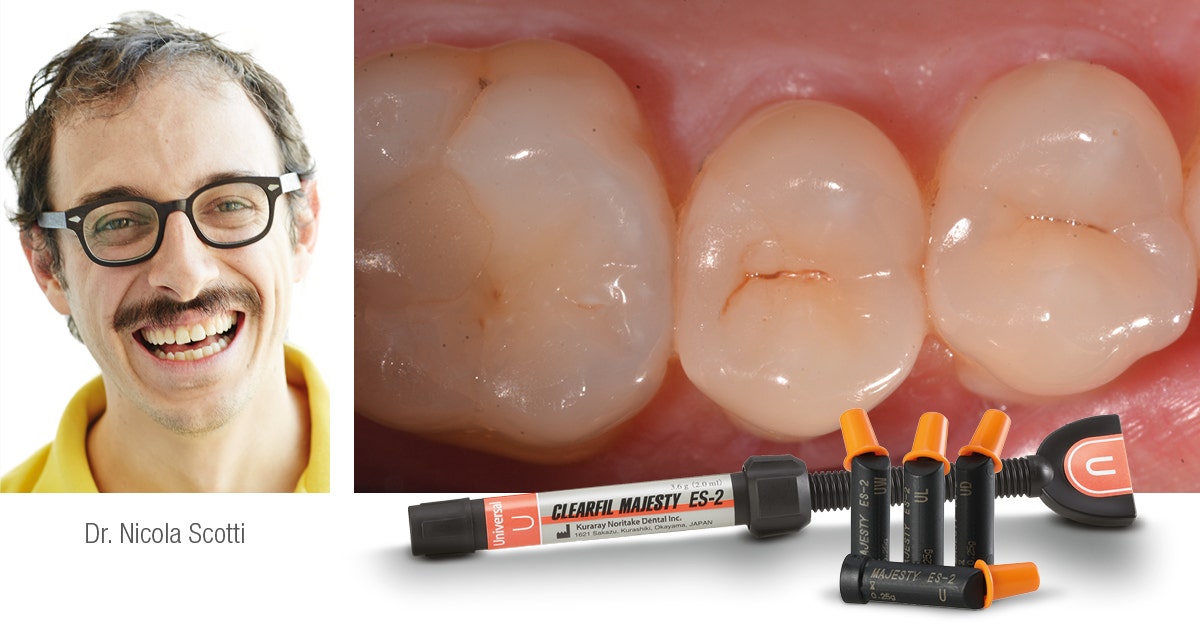
Clinical Cases, Chairside Treatment of a carious lesion with a single posterior shade composite Mar 1, 2022 Case by Dr. Nicola Scotti When restoring posterior teeth with resin composite, functional aspects such as tight and anatomically correct proximal contacts and a naturally shaped occlusal surface that is wear-resistant and antagonist-friendly are even more important than a perfect optical integration. This is why every dental practitioner should avoid spending a lot of time on shade selection in these cases and focus on the factors that have an impact on the reliability and longevity of the restoration. Great support in accomplishing this task is offered by CLEARFIL MAJESTY™ ES-2 Universal, a resin composite with a single universal shade (U) for the posterior region that eliminates the need for shade taking and selection. At the same time, it offers good marginal adaptation, low shrinkage stress and high wear resistance needed for great long-term results. Fig. 1. Initial situation with a wide primary carious lesion in the distal aspect of the second premolar. Fig. 2. Premolar after isolation of the working field with rubber dam, caries excavation and cavity preparation. Fig. 3. Placement of a sectional matrix and a wedge to optimize the fit. Both are held in place with a separation ring, which increases the interproximal space and hence ensures tight, anatomically correct proximal contacts. Fig. 4. Build-up of the proximal wall with CLEARFIL MAJESTY™ ES-2 Universal (U shade) following selective enamel etching with phosphoric acid (K-ETCHANT Syringe) and bonding with CLEARFIL™ SE Bond. Fig. 5. A thin layer of flowable composite (CLEARFIL MAJESTY™ ES FLOW High) applied to the cavity floor to act as a resin coat. Fig. 6. Restoration completed with CLEARFIL MAJESTY™ ES-2 Universal (U shade). While the universal shade composite blends in very well with the surrounding tooth structure, the natural look is completed by adding a tiny bit of brown tint to the fissure. Fig. 7. Treatment outcome immediately after rubber dam removal. The proximal contact is tight and the occlusal anatomy well-shaped for the patient’s individual masticatory dynamics. The margin of the restoration is virtually invisible, while the buccal cusp appears lighter due to dehydration of the natural tooth structure. FINAL SITUATION Fig. 8. Treatment outcome after two months. Conclusion The present case demonstrates that the selected composite is well-suited for simplified restoration procedures in the posterior region. The material handles well, offers the same mechanical properties as other materials from the CLEARFIL MAJESTY™ ES-2 series and blends in harmoniously with the surrounding structures without being too translucent. This way, it is possible to waive the shade-taking process without compromising the treatment outcome. The time saved in this context may be spent on functional aspects – or even on another patient. Dentist: DR. NICOLA SCOTTI
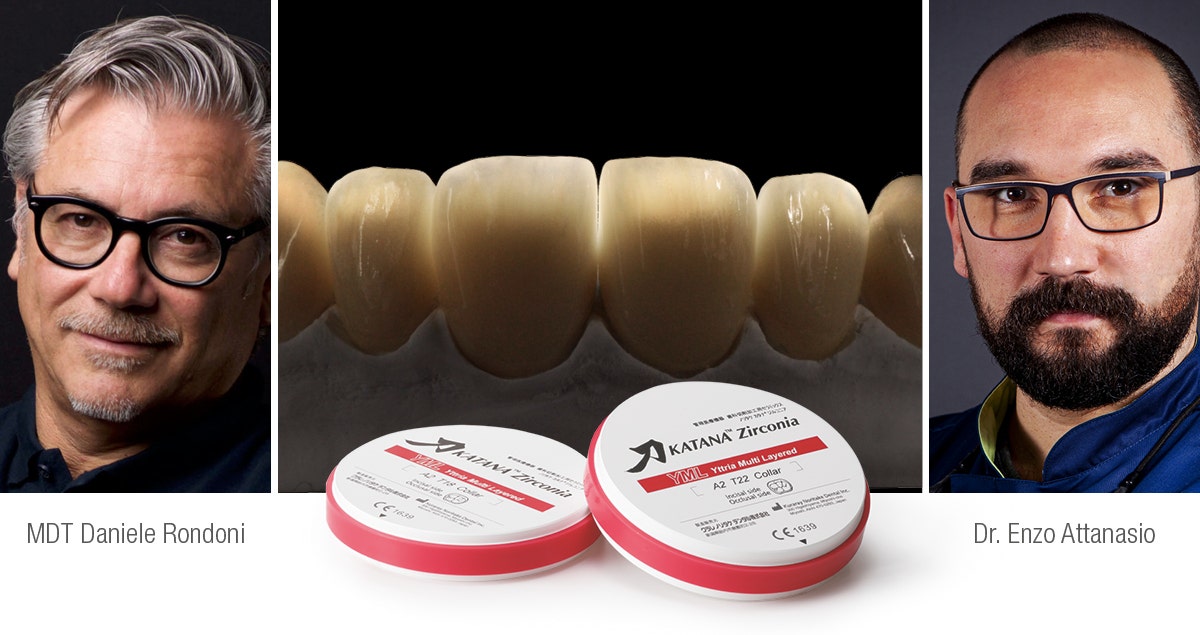
Clinical Cases, Labside Treatment of a young patient with zirconia veneers Feb 15, 2022 Case by MDT Daniele Rondoni and Dr. Enzo Attanasio. Veneers made of zirconia? In some cases, like the one presented below, monolithic zirconia veneers may be an option. Reasons for selecting a latest-generation zirconia such as “KATANA™ Zirconia” YML include its very high translucency and a wall thickness of only 0.3 to 0.4 mm supporting minimally invasive tooth preparation. Due to a highly automated production procedure, the manual effort involved may be reduced, while highly aesthetic outcomes are possible. Fig. 1. Initial situation: Young female patient with misshaped and misaligned maxillary incisors. Digital smile design is used to reveal the ideal proportions and positions of the anterior teeth. Fig. 2. Ideal tooth proportions and positions displayed over a picture of the teeth after orthodontic treatment and the creation of a mock-up. The positions are ideal and the tooth shapes obtained with the mock-up only need some minor adjustments. Fig. 3. Facial view of the patient with the planned veneers blended in. Fig. 4. Guided tooth structure removal with the aid of a silicone index. The minimum wall thickness of the selected material – “KATANA™ Zirconia” YML – is 0.4 mm. Fig. 5. Matched digital impressions of the maxilla and mandible taken after tooth preparation. Fig. 6. Monolithic restoration made of “KATANA™ Zirconia” YML placed on the resin model after the 7-hour final sintering. Fig. 7. Lateral view of the master cast with the six veneers individualized with the liquid ceramic system CERABIEN™ FC Paste Stain. Fig. 8. Tooth-like translucency of the veneers on the model. Fig. 9. Intra-oral try-in with two different shades of the PANAVIA™ V5 Try-in Paste: A2 is used in the right and Clear in the left quadrant. It was decided by the dentist to use A2 shade. Fig. 10. Lateral view of the cemented veneers. The result is a natural surface texture, which contributes to a natural appearance of the restorations. Fig. 11. Frontal view of the veneers in place. Fig. 12. Treatment outcome immediately after rubber dam removal. FINAL SITUATION Fig. 13. Treatment outcome with healthy soft tissues two weeks after treatment. Fig. 14. Gums are healthy and the restorations show a great optical integration with the adjacent posterior teeth. Dentists: MDT DANIELE RONDONI DR. ENZO ATTANASIO