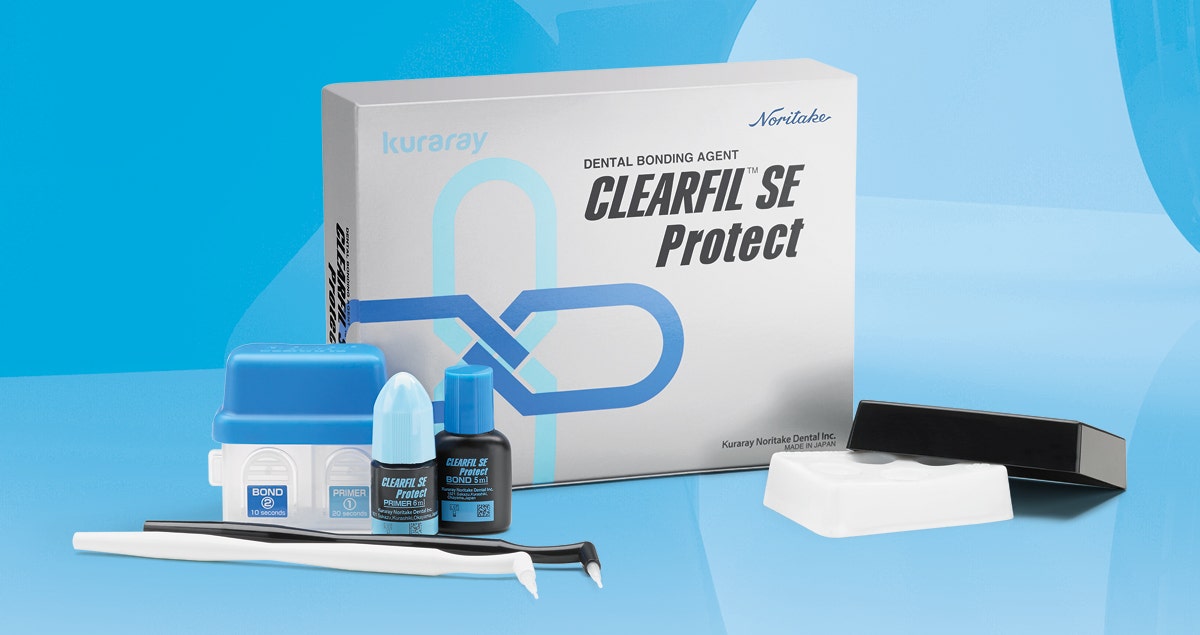
CLEARFIL™ SE Protect: A uniquely antibacterial adhesive system

In the early 1990s, Kuraray introduced CLEARFIL™ LINER BOND 2, the first self-etching adhesive, to the world. Among the products that this system has led to is the award-winning CLEARFIL™ SE Protect, which was introduced in 2004 and remains highly valued by dental professionals across the world. By combining Kuraray Noritake Dental’s famed original MDP monomer with the antibacterial 12-methacryloyloxydodecylpyridinium bromide (MDPB) monomer, this self-etching adhesive is able to kill bacteria on contact. How is this possible? Let’s find out.


Pyridinium holds the key


The crucial element that provides CLEARFIL™ SE Protect with its antibacterial cavity cleansing ability is contained in the MDPB monomer. The pyridinium group in this monomer is positively charged, whereas the cell structures of bacteria are, generally speaking, negatively charged. This means that they are automatically attracted to the positively charged contact points of the MDPB monomer, causing these bacteria cell membranes to lose their electrical balance and be destroyed. This process—bacteriolysis—kills the bacteria.


The bactericidal mechanism of MDPB is presumed to be similar to that of the well-known antibacterial agent cetylpyridinium chloride, which is in many toothpastes and mouthwashes.


Certified biocompatibility


The MDPB monomer is immobilised during the polymerisation of the bonding and remains latently active without affecting the dental patient’s own cells. Unlike the situation when other cavity hygiene products are used, this process—patented by Kuraray Noritake Dental—does not have a negative impact on the bond strength and even ensures that there are no long-term cytotoxic effects on the patient’s own body cells such as odontoblasts. These results have been confirmed by the official biological evaluation for medical devices known as the ISO 10993 series.


Award-winning results with CLEARFIL™ SE Protect


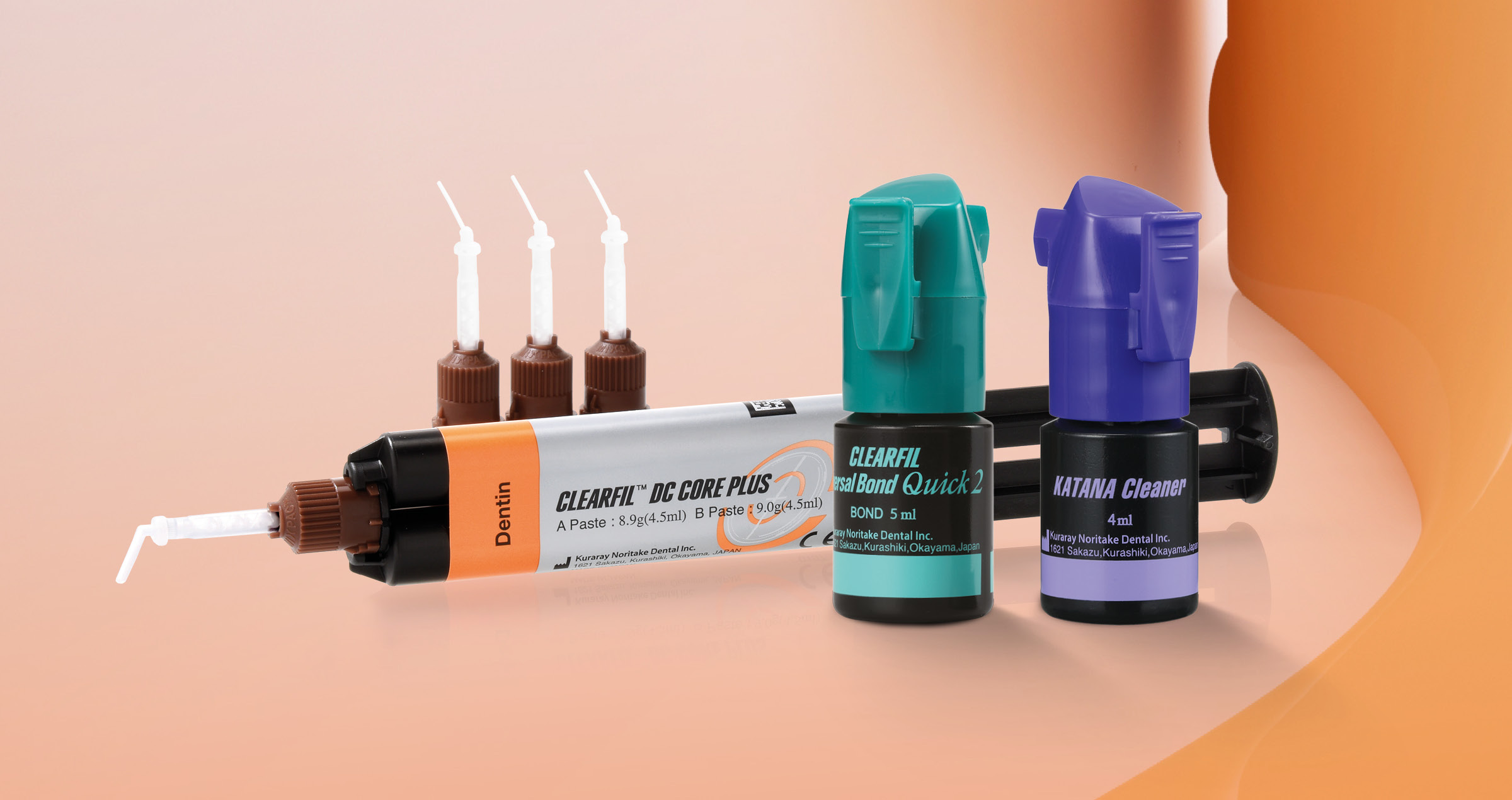
With its antibacterial effect, high bond strength to enamel and dentine and long-term fluoride release, CLEARFIL™ SE Protect is reliable, versatile and future-proofed. This tried-and-tested two-step self-etching bonding system is fast and easy to use for direct restorations. For bonding indirect restorations and core build-ups, simply mix it with Kuraray Noritake Dental’s CLEARFIL™ DC Activator according to the instructions for use.


Thanks to its combination of MDP and MDPB monomers, CLEARFIL™ SE Protect leads to predictable, durable restorations—and it has received plenty of accolades from dental experts as a result. In 2022, this adhesive again received a Top Product Award in the Direct Restoratives, Bonding Agent: Self-Etch category from DENTAL ADVISOR. This was the fourth year in a row that it earned such recognition, and in addition, the 13 DENTAL ADVISOR consultants and editors gave CLEARFIL™ SE Protect a stunning 98% overall clinical rating.


HIGHLIGHTS september 2022 (LT)

Naujoviška „PANAVIA Veneer LC“ technologija

Šioje apžvalgoje aptariame technologijas ir tai, kaip jos prisideda prie daugelio naujojo „PANAVIA Veneer LC“ privalumų.


PANAVIA™ cements

Testimonial article by Dr. Troy Schmedding, USA


From PANAVIA™ EX to PANAVIA™ V5, Kuraray Noritake Dental Inc.‘s flagship product line of cements continues to evolve to offer reliable adhesion, enhanced ease of use, and superior esthetics.


Dentistry has certainly evolved in the years since Kuraray Noritake Dental Inc. developed the phosphate monomer MDP. But over the past 4 decades, it has rooted itself in restorative dentistry as the tried-and-true ingredient that clinicians rely on for strong adhesion to tooth structure as well as metals and zirconia. MDP is a key ingredient in the manufacturer’s flagship PANAVIA™ line of cements, which continues to evolve in line with a growing variety of indirect restorative materials from which to choose.


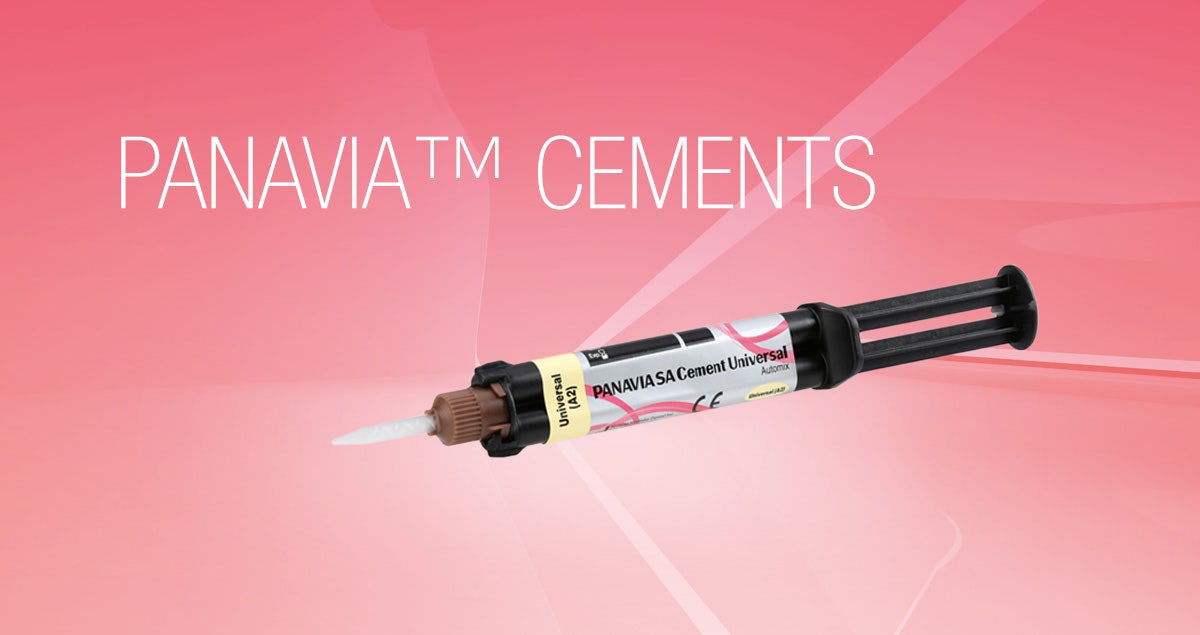
One example of this evolution is PANAVIA™ SA Cement Universal, one of the first true universal self-adhesive resin cements to hit the market. In addition to the original MDP monomer, it incorporates the LCSi monomer, a silane-based carbon chain in a dual-barrel system that forms a chemical bond with glass and ceramic materials.


“PANAVIA™ SA Cement Universal allows you to achieve a strong bond no matter which substrate is being used.”

- Troy Schmedding, DDS –


A STRONG BOND THAT’S SIMPLE TO CREATE


But all chemistry aside, what’s in it for the clinician? As dental educator and author Dr. Troy Schmedding points out, the key benefit of PANAVIA™ SA Cement Universal is eliminating the confusion over how to treat different substrates. This is because the material adheres to virtually every material without the need for a separate primer. “The plus side for the practitioner is that the confusion of ‚how do I condition zirconia‘ or ‚how do I condition glass ceramics‘ is no longer an issue because the paste formulation allows you to achieve a strong bond no matter which substrate is being used - whether it is the MDP monomer allowing strong adhesion to zirconia or the LCSi monomer forming a chemical bond with glass ceramics,” he shared.


DIALING UP THE AESTHETICS


Kuraray Noritake Dental Inc. considers PANAVIA™ V5 the most esthetic cement it has ever created. Available in 5 shades - White, Brown, Universal, Clear, and Opaque – it took researchers over 10 years to develop and features an anime-free catalyst that allows for superior colour stability and improved bond strength to dentin. And like its predecessors, PANAVIA™ V5 offers a simple cementation procedure that is compatible with all indications, from crown-and-bridge and implant abutments to ceramic inlays and laminate veneers.


“Kuraray Noritake Dental Inc. has an incredibly strong reputation in adhesive dentistry, so it should offer clinicians a lot of comfort and flexibility to partner with not only a reputable company, but one that continues to research and evolve their key products,” concluded Dr. Schmedding.


Dentist:

DR. TROY SCHMEDDING, DDS
USA


Article from Dental product shopper, vol. 14 No. 5


Work flow PANAVIA Veneer LC with PANAVIA V5 Tooth primer

Minimally invasive procedures using highly aesthetic restorations is what patients expect when they seek restorative treatment. With the various types of restorations available today, it is possible to meet these expectations – provided that the right materials are used.


For the placement of veneers, a resin cement must be selected that supports long-lasting aesthetics, is easily applied, offers a working time sufficient for simultaneous cementation of multiple restorations and provides excellent bond strength. The new “PANAVIA™ Veneer LC” is precisely what you need.


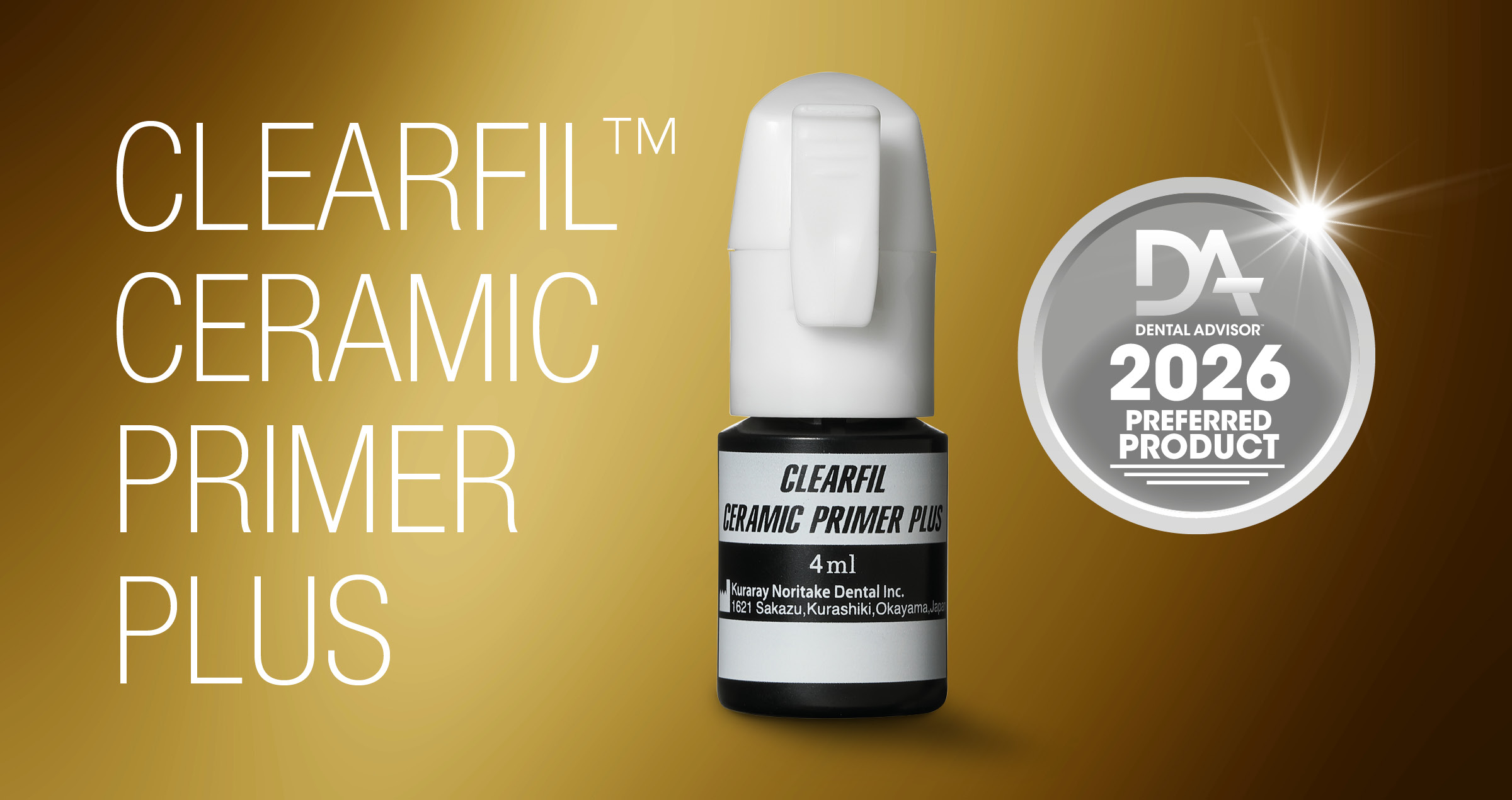
What is the workflow you ask? Check out the video to see the full workflow using PANAVIA V5 Primer and CLEARFIL Ceramic Primer Plus.


Excess removal with PANAVIA Veneer LC

One of the key features when talking about cements is the ease of removal of excess cement. Our newest cement - PANAVIA™ Veneer LC - offers the ideal paste consistency, a low film thickness and long working time.


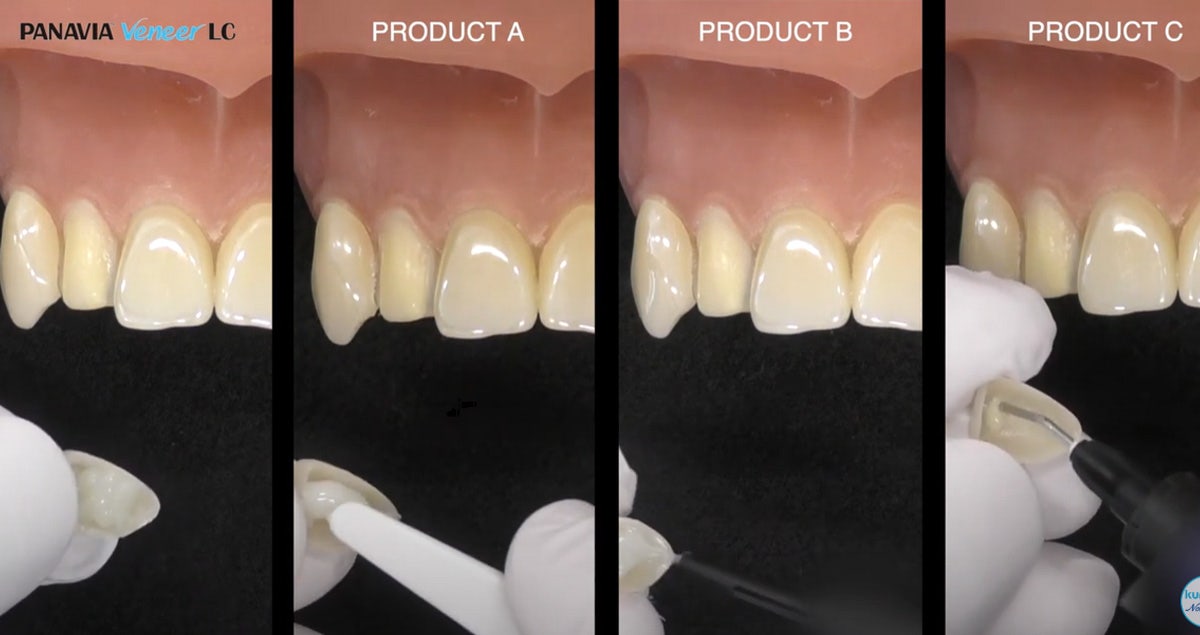
But how about excess removal? Do you wonder how do we compare to other similar products?


Check out this video demonstrating an excess removal comparison between PANAVIA Veneer LC and other brands.


Clinical Report about PANAVIA Veneer LC

PRESENTATION OF A STUDY WITH ILLUSTRATIVE CASES

by Dr. Yohei Sato, DMD, PhD and Dr. Keisuke Ihara, CDT.


INTRODUCTION


In recent years, the application and advancement of digital technology in dentistry has made it possible to accomplish the fabrication of highly accurate prosthetic zirconia appliances that were difficult to mill using the previously available technology. In addition, thanks to advances in adhesive dentistry and the advent of cements that bond strongly to a diverse range of materials, cements have come into wide clinical use that can cope with the many types of materials used for the fabrication of prosthetic appliances.


At our hospital, we select the treatment method most suitable for each case by appropriately specifying various types of prosthetic appliance according to the status of each case. For example, we may specify zirconia prosthetic restorations fabricated by the CAD/CAM system, or silica-based ceramic prostheses, or those made of lithium disilicate glass, as the case dictates.


PANAVIA™ V5 is a resin cement system that bonds strongly to various types of prosthetic appliance, as well as to tooth structure. PANAVIA™ Veneer LC, a new resin cement system developed by Kuraray Noritake Dental Inc., has suitable characteristics for bonding laminate veneers, using two types of primer that can be used in common with PANAVIA™ V5. Here are some clinical examples of its advantages as a resin cement system used for laminate veneers restorations.


PANAVIA Veneer LC - DARNA IR ESTETIKA

NAUJI UŽPILDAI
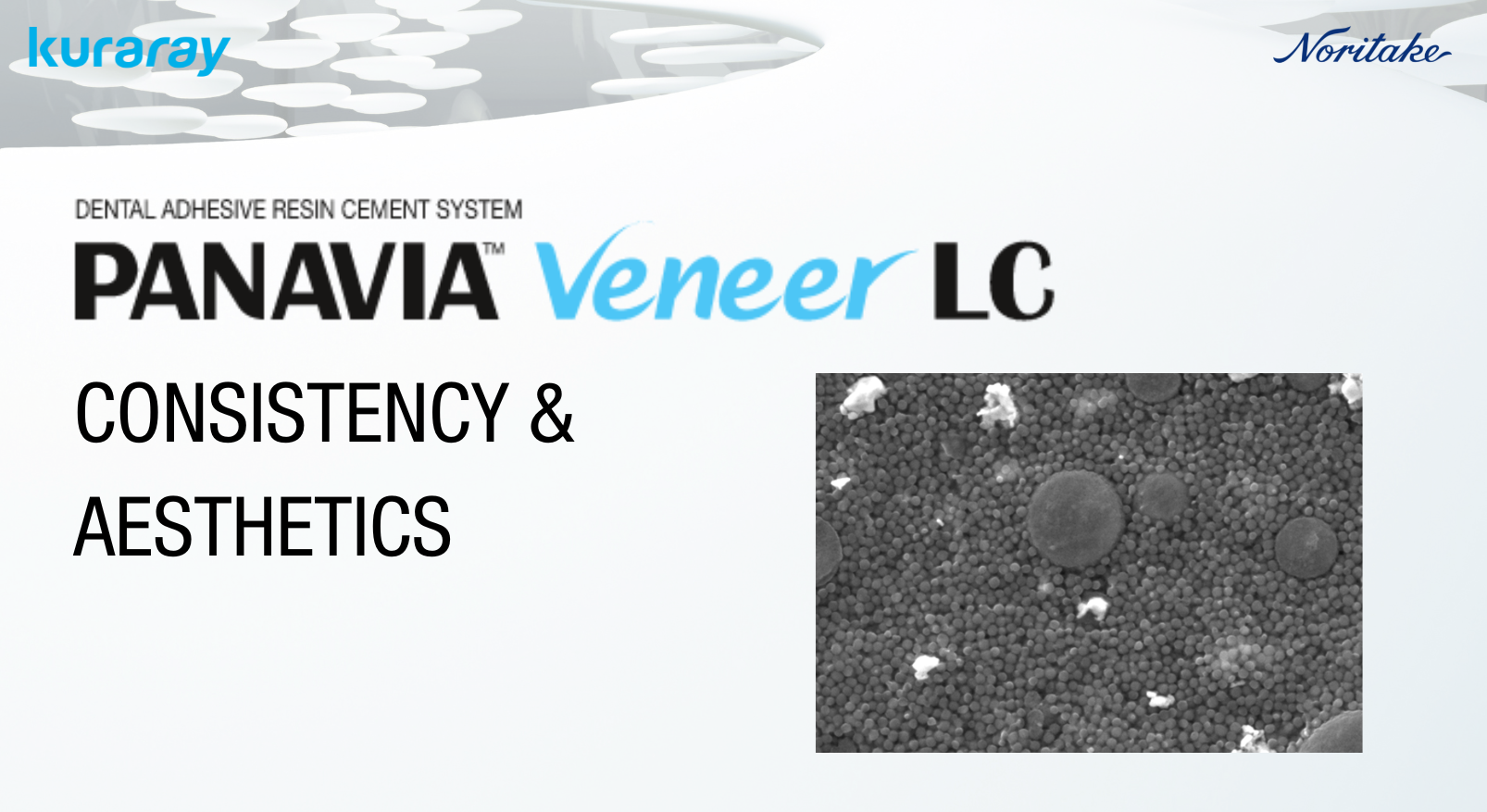
„PANAVIA™ Veneer LC“ naudojimą palengvina naujai sukurti sferiniai silicio dioksido ir nanoklasterių užpildai (užpildo kiekis: 66 proc. pagal svorį, 47 proc. pagal tūrį). Dėl tiksotropinių savybių cementas nenuslenka ir nenubėga. Naudojant „Panavia Veneer LC“ cementą galima kontroliuoti aplikavimą. Cementas lieka toje vietoje, kurioje buvo įleistas, bet gerai pasiskirsto tekėdamas paviršiumi uždėjus laminatę (-es). Dėl savo konsistencijos ir plono išstūmimo sluoksnio (≈ 8 μm) „PANAVIA™ Veneer LC“ sukuria ploną, tolygų cemento sluoksnį. Tai lemia lengvą uždėjimą be jokių trikdžių. Be to, tik mažų sferinių užpildų naudojimas (dalelių dydis 0,05–8 μm) leidžia sukurti labai estetiškus ir lygius kraštus ir palengvina poliravimą, taip pat padeda ilgą laiką išlaikyti blizgesį

SILICIO DIOKSIDO UŽPILDAS
Dėl naujai sukurtų sferinių silicio dioksido užpildų cementas išlieka ten, kur naudojamas, bet gerai teka, kai dedama laminatė. Dėl to laminatę lengva uždėti, ji nepasislenka ir nenusmunka. Aplikuojant ant viso lipdomojo paviršiaus, dervinis cementas nelimpa prie aplikavimo antgalio – ši savybė pasiekta į sudėtį įtraukus sferinių nanoklasterių užpildų.

Šie naujo tipo užpildai užtikrina
puikų glotnumą, blizgesio
išlaikymą ir lengvą valdymą.

KLAMPUMAS IR TIKSOTROPIŠKUMAS
Cemento klampumas turi būti pakankamai mažas, kad apsaugotų protezą nuo lūžio uždedant. Kita vertus, jis turi būti ne per skystas, kad nenubėgtų aplikuojant ir dedant protezą. Kadangi užpildo ir dervos santykis „PANAVIA™ Veneer LC“ sudėtyje yra optimalus, jo klampumas kinta spaudžiant. Šis reiškinys vadinamas tiksotropija. Spaudžiant pasta laminatės uždėjimo ir pozicionavimo metu tampa skystesnė. Nustojus spausti, klampumas vėl padidėja. Dėl „PANAVIA™ Veneer™ LC“ tiksotropinių savybių pastą lengva dozuoti, protezui pozicionuoti reikia nedidelio spaudimo, o perteklių lengva pašalinti. Trumpai tariant, užtikrinama maksimali kontrolė..


Vienodo klampumo medžiagos nebūtinai bus vienodo tiksotropiškumo. Įtakos turi temperatūra ir spaudimas. Nuo medžiagos tiksotropiškumo priklauso, iki kokio lygio ir kokiu greičiu grįžta pradinis medžiagos klampumas sumažinus spaudimą.

PANAVIA Veneer LC - KIETĖJIMO TECHNOLOGIJA

NAUJOVIŠKA KIETĖJIMO TECHNOLOGIJA
„PANAVIA™ Veneer LC“ yra šviesoje kietėjantis cementas, kuriame derinamos kelios technologijos, užtikrinančios didžiausią įmanomą sukibimo stiprumą.

SUJUNGIMO PAVIRŠIAUS SANDARINIMAS
Pritaikyta lietimo sukietinimo („touch-cure“) technologija naudojama siekiant ilgesnio darbo laiko, bet kartu išlaikant didelį sukibimo stiprumą, kuriuo pasižymi „PANAVIA™“. „PANAVIA™ Veneer LC“ cementas, derinamas su „PANAVIA V5 Tooth Primer“ gruntu, suteikia šviesoje kietėjančiam cementui svarbų cheminį elementą. „PANAVIA™ V5 Tooth Primer“, kaip savaiminio ėsdinimo gruntas, skirtas danties struktūroms (dentinui ir emaliui), stipriai sukabina besijungiančius paviršius, kai tik su juo susiliečia „PANAVIA™ Veneer LC“ pasta. Ši švelni lietimo sukietinimo („touch-cure“) technologija inicijuoja
polimerizaciją surišamų paviršių sandūroje ir sukuria tvirtą sukibimą su emaliu ir dentinu, tačiau neturi įtakos cemento kietėjimui, taigi ir darbo laikui.


DARBO LAIKAS
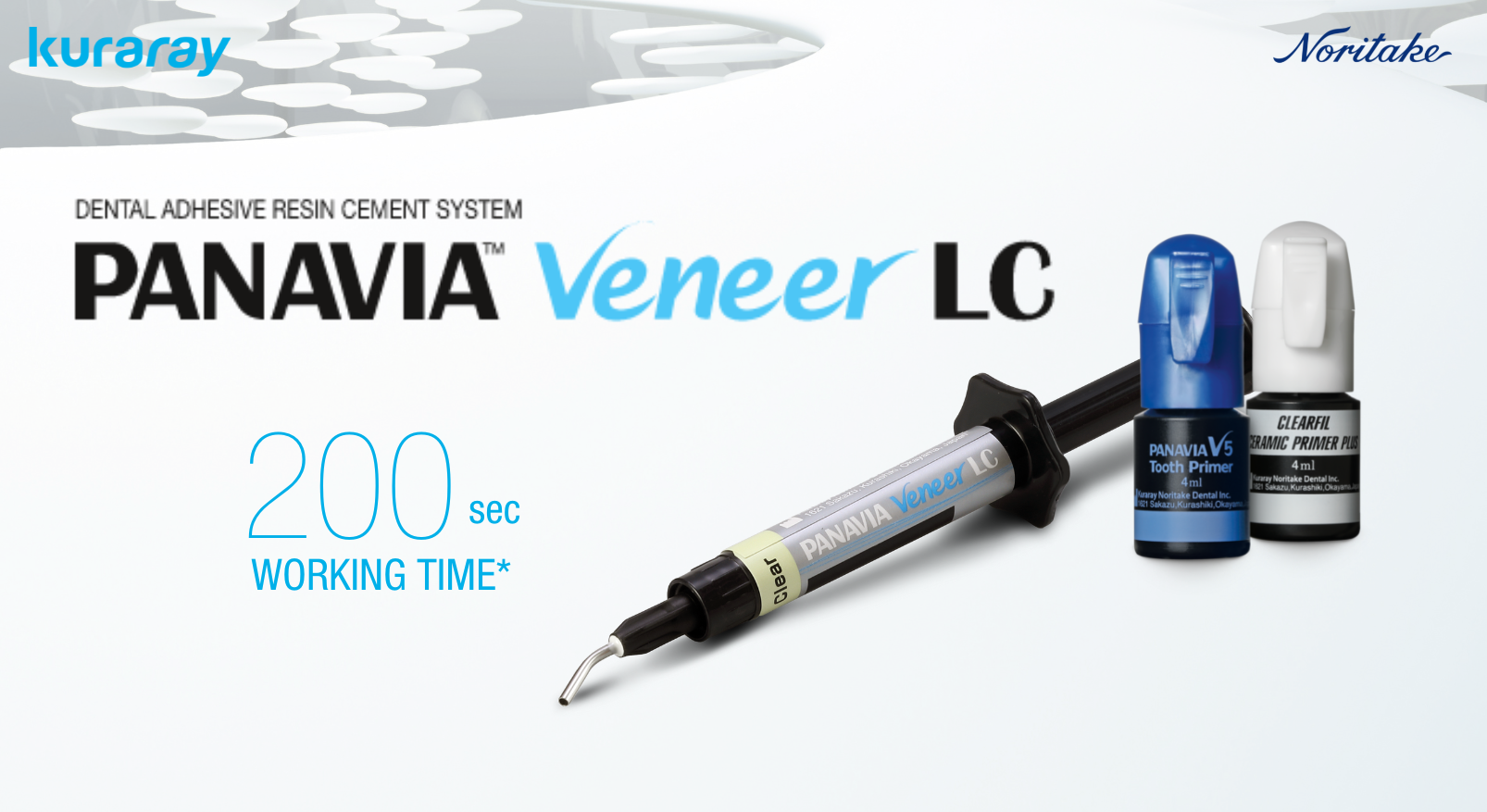
Cementuojant įtakos darbo laikui turi daugybė išorinių veiksnių. Kuriant „PANAVIA™ Veneer LC“ technologiją į šiuos veiksnius atsižvelgta. Technologija „Touch-cure“ besijungiantį danties paviršių susandarina akimirksniu. Tai didelio sukibimo stiprumo pagrindas. Kietėjimo šviesoje technologija leidžia 200 sekundžių dirbti aplinkos šviesoje*, kol PVLC ima prarasti idealaus formavimo plastiškumą Per šias 200 sekundžių galite patogiai uždėti ir užfiksuoti kelias laminates. Galutinė polimerizacija įvyksta švitinant dentaliniu švitintuvu – tuomet cementas tinkamai sukietėja.


*Aplinkos šviesa: maždaug 8000 liuksų

Choose PANAVIA™ Veneer LC and veneer cementation becomes a success

Prosthodontic treatment concepts have evolved over the past decades. While some time ago, porcelain-fused-to-metal crowns and bridges were placed wherever a defect was too large for a direct restoration, the current trend is toward less invasive therapies with highly aesthetic, tooth-coloured materials.

These modern treatment concepts can lead to reliable outcomes when a high-performance resin cement system is used that establishes a durably strong bond to tooth structure on one side and the restoration on the other. The reason is that less invasive often means that restorations have minimal or no retentive elements and extremely thin walls, and a strong chemical bond is a mechanism that holds them in place over time. Depending on the type of restoration and area in the mouth, aesthetic properties of the cementation system are also extremely important, as the typically highly translucent, thin restorations tend to reveal the appearance of the structures underneath to a certain extent.


Universal cements


In the context of striving toward the streamlining of clinical procedures in restorative dentistry, several manufacturers have developed resins cements that work with fewer components and are suitable for a large number of indications. PANAVIA™ SA Cement Universal is a popular example. The self-adhesive, dual-cure resin cement is the only product of its category that works as a standalone solution even on glass ceramics (without the need for a separate primer).


The need for specialists


There are specific clinical situations, however, that require more working time than a dual-cure resin cement can offer. This is the case whenever multiple non-retentive restorations are to be placed simultaneously, a technique that is recommended for veneers. The greatest benefits of placing the thin and highly aesthetic restorations at once lie in the proper positioning of the restorations and in the minimized risk of contamination: When the veneers are placed one after the other, a slightly malpositioned and already fixed veneer might hinder proper positioning of the adjacent restorations and haemorrhage occurring in the context of excess cement removal or finishing of the margin might contaminate the working field. When all veneers are placed simultaneously, repositioning is possible, while excess removal and polishing are accomplished in a moment when blood and debris will no longer endanger the integrity of the restorations, which increases the security during the whole procedure. This task is best fulfilled by a light-curing veneer specialist.


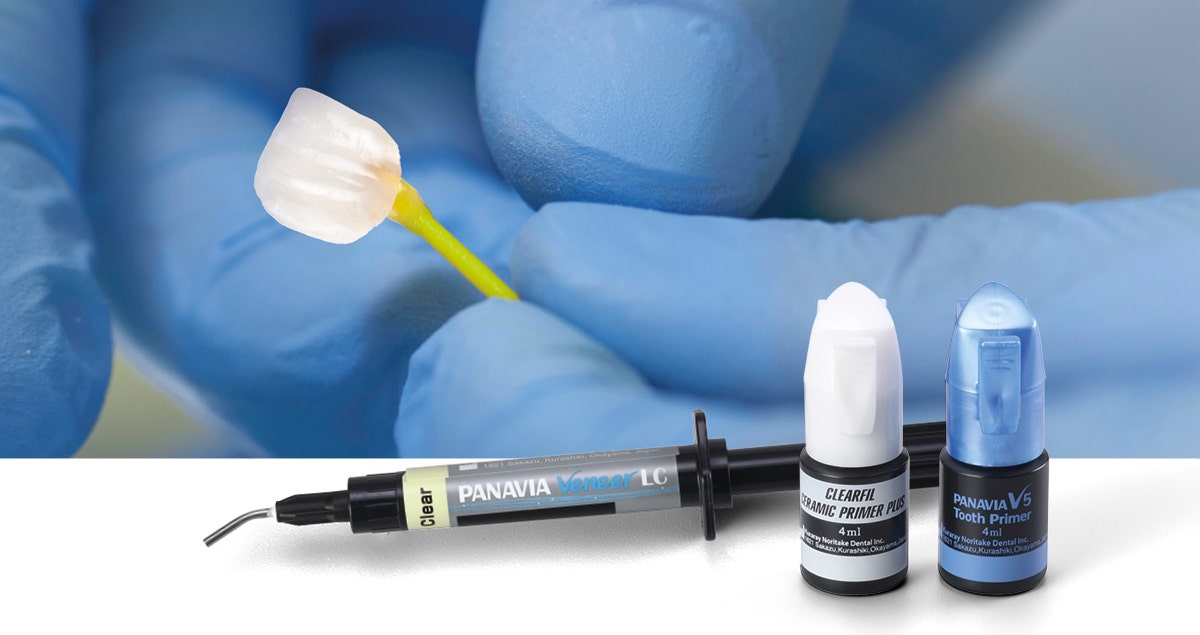
Handling of a thin ceramic veneer.


Required properties of veneers cements


Undoubtedly, the key feature of a specialist resin cement system is a long working time sufficient for simultaneous cementation of multiple restorations. In addition, its consistency and handling properties are also important as they can help users overcome the challenge of accurate positioning and reduce the time and effort involved in veneer placement. And finally, the system needs to provide excellent bond strength over time and support long-lasting aesthetics, properties valuable for every kind of resin cement, but the latter being particularly important for thin restorations in the aesthetic zone. Luckily, PANAVIA™ Veneer LC offers all those features.


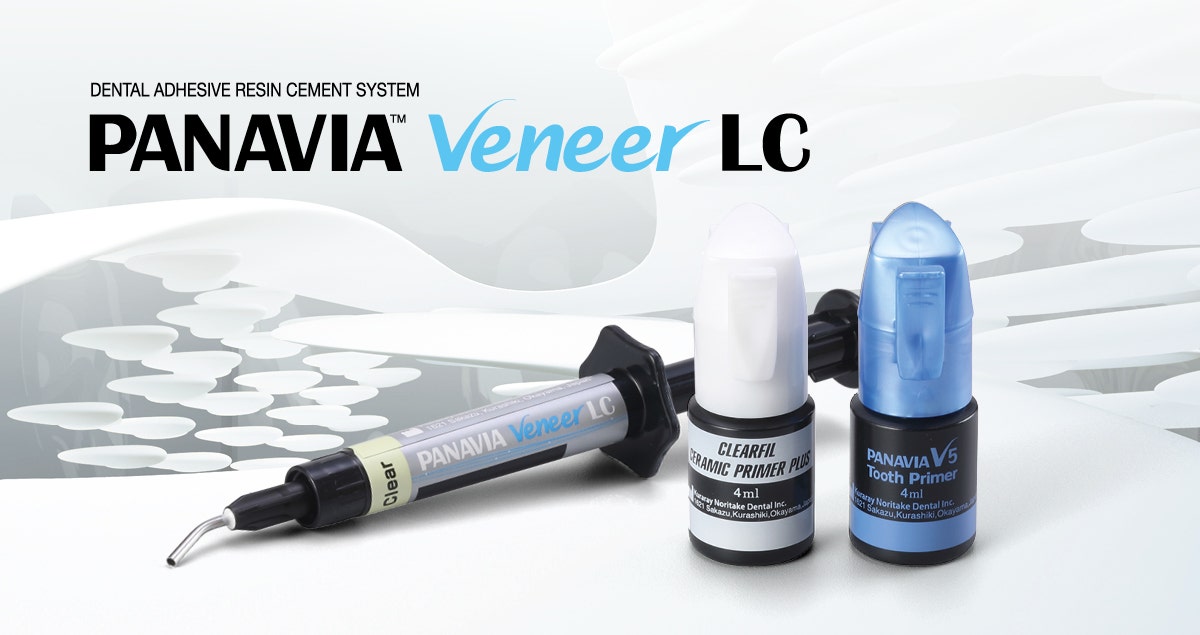
The system consists of PANAVIA™ V5 Tooth Primer that establishes a strong bond to enamel and dentin, PANAVIA™ Veneer LC Paste as the cement and the CLEARFIL™ CERAMIC PRIMER PLUS that has been part of PANAVIA™ V5 cementation system. The latter is responsible for a high bond strength to all types of restorative materials.


Mastering the working time challenge


The light-curing cement paste offers a long working time of 200 seconds* due to its excellent stability under ambient light. As a consequence, dental practitioners may place multiple veneers simultaneously without having to race against setting. Polymerization may be started whenever the user is ready for it. The one-component self-etching tooth primer (PANAVIA™ V5 Tooth Primer) does not contain any photo initiators and does not cure alone. When applied, it etches and penetrates into the tooth surface for 20 seconds and is ready to bond strongly to PANAVIA™ Veneer LC Paste. The integrated touch-cure technology is the key feature safeguarding a high bond strength to tooth structure without shortening the working time.

*Working time under ambient light on PANAVIA™ V5 Tooth Primer (8000 Lux): 200 seconds


Providing for precise placement


In order to streamline the clinical seating procedure from cement application to polishing, PANAVIA™ Veneer LC has been equipped with a set of well-balanced handling properties. Newly developed spherical silica fillers in the cement provide that it stays put where applied, but flows well when the veneer is seated on the tooth – for easy placement without drifting or sagging. During application across the intaglio surface, the resin cement does not stick to the application tip, a property achieved by the addition of nanocluster filler technology. The special design of the syringe’s application tip optimizes control over the amount of cement applied. Ans last but not least, excess cement may be easily removed in one piece using an explorer after a one-second tack-cure, while polishing of the margins is quickly accomplished.


Hiding the margins


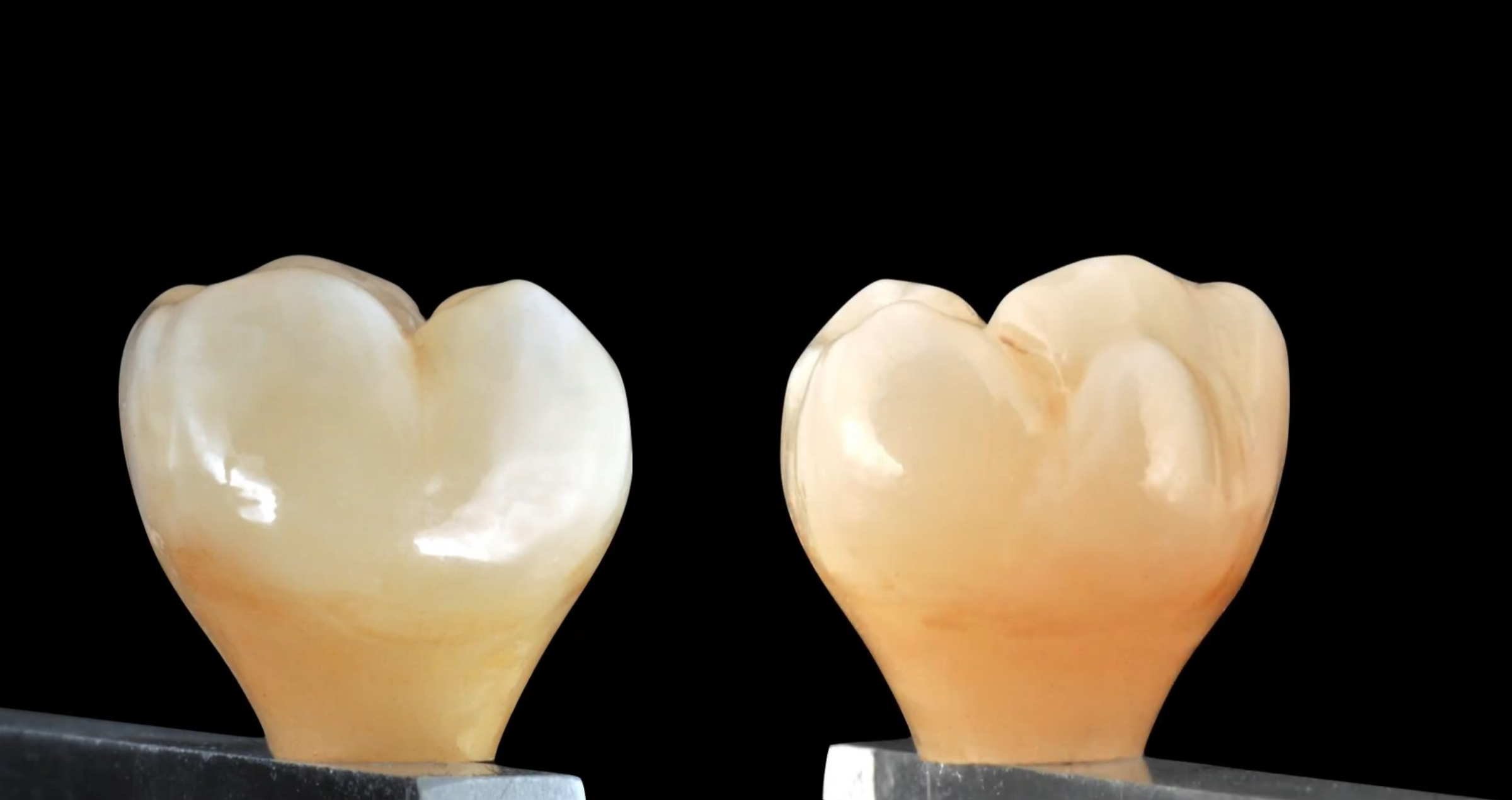
Being extremely thin, highly translucent and mainly used to restore teeth in the exposed anterior region of the maxilla, veneers have to be placed with a cement that is and remains undetectable underneath the restoration and at its margins. PANAVIA™ Veneer LC is available in four highly aesthetic shades with matching try-in pastes, so that a precise shade match with the restoration can be achieved and verified in the patient’s mouth. Additional features contributing to undetectable margins are the resin cement’s flowability and low film thickness: They enable users to easily produce an evenly distributed, thin cement layer for aesthetic outcomes. For those afraid that coffee, tea, acidic drinks or constant tooth brushing might reveal the margins over time, there is good news as well: PANAVIA™ Veneer LC offers a high polish retention and colour stability over time. The well-balanced formulation and the touch-cure technology are responsible for this resistance to discolouration.


Trusted expertise


All these beneficial features make PANAVIA™ Veneer LC worth testing. Additional arguments are the fact that its primers are tried and tested components of the highly popular PANAVIA™ V5 system and that Kuraray Noritake Dental Inc. is a proven expert on adhesive products. It developed the original MDP Monomer in 1981 and introduced the first adhesive resin cement containing this monomer in 1983. Since then, the company has improved existing formulations and developed existing technologies that ultimately resulted in the current line-up of cementation solutions for every need and indication.


Excellent gloss retention is one of the properties providing for undetectable margins over time.


Rapid bond technology: Delivering fast-acting, long-lasting bonds

Kuraray Noritake Dental’s reputation as a pioneer in the field of dental adhesives is grounded in its development of the MDP monomer. Patented in 1981, the monomer was used two years later in the composite cement PANAVIA™ EX and has since formed the backbone of many other successful products. Now, the company has combined the original MDP monomer with hydrophilic amide monomers to create rapid bond technology that powers CLEARFIL™ Universal Bond Quick - a universal solution emblematic of Kuraray Noritake Dental’s history of success and commitment to innovation.


Advances in modern dental bonding technology have resulted in a reduction in the number of components needed for total-etching and self-etching processes. However, the basic handling of these adhesives has, by and large, changed surprisingly little. Many adhesives require a shaking of the bottle before usage, extensive rubbing of the liquid and/or waiting for a period of time. Often the application of multiple layers is needed. A reliance on slow penetrating monomers means that, for traditional one-bottle adhesives, bonding to the challenging dentine substrate is a slow and technique-sensitive process.


Through the integration of newly developed amide monomers, rapid bond technology provides CLEARFIL™ Universal Bond Quick with excellent hydrophilic properties and the ability to penetrate the wet dentine fast and effectively. There is no need to wait after the application for air-drying before proceeding - this delay has been eliminated - and a tight and long-lasting seal of the cavity is established after light-curing. Bonding with CLEARFIL™ Universal Bond Quick is easy and efficient and comes with predictable clinical outcomes, thanks to rapid bond technology.


Impressively low water sorption


One of the most important indicators of long-term success in dentine bonding is the level of water sorption in the bond’s organic matrix. A high rate of water sorption has been clinically linked to the ongoing physical deterioration of bonds, which may lead to the development of secondary caries. For this reason, we have chosen to keep the HEMA content as low as possible.


CLEARFIL™ Universal Bond Quick creates a highly cross-linked polymer network owing to the amide monomers used in rapid bond technology. As a result, it demonstrates a relatively low rate of water sorption, meaning that these cross-linked polymers are more stable in the long term.


Aesthetic, effective bonds


Rapid bond technology does not just provide a basis for long-lasting bonding excellence. The thin film layer (5–10 μm) of CLEARFIL™ Universal Bond Quick delivers restorations a clear aesthetic appeal, and its densely cross-linked polymer network reinforces the stability of this outer layer and provides resistance to marginal discoloration.


By combining Kuraray Noritake Dental’s original MDP monomer with hydrophilic amide monomers, rapid bond technology is truly the engine that powers CLEARFIL™ Universal Bond Quick.


An update on adhesive dentistry

By Franklin Tay, BDSc (Hons), PhD


STATE-OF-THE-ART CURRENT ADHESIVES


Manufacturers have adopted an etch-and-rinse approach or a self-etch approach in the design of adhesives for bonding restorative materials to tooth structures, which differ in how these adhesives interact with dental hard tissues. Etch-and-rinse adhesives are offered as two- or three-step systems, depending on whether primer and bonding are separate or combined in a single bottle. Likewise, self-etch adhesives are available as one- or two-step systems. Etch-and-rinse adhesives are often preferred when large areas of enamel are still present, while self-etch adhesives provide more predictable bonds to dentin.


Despite current trends toward fewer and simpler application steps, one-step adhesive systems appear to be less predictable than multi-step etch-and-rinse and self-etch systems. Some manufacturers have recently introduced more versatile single-bottle “universal” or “multi-mode” adhesives that encompass self-etch chemistry but also enable the same adhesive to be used with phosphoric acid-etching in the etch-and-rinse mode. Some universal adhesives also incorporate silane primer for chemical bonding to silica-based ceramics, and methacryloyloxydecyl dihydrogen phosphate (MDP) for chemical bonding to zirconia-based ceramics. Because clinical studies on universal adhesives are short-term, they cannot be considered state-of-the-art in the context of evidence-based dentistry. Conversely, two-step mild, self- etch adhesives have been well-tested in clinical trials and represent the current state-of-the-art for bonding to dentin, with reduced incidence of postoperative sensitivity when compared to etch-and rinse adhesives.


DEVELOPMENT OF CONTEMPORARY ADHESIVES FROM A RESEARCHER’S PERSPECTIVE


The current thinking by researchers is that dentin bonding is not as durable as it was originally perceived. This lack of durability is attributed partially to secondary caries around restorative margins that are devoid of enamel and partially to the degradation of the adhesive joint. The latter may be caused by the hydrolysis of ester bonds in the adhesive component by salivary esterases, or by degradation of water-rich, resin-sparse regions of the hybrid layers by endogenous collagen-bound proteases such as matrix metalloproteinases (MMP) and cathepsin K, that are activated from their dormant preforms to active forms by the acidity of contemporary adhesives. These activated enzymes slowly degrade the denuded collagen matrix within hybrid layers, resulting in gradual loss of adhesion.


Much work has been done in developing therapeutic dental adhesives that are able to resist secondary caries and degradation of the adhesive joint. One of the most thoroughly studied antimicrobial resin monomers is the quaternary ammonium methacrylate developed by Kuraray known as methacryloyloxydodec ylpyridinium bromide (MDPB). This polymerizable resin monomer is incorporated in the two-step self-etch adhesive CLEARFIL™ SE Protect. Recent research has demonstrated that MDPB resin is also an effective inhibitor of both MMP and cysteine cathepsins, thereby providing a mechanism to increase the longevity of resin–dentin bonds by preventing collagen degradation. Indeed, an in-vitro and in-vivo study (Donmez, et al. J Dent Res. 2005;84:355-359) showed that resin-dentin bonds created with CLEARFIL™ SE Protect (aka, CLEARFIL™ Protect Bond) did not degrade after 1 year when compared with a similar self-etch adhesive that did not incorporate the MDPB resin monomer.


MOST COMMON CLINICAL APPLICATIONS OF CLEARFIL™ SE PROTECT


As a board-certified endodontist, the author uses CLEARFIL™ SE Protect as an antimicrobial adhesive to establish coronal seal after finishing root canal treatment to prevent reinfection of the peri-radicular tissues via coronal leakage through the filled root canals (Figure 1 and Figure 2). Another common use of CLEARFIL™ SE Protect is the restoration of the access cavity prepared through a zirconia-based full-coverage restoration. By taking advantage of the MDP component, the author feels more confident that he can bond to the zirconia with a resin composite without causing leakage along the composite-zirconia interface.

Disclaimer: This article was provided by Dr. Tay.


Fig 1. Preoperative radiograph of tooth No. 18. Diagnosis: pulpal necrosis with symptomatic api-cal periodontitis.


Fig 2. Postoperative radiograph of tooth No. 18. Coronal seal was created with radiolucent antimicrobial self-etching adhesive (CLEARFIL™ SE Protect, arrow) and a radiopaque flowable composite, followed by placement of a cotton pellet and a temporary restoration.


ADVANCED NEW FEATURES FOR MORE CONFIDENCE


Studies show that the risk of bacteria remaining in cavities tends to increase with smaller minimal intervention cavities (S. Imazato; Dent. Mater. J. 2009).


CLEARFIL™ SE Protect contains a new functional monomer MDPB, which exhibits an “Antibacterial Cavity Cleansing Effect” (Fig 3).


Fig 3. The bactericidal mechanism of MDPB is presumed to be similar to the well-known antibacterial agent CPC**, which is in many toothpastes and mouth rinses. **Cetyl pyridinium chloride


EXCEPTIONAL RESEARCH RESULTS


Increased durability of resin-dentin bonds


Recent research has demonstrated that MDPB is also an effective inhibitor of matrix metaloprotinases (MMP) that may deplete collagen.


The advantage of MDPB over chlorhexidine (CHX) is that it polymerizes with adhesive resins and cannot leach from the hybrid layer.


(Pashley et al. Compend Contin Educ Dent. 2011)


Fluoride-release


CLEARFIL™ SE Protect contains a patented, specially treated sodium fluoride (NaF); the NaF in CLEARFIL™ SE Protect is coated with a unique polymer capsule that allows release of NaF while the bonding layer physical properties, including strength, are maintained.


Simple proven procedure - avoid technique sensitivity


CLEARFIL™ SE Protect is a two bottle primer and adhesive bonding system.


  • No scrubbing needed to achieve good bond strength to tooth structure
  • No shaking required Bond itself maintains homogeneity and creates no worries in the quality of the first and last drop of adhesive.


DIRECT RESTORATION


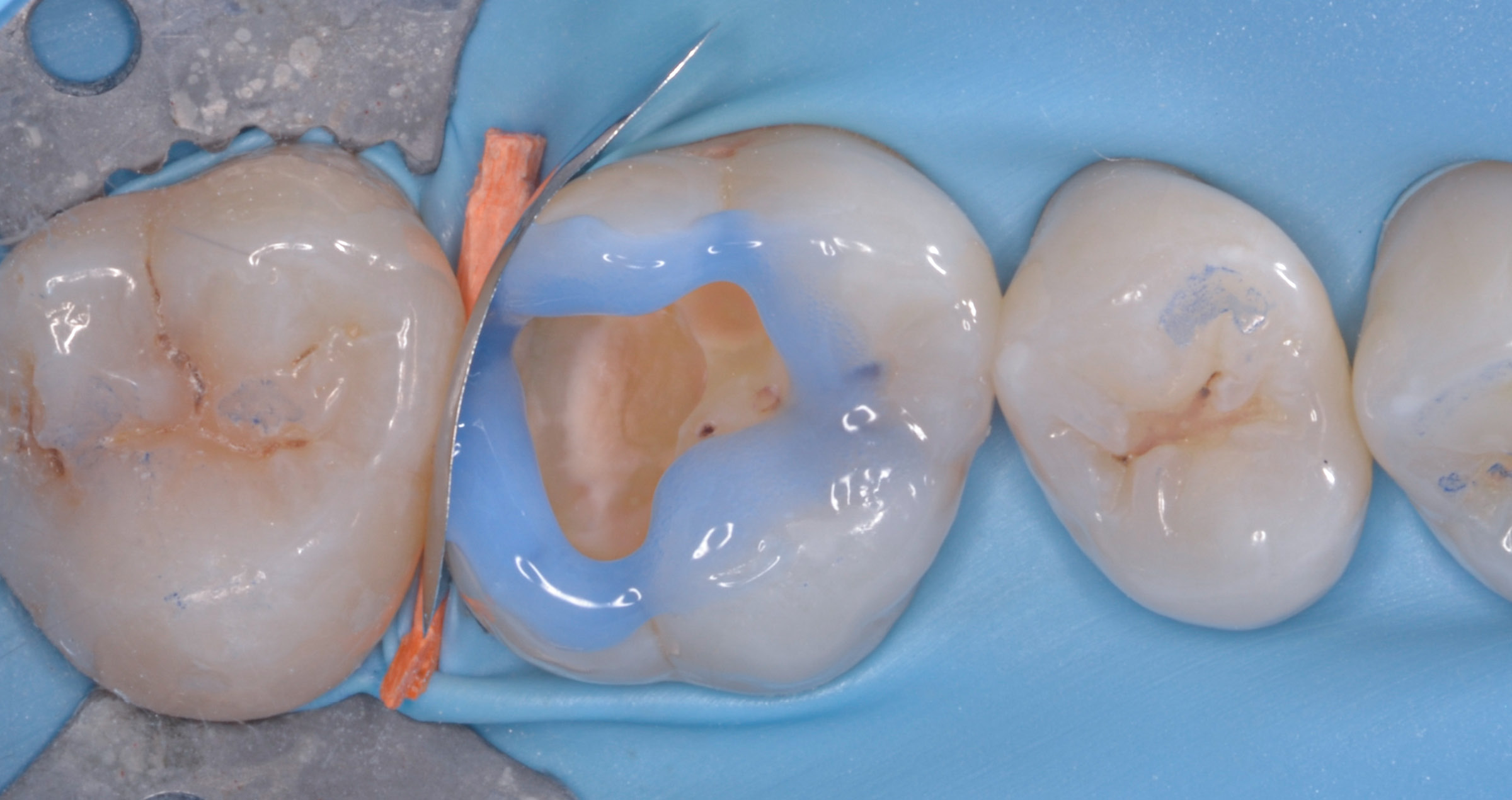
Follow the standard procedures for isolation, moisture control, cavity preparation and pulp protection.


Dentist:

FRANKLIN TAY, BDSC (HONS), PHD


Franklin Tay is Professor and Chair in the Department of Endodontics, College of Dental Medicine, Georgia Regents University, Augusta, Georgia, and a Fellow of the Academy of Dental Materials, as well as a Diplomate of the American Board of Endodontics. With more than 400 papers published in peer reviewed journals, his research interests include biomineralization of collagen scaffolds with apatite and/or silica, remineralization of resin-dentin bonds, antimicrobial sol-gel chemistry, mesoporous silica, and endodontic materials.

First published in COMPENDIUM, April 2014, Volume 35, Number 4.