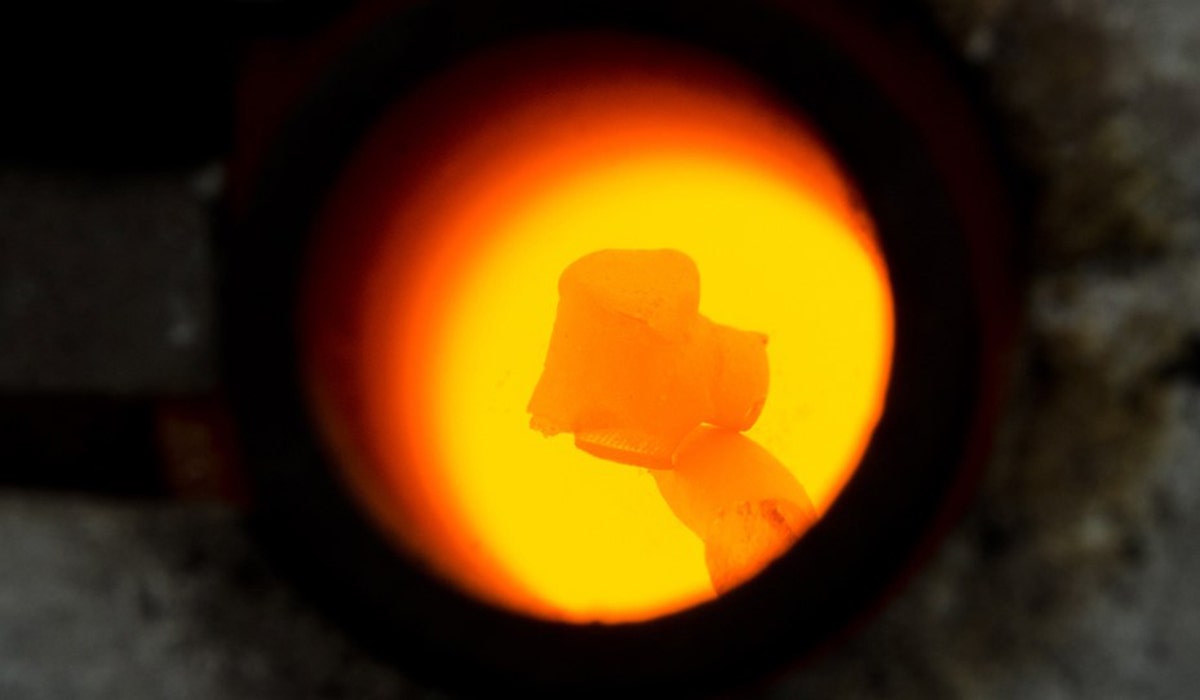

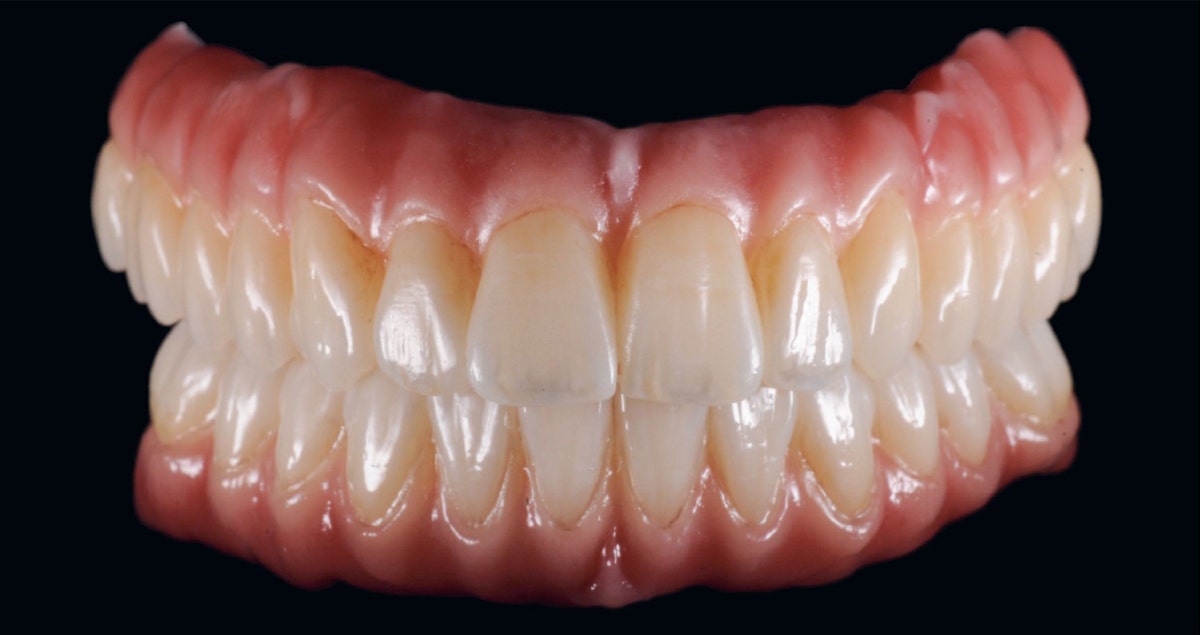
No Author Selected

Zirconia on zirconia

By Marco Stoppaccioli


In today´s society, due to higher life expectancy, greater and more responsible attention to one´s body, we have developed a culture more sensitive to personal well-being. Consequently, more patients with total removable prostheses request stabilization of their prostheses through implant treatment which offers the most effective and valid response to this need.


The demand for implant treatments has increased significantly during the last decade, specifically from patients with long-term full prostheses resulting in considerable bone resorption1, but are hesitant to undergo complex bone regeneration interventions (Photo 1).


These rehabilitations require great commitment and professional skills. In addition to restoring a complex series of aesthetic-functional parameters that have been lost. Innovative products were developed, not only the restoration of the dental, but also, the orthopedic aspects of the procedure.


Photo 1: Upper and lower Jaw situation models.


Initially, the dental-skeletal rehabilitations involved the exclusive use of metal posts combined with acrylic materials.


In recent decades, we have witnessed an evolution in the surgical techniques and materials used, among these, zirconia2 has a significant and highly innovative role. The main reason for its success is due to the possibility of being able to use it anatomically through a simple and effective protocol thanks to CAD CAM technology.


Zirconia, created to be covered with ceramic coatings, has undergone a profound evolution: from an exclusively structural material with high strength but low aesthetic appeal, it has become anatomical, constituting an alternative to layered restorations. Thanks to research and innovation, optimizing chemical and physical parameters3 in the dental industry, we now have a wide range of products, including multi-layer zirconia.


In more analytical terms, it offers a very valid response to the translucency, which is inversely proportional to the flexural strength. On the market this material class oscillates between 550Mpa and 1200Mpa of flexural strength. This characteristic identifies its indication range, specifically depending on the yttrium oxide content, which acts as a stabilizer of zirconia.


For dental-skeletal rehabilitations, the protocol involves the use of multi-layer monolithic zirconia with marked characteristics of flexural strength but lower translucency which determines a limit in the aesthetic sense. On the other hand, the use of multi-layered zirconia with high translucency cannot be considered suitable, due to its lack of flexural strength, despite fully meeting the requirement for naturalness.


To date it can be said that there is no zirconia that offers high mechanical properties combined with high translucency, two fundamental aspects for successful restorations.


Considering these factors, the idea was born to generate an innovative and experimental protocol capable of supporting, on the one hand, the ability of CAD/CAM systems to copy exactly a project or even better, a functionalized provisional implant, and on the other, to associate the use of two zirconia with different characteristics: one extremely tough, white colored zirconia with 1125 MPa (KATANA™ HT Kuraray Noritake) and the other super translucent multi-layered zirconia with 750 MPa (KATANA™ STML Kuraray Noritake).


OPERATIONAL PROTOCOL

In dental-skeletal rehabilitations, success depends on a precise diagnosis by the clinician, aimed at the functional and aesthetic restoration of the case. It is a fundamental task of the dental technician to translate this information through the creation of a wax-up, both analog and digital.


Photo 2: Digital wax-up.


Photo 3: Analog wax-up.


Thanks to digitization, with a 3D printer, it is possible to realize the wax-up quickly and economically in a prototype, capable of allowing the clinician to perform an initial test in the oral cavity.


Photo 4: From design to 3D prototype.


Once the adequacy of the prototype under study has been certified, the next phase involves the construction of the provisional implant which, placed in the oral cavity for a specified time, provides the fundamental information from an occlusal point of view, both in static and dynamic conditions.


The first strength of this protocol is to capture all information about the provisional implant and transfer them to the final work through digital systems. In other words, the provisional implant itself becomes the design of the final product.


Photo 5: Temporary result of analog project.


Photo 6: Acquisition of temporary arches refitted on the models.


FINAL PROCEDURE: OPERATING PHASES

Once the scans of the temporary implant have been acquired in the digital platform, the structural frame obtained by reduction of the temporary implant file is generated. The framework will be made by using KATANA™ HT white colored zirconia (Kuraray Noritake Dental Inc.) with a flexural strength of 1125 MPa. This choice is attributable to an adequate toughness of the material and an effective aesthetic chromatic response on the pink ceramic coating.


Photo 7: Structural framework.


Photo 8: White zirconia framework, 1125 MPa (KATANA HT).


Once the structural file is generated, it is called up within the modeling software to create the anatomical components that will be divided into quadrants.


Photo 9: File divided into three seqments.


The selected material is multi-layered KATANA™ Zirconia STML by Kuraray Noritake Dental Inc. with a flexural strength of 750 MPa and high translucency. KATANA™ Zirconia STML shows an optimized balance between mechanical and optical characteristics.


The author's choice to divide the anatomical components into three segments has a dual purpose: the first is to have a better quality of the milling and the second is to reduce the material waste of the zirconia disc as much as possible.


Photo 10: The three segments after sintering.


Once the frameworks are obtained, before they are merged with each other, the anatomical parts are finished and polished; only the areas excluded from the functional part will be sandblasted. Special attention must be paid to the surface texturing of the anterior sectors5, with cutters, discs and rubbers dedicated for this purpose. The surfaces that remain shiny offer a lower abrasion coefficient than the natural tooth6; in fact, the abrasiveness depends on the surface smoothing. Polished zirconia has lower abrasion coefficients than lithium disilicate and layered ceramics7.


The adhesion between the anatomical and structural zirconia components is achieved by fusion with Noritake Cerabien ZR Low Fusion ceramic.


Photo 11: Anatomical components joined to the structural framework.


Once the adhesion between the zirconia components has been obtained, the first analog phase involves the creation of the gum parts, with dedicated pink gingival masses at a high temperature of 940 C° (CZR™ Tissue Kuraray Noritake Dental Inc.). The author selects three gingival masses with which the keratinized and vascularised parts are reproduced8, peculiar to the natural gingival tissue.


Photo 12: Used CZR™ Tissue porcelain.


Photo 13: Application of CZR™ Tissue porcelain.


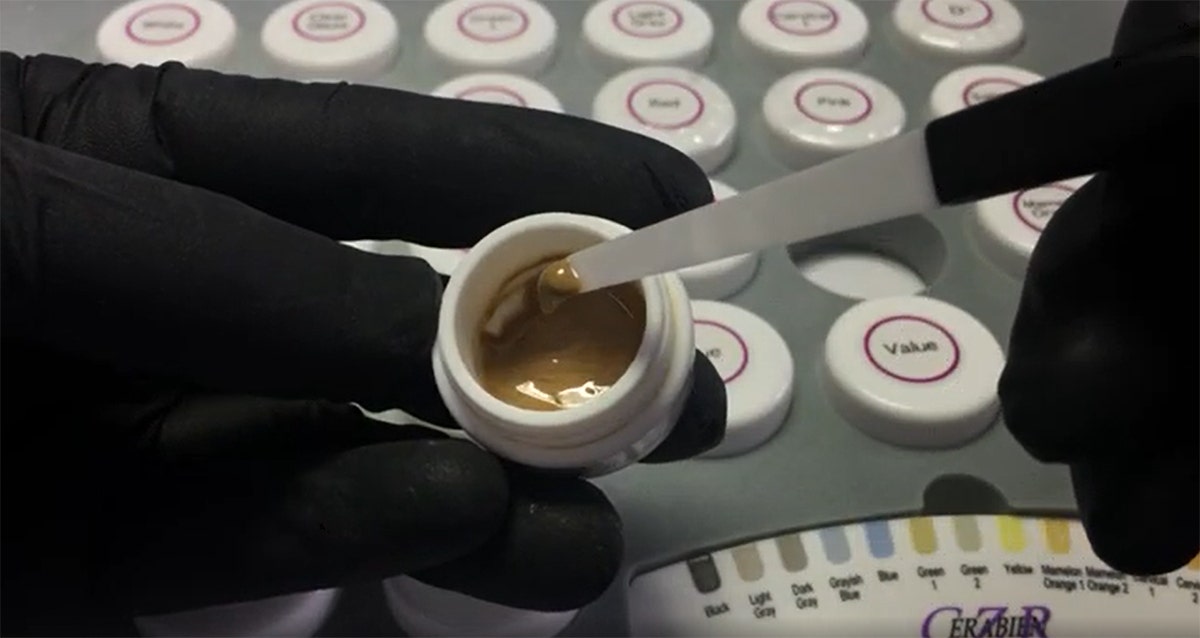
Once the pink gingival parts are finalized, the coloring of the anatomical components will follow with the use of dedicated low temperature stains (CZR™ FC Paste Stain, Kuraray Noritake Dental Inc.) which, together with the high translucency of the anatomical zirconia, guarantees a high aesthetic result.


With gray, blue and black shades, it is possible to give a high degree of translucency to the incisal edges. With warm shades, like orange and yellow, the transitions of the anatomical crowns are emphasized, while with a few spots of strong color it is possible to give character and uniqueness to the teeth.


Photo 14: Used shades of CZR™ FC Paste Stain.


The low baking temperature of CZR™ FC Paste Stain guarantees the non-alteration of the gingival component. The final step involves glazing the sandblasted parts.


Photo 15: Final situation.


Photo 16: Occlusal view.


CONCLUSION

The strength of dento-skeletal rehabilitations made of monolithic zirconia, which is a stable, reliable and highly biocompatible material is, through the possibility of using CAD/CAM technology to make an exact copy of a case or, even better, a functionalized temporary implant.


Photo 17: Matching with wax-up.


The 1125 MPa zirconia is ideal for this type of prosthesis, however, does not offer an aesthetic quality. Therefore, the combination of two zirconia materials, one extremely strong and the other highly aesthetic, fully satisfies this requirement.


Photo 18, 19: Intra-oral situation.


BIBLIOGRAPHY:


1) Matteo Chiapasco, Eugenio Romeo La riabilitazione implantoprotesica nei casi compless, UTET S.p.A. 2003 Unione Tipografico-Editrice Torinese.

2) Piconi C. ,Rimondini L. ,Cerroni L. , La zirconia in odontoiatria, Masson, 2008.

3) Stawarczyk B., Ozcan M., Hallmann L., Ender A., Mehl A., Hammerle CH., Effect of zirconia sintering temperature on flexural strengh, grain size and contrast ratio. Clin oral investig, 2013.

5) Shigeo Kataoka, Yoshimi Nishimura , Morfologia naturale dei denti, Edizione internazionale Milano 2003
La riabilitazione implantoprotesica nei casi compless.

6) Oh W., Delong R., Anusavice K., Factors affecting enamel and ceramic wear: A literature review. J Prosthet Dent 2002.

7) Preis V., Bher M., Kolbeck C., Hahnel S., Handel G., Rosentritt M., Wear performance of substructure ceramics and veneering porcelains, Dent Mater, 2011.

8) Rutten L. & P., L’estetica su impianti, editrice MEA, 1999.


Thanks: Dr. Fortunato Alfonsi, Odt. Raoul Pietropaolo.
 

KATANA™ Zirconia - The science behind superior product properties

Users of dental zirconia are really spoilt for choice these days. Countless manufacturers offer zirconia materials that differ in their mechanical and optical properties and indication range. What is not apparent at first sight is that the available products also differ with respect to the quality of the CAD/CAM blanks offered. Blank quality is highly dependent on the quality of the raw materials and is affected by different aspects during raw material processing, pressing and pre-sintering. This has a huge impact on the surface quality, edge stability, fit and processing requirements of milled restorations.


Raw material production

Pre-shaded dental zirconia typically consists of metal oxides, including zirconium oxide, yttrium oxide and aluminium oxide, as well as additives like binders and colour pigments or ions. Most manufacturers of dental zirconia obtain pre-fabricated powder from an external industry partner, the most popular option being Tosoh Corporation. In contrast, Kuraray Noritake Dental relies on an end-to-end in-house process. This includes the production and addition of the components forming the company’s innovative multilayered technology, which makes it possible to match the shades in the polychromatic blanks precisely to the colours of the VITA classical A1-D4 shade guide.


At Kuraray Noritake Dental, the powder is produced in-house.


Since more powder production steps are carried out in-house, this gives the company full control of the quality of the raw materials, their grain size and the purity of the formulation. It also allows for a precise alignment of the mechanical and optical product properties. Properties of zirconia restorations that are affected by the powder quality and composition include translucency and shade appearance, flexural strength, ageing behaviour and sintering performance.


Blank pressing

Zirconia discs and blocks used for CAD/CAM processing are usually produced by uniaxial and isostatic pressing. In the uniaxial compaction process, pressure is applied to the powder from one direction (uniaxial) or two directions (biaxial), whereas the isostatic compaction process involves virtually equal pressure applied from all sides. Hence, isostatic pressing typically results in a more uniform density distribution throughout the blank and a higher material homogeneity. These factors are prerequisites for a predictable processing and sintering behaviour and affect the fit of the final restoration. For optimal mechanical and optical properties of the zirconia material, it is essential to avoid large porosities, air pockets and impurities caused by airborne particles that are trapped during pressing.


At Kuraray Noritake Dental, a unique and extremely meticulous pressing process achieves a uniform pressure distribution and low risk of contamination by airborne particles. This specific procedure reduces gravitation forces and contributes to having as high as possible density of zirconia material. All the high-level preparation processes from raw material production to pressing are responsible for the high edge stability and surface quality of restorations milled from KATANA™ Zirconia.”


Pre-sintering

The pre-sintering procedure is necessary in that it gives the pressed blanks the required stability to be machinable with milling tools. The selected temperature profile and duration of the pre-sintering cycle determine the material’s strength and processing properties and have an impact on the final sintering process.


The unique pre-sintering procedure carried out in the production facilities of Kuraray Noritake Dental results in blanks that are stable in their pre-sintered state. Although more stable, pre-sintered KATANA™ Zirconia is machinable with common diamond-coated milling tools without any increased risk of breakage or higher tool wear.


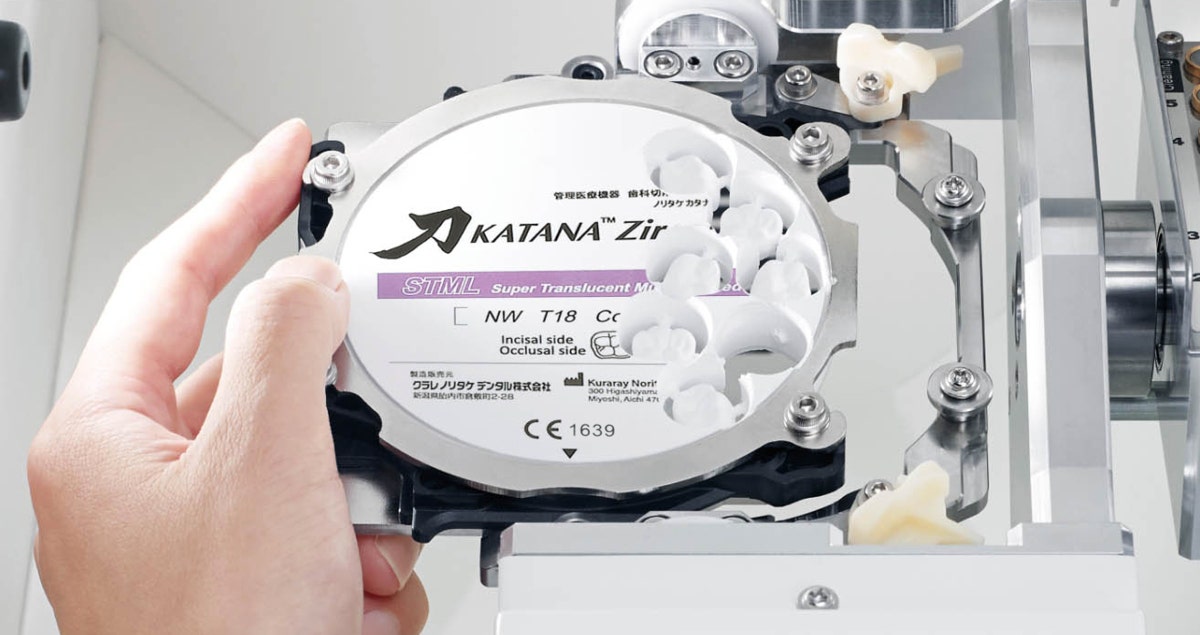
A KATANAZirconia blank ready for milling.


Fast sintering for the laboratory

The unique procedure has a positive impact on the surface smoothness after milling and can significantly shorten sintering times. In fact, the speed sintering program offered for all variants of KATANA™ Zirconia is the fastest one on the market. In the dental laboratory, the sintering times may be reduced to 90 minutes*for single-tooth restorations and bridges of up to three units.

*The material is removed from the furnace at 800°C.


Overview of the recommended sintering protocols.


Fast sintering for chairside

Using the KATANA™ Zirconia block with Dentsply Sirona’s CEREC system, it is possible to sinter single crowns up to three-unit bridges in 18-30 minutes without compromising the mechanical or optical properties.


The KATANAZirconia block displays superior optical properties after 18 minutes of sintering compared with representatives of major competitors’ raw material after 30-minute and 60-minute sintering programs designed by Kuraray Noritake Dental based on the manufacturer's recommendations.


Unique KATANAZirconia properties

Together, these efforts taken by Kuraray Noritake Dental to produce dental zirconia of exceptionally high quality make all the difference. The KATANA™ Zirconia series - KATANA™ Zirconia Ultra Translucent Multi Layered (UTML), Super Translucent Multi Layered (STML), High Translucent Multi Layered (HTML) and KATANA™ Zirconia High Translucent Mono Layered (HT) - have a homogeneous, high-density structure with low porosity and a high level of purity. This optimises the performance of the blanks during machining.


Surface roughness

SEM image, magnification 33X, of competitor material surface roughness. Image courtesy of Dr Kunkela, Kunkela Research Academy.


SEM image, magnification 33X, of KATANA Zirconia surface roughness. Image courtesy of Dr Kunkela, Kunkela Research Academy.


SEM images of non-polished KATANA™ Zirconia and a competitor’s material at 33x magnification. The four images of each material show the surface structure at different areas of a molar crown. In all areas, the surface of the restoration made of the competitor’s material is rougher and shows more porosity than the surface of the KATANA™ Zirconia crown directly after milling, according to Dr Josef Kunkela’s research results. One of the contributing factors to this result is the more densely pressed blanks with smaller grain sizes of KATANA™ Zirconia.


An optimised processing behaviour leads to regular restoration margins, smooth surfaces and a precise fit of the restorations. The latter is due to the fact that the milling behaviour and volumetric shrinkage during final sintering are highly predictable, so that a user designing a 20 µm cement gap will get what he or she desires. Owing to the great control over optical properties and precise match to the VITA classical A1-D4 shades, KATANA™ Zirconia is considered to be one of the most aesthetic dental zirconia options available on the market.


Excellent marginal fit


SEM images revealing the fit of restorations made of two different materials (lithium disilicate and KATANAZirconia Block STML) on a tooth abutment. The KATANAZirconia restoration shows a more regular margin and more precise fit (with a cement gap of 19-21 µm) than the lithium disilicate crown (cement gap 26-45 µm). Images courtesy of Dr Kunkela, Kunkela Research Academy.


Extremely regular margins of a KATANAZirconia crown after milling, which is also a result of the favourable material structure.


In order to ensure all the desired material properties, including aesthetics and strength, one thing is essential: the machining carried out in the dental laboratory - milling and sintering - needs to adhere to the recommended protocols. This means that the milling machine and furnace should be cleaned and calibrated on a regular basis, which provides the conditions for optimised zirconia processing from the powder to the final, true-to-life dental restoration.


Clinical case – Crowns on 11/21

By Dr Alessandro Devigus


Fig. 1. Initial situation with fractured PFM crown.


Fig. 2. Initial situation with fractured PFM crown – problem of deep bite.


Fig. 3. Situation after removal of old crowns and placement of retraction cord.


Fig. 4. Milled crowns before sintering with Speedfire.


Fig. 5. Crowns after sintering.


Fig. 6. Try-in of sintered crowns.


Fig. 7. Crowns after glaze and stain.

Fig. 8. Try-in of finished crowns.


Fig. 9. Crowns after adhesive cementation with PANAVIA™ V5 A2.


FINAL SITUATION


Dentist:


DR. ALESSANDRO DEVIGUS


Dr. Alessandro Devigus received his degree from Zurich University, Switzerland, in 1987. Since 1990 his working in his own private practice with a focus on CAD CAM and Digital Dentistry. He is also CEREC Instructor at the Zurich Dental School.


Dr. Alessandro Devigus is an active member of the European Academy of Esthetic Dentistry (EAED), founder of the Swiss Society of Computerized Dentistry, Neue Gruppe member, ITI fellow and speaker.


Dr. Devigus is editor-in-chief of the International Journal of Esthetic Dentistry, author of various publications and an international lecturer.


Clinical case with CLEARFIL MAJESTY™ ES-2 Universal shades

By Dr Luca Dusi


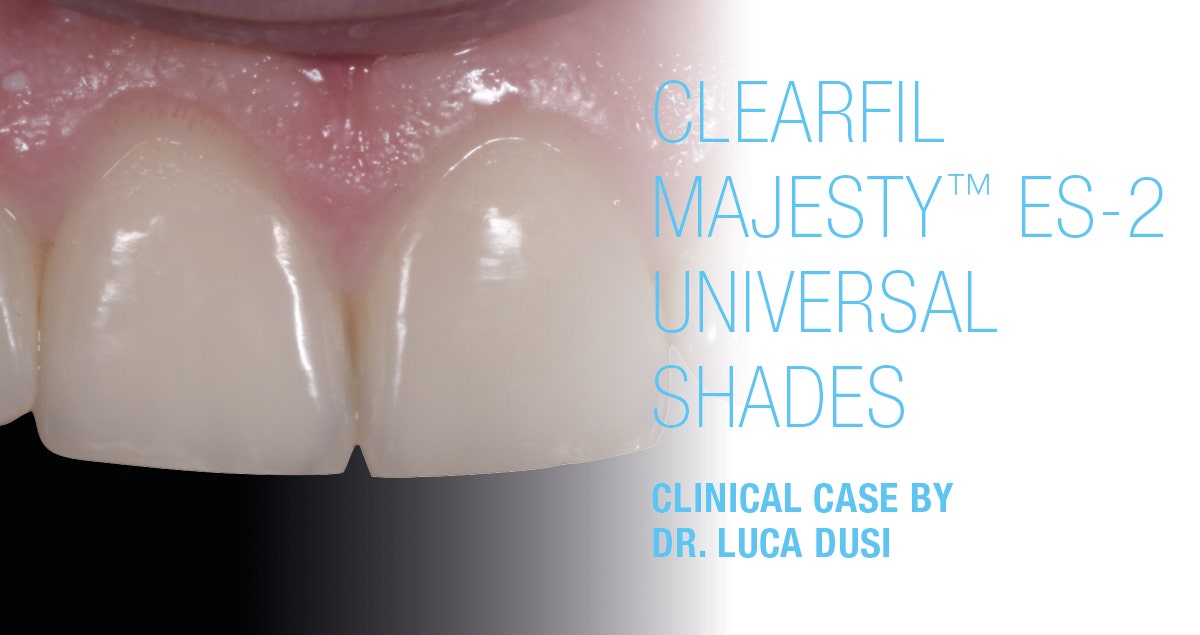
For purely aesthetic reasons, this patient asked for the reconstruction of her cone-shaped upper right lateral incisor (12). The patient was offered a treatment including a first phase of orthodontic therapy aimed at recovering the space necessary to be able to reconstruct the lateral incisor to its ideal size. As the patient refused to undergo this orthodontic therapy, it was decided to restore the tooth with resin composite and match its size to the space already available.


The adhesive system used was CLEARFIL™ SE BOND 2, while the restoration was created with the new composite CLEARFIL MAJESTY™ ES-2 Universal. Although this material is designed for the single-shade technique with only two shades matching the anterior tooth shades, I decided to combine both pastes to achieve the best possible outcome. The shade UD (Universal Dark) was used to reconstruct the cervical and central portion of the lateral incisor. The incisal portion was restored with UL (Universal Light).


Fig. 1. Initial situation with a cone-shaped upper right lateral incisor (12).


Fig. 2. Image of the initial situation taken with a polarising filter for shade evaluation purposes.


Fig. 3. The new CLEARFIL MAJESTY™ ES-2 Universal composite with only two shades for the anterior region was chosen. It offers a good optical integration thanks to Kuraray Noritake Dental’s Light Diffusion Technology.


Fig. 4. Shade determination with the aid of cured samples of CLEARFIL MAJESTY™ ES-2 Universal UL (Universal Light) and UD (Universal Dark) on the tooth surfaces.


Fig. 5. Isolation with rubber dam.


Fig. 6. CLEARFIL™ SE BOND 2 used for the establishment of a strong bond between the tooth structure and the composite material.


FINAL SITUATION

Fig. 7. The universal composite blends in well with the adjacent teeth regarding its colour and surface finish.


Dentist:


  • Graduated with honors in Dentistry and Dental Prosthetics at the University of Milan in 2010.
  • In 2011/2012 and 2012/2013 he held the position of Adjunct Professor for the teaching of Prosthetic Technologies at the University of Milan-Bicocca.
  • Member of SIdp (Italian Society of Periodontology) and AIC (Italian Academy of Conservation).


Efficient and aesthetic direct restorations with the new CLEARFIL MAJESTY™ ES-2 Universal shades concept

Time has always been limited in dental offices, and COVID-19 sanitisation requirements have constrained this even further. Streamlining procedures is a logical strategy for reducing chair time; however, this optimisation must still ensure a high treatment standard and aesthetic outcome.


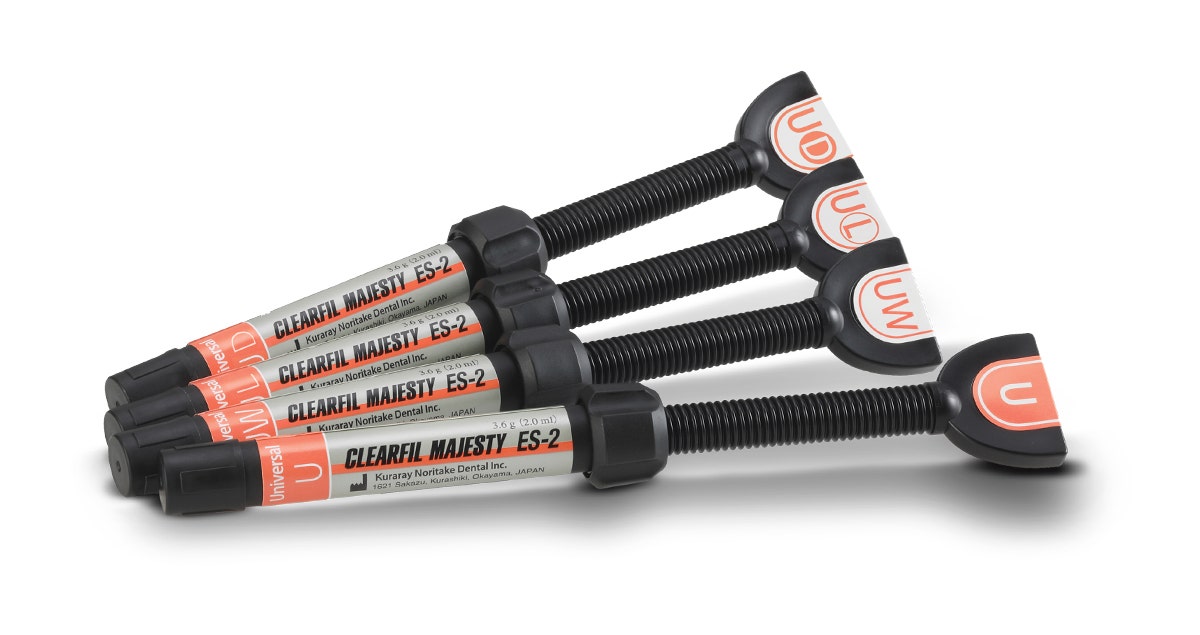
The CLEARFIL MAJESTY™ ES-2 Universal shades concept from Kuraray Noritake Dental enables this: fast shade determination and creation of aesthetic, long-lasting direct restorations with a single shade in your regular cases; an opaquer or blocker is no longer needed.


CLEARFIL MAJESTY™ ES-2 Universal shades concept consists of a compact shade range:

  • The universal (U) shade is for all posterior restorations.
  • For the aesthetically more demanding anterior, the user is given two shade options: universal light (UL) and universal dark (UD).
  • The universal white (UW) shade is employed for certain cases, such as the restoration of primary teeth.


This simplified shade concept works so well thanks to the integration of Kuraray Noritake Dental’s light diffusion technology, which makes restoration distort light in a similar way tooth structure does. Consequently, the applied material blends virtually invisibly into the surrounding tooth structure.


Convincing mechanical properties make CLEARFIL MAJESTY™ ES-2 Universal shades very well suited for posterior and anterior restorations alike. Just like other members of the CLEARFIL MAJESTY™ ES-2 family, this innovative product offers high strength, favourable wear and balanced shrinkage stress for reliable performance — even in load-bearing posterior areas. The material is easily polished and retains its gloss, yielding a natural-looking appearance that is particularly beneficial in the anterior region.


The CLEARFIL MAJESTY™ ES-2 Universal shades, available in preloaded-tip capsules and syringes, provide a time-saving and simplified means of realising aesthetic, strong and lasting restorations.


This is streamlining of direct composite procedures in optimum form - in short: intelligent simplification!


Clinical case by Dr Zorzin.


Our latest "BOND" magazine is available now!

Volume 7 of our "BOND" magazine is now published and ready to read!


Content Highlights:

  • Composites versus hybrid ceramics
  • Flowable composites a universal solution?
  • Universal adhesives, is one bottle sufficient?


Start Reading: BOND | VOLUME 7 | 10/2020


Recording 14.10.2020 17:00 CEST - Dr Alessandro Devigus on Dental photography as valuable documentation aid

Dental photography as a valuable documentation aid

The main purpose of photography in dentistry is documentation. The aim is to collect as much information as possible under reproducible conditions. For this purpose, the camera used, its accessories and the format and lighting of the intra- and extra oral recordings relevant to dentistry must be standardized. Under standardized photographic conditions, the recordings made can be compared with one another, even if the later recordings are made only after a long period of time and by different photographers. Only in this form can dental photography be used as a valuable documentation aid. The standards described by Wolfgang Bengel in 1985 are still valid, but they have to be updated and adapted to technical innovations.


In this webinar, the current development in the field of dental photography and related areas will be briefly explained.


Dr. Alessandro Devigus has had his own practice with a focus on CEREC since 1990, editor-in-chief of the International Journal of Esthetic Dentistry.


Topic: Dental photography as a valuable documentation aid
Date: Wednesday. October 14, 2020 - 17:00 - 18:30 CEST
Time: approx. 90 min (including discussion and questions)


Recording 16.09.2020 17.00 CEST - Dr Dirawi on Zirconia; What's new with this old material?

ZIRCONIA: NEW INSIGHTS INTO TRIED AND PROVEN MATERIAL

You learn from your mistakes, but it’s better if you can learn from those of others. Dr. Dirawi will share his experience, tips and tricks when it comes to creating perfect Zirconia restorations.
Having great material like KATANA Zirconia is an excellent starting point. Yet to achieve highly aesthetic outcome you need to be aware of the unexpected pitfalls and challenges that can be prevented.
Join our webinar and learn what Dr. Dirawi has to say after years of using Zirconia. Bonus – we will have a conversation about cementation of zirconia as well, to achieve durable robust results.


DR WISSAM DIRAWI DDS, MALMÖ, SWEDEN

  • Teacher at Malmö Dental University in Sweden
  • Researcher in the fields of ceramics and implant complications
  • Long clinical experience from public dental care and private dental care
  • Expert in ceramics, implants and digital dentistry
  • 2018 - Specialist in Oral Prosthodontics
  • 2000 - DDS


How to maximise the full potential of multi-layered zirconia

The use of highly translucent, gradient pre-shaded zirconia brings more efficiency into the dental laboratory. Due to the advanced properties of the materials, e.g. from the KATANA™ Zirconia Multi-Layered Series, true-to-life restorations may be created without any or with only a small vestibular layer of veneering porcelain. This saves a lot of time usually required for manual work around steps in the veneering of zirconia frameworks. At the same time, this also allows for a reduced wall thickness, beneficial in the context of minimally invasive dentistry.


In order to leverage the high aesthetic potential and balanced mechanical properties of these types of zirconia, however, it is essential that the restorations are processed under ideal conditions. The most advanced materials with the highest translucency are particularly sensitive to contamination during and after wet milling, contamination of the furnace chamber, and temperature variations during sintering. Possible undesirable effects include a grayish appearance of the restorations and low chroma, green, yellow, blue or gray traces in the restorations, white spots on the surface and variations in colour and translucency.


If carried out on a regular basis, the following measures will effectively eliminate these effects. Hence, they will support users in ensuring consistently beautiful results.


Optimizing the milling process

Blue or gray traces visible in the final restoration are usually the result of contamination of the cooling water with extrinsic particles in the context of wet milling, (which is usually conducted in chairside procedures). In most cases, silica particles left over from the processing of glass or silicate ceramics with the same milling unit are the root of the problem. The effect is easily avoided by thorough cleaning of the milling chamber, the water tank and the filter insert of the milling machine every time a different material needs to be processed. Another solution is dry instead of wet milling, which offers additional benefits such as shorter processing time and better quality edges and surfaces.


Decontamination of the furnace chamber

In general, the chamber of the sintering furnace should be cleaned before sintering. Important measures include the removal of dust inside the sintering chamber and cleaning of the heating elements, both done with a soft brush. The use of compressed air is contraindicated.


Unwanted optical effects that occur on restorations due to contamination of the sintering chamber include white spots on the restoration surface, a blue-grayish appearance and low chroma, and green or yellow traces in the material. White spots on a restoration surface are usually indicators of contaminated alumina sintering beads or the use of the wrong instruments for surface modification and sprue removal. The effect is avoidable through a monthly or even more frequent replacement of the sintering beads (as soon as they show any signs of discoloration) as well as the exclusive use of fine-grid diamond instruments for adjustments prior to sintering.

Alumina sintering beads may be the cause of white spots on a restoration surface if not replaced on a regular basis.


The blue-grayish appearance and low chroma may be attributed to mineral residues from dipping liquids in the chamber. They are effectively removed with the aid of a decontamination program to be selected in the furnace menu, which is run after inserting several residual pieces of a highly translucent, white zirconia blank. As soon as the decontamination cycle is completed, the chromatic intensity of the residual blank parts indicates whether a second cycle is required. In order to prevent the occurrence of a grayish appearance in new restorations, it is recommended to perform a decontamination program at least once per month.


Pieces of a white zirconia blank left over after milling.


MoSi2 heating elements: Regeneration needed

If a restoration appears to be green or yellowish, it is most likely that the furnace is equipped with aging molybdenum disilicide (MoSi2) heating elements in need of regeneration or replacement. The inner part of the elements is made of molybdenum (Mo), which is usually covered by a protective layer of silica (SiO2). This layer is naturally built up during sintering at a temperature range between 1,000 and 1,600°C. As the thickness of the layer grows, its intrinsic residual compressive stress increases. This stress, as well as possible extrinsic influences, e.g. originating from acidic dipping liquids, may finally lead to cracks and a breakup of the protective layer. Once damaged, the molybdenum core is exposed. At a low temperature range of 400 to 600°C, the molybdenum reacts with oxygen in the sintering chamber, a process referred to as pest oxidation. The resulting molybdenum oxide (MoO3), together with ions or metal oxides from colouring agents, is responsible for the green-yellowish discoloration on the surface of the restorations.


Restorations displaying greenish surface pigmentation.


Molybdenum disilicide heating element with a protective silica layer bursting off, leading to pest oxidation and the contamination of elements in the sintering chamber.


Regeneration firing, which involves a rapid heating rate and a long firing phase at approx. 1,450°C, aims at regenerating the layer of silica. This measure, however, works only a limited number of times, as a repeated process of pest oxidation and regeneration leads to aging of the heating element itself. Hence, it will ultimately lead to the need for replacement. The whole issue of pest oxidation may be effectively avoided by the use of a furnace with silicon carbide heating elements, which are highly aging-resistant and do not cause any discoloration. A positive side effect is that these types of heating elements deliver more constant temperatures.


Temperature control

Variations in translucency or chroma and pigmentation of restoration surfaces are often due to deviations of the actual sintering temperatures from the recommended temperature curve. The only way to solve this issue is temperature calibration. This measure is not only a prerequisite for aesthetic results, but also has a decisive impact on the mechanical properties of the restorations: if the maximum temperatures are too high, for example, the flexural strength of the zirconia materials may be expected to decrease1.


Effect of temperature differences during sintering on restorations made of KATANA™ Zirconia UTML: The restorations were sintered at the same nominal temperatures in three different furnaces!


Temperature control is usually carried out with the aid of TempTABs or PTCRs (process temperature control rings). They are placed into the furnace on a sintering tray and typically processed by running a calibration cycle. After sintering, the tab or ring diameter is determined. As TempTABs and PCTRs exhibit controlled shrinkage, it is possible to calculate the actual sintering temperature based on the measured diameter. A conversion table supports the user in determining the deviation between the temperature actually reached and the temperature displayed on the furnace. Subsequently, the values displayed on the furnace are adjusted if necessary.


TempTAB on a sintering tray with restorations ready for sintering.


General recommendations

In order to set the stage for brilliant aesthetics and ideal properties of zirconia restorations, it is essential to ensure optimal processing conditions. Instead of troubleshooting carried out whenever discoloration appears after sintering, it is advisable to take the following actions on a regular basis as preventive measures:


  • Cleaning of the milling machine’s water tank every time before starting to mill (wet milling only)
  • Strict adherence to the sintering protocols recommended by the material manufacturer
  • Removal of the dust from the sintering chamber and heating elements with a soft brush before each use
  • Replacement of the alumina sintering beads whenever they show signs of discoloration (at least once per month)
  • Exclusive use of fine-grid diamond instruments for sprue-removal and pre-sintering adjustments
  • If possible: Use of furnace with silicon carbide heating elements
  • Furnaces with molybdenum disilicide heating elements require constant visual control and regular regeneration cycles
  • Running of a decontamination program with decontaminating powder or white zirconia residues (y-TZP) at least once per month
  • Temperature control and calibration at least once per month


With these simple measures, it is possible to maximise the full potential of KATANA™ Zirconia Multi-Layered Series from Kuraray Noritake.


References
1 Stawarczyk, B., Özcan, M., Hallmann, L. et al. The effect of zirconia sintering temperature on flexural strength, grain size, and contrast ratio. Clin Oral Invest 17, 269–274 (2013).