Aesthetic case

LabLine magazine is an English language publication catering to the field of lab-side dentistry. It provides comprehensive coverage of the latest techniques and trends in dental laboratory technology and materials, showcasing them via sophisticated, challenging and aesthetic clinical cases done by some of the most known experts in Europe. With its expertly curated content, LabLine serves as an invaluable resource for dental professionals seeking to enhance their knowledge and stay at the forefront of the industry.


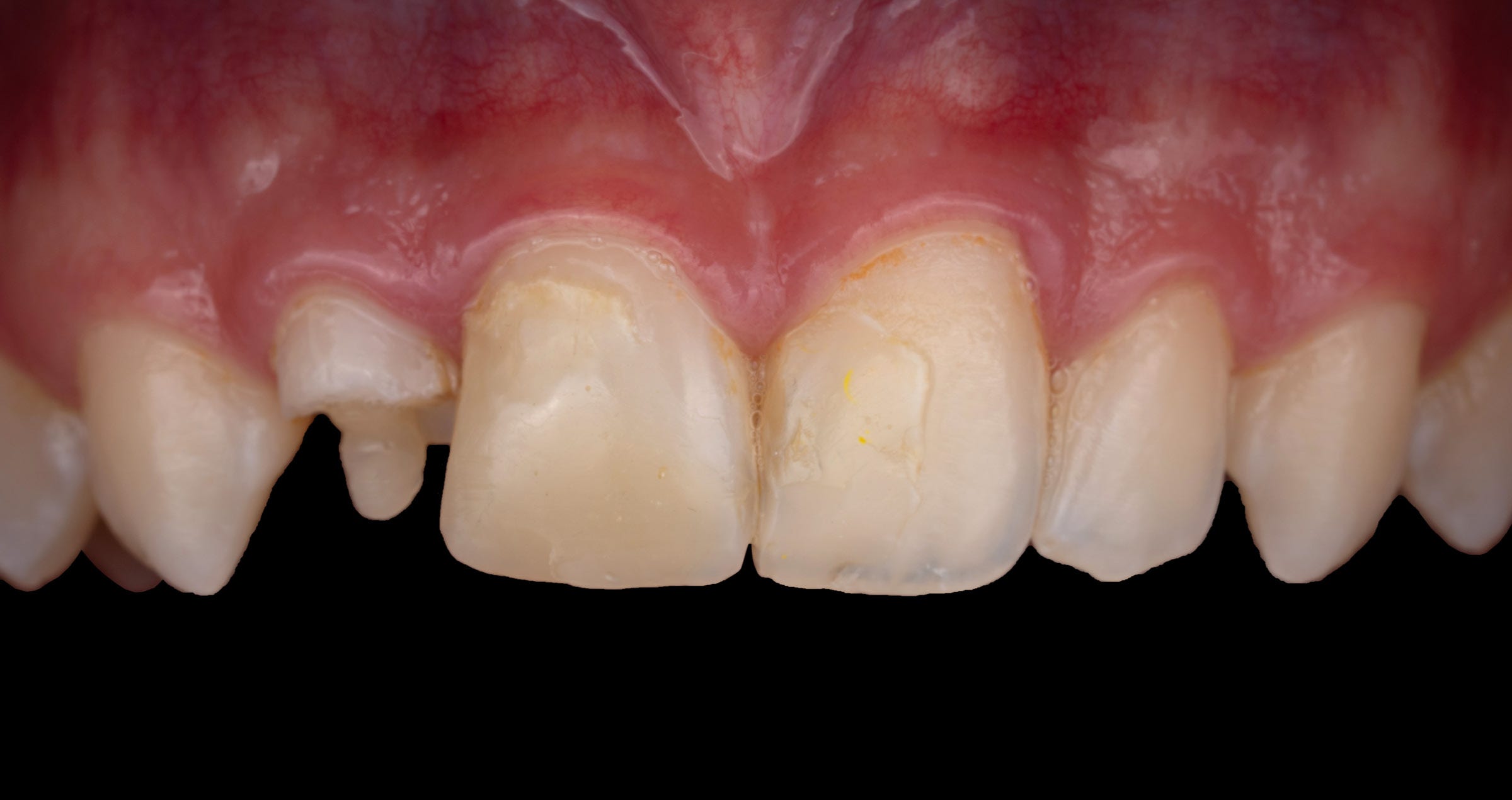
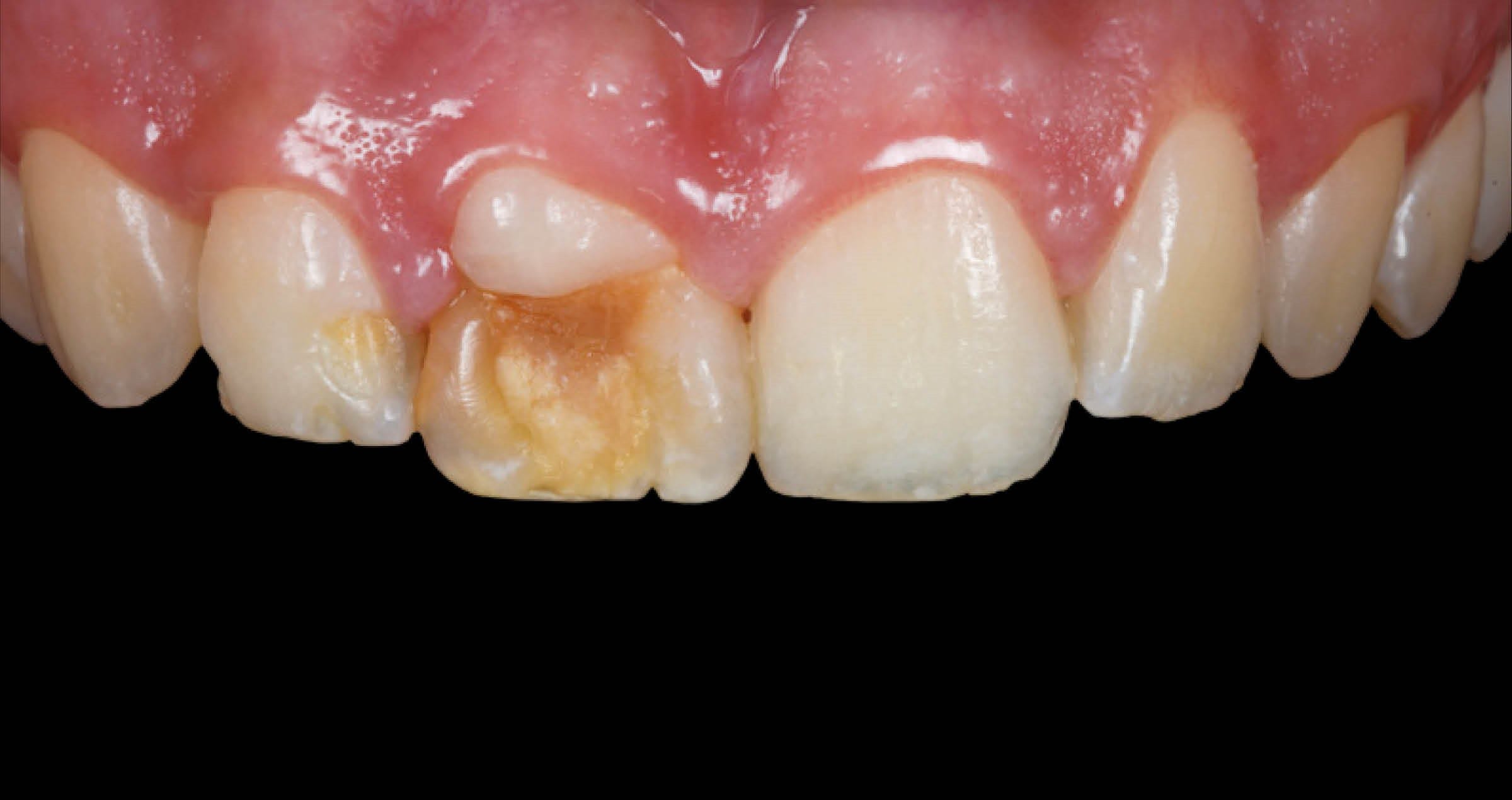
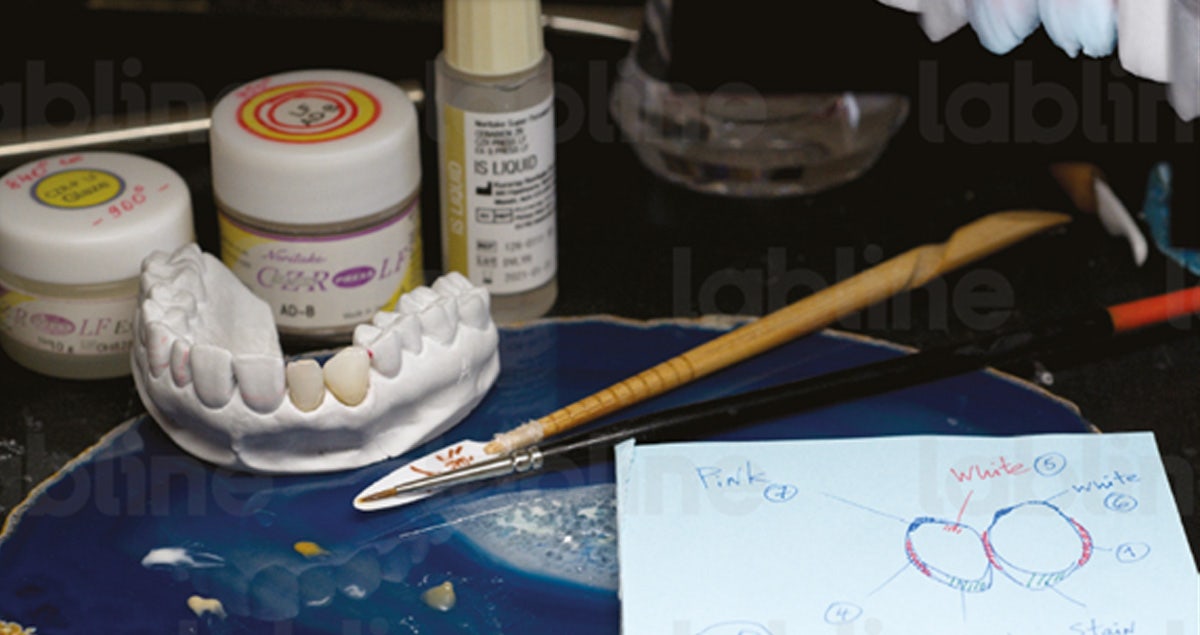
In the SPRING edition of LabLine you can find a wonderful AESTHETIC CASE by Mikel Villar Gonzales and DT Pilar Ballesteros Galan. The patient, a 21-year-old female had a hypoplasia defect on her permanent teeth, 1.1 and 1.2., presumably due to trauma on her deciduous anterior teeth. Click the image below and check out how the case was done!


This aesthetic case

Case by Dr. David Garcia Baeza and DT. Pilar Ballesteros Galan


Shade determination in the planning phase, shade evaluation at try-in: How is it possible to accomplish these highly important tasks in the production of lifelike anterior restorations without meeting the patient in person? A computer-based shade documentation and try-in system is a great solution. Download this clinical case example describing the aesthetic restoration of two maxillary anterior teeth to learn more about one such system and its use!


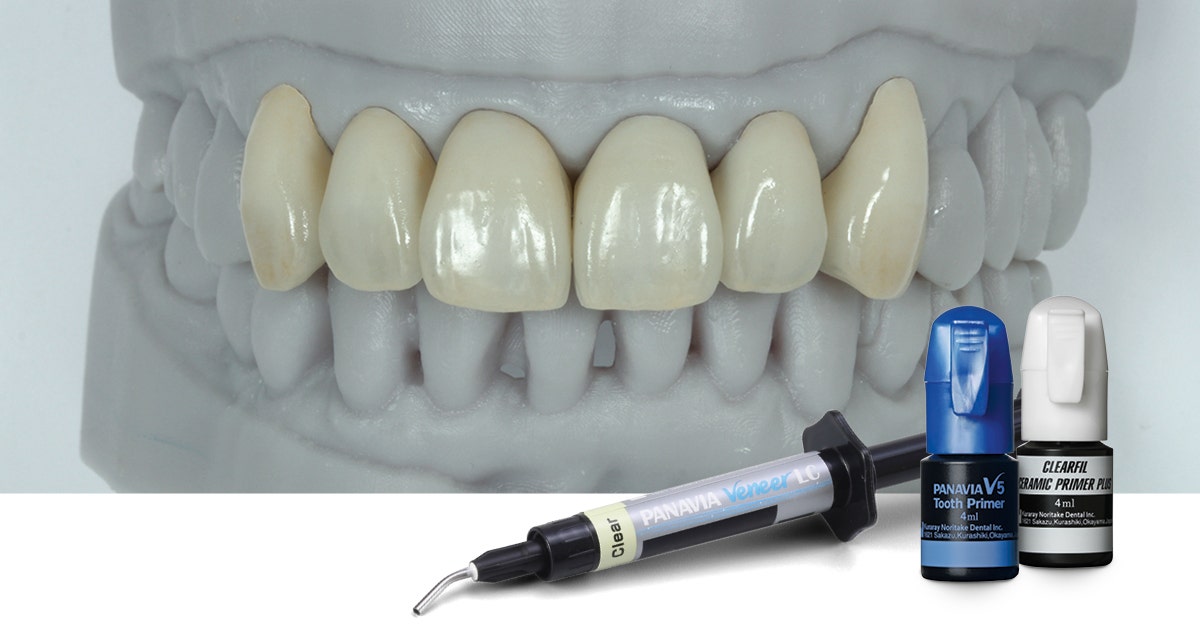
Laminate veneer restoration using KATANA™ Zirconia STML prostheses

Case by Dr. Yohei Sato, DMD, PhD, Department of Removable Prosthodontics, Tsurumi University School of Dental Medicine, JAPAN and Dr. Keisuke Ihara, CDT, i-Dental Lab, JAPAN


Fig. 1. The patient was referred to our hospital by an orthodontist. The chief complaints were improper esthetics of the teeth due to black triangles at the edges of the gaps between the teeth and occlusal wear of the teeth.


Fig. 2. On the basis of the pre-treatment diagnosis using a mockup, the abutments were prepared without anesthesia, keeping in mind that the enamel should be preserved to the extent possible.

Fig. 3. Since a fixation retainer was installed on the palate side, it was difficult to take impressions using silicone. Therefore, an intraoral scanner for impression taking was used.


Fig. 4. A layer of porcelain on each of KATANA™ Zirconia STML substrates was applied to complete the laminate veneer resto-rations. The inner surface of each restoration was sandblasted, being careful to prevent chipping.


Fig. 5. After trial fitting, bonding inhibiting substances as blood and saliva were removed using KATANA™ Cleaner.


Fig. 6. Milling. CLEARFIL™ CERAMIC PRIMER PLUS, which contains the phosphoric ester monomer MDP, was applied and dried using compressed air.


Fig. 7. The surface of each tooth was cleaned and treated with K-ETCHANT Syringe for 10 seconds before washing it away with water and compressed air-dried the area.


Fig. 8. PANAVIA™ V5 Tooth Primer was applied and left it for 20 seconds, then compressed air-dried it.


Fig. 9. PANAVIA™ Veneer LC Paste was applied and the laminate veneer was seated. For this case, we treated six teeth during one session.


Fig. 10. The unpolymerized excess paste was removed with a brush. PANAVIA™ Veneer LC Paste is a light-cured type, which was designed to provide sufficient working time.


Fig. 11. This photo shows the results after the final light curing. Since the excess cement was easily removed, there were almost no cement residues.


FINAL SITUATION


Fig. 12. The photo shows the inside of the oral cavity one month after the fitting of the laminate veneer restorations. It can also be noted that the teeth’s marginal gingiva has been improved, thanks to the good fit of the laminate veneer restorations.


 

What did you miss this summer?

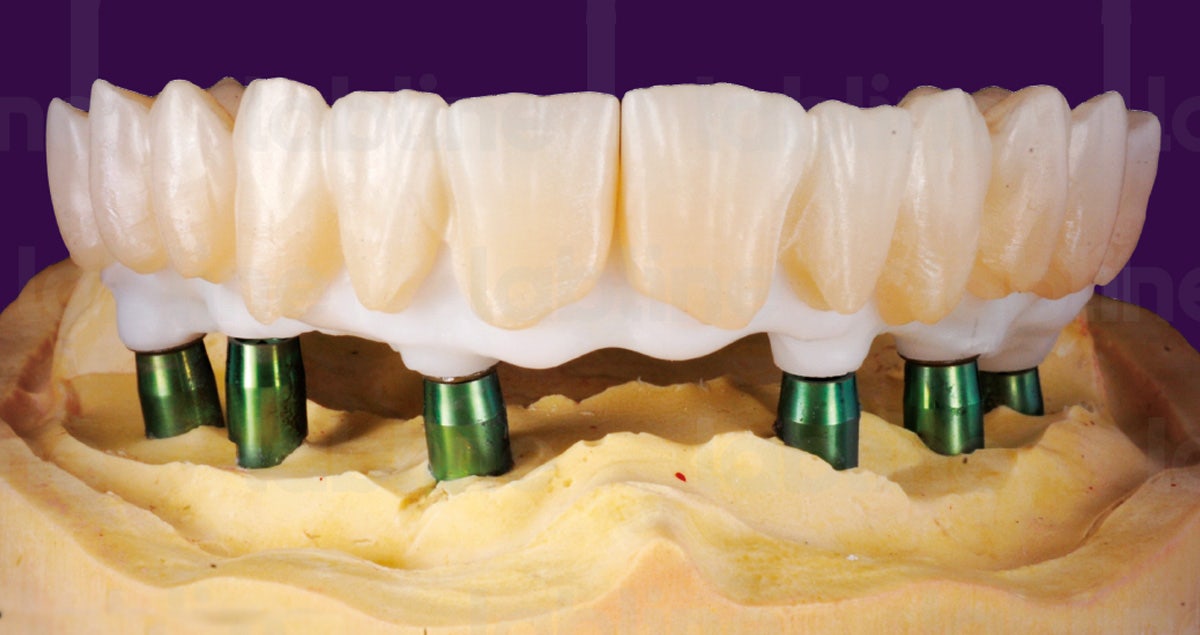
The vacation period is over and we all are slowly returning back to our everyday routines and work. With all the travel and holidays in the last months you might have missed this great article in the LabLine Summer edition: Graftless solutions and implant-supported monolithic zirconia fixed prostheses.


It is an extensive, beautiful and detailed case report created and documented by team of well known and respected KOLs: Fortunato Alfonsi, Antonio Barone, Marco Stoppaccioli, Romeggio Stefano and Vincenzo Marchio.


Check it out by clicking here.


Nya möjligheter för långa estetiska monolitiska restauratoner

Av MDT Daniele Rondoni


Vanligtvis, kan den estetiska potentialen hos dentala keramiska material - speciellt translucensen - endast ökas på bekostnad av en minskad böjhållfasthet. Den
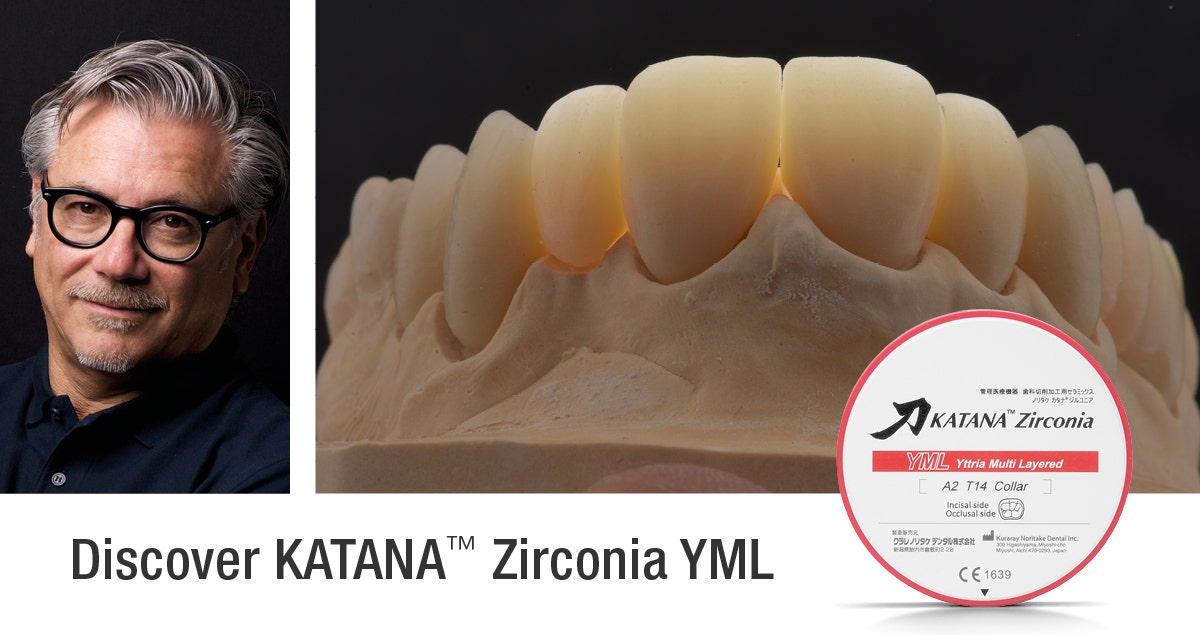
nya KATANA™ Zirconia YML från Kuraray Noritake Dental Inc. är annorlunda. Med sin höga böjhållfasthet på 1100 MPa i nedre hälften av disken och den höga
translucensen i de övre body och incisala områdena, har den en hög estetisk potential och ett obegränsat indikationsområde, vilket visas ett exempel på i följande kliniska fall.


Fig. 1. 4-leds- och 6-ledsbroar av KATANA™ Zirconia YML efter fräsning och sintring. En naturlig vestibulär ytstruktur spelar en väsentlig roll vid skapandet av estetiska monolitiska restaurationer.


Fig. 2. De två broarna på modellen efter ultra-mikro skiktning med CERABIEN™ ZR FC Paste Stain (Kuraray Noritake inc.).


Fig. 3. Restaurationer med stains och glaze och deras translucenta överföring av ljus.


Fig. 4. Buckal vy av 6-ledsbron cementerad i patientens mun.


Fig. 5. Buckal vy av 4-ledsbron cementerad i patientens mun


Med denna nya typ av Multi-layer zirkonia, är det möjligt att framställa estetiska monolitiska restaurationer lämpliga även för användning i det anteriora området. En hög flexibilitet i designen erbjuds även med styrkegradienten och den höga translucensen ger ett naturligt utseende efter sintring. Ultra-mikro skiktning och glaze på den monolitiska ytan gör det möjligt att uppnå resultat som ger nöjda patienter.


DANIELE RONDONI, MDT


Daniele Rondoni | Master Dental Technician

Född i Savona 1961, där han bor och har arbetat i sitt eget laboratorium sedan 1982 med sina kollegor. Han tog examen från tandteknikerskolan IPSIA "P.Gaslini" i Genua 1979. Han fortsatte sin utbildning med deltagande i relevanta workshops vid "Italian dental school" och utvidgade sin erfarenhet i Schweiz, Tyskland och Japan. Sedan 2011 är han internationell instruktör på Kuraray Noritake Dental.