

GODALGOTAIS CLEARFIL MAJESTY ES FLOW – TAGAD VĒL DAUDZPUSĪGĀKS, AR TRĪS VEIDU PLŪSMĀM.
Produkts CLEARFIL MAJESTYTM ES Flow ir ieguvis Dental Advisor galveno balvu jau piecus gadus pēc kārtas un tagad ir pieejams ar trīs veidu plūsmām. Tādējādi tiek piedāvāta pavisam jauna līmeņa daudzpusīga darbība, lai zobārstniecības speciālists varētu ātrāk un ērtāk panākt vēlamo restaurācijas rezultātu.
CLEARFIL MAJESTYTM ES Flow universālais plūstošais kompozītmateriāls ir jaunākais uzņēmuma Kuraray Noritake Dental produkts. Šis uzņēmums ir izpelnījies atzinību visā pasaulē, jo ir apliecinājis savas zināšanas par restaurācijai nepieciešamajiem materiāliem. Uzņēmums Kuraray Noritake Dental izmantoja materiāla CLEARFIL MAJESTYTM Flow panākumus, lai izstrādātu īpaši uzlabotu produktu, kas nodrošina restaurāciju, reparāciju un cementēšanu bez citu kompozītmateriālu izmantošanas.
Pateicoties Kuraray Noritake Dental patentētajam silāna savienojošajam līdzeklim, kas izmantots kompozītmateriālam CLEARFIL MAJESTYTM ES FLOW, gan submikronu, gan nanoklasteru pildviela tiek stabili piesaistīta kompozītmateriālam. Līdz ar to materiālam CLEARFIL MAJESTYTM ES FLOW ir arī lielāka pildvielas noslodze, saglabājot produkta plūstamību. Estētiku bagātina nanoklasteri jeb gaismas difūzijas pildviela, kas gādā par kompozītmateriāla nemanāmu iekļaušanos apkārtējā zoba struktūrā.
CLEARFIL MAJESTYTM ES FLOW priekšrocības
- Efektīva un ērta apstrāde – tūlītēja ievade, izmantojot šļirci, vienkārša un ērta pulēšana.
- Izturīgums – kompozītmateriāla lieces izturība ir 150 MPa, bet spiedes izturība ir 373 MPa.
- Plašs indikāciju diapazons – visas kavitāšu klases, cementēšana un labošana.
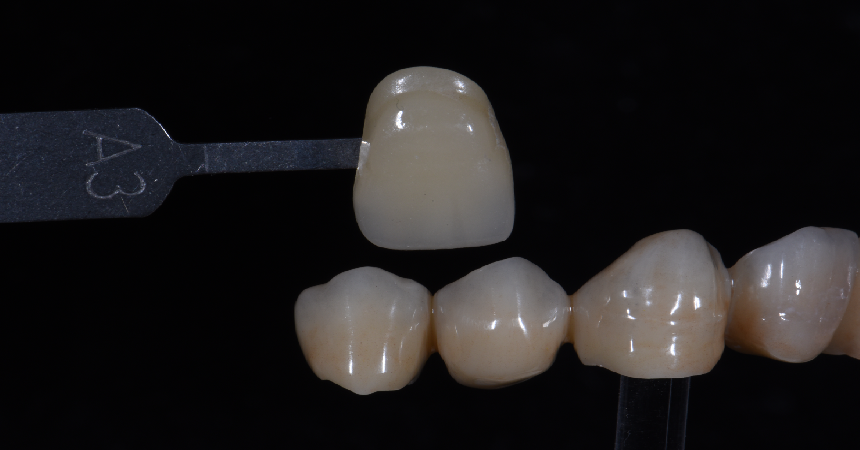
- Estētika – lieliska krāsu adaptācija, ko nodrošina gaismas difūzijas tehnoloģija.
KOMPOZĪTMATERIĀLS, KAS ZOBĀRSTIEM VIENMĒR JĀTUR PA ROKAI.
Plašāka informācija ir pieejama vietnē: kuraraynoritake.eu/lv/clearfil-majesty-es-flow
Kuraray Europe Benelux B.V., Nordics & Baltics l [email protected]
Uzņēmums Kuraray Noritake Dental Inc. ir radies pēc uzņēmuma Kuraray Medical Inc. un Noritake Dental Supply Co. apvienošanās 2012. gada aprīlī. Šī uzņēmuma priekšrocības ir izcilas zināšanas par organisko un neorganisko ķīmiju, kas palīdzējušas izstrādāt arī citus augsta līmeņa zobārstniecības produktus – gan keramiskos, gan kompozītmateriālus un pat biomateriālus.